

Hip bursitis vs. arthritis: How to tell the difference

Fitness for longevity: Which type matters most?

Ministrokes linked to elevated risk of dementia

Continuous glucose monitors benefit people who don't need insulin

CoQ10: Should you take this popular supplement if you're on a statin?

Microplastics: A hidden health threat?

Oat vs. dairy milk: Nutrition, benefits, and downsides

What is tempeh? Benefits, nutrition, and how to use it

Healing after food poisoning

Whole grains may improve several heart risk factors at once
Vitamins, minerals & supplements Archive
Articles

Can I reverse prediabetes?
Ask the doctors
Q. My doctor recently told me I have prediabetes. Is this condition reversible?
A. Yes, it is possible to reverse prediabetes. Prediabetes is a condition that affects millions of Americans. The CDC estimates that as many as one in every three American adults has the condition, which is defined as having blood sugar that is elevated, but not high enough to meet the threshold for diabetes. Left untreated, prediabetes can progress to diabetes, a condition in which your body is not able to absorb glucose for energy properly, causing blood sugar to rise. If it's not managed properly, diabetes can lead to a number of health problems, from heart attack and stroke to blindness, kidney problems, and infections, among others. But making some lifestyle changes can reduce the risk that your prediabetes will develop into diabetes.

Keep your health habits on track during the holidays
Put the focus on friends, family, and fun, instead of food.
It's November, time for Thanksgiving and the start of the holiday season, which is also known as the time of year when healthy habits slide off track and waistbands get tighter.
"The truth is, people do tend to abandon healthy habits during the winter," says Dr. Beth Frates, clinical assistant professor of physical medicine and rehabilitation at Harvard Medical School. Blame the cold weather that keeps you inside and makes you feel sluggish, or the parade of holiday parties. Who wants to stick to a diet or trudge to the gym?

Taking multiple prescriptions can be risky
Simple organization and communication strategies can help you manage your medications and reduce health risks.
If your pillbox is overflowing, you're not alone. Some 60% of Americans have at least one chronic condition, and 40% have two or more, according to the CDC. Doctors often prescribe multiple drugs to manage them.
"Some studies have found that a large number of people are taking as many as 12 to 15 drugs at a time," says Dr. David Bates, a professor of medicine at Harvard Medical School.
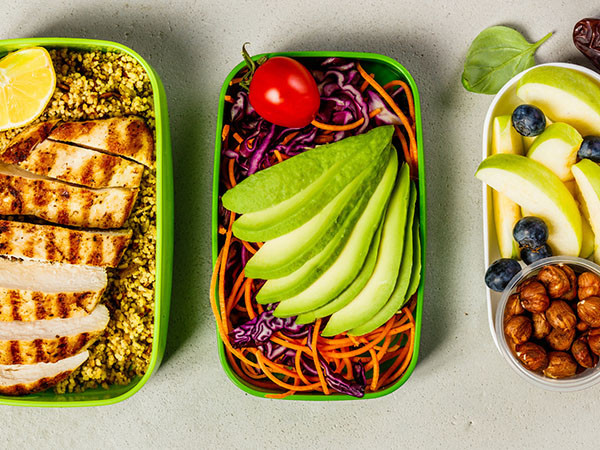
Healthy meals: 3 easy steps to success
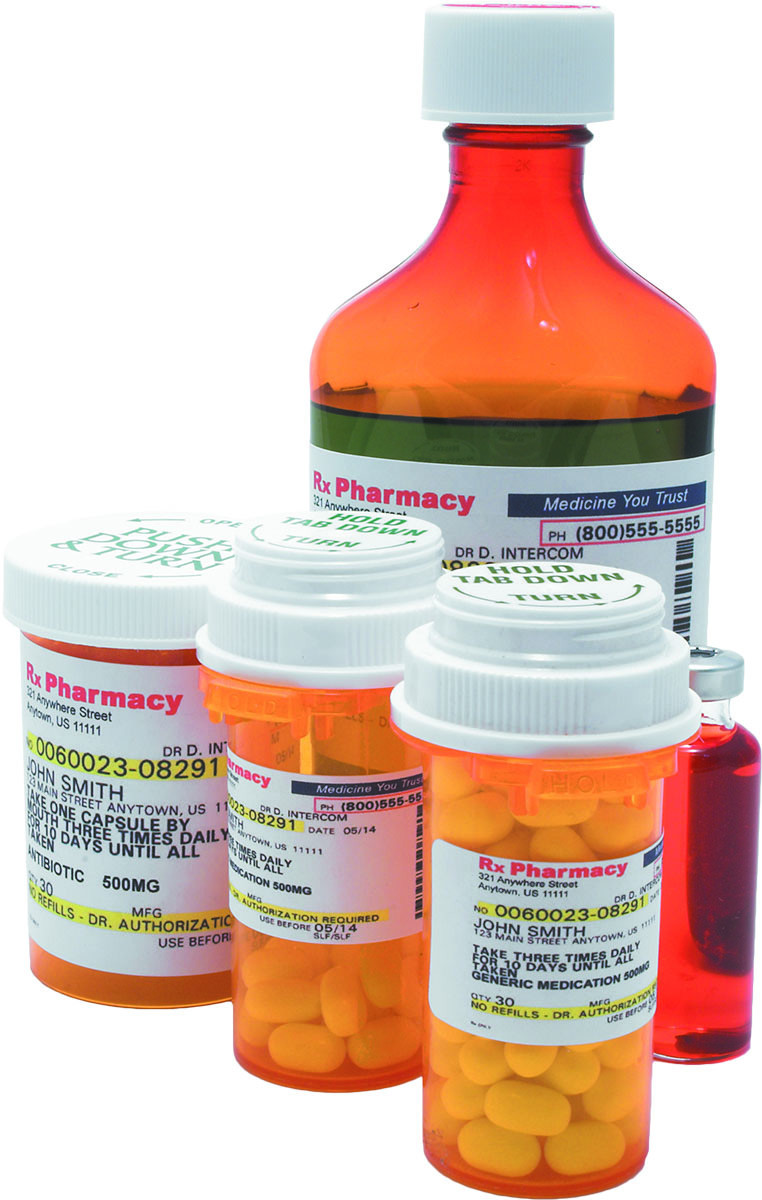
What to do when medication makes you constipated
Antidepressants and opioids are common offenders.
It's frustrating when you feel the urge to move your bowels but can't seem to go. Before blaming your diet, consider whether medication side effects are causing your constipation.
Possible suspects
Many medications can contribute to constipation, including the following:
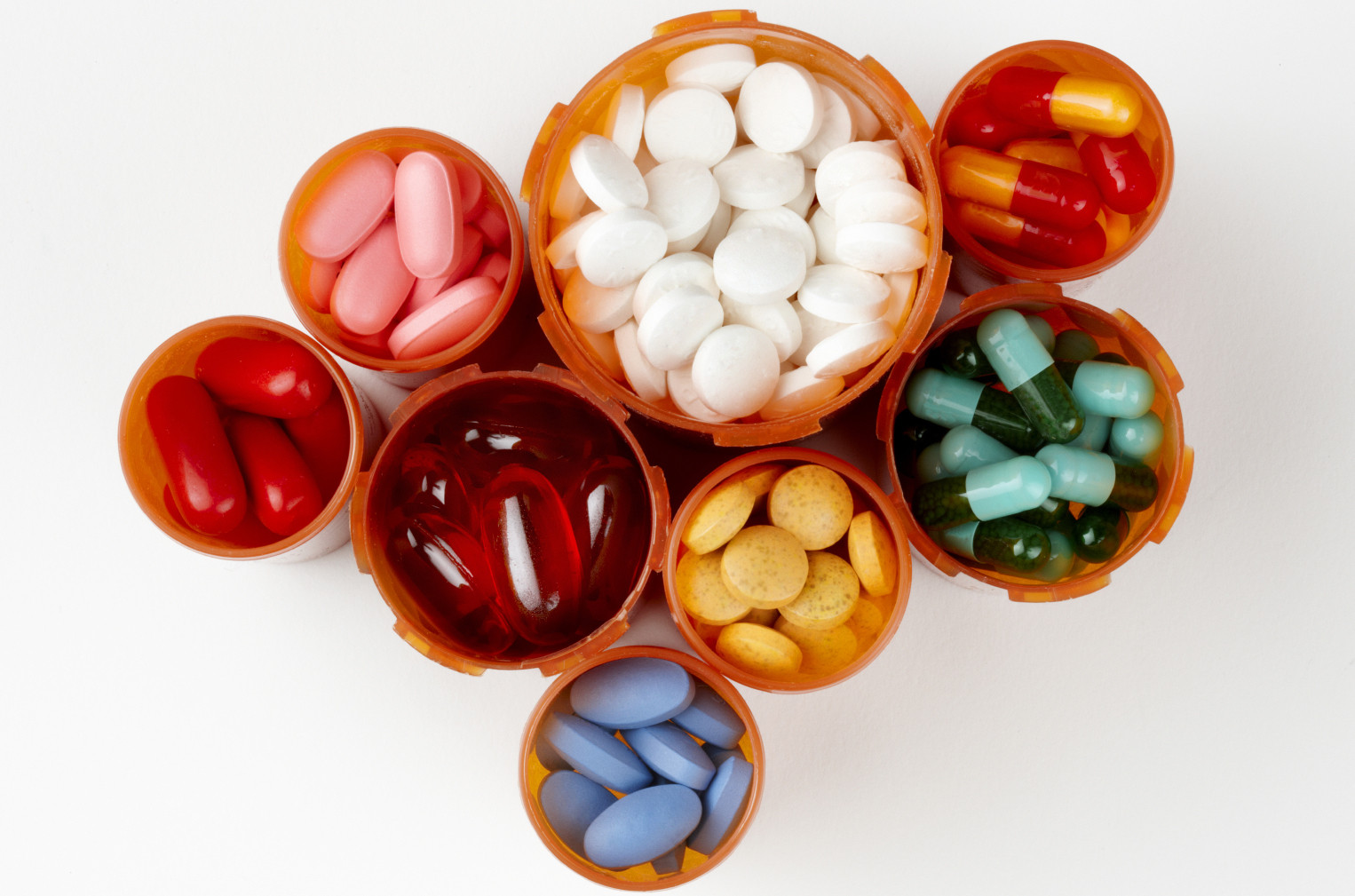
What to do when medication makes you sleepy
It may be as simple as adjusting the dose, avoiding alcohol, or taking the drug at a different time of day.
Image: iStock
One of the most commonly reported side effects of some medications is drowsiness. "Many people report tiredness or fatigue as a side effect from their medicines. However, there are things you can do to minimize the feelings of daytime sleepiness," says Laura Carr, a pharmacist at Harvard-affiliated Massachusetts General Hospital.
Typical offenders
Common culprits that cause sleepiness include antidepressants; antihistamines, found in sleep aids or medicines that treat allergies; anti-emetics, which are used to control nausea and vomiting; antipsychotics and anticonvulsants, which can be used to treat seizures or depression; drugs to treat high blood pressure, including alpha blockers and beta blockers; benzodiazepines and other sedatives, which are commonly used for anxiety or insomnia; drugs for Parkinson's disease; muscle relaxants; and opioids and other prescription pain medications. Many over-the-counter medicines may also make you drowsy, such as remedies for insomnia, allergies, nausea, vomiting, or diarrhea.

Comfort food without the guilt
Simple swaps like whole grains instead of white rice maintain flavor while boosting health benefits.
There's nothing quite like coming in from the cold and sitting down to a hot, hearty meal. The icy temperatures seem to make us yearn for foods that will warm us up inside, stick to our bones, and soothe the soul. "We are warm-bodied creatures, and as the weather cools we actually crave more calories so we can stay warm," explains Sandra Allonen, a registered dietitian with Harvard-affiliated Beth Israel Deaconess Hospital.
But digging into comfort foods all winter — like a savory beef stew, spicy spaghetti and meatballs, macaroni and cheese, fluffy pancakes, gooey pizza, or buttery mashed potatoes — comes with health risks.
Are the new migraine medications working?
Doctors say three recently approved migraine prevention drugs are helping people have fewer headaches.
For people with frequent, debilitating migraine headaches, 2018 brought encouraging news. The FDA approved three new medications — erenumab (Aimovig), fremanezumab (Ajovy), and galcanezumab (Emgality) — the first drugs designed specifically to prevent migraines and reduce their frequency, intensity, and duration.
It was a big development, since other medications used to stop migraines were created to control other conditions, such as seizures, depression, high blood pressure, or an irregular heartbeat. But their side effects (such as weight gain, dizziness, or fuzzy thinking) often cause people to skip treatment.

Menu alert: U.S. restaurants are offering more sugary drinks
News briefs
Sugary drinks are becoming more plentiful at large restaurant chains, and some drinks are getting sweeter. That's according to a study published in the August issue of the American Journal of Preventive Medicine. Harvard researchers analyzed the beverage offerings of 63 fast-food, fast-casual, or full-service restaurant chains from 2012 to 2017. Over that period, the number of sugary beverages available at the restaurants increased by 82%. Among newly introduced sugary beverages such as sodas, fruit drinks, and sports drinks, from 2012 to 2016 the number of calories per drink increased by about 50, and the average amount of sugar per drink reached a whopping 63 grams. Newly introduced sweetened teas roughly doubled in sugar and calories from 2012 to 2016, jumping from an average of about 140 calories per drink to about 300, and from 25 grams of sugar to 56. But remember: the American Heart Association recommends limiting added sugar to 25 grams per day for women and 36 grams per day for men. If you want to splurge on a sugary drink, try not to consume all of it, or chose a lower-sugar option.
Image: LiliGraphie/Getty Images

Cafeteria strategies that may improve your diet
News briefs
Red light, green light — we all know what those mean. And when Harvard researchers added traffic-light symbols to packages and menus in a hospital cafeteria, they found that diners bought healthier foods with fewer calories. The findings were published online July 10, 2019, by JAMA Network Open. Scientists first tracked the cafeteria purchases of hospital employees for a few months. Then they labeled foods with symbols indicating if a food was healthy (green), less healthy (yellow), or unhealthy (red); moved unhealthy foods to less accessible locations in the cafeteria; and tracked purchases for another two years. About 5,700 people bought food during that time. When researchers linked calorie information to purchases, they found a 6% decrease in calories per purchase over two years, including a 23% decrease in calories from the least healthy foods. This builds on previous research that found sales of red-stickered items dropped by 4% and sales of green-stickered items grew by 5% during the study. Can you try this at home? Maybe not the traffic-light stickers. "But making it harder to access unhealthy foods gives you enough time to think about your choice before eating something that is not consistent with your goals," says lead author Dr. Anne Thorndike, who specializes in obesity treatment and prevention at Harvard-affiliated Massachusetts General Hospital. "Strategies include having a drawer for the unhealthy foods, placing unhealthy snacks high on a shelf, and having a goto' shelf for healthy snacks."
Image: lcs813/Getty Images
Hip bursitis vs. arthritis: How to tell the difference
Fitness for longevity: Which type matters most?
Ministrokes linked to elevated risk of dementia
Continuous glucose monitors benefit people who don't need insulin
CoQ10: Should you take this popular supplement if you're on a statin?
Microplastics: A hidden health threat?
Oat vs. dairy milk: Nutrition, benefits, and downsides
What is tempeh? Benefits, nutrition, and how to use it
Healing after food poisoning
Whole grains may improve several heart risk factors at once
Free Healthbeat Signup
Get the latest in health news delivered to your inbox!
Sign Up
