

Hip bursitis vs. arthritis: How to tell the difference

Fitness for longevity: Which type matters most?

Ministrokes linked to elevated risk of dementia

Continuous glucose monitors benefit people who don't need insulin

CoQ10: Should you take this popular supplement if you're on a statin?

Microplastics: A hidden health threat?

Oat vs. dairy milk: Nutrition, benefits, and downsides

What is tempeh? Benefits, nutrition, and how to use it

Healing after food poisoning

Whole grains may improve several heart risk factors at once
Vitamins, minerals & supplements Archive
Articles

5 common medications that can have serious side effects
Report new symptoms immediately if you take one of these.
Taking blood thinners and prescription painkillers such as opioids can have potentially life-threatening complications. But many medications — even over-the-counter drugs — have the potential for dangerous side effects. "In most cases, the risk of serious side effects is very rare — much less than 1% of the time," says Dr. Joshua Gagne, a pharmacist and epidemiologist with Harvard-affiliated Brigham and Women's Hospital.
If you're taking any of the following drugs, learn the rare risks.

Hair thinning? Get to the root of the problem
Swap out a sweet drink to reduce your diabetes risk
Research we're watching
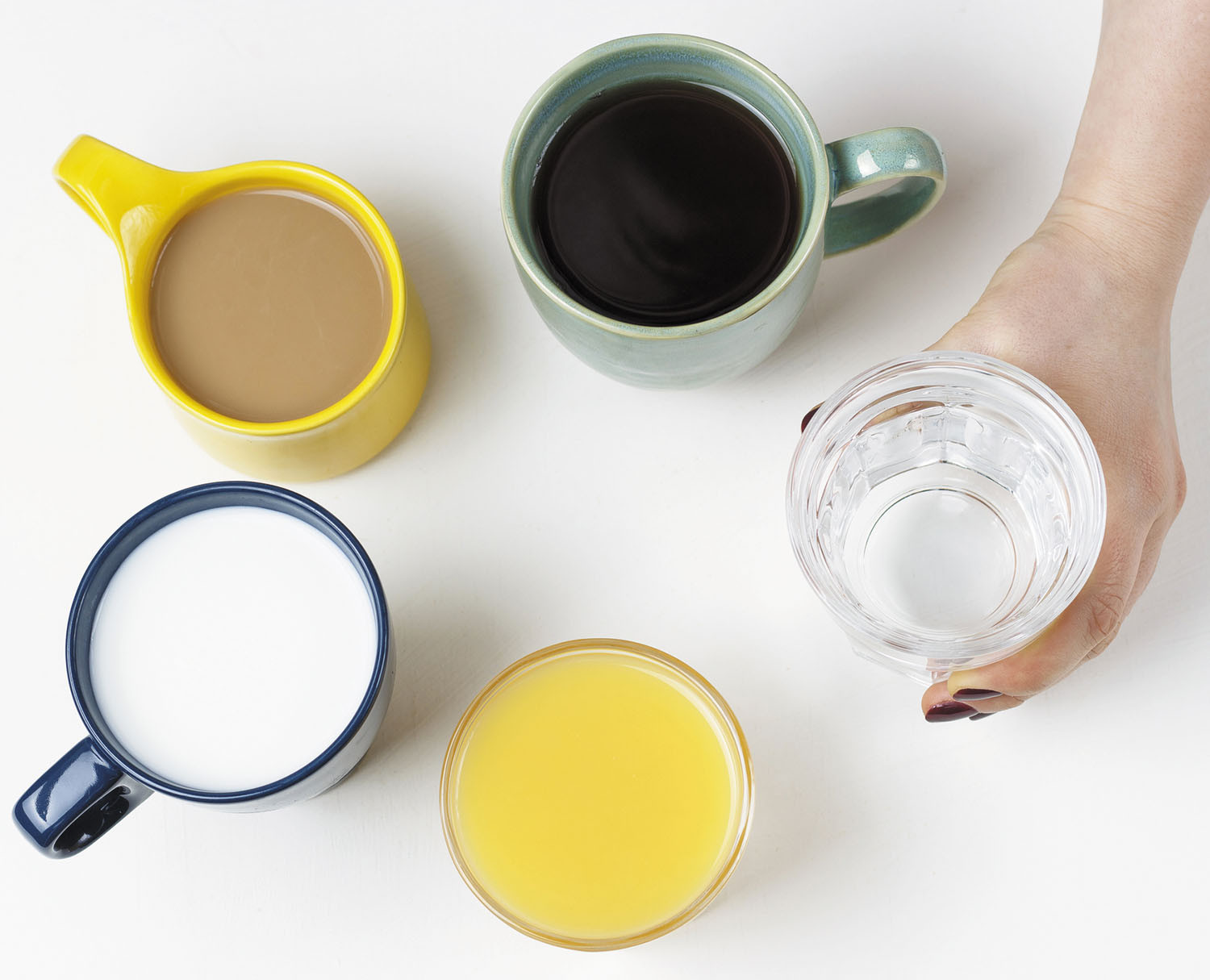
Replacing just one sugary drink each day with water may reduce your risk of developing diabetes, according to a study published online Oct. 3, 2019, by Diabetes Care. Researchers from Harvard's T.H. Chan School of Public Health looked at more than two decades' worth of data collected in three long-term studies, involving more than 192,000 adults. By tracking beverage intake over time, they found that people who increased their consumption of sugary drinks (including 100% fruit juice) by more than 4 ounces a day over four years had a 16% increase in diabetes risk over the next four years. Turning to "diet" versions might not help, either: an 18% jump in diabetes risk occurred in people who increased their intake of artificially sweetened drinks by more than 4 ounces a day over the same period, although some of that risk could have reflected other factors, said researchers.
The bottom line: If you want to reduce diabetes risk, it's better to skip sweet drinks and stick to unsweetened tea, coffee, or water. When people drank one of those beverages once a day instead of a sweetened drink, diabetes risk dropped by 2% to 10%.

FDA approves new migraine medication
Research we're watching
If you suffer from migraine headaches, there's a new option available to relieve your pain. In October 2019, the FDA approved lasmiditan (Reyvow) to treat migraine pain in adults. Taken as a pill, it works for migraines either with or without an aura (a visual disturbance within the hour before migraine pain starts). Lasmiditan is not designed to prevent migraines. Lasmiditan is the first migraine treatment in a class of drugs known as serotonin (5-HT) 1F receptor agonists. In studies, researchers found that it could relieve pain and other migraine symptoms within two hours.
Migraines affect an estimated 28 million women in the United States, according to the American Migraine Foundation, and the World Health Organization ranks them among the top 10 disabling conditions. Pain and other symptoms, which may include nausea, sensitivity to light and temporary vision changes, result in lost work days, reduced productivity, and diminished quality of life for many people.

Great grains, super seeds
Editor's note: This year, we're highlighting grains and seeds on this page. Starting in February, we'll showcase a different grain or seed every month, with nutritional information and suggestions for adding these healthy foods into your diet. Here's some general background about these plant-based foods and why they're beneficial for cardiovascular health.
What, exactly, is a whole grain? Technically, they're dry, hard seeds of plants. Some are from grasses known as cereal grains, such as wheat, rice, corn, and oats. Others are from plants in different botanical families, such as quinoa, amaranth, and buckwheat, known as pseudo grains or pseudo cereals. A whole grain is one that contains all three layers of the grain kernel: the bran, the endosperm, and the germ.

Prolong your life with plant-based protein?
Research we're watching
Eating more plant-based protein may help you live longer, a new study suggests.
The study included 70,000 Japanese men and women ages 45 to 74 with no history of cancer, heart disease, or stroke. They filled out detailed diet questionnaires at the start of the study and again every five years.
Be ready for emergencies
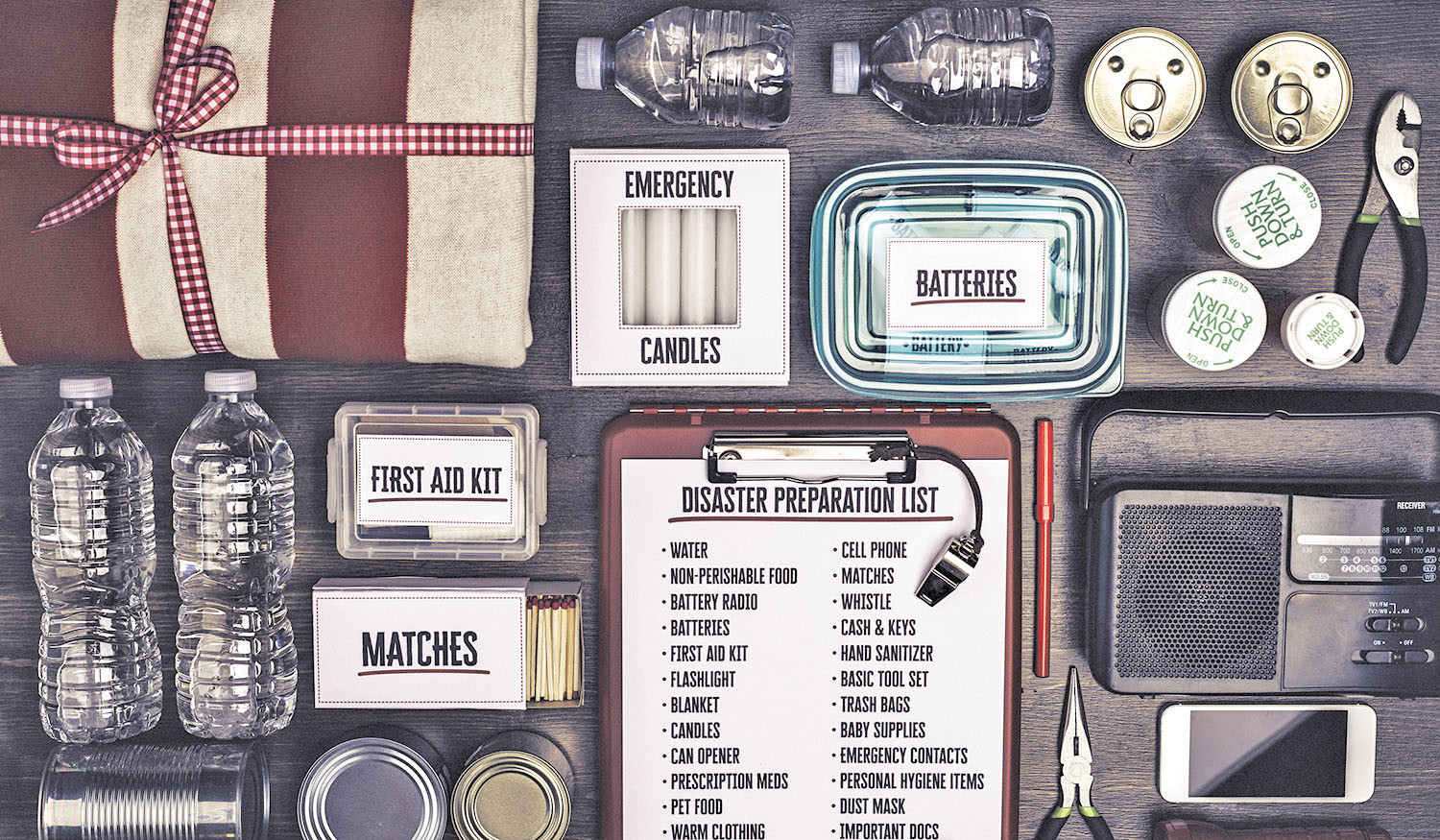
Here are 10 ways to safeguard your life (and health) when an emergency or disaster strikes.
Natural disasters and other kinds of emergencies can strike anywhere and often with little warning. Yet, new data from the University of Michigan National Poll on Healthy Aging show that most adults ages 50 to 80 are ill-prepared for severe weather, long-term power outages, or other emergency situations.
"Older adults should take the time to focus on how they will cope and manage with an emergency," says Dr. Howard LeWine, assistant professor of medicine at Harvard Medical School and editor-in-chief of this newsletter. "A small effort now can protect their health and well-being when an emergency does occur."

Omega-3 supplements may improve heart health
In the journals
Research continues to explore the possible benefits of omega-3 fish oil supplements, especially for heart health, and a recent review of existing data suggests they may protect against heart attack and coronary artery disease.
Researchers from Harvard's T.H. Chan School of Public Health and Brigham and Women's Hospital examined 13 trials, involving almost 128,000 people, to look for any association between omega-3 supplements and the risk of heart attacks, strokes, coronary artery disease, and death from cardiovascular disease. Their results were published online Sept. 30, 2019, by the Journal of the American Heart Association.

Mushrooms may protect against prostate cancer
In the journals
A study published online Sept. 4, 2019, by the International Journal of Cancer showed a possible connection between regular mushroom consumption and a lower risk of prostate cancer.
The researchers recruited more than 36,000 men ages 40 to 79. They recorded various health information, such as physical activity, family and medical history, and diet. Information on diet included 39 foods and beverages. The men were then followed for a period ranging from 13 to almost 25 years.

Can I do anything to prevent osteoporosis?
Ask the doctors
Q. I know that osteoporosis is linked to hereditary factors that I can't change. But are there things I can do to reduce my risk?
A. It's true that many risk factors for osteoporosis, such as your sex, age, and genes, are not things you can change. But there are things you can do to improve your bone health. This includes adopting a healthy diet that is rich in calcium and getting enough vitamin D, which can help maintain and improve bone health. Regular exercise can also help strengthen your bones or prevent bone loss. In particular, activities that put stress on your bones, such as jumping, running, and weight-bearing exercises, can stimulate bone cells to produce proteins that bolster bone strength. In children, these activities can actually increase bone density. While adults don't gain the same degree of benefit that kids do, exercise can still have moderate effects on bone, helping to maintain strength that might otherwise be lost. To further protect bone health, cut down on unhealthy habits, such as smoking or drinking excess amounts of alcohol. If you have risk factors for osteoporosis, you might also want to talk to your doctor about whether any of your medications might be harming your bone health.
Hip bursitis vs. arthritis: How to tell the difference
Fitness for longevity: Which type matters most?
Ministrokes linked to elevated risk of dementia
Continuous glucose monitors benefit people who don't need insulin
CoQ10: Should you take this popular supplement if you're on a statin?
Microplastics: A hidden health threat?
Oat vs. dairy milk: Nutrition, benefits, and downsides
What is tempeh? Benefits, nutrition, and how to use it
Healing after food poisoning
Whole grains may improve several heart risk factors at once
Free Healthbeat Signup
Get the latest in health news delivered to your inbox!
Sign Up
