

Hip bursitis vs. arthritis: How to tell the difference

Fitness for longevity: Which type matters most?

Ministrokes linked to elevated risk of dementia

Continuous glucose monitors benefit people who don't need insulin

CoQ10: Should you take this popular supplement if you're on a statin?

Microplastics: A hidden health threat?

Oat vs. dairy milk: Nutrition, benefits, and downsides

What is tempeh? Benefits, nutrition, and how to use it

Healing after food poisoning

Whole grains may improve several heart risk factors at once
Vitamins, minerals & supplements Archive
Articles
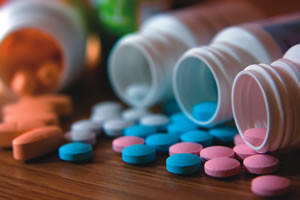
Bad mix: Blood thinners and NSAIDs
Image: Anita_Bonita/Getty Images |
Take the lowest dose of NSAIDs and stop using them as soon as possible.
Blood thinners are usually given to people at risk for developing blood clots from conditions, such as abnormal heart rhythms. Use of these lifesaving medications requires caution with other drugs, especially painkillers called nonsteroidal anti-inflammatory drugs (NSAIDs), such as ibuprofen (Advil) or naproxen (Aleve). But plenty of people take the risk to relieve aches and pains. "Many of the patients who need blood thinners are older and therefore at risk for arthritis, so it's not infrequent for a patient to be on both a blood thinner and an NSAID," says cardiologist Dr. Deepak L. Bhatt, a Harvard Medical School professor.

4 ways to boost your energy naturally with breakfast
Healthful protein, slowly digested carbohydrates, fruit or vegetables serve up best morning mix
As you sleep, your body is hard at work digesting yesterday's dinner. By the time you wake up, your body and brain are demanding fresh fuel. "Breaking the fast" is a key way to power up in the morning. Do it right and the benefits can last all day.
If you miss the day's first meal, notes Dr. David S. Ludwig, a nutrition expert at Harvard-affiliated Children's Hospital Boston, you may start off with an energy deficit and have to tap into your energy reserves.
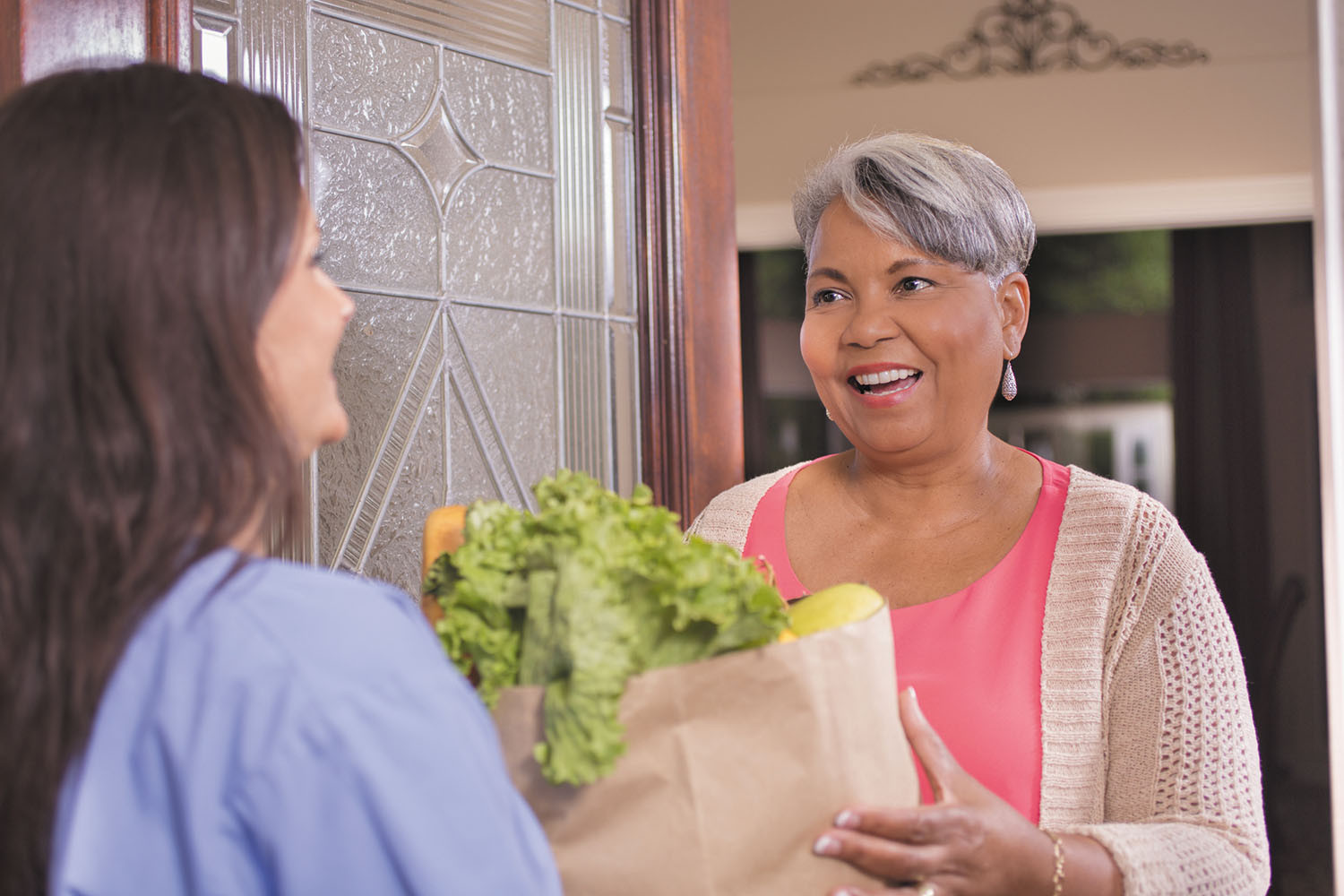
Season of receiving: Use free services to stay independent
Nonprofit groups offer services that can help you age in place.
Image: © fstop123/Getty Images
The holidays are a time of giving, but they're also a time to put yourself on the receiving list and assess whether you should be taking advantage of free health-related services offered by nonprofit organizations. Services are widely available, often regardless of income. But you might not know they exist. "Most older adults aren't introduced to support services until they're hospitalized or they work with a case manager or social worker," explains Barbara Moscowitz, a geriatric social worker at Harvard-affiliated Massachusetts General Hospital. "You don't have to wait for such an event."
What's available
On the local level, you can often find free or low-cost dental clinics, emotional support groups, meal or grocery delivery services, transportation, in-home health evaluations, exercise classes, health education classes, home evaluations for fall prevention, companion programs, caregiver respite services, or programs to help you navigate difficult chronic health conditions and their treatment.

Bit by bit, Americans are eating healthier
News briefs
Americans are starting to eat a healthier diet, but we still have a long way to go, suggests a study (which included Harvard research) published Sept. 24, 2019, in JAMA. Researchers looked at health survey responses gathered from 1999 to 2016 from almost 44,000 American men and women. The good news: during the study, participants improved on the 100-point Healthy Eating Index, thanks to higher intakes of high-quality carbohydrates (such as whole grains), plant protein (such as whole grains and nuts), and unsaturated fats; and lower intakes of added sugars. The not-so-good news: 42% of the American diet is still coming from low-quality carbs, and about 12% is coming from saturated fat. Like turning a massive battleship, it takes time to change eating patterns. These findings confirm that a winning strategy includes swapping low-quality carbs for higher-quality ones, replacing some saturated fats (like those in red meat) with unsaturated fats (like those in nuts and fish), and reducing calories from carbs over all (fewer snacks and drinks with added sugars and refined grains). An outstanding and popular book to guide healthy eating is Eat, Drink and Be Healthy, by Walter Willett and P.J. Skerrett, from Harvard Health Publishing.
Image: Image Source/Getty Images

Is it safe to go vegan in older age?
The diet takes vegetarianism to the extreme and poses a risk for nutrient deficiency. But it does offer health benefits.
If tofu turkey and meatless meatloaf are on your holiday menu this year, you may have made the switch to a vegetarian diet, eliminating at least some animal protein. But how much animal protein can you safely cut out of your diet?
Vegetarian diet benefits
Among the many types of vegetarian diets, three are particularly common: a pescatarian diet allows seafood; a lacto-ovo diet allows dairy products and eggs; finally, a vegan diet allows no seafood, dairy, or other animal products.

Gifts from the heart, for the heart
Here's a host of ideas that support healthy eating and exercise habits.
This holiday season, how about giving the gift of good health? From kitchen tools to a session with a personal trainer, there are many thoughtful presents that can have a lasting impact on a person's cardiovascular health. Here are suggestions from several Harvard experts.
Kitchen tools and gadgets
"Many of my patients want to eat healthier, and one good strategy is to prepare more meals at home. Because this takes time, kitchen tools and gadgets really can be helpful," says registered dietitian Kathy McManus, director of the Department of Nutrition at Harvard-affiliated Brigham and Women's Hospital. One great time-saving tool is an Instant Pot, which works as a pressure cooker, slow cooker, yogurt maker, rice cooker, and steamer, she says.

Advice about taking aspirin and statins after age 75
These drugs are mainstays for preventing heart disease. Are they safe and effective in older people?
Low-dose aspirin and statins are both common, inexpensive drugs that help prevent the two root causes of most heart attacks — blood clots and cholesterol-laden plaque clogging the arteries of the heart. In recent years, a number of studies have helped experts refine their advice as to who should or should not take these medications.
However, evidence-based advice for people in their mid-70s and beyond is a bit harder to come by. Historically, most drug trials have included only a small proportion of people 75 and older, in part because there are fewer people in that age demographic. Also, older people tend to have other chronic health conditions. As such, they may be more prone to drug side effects, making doctors reluctant to enroll them in clinical trials.

Legume of the month: Black-eyed peas
In Southern states, people often eat black-eyed peas and collard greens on New Year's Day, a tradition believed to bring wealth and good fortune in the coming year. The classic recipe for this dish, called Hoppin' John, often includes some form of pork. But the Half-cup Habit website has a vegetarian version; see https://pulses.org/nap/recipe/hoppin-john.
It may be just luck, but black-eyed peas seem to be less likely than black beans or pinto beans to cause intestinal gas, according to a small study. All legumes contain fiber and substances known as oligosaccharides that can't be broken down by human digestive enzymes. But the billions of bacteria living in the gut can digest oligosaccharides, often creating gas in the process.

Who needs aspirin?
Age, family history, and other risk factors determine if daily aspirin can help prevent a heart attack or stroke.
For many of us, aspirin was the go-to medicine of our youth. Everything from headaches, colds, and general aches and pains were treated with two aspirin and a glass of water.
For decades, aspirin was widely believed to be a safe way to protect healthy adults from heart attacks and strokes. But over the past couple years, new research has questioned this premise and many doctors have already stopped prescribing aspirin for adults at low risk of cardiovascular disease.

Omega-3 fats don’t reduce the risk of diabetes or improve blood sugar control
Research we're watching
While eating more foods rich in omega-3 fatty acids may lower the risk of heart attack, that doesn't seem to reduce the risk of developing diabetes, according to a study published Aug. 24 in The BMJ. Prompted by past findings that this type of healthy fat might reduce diabetes risk and improve blood sugar (glucose) control, researchers decided to look further into the issue. They reviewed 83 randomized trials involving more than 120,000 people, both with and without diabetes. Each trial went on for six months or longer. These trials looked at whether increasing consumption of omega-3 fats (derived from fish or plants), omega-6 fats (such as those in soybean or corn oil), or total polyunsaturated fats could help lower blood glucose or reduce the risk of developing diabetes. They found that increasing the amount of omega-3, omega-6, or total polyunsaturated fats in the diet over an average study period of nearly three years didn't seem to have any effect on glucose metabolism or diabetes risk. It didn't matter whether the additional healthy fats came from supplements, enriched foods, or foods that were naturally rich in these fats.
Image: outline205/Getty Images
Hip bursitis vs. arthritis: How to tell the difference
Fitness for longevity: Which type matters most?
Ministrokes linked to elevated risk of dementia
Continuous glucose monitors benefit people who don't need insulin
CoQ10: Should you take this popular supplement if you're on a statin?
Microplastics: A hidden health threat?
Oat vs. dairy milk: Nutrition, benefits, and downsides
What is tempeh? Benefits, nutrition, and how to use it
Healing after food poisoning
Whole grains may improve several heart risk factors at once
Free Healthbeat Signup
Get the latest in health news delivered to your inbox!
Sign Up
