

Hip bursitis vs. arthritis: How to tell the difference

Fitness for longevity: Which type matters most?

Ministrokes linked to elevated risk of dementia

Continuous glucose monitors benefit people who don't need insulin

CoQ10: Should you take this popular supplement if you're on a statin?

Microplastics: A hidden health threat?

Oat vs. dairy milk: Nutrition, benefits, and downsides

What is tempeh? Benefits, nutrition, and how to use it

Healing after food poisoning

Whole grains may improve several heart risk factors at once
Vitamins, minerals & supplements Archive
Articles
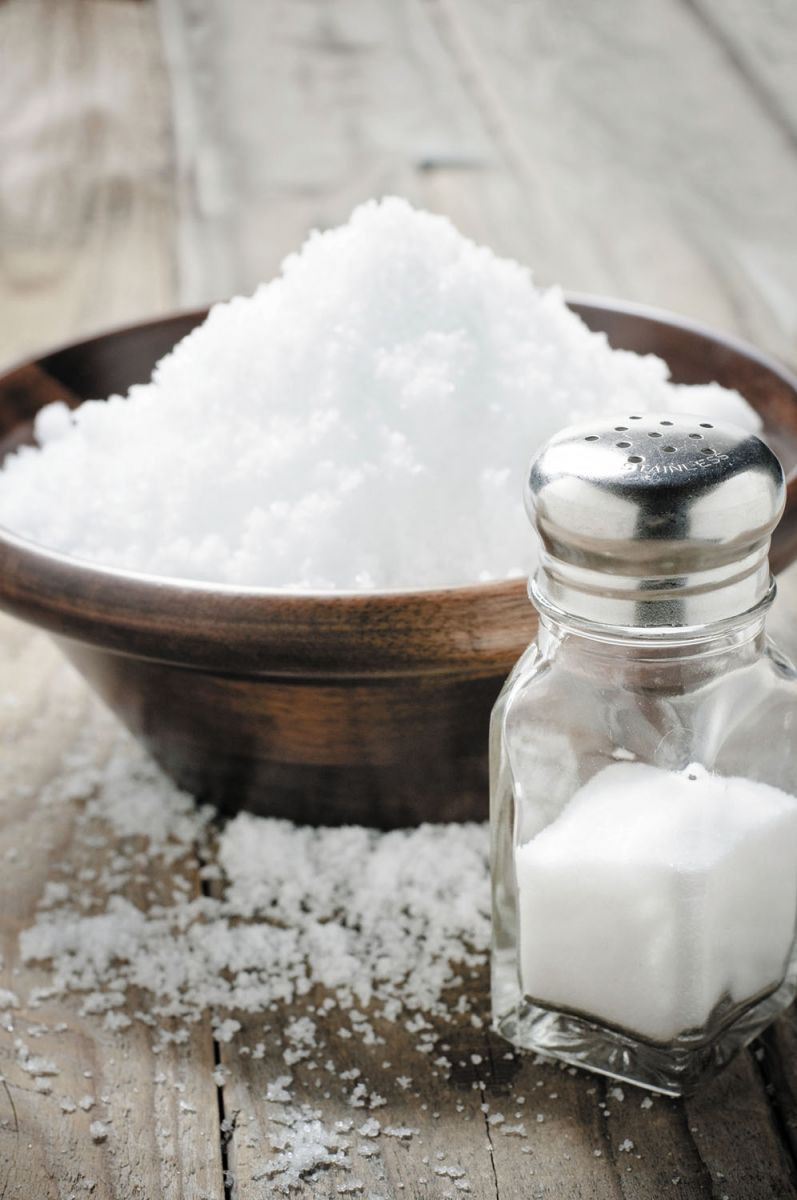
Salt sensitivity: Sorting out the science
Eating too much salt usually boosts blood pressure, but not in everyone. Understanding the genetic basis of these differences may improve treatment of high blood pressure.
Do you know someone who eats lots of salty food — pizza, pickles, pretzels, and the like — but has naturally low blood pressure? That person may be salt-resistant, which means his or her blood pressure doesn't rise very much in response to a diet high in salt (sodium chloride). In contrast, other people are salt-sensitive, which means their blood pressure rises by 5 points or more if they switch from a low-sodium to a high-sodium diet.
Unfortunately, there isn't an easy test to determine who is salt-sensitive, says endocrinologist Dr. Gordon Williams, professor of medicine at Harvard Medical School. "Still, we know that Americans eat far more salt than they actually need, so it makes sense to advise everyone cut back on salt," he says.

Legume of the month: Pinto beans
The most commonly eaten type of bean in the United States, pinto beans are especially popular in southern states, where they may be known as frijoles (Spanish for "beans") or cowboy beans. These oval, tan-colored beans are mottled with reddish-brown streaks, making them appear painted (pinto means "painted" in Spanish).
Once they're cooked, the colored splotches disappear, leaving a light-brown bean with a soft, creamy texture. In Mexico, Central America, and South America, pintos are cooked with epazote, an herb that purportedly helps reduce the flatulence-producing properties of these and other beans. Another tip for avoiding that problem is to add beans to your diet gradually and eat them regularly.

A diet that may stave off heart failure
Research we're watching
A plant-focused diet long touted for its ability to lower blood pressure may also help prevent heart failure, according to a new study.
The DASH diet, which stands for Dietary Approaches to Stop Hypertension, emphasizes fruits, vegetables, whole grains, low-fat dairy products, poultry, fish, and nuts while minimizing salt, sugar, and red meat consumption.

Do you need a calcium scan?
This noninvasive test can predict plaque in the heart's arteries. But it is useful only in certain situations.
Imagine a 57-year-old man (let's call him Bill) who's in pretty good health — a nonsmoker who eats right and exercises regularly. He takes two drugs to treat high blood pressure. Even though his LDL (bad) cholesterol isn't all that high, his primary care doctor suggests that Bill consider taking a statin to lower his risk of a heart attack.
Bill is a little hesitant to add another drug to his daily regimen, so his doctor tells him about a test that may help with the decision: a coronary artery calcium scan. This noninvasive test, which can reveal dangerous plaque in the heart's arteries, has been available for more than a decade. But calcium scans (as they're often called) are now recognized in official guidelines and are being used far more often than in the past, says Dr. Ron Blankstein, a cardiovascular imaging specialist and preventive cardiologist at Harvard-affiliated Brigham and Women's Hospital.
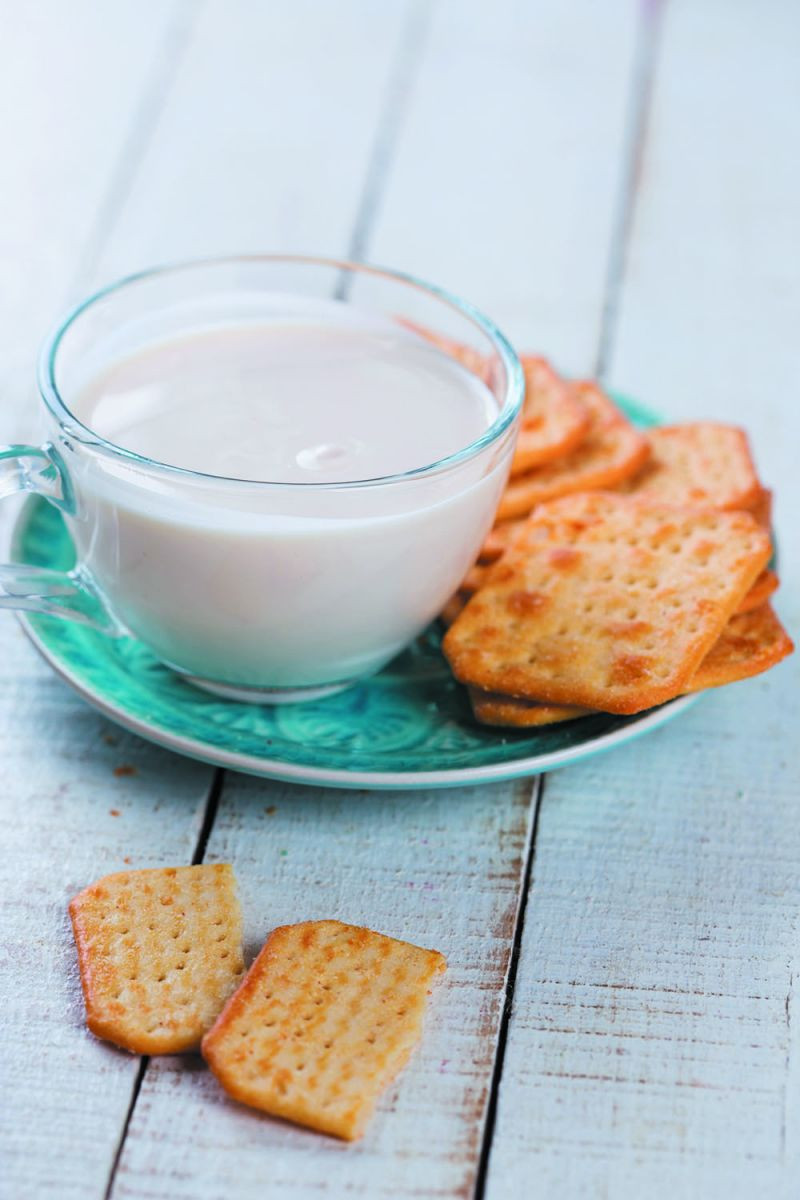
What to do when your medication causes nausea
Taking your pills with a light snack or at bedtime may help reduce the nausea.
You take medication hoping it will make you feel better. But sometimes it makes you feel worse. "Nausea is one of the most common side effects of medications we hear about," says Joanne Doyle Petrongolo, a pharmacist at Harvard-affiliated Massachusetts General Hospital.
About nausea
Nausea is a queasy feeling in your stomach — you may feel seasick, or you may feel you're about to vomit. Medications that commonly cause nausea as a side effect include antibiotics, such as erythromycin (Erythrocin); aspirin; nonsteroidal anti-inflammatory drugs (NSAIDs), such as ibuprofen (Advil, Motrin) or naproxen (Aleve); and some blood pressure drugs, such as the calcium-channel blocker nifedipine (Nifedical, Procardia).

Ask the doctor: Why is peanut butter "healthy" if it has saturated fat?
Q. I keep reading that peanut butter is a healthy food. But it contains saturated fat and has more sodium than potassium. That doesn't sound healthy to me. Is peanut butter good for you?
A. The presence of saturated fat doesn't automatically kick a food into the "unhealthy" camp. Olive oil, wheat germ, and even tofu — all "healthy" foods — have some saturated fat. It's the whole package of nutrients, not just one or two, that determines how good a particular food is for health.

Why not flaxseed oil?
There's no mercury to worry about, and flaxseed oil does contain omega-3 fats...but not the best kind.
Troll the medical literature, and you'll come up with study after study showing that fish and fish oil are good for us, especially for our hearts but maybe also for our moods and immune systems. Various epidemiologic investigations have found that people who eat fish regularly are less likely to have heart attacks, suffer strokes, or die from sudden cardiac arrest. The definition of "regularly" varies, but it usually means at least a couple of times a week, although eating fish even once a month has been shown to make a difference.
Fish, and especially fish oil, have also been the subject of dozens of randomized clinical trials, most involving people with existing heart conditions. In large amounts (several grams a day), fish oil has been shown to nudge various cardiac risk factors ("good" HDL cholesterol, triglycerides, blood pressure) in the right direction.


What do the measles outbreaks mean for me?
Ask the doctor
Q. I hear that there are outbreaks of measles in the United States. I think I had measles when I was young, but I'm not sure. Do I need to worry?
A. The measles virus has been infecting humans for at least 1,000 years. When I was very young, in the 1940s, I got the measles. So did nearly every kid I knew; it is very contagious. I had a high fever, sneezing, coughing, very red eyes, and then a rash on my face and all over my body. Fortunately, I didn't develop the severe complications of measles: pneumonia (which affects one in 20 people with measles) or encephalitis (which affects one in 1,000 and can be fatal). Still, I was miserable for more than a week.

New thinking on daily food goals
Stop aiming for a particular amount of servings in each food category and focus on total daily intake.
Trying to hit the mark on a healthy diet can be challenging. You need to eat enough of the right foods to meet your body's vitamin and mineral needs.
Experts have tried to guide us over the years by recommending goals of daily food servings — such as five to eight servings of fruits and vegetables per day. But your idea of serving sizes may differ from someone else's. That's led to confusion and, now, change.
Hip bursitis vs. arthritis: How to tell the difference
Fitness for longevity: Which type matters most?
Ministrokes linked to elevated risk of dementia
Continuous glucose monitors benefit people who don't need insulin
CoQ10: Should you take this popular supplement if you're on a statin?
Microplastics: A hidden health threat?
Oat vs. dairy milk: Nutrition, benefits, and downsides
What is tempeh? Benefits, nutrition, and how to use it
Healing after food poisoning
Whole grains may improve several heart risk factors at once
Free Healthbeat Signup
Get the latest in health news delivered to your inbox!
Sign Up
