

Hip bursitis vs. arthritis: How to tell the difference

Fitness for longevity: Which type matters most?

Ministrokes linked to elevated risk of dementia

Continuous glucose monitors benefit people who don't need insulin

CoQ10: Should you take this popular supplement if you're on a statin?

Microplastics: A hidden health threat?

Oat vs. dairy milk: Nutrition, benefits, and downsides

What is tempeh? Benefits, nutrition, and how to use it

Healing after food poisoning

Whole grains may improve several heart risk factors at once
Vitamins, minerals & supplements Archive
Articles

Fiber-full eating for better health and lower cholesterol
Most Americans don't eat enough fiber, and many people say it's because they are worried about eating too many carbs, but eating the right kind of carbs is the key, and it's not that difficult to meet the recommended daily amount.

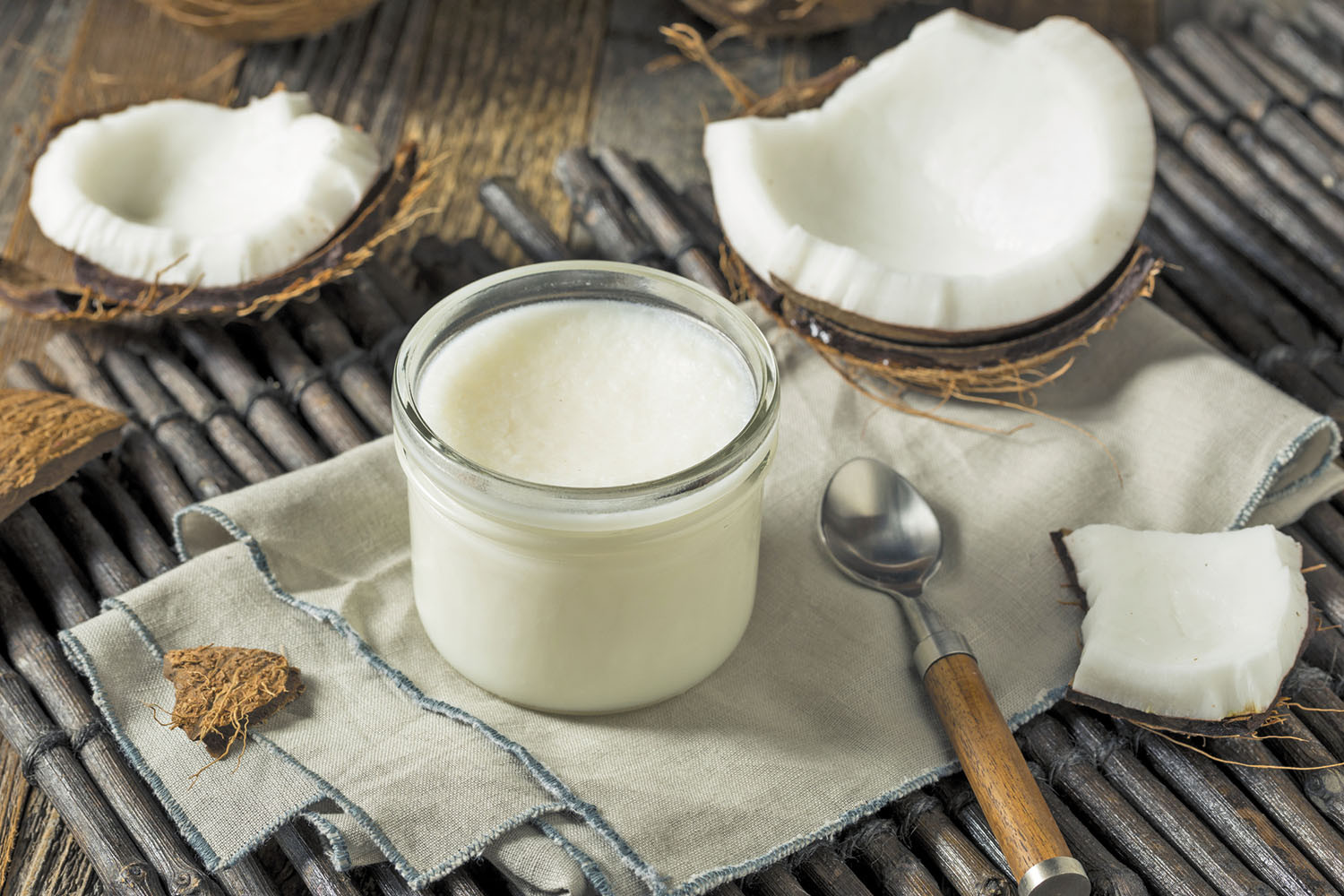
5 food and drink fads you can skip
Trendy isn't necessarily healthy. Consider alternatives instead.
It's fun to try new foods once in a while. But when a flashy food fad gets your attention, be careful. Just because a particular food or drink is showing up everywhere doesn't mean it's healthy. Here are five trends you can probably skip.
1. Vitamin-enhanced water
Vitamin-enhanced waters have names like Propel Vitamin Boost and Vitaminwater, and they promise lots of vitamins (like B, C, and E) and minerals (like magnesium, calcium, and potassium) in every gulp. But don't start guzzling. "There aren't enough nutrients added to these waters to make a difference in your health. I saw one product with 10 milligrams of potassium. The recommendation for daily potassium is 4,700 milligrams per day," says registered dietitian Kathy McManus, director of the Department of Nutrition at Harvard-affiliated Brigham and Women's Hospital. "You'll get more far more nutrients from a healthy diet."

Fight back against muscle weakness
Pinpoint the cause and take steps to preserve your mobility and independence.
Muscle weakness is sneaky. It often appears gradually and makes once-simple tasks harder — like having to rock back and forth to get out of a chair or tug a few times on the car door to open it.
More than an inconvenience, muscle weakness has a domino effect on health. It slows your metabolism (how fast your body burns energy), puts more pressure on your joints, hurts your posture, throws off your balance, and limits your mobility.

Taking medications on the road
Ask questions about rules, and get supplies in advance.
When it's time for an overnight or extended trip, there are lots of things to pack — your clothes, toiletries, and maybe important documents. But sometimes medicine isn't at the top of the list. "I hear about people forgetting medications at home, not bringing enough for the whole trip, or packing them in a suitcase that gets lost," says Dr. Suzanne Salamon, associate chief of gerontology at Harvard-affiliated Beth Israel Deaconess Medical Center.
Whether you're staying across town or traveling around the world, consider the following strategies to help you maintain your medication regimen.

Want to live longer? Rethink sugary drink consumption
News briefs
Drinking lots of sugary drinks — like soda, fruit punch, lemonade, or sports drinks — is associated with many health problems, such as weight gain and an increased risk for diabetes, heart disease, or stroke. But a Harvard-led observational study published March 18, 2019, in Circulation finds an even graver tie, linking sugar-sweetened beverage consumption to an early death. Researchers analyzed the data from two large studies of more than 110,000 men and women who responded to questionnaires about their lifestyle and health for about three decades or longer. The more sugary drinks participants consumed, the higher their risk for death from any cause during the study period. For example, compared with people who rarely drank sugary beverages, those who drank two to six sugary drinks per week had a 6% increased risk for an early death; those who drank two or more sugary drinks per day had a 21% increased risk for an early death, especially from cardiovascular disease (and especially among women). Drinking four or more artificially sweetened drinks per day (but not lesser amounts) also was tied to a slightly higher risk for early death. Best advice: avoid sugary drinks of any kind, and avoid drinking more than one artificially sweetened beverage per day.
Image: © Eivaisla/Getty Images

Fermented foods: Favorable for heart health?
So far, the evidence that foods and drinks rich in good bacteria can improve cardiovascular health is promising but limited.
A number of foods — yogurt, sauerkraut, as well as some less-familiar ones such as kimchi and tempeh — are made by fermentation, an age-old tradition for preserving food. These foods, as well as the fermented drinks kombucha and kefir, have been getting buzz in recent years, mostly focused on their potential to enhance gut health. Fermented products contain naturally occurring beneficial bacteria known as probiotics, which are thought to improve digestion.
Probiotics found in fermented foods may also provide modest heart-related benefits, according to a review article published in the Journal of the American College of Cardiology last year. One study found that eating kimchi (see "What are fermented foods?") daily helped people lose weight and lowered their blood pressure. Another noted improvement in blood sugar and cholesterol levels.

Sugary drinks linked to higher risk of dying from heart disease
Research we're watching
Frequently drinking sugary beverages such as sodas and sports drinks may raise a person's risk of dying from heart disease, new research finds.
For the study, published in the March 18 issue of Circulation, researchers analyzed data from more than 118,000 health professionals over a period of more than three decades. After adjusting for other diet, health, and lifestyle factors, they found that the more sugary drinks people consumed, the higher their risk of dying from any cause — but especially cardiovascular disease. Compared with people who rarely drank sugar-sweetened beverages, those who drank two or more per day were about one-third more likely to die of heart disease or a stroke.

Heart attacks: Less frequent and less deadly than 20 years ago
Research we're watching
Fewer older adults are having heart attacks, and more are surviving them, according to a study published March 15 in JAMA Network Open.
Researchers analyzed data from more than 4.3 million people ages 65 and older who had suffered heart attacks over a 20-year period beginning in 1995. Back then, 20% of those included in the study died from their heart attacks. By 2014, that number had fallen to 12%.
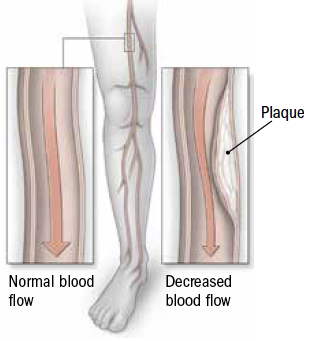
A leg up on peripheral artery disease
The condition causes leg pain and fatigue that make activity difficult, but lifestyle changes can improve how you feel.
The occasional leg pain or stiffness is often not cause for concern, but if pain or fatigue develops after just a few minutes of walking or climbing stairs, it could be an early sign of peripheral artery disease (PAD).
"PAD not only interferes with an active lifestyle, but also can put you at higher risk for a heart attack and stroke," says Dr. Michael Belkin, chief of the Division of Vascular and Endovascular Surgery with Harvard-affiliated Brigham and Women's Hospital. "You can't cure PAD once it occurs, so you want to take measures to avoid it as much as possible."
Hip bursitis vs. arthritis: How to tell the difference
Fitness for longevity: Which type matters most?
Ministrokes linked to elevated risk of dementia
Continuous glucose monitors benefit people who don't need insulin
CoQ10: Should you take this popular supplement if you're on a statin?
Microplastics: A hidden health threat?
Oat vs. dairy milk: Nutrition, benefits, and downsides
What is tempeh? Benefits, nutrition, and how to use it
Healing after food poisoning
Whole grains may improve several heart risk factors at once
Free Healthbeat Signup
Get the latest in health news delivered to your inbox!
Sign Up
