

Hip bursitis vs. arthritis: How to tell the difference

Fitness for longevity: Which type matters most?

Ministrokes linked to elevated risk of dementia

Continuous glucose monitors benefit people who don't need insulin

CoQ10: Should you take this popular supplement if you're on a statin?

Microplastics: A hidden health threat?

Oat vs. dairy milk: Nutrition, benefits, and downsides

What is tempeh? Benefits, nutrition, and how to use it

Healing after food poisoning

Whole grains may improve several heart risk factors at once
Vitamins, minerals & supplements Archive
Articles

Look out for Lyme
Here's how to protect yourself from this growing tick-borne disease.
Summer is the ideal time to enjoy the outdoors, but while you're interacting with nature, you need to look out for ticks that carry Lyme disease, the most common tick-borne disease in the United States.
About 300,000 people are diagnosed with Lyme disease each year, according to the CDC, and new research suggests that number will rise by 20% by mid-century.
Blueberries may help lower blood pressure
In the journals
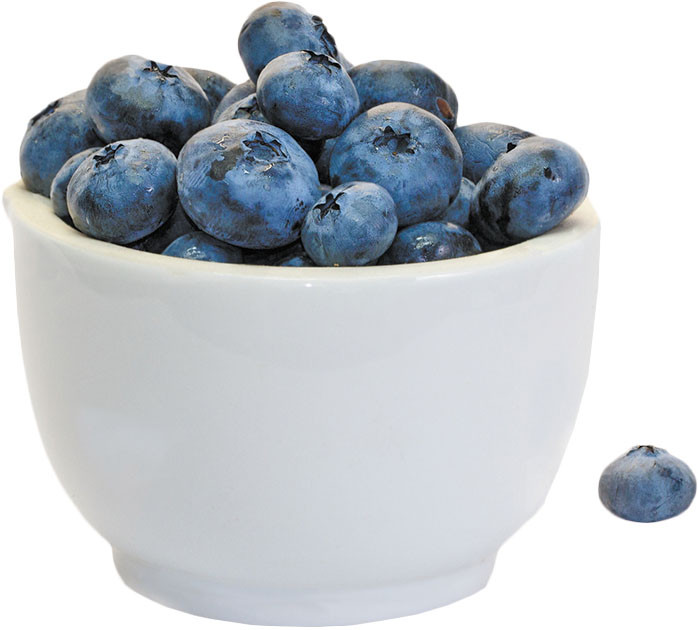
Eating a cup of blueberries every day may help your blood pressure, suggests a new study. The results, published online Feb. 16, 2019, by The Journals of Gerontology, Series A: Biological Sciences and Medical Sciences, found that consuming 200 grams of blueberries (about one cup) daily can improve blood vessel function and decrease systolic blood pressure (the top number in a blood pressure reading).
Researchers recruited 40 healthy men and randomly gave them either a drink containing 200 grams of whole wild blueberries or a control drink (which looked and tasted much the same) every day for a month. The team also monitored the men's blood pressure as well as the flow-mediated dilation of the brachial artery in their upper arms. This measures how the artery widens when blood flow increases and is a marker of reduced cardiovascular disease risk.

Is under-the-tongue allergy therapy safe and effective?
Ask the doctors
Q. I have seasonal allergies and I'm thinking about getting allergy shots to control them. But I hate shots and would prefer the sublingual treatments. Are these treatments considered equally safe and effective?
A. The short answer to your question is yes. Sublingual allergy treatments, which are small doses of allergens administered as tablets or liquid drops under the tongue, are considered safe and effective compared with allergy shots.
Is lack of exercise a problem if I'm at my ideal weight?
Ask the doctors
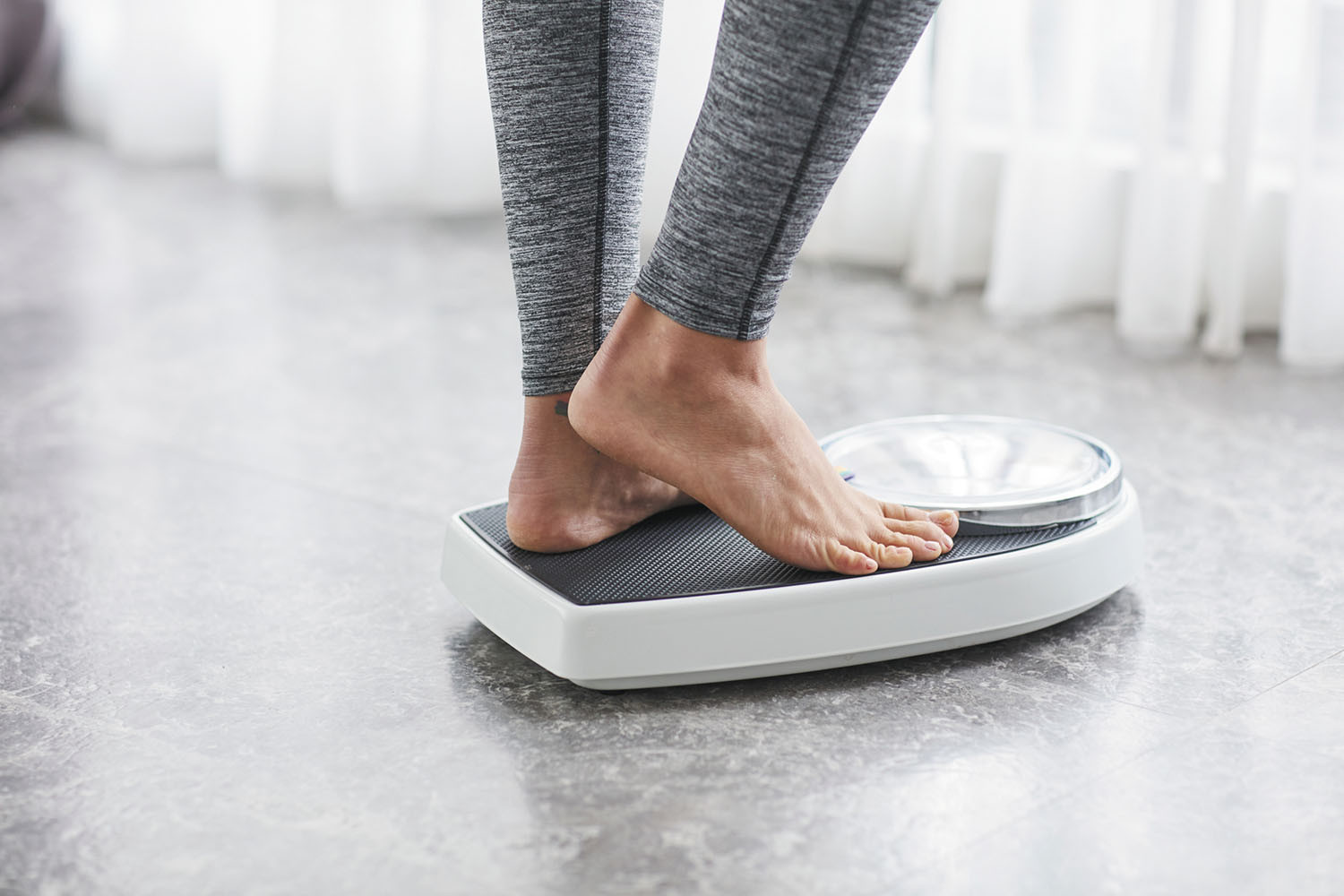
Q. I don't need to lose weight, so I don't exercise very often, but I maintain a healthy diet. Could my lack of exercise lead to health problems?
A. Exercise is essential for good health — even if you're not overweight. This point is illustrated by a recent study, published March 1 in The American Journal of Cardiology. It found that 30% of normal-weight people who were sedentary had the same risk of heart attack and stroke as people who were overweight. In short, just being at a healthy weight didn't necessarily ensure that someone was in good health. In addition to having a higher risk of serious cardiovascular events, some inactive but normal weight people were also more likely to have labored breathing during exercise and a larger-than-recommended waist circumference, compared with normal-weight adults who exercised regularly.
Simple strategies to stop stress-related overeating
Managing emotionally driven weight gain requires planning ahead.
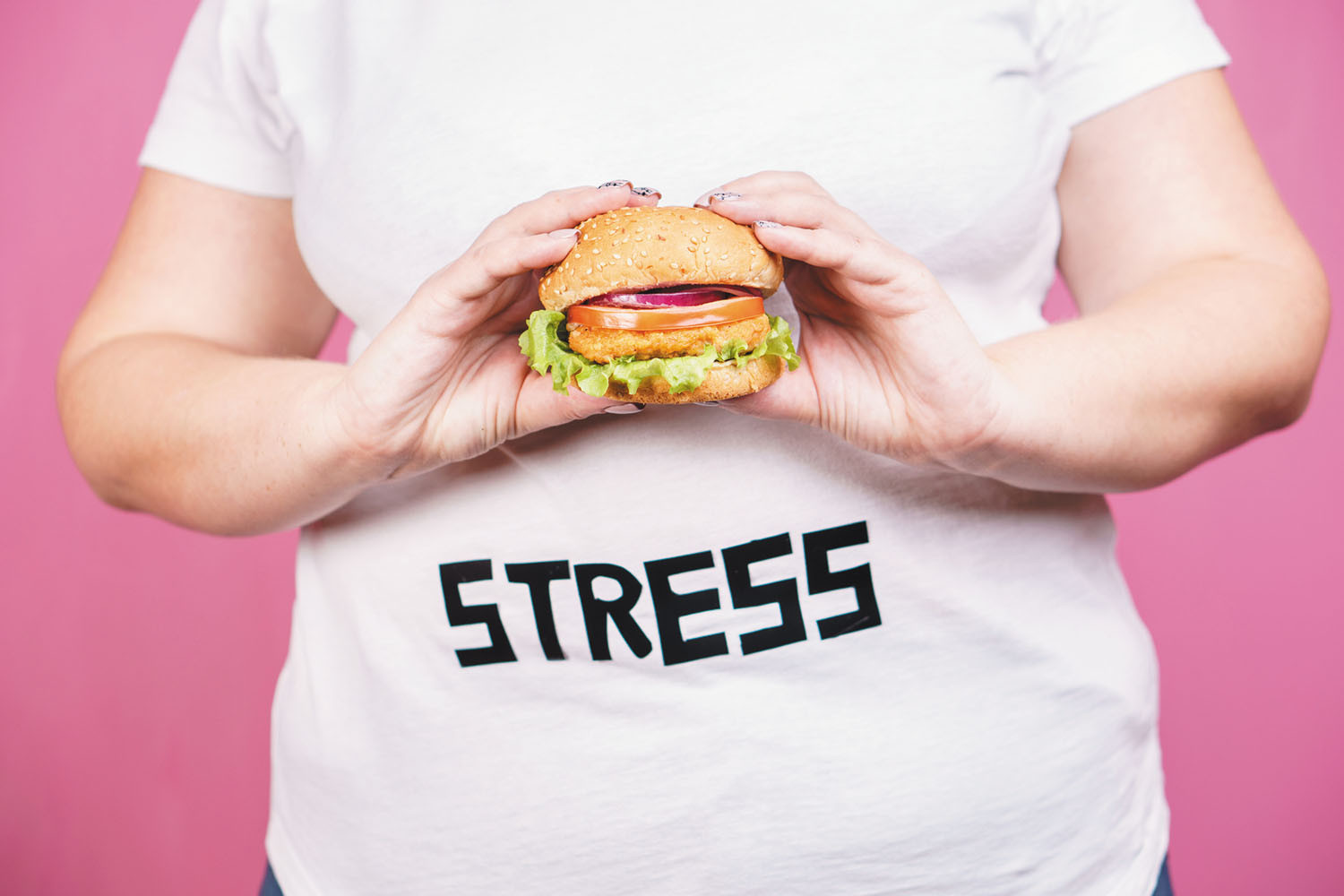
How much and when you eat isn't driven just by hunger, which you likely already know if you've ever found yourself hunched over a bowl of ice cream after having a particularly stressful day. Stress can set off a cascade of physical reactions in your body that may not only drive you to eat more and make you crave less nutritious, fattening comfort foods, but also help you pack on extra pounds much more easily.
"Stress drives up levels of a hormone called cortisol in the blood," says Dr. Fatima Cody Stanford, an instructor in medicine at Harvard Medical School. Cortisol is a hormone produced by the adrenal gland that helps to regulate your metabolism. It also plays a role in blood sugar management and memory. When levels of cortisol rise, it can promote inflammation and may spur the body to start stockpiling fat around the midsection. "Stress might also disrupt sleep and drive people to seek out food when they wouldn't normally — such as in the middle of the night," says Dr. Stanford.

Healthy individuals don't need low-dose aspirin therapy
Research we're watching
If you're healthy and don't have a history of cardiovascular disease, daily low-dose aspirin is no longer recommended as a preventive measure, says a new guideline released by the American Heart Association and American College of Cardiology. The risks of internal bleeding and other side effects outweigh the benefits of aspirin in this group.
The new guideline, which was based on numerous recent studies, does not apply to people who have had a heart attack or stroke or who have undergone a bypass procedure. The recommendation to take low-dose aspirin therapy in this group is unchanged.
Legume of the month: Peanuts
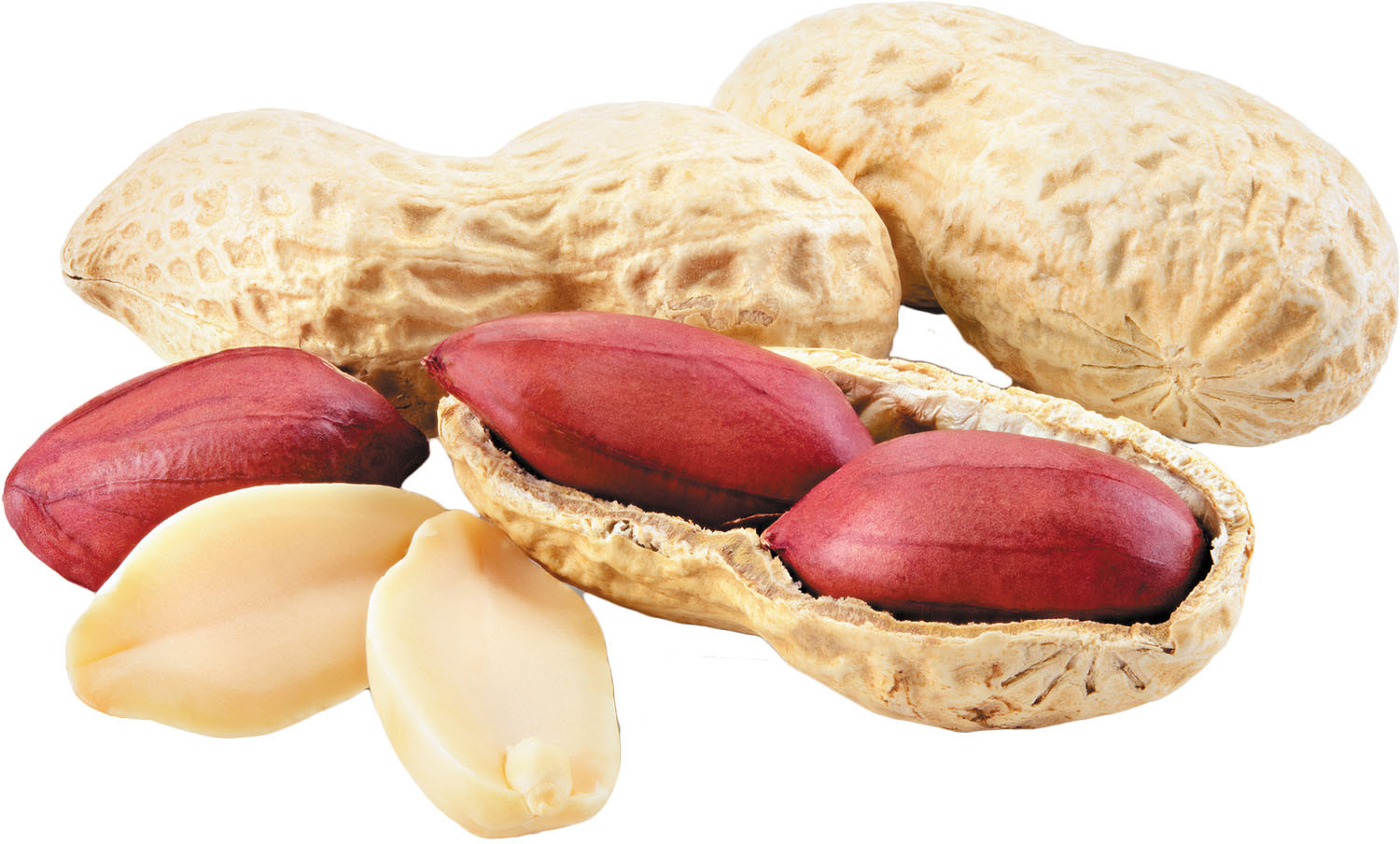
Even though "nut" is in its name, a peanut is actually a legume. Like soybeans, lentils, and other legumes, peanuts are edible seeds that grow in pods. Still, most people think of them as nuts, along with tree nuts such as walnuts, almonds, and hazelnuts. (Unlike other legumes, which grow on vines or shrubs, peanuts grow underground.)
Nutritionally speaking, peanuts and tree nuts are fairly similar: they're all rich in healthy unsaturated fats and fiber, as well as several vitamins and minerals. Numerous studies suggest that people who eat peanuts or tree nuts frequently have lower rates of heart disease compared with people who rarely eat them. One added bonus for peanuts: they're not as pricey as tree nuts, making them a more affordable addition to your daily menu.
Ask the doctor: Are raw oats better than cooked oats?
Q. My family has squabbled about oats for some time. Some members say that to get the biggest health benefit from oats you need to eat them raw, at room temperature, and moistened with water. Others say they should be cooked. Does cooking take something beneficial out of oats? Can you bring us some peace at breakfast time?
A. Eating a bowl of raw oats "moistened with water" doesn't sound all that appetizing. And I am not sure it makes sense from a nutrition perspective. Normal cooking takes little away from oats. In fact, cooking helps release some nutrients that your body can't extract from raw oats.

Public policies to stop kids from drinking sugary drinks
Concern about the amount of sugar in kids’ diets has led the American Academy of Pediatrics and the American Heart Association to encourage the consideration of steps to reduce the consumption of sugary drinks among children and teens.

Undoing the harm: Tapering down from high-dose opioids
The CDC’s Guideline on Prescribing Opioids for Chronic Pain helps doctors and patients manage treatment at safe levels and avoid dependence. Any plan to taper medication dosage should be personalized to the patient’s needs.
Hip bursitis vs. arthritis: How to tell the difference
Fitness for longevity: Which type matters most?
Ministrokes linked to elevated risk of dementia
Continuous glucose monitors benefit people who don't need insulin
CoQ10: Should you take this popular supplement if you're on a statin?
Microplastics: A hidden health threat?
Oat vs. dairy milk: Nutrition, benefits, and downsides
What is tempeh? Benefits, nutrition, and how to use it
Healing after food poisoning
Whole grains may improve several heart risk factors at once
Free Healthbeat Signup
Get the latest in health news delivered to your inbox!
Sign Up
