

Hip bursitis vs. arthritis: How to tell the difference

Fitness for longevity: Which type matters most?

Ministrokes linked to elevated risk of dementia

Continuous glucose monitors benefit people who don't need insulin

CoQ10: Should you take this popular supplement if you're on a statin?

Microplastics: A hidden health threat?

Oat vs. dairy milk: Nutrition, benefits, and downsides

What is tempeh? Benefits, nutrition, and how to use it

Healing after food poisoning

Whole grains may improve several heart risk factors at once
Vitamins, minerals & supplements Archive
Articles

The combo of Mediterranean diet and statins can protect against a fatal second heart attack
In the journals
People who have had a heart attack or a stroke are routinely prescribed a statin to reduce the risk of a repeat event. But by also following a Mediterranean-style diet, they can improve their chance of living longer, suggests a study in the Feb. 1, 2019, issue of the International Journal of Cardiology.
The study looked at 1,180 people, average age 68, who had at least one previous heart attack or stroke, and recorded their statin use and diet intake at the study's beginning. The researchers identified the people who faithfully followed a Mediterranean-style diet. A Mediterranean-style diet involves consuming medium to high amounts of whole fruits and vegetables, whole grains, legumes and nuts, olive oil, and poultry and fish, with limited amounts of red meat, alcohol, and dairy.
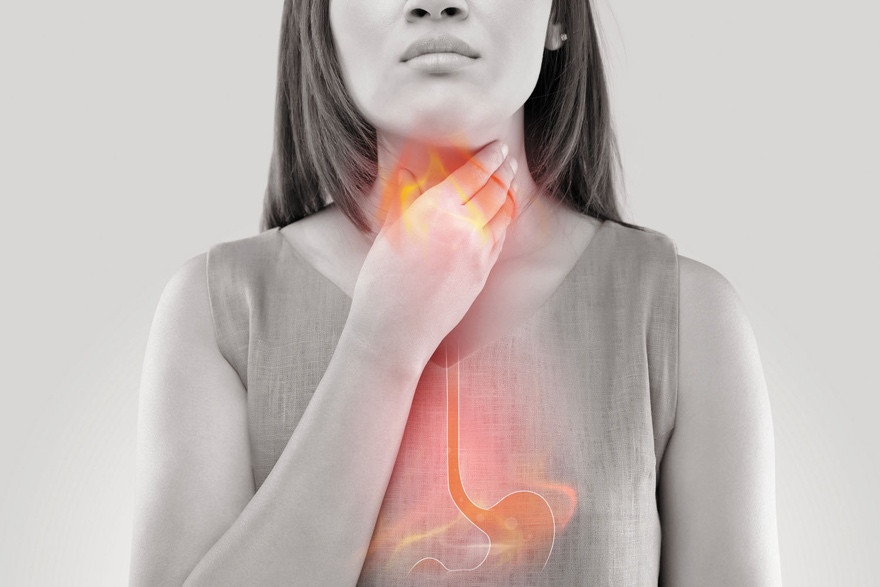
Feeling the burn? Antacids can provide some relief
But these remedies aren't the best choice if you have frequent heartburn.
You feel the familiar sensation in your chest: heartburn. Again, you find yourself reaching for the bottle of antacids in the medicine cabinet. It's something you've done a few times a week for the past six months. Is it okay to keep popping over-the-counter acid reducers, or is it time to see a doctor?
We asked two experts, Dr. Jennifer Nayor and Dr. Molly Linn Perencevich, both instructors in medicine at Harvard Medical School, for their thoughts on heartburn, including when it's okay to use over-the-counter antacids and when you should seek other treatments. Below are their responses.

Can I prevent diverticulitis?
Ask the doctors
Q. I recently had diverticulitis. I'd like to avoid a recurrence. Is there anything I can do to prevent this painful condition in the future?
A. As people age, small pouches often form in the wall of the large intestine, a condition called diverticulosis. If food or bacteria become trapped in these pouches, they can become inflamed or infected, which is known as diverticulitis.

Should you be taking an omega-3 supplement?
The answer to that question is becoming clearer, thanks to new research.
Some 10% of American adults regularly take an omega-3 supplement, despite uncertainty about whether these products truly live up to their health claims. But two new studies published in November 2018 shed some light on who might benefit from omega-3 supplements — and who probably won't.
VITAL
The first study was the Vitamin D and Omega-3 Trial (VITAL), a large multiyear study with 25,871 healthy adults with no history of cardiovascular (heart or blood vessel–related) disease and at "usual risk" for it. The group was racially diverse and chosen to be representative of the general population, says the study's lead author Dr. JoAnn E. Manson, professor of medicine and the Michael and Lee Bell Professor of Women's Health at Harvard Medical School.

High-fiber diet protects against cardiovascular problems
Research we're watching
Want to reduce your risk of cardiovascular disease, diabetes, and colorectal cancer? Eat more fiber, says a meta-analysis published online January 10 by The Lancet.
Authors reviewed data from 185 prospective studies and 58 clinical trials and found that people who ate the most fiber had a 15% to 30% lower risk of dying from cardiovascular disease or developing diabetes or colon cancer, compared with people in the study who ate the least. People appeared to get the biggest benefit when they ate between 25g and 29 g of fiber a day.


How medications can affect your balance
Medications can be lifesaving by performing critical tasks such as keeping blood sugar at safe levels, hearts thumping rhythmically, and moods afloat. Yet side effects and interactions between drugs (both prescription and nonprescription drugs) may increase your fall risk in numerous ways. Prime examples include blurred vision, dizziness or lightheadedness stemming from low blood pressure, drowsiness, delirium, and impaired alertness or judgment. Some medications may affect the inner ear, spurring temporary or permanent balance disorders.
Often, problems stem from the sheer number of medicines you take, rather than a single drug. According to a national health survey, a third of 45- to 64-year-olds and two-thirds of people 65 and older take three or more prescription drugs over the course of a month. And 16% of 45- to 64-year-olds, as well as 39% of people 65 and over, take five or more drugs. Some gerontologists say they rarely see patients who take fewer than six or seven. Taking many medications at the same time can boost the severity and frequency of side effects among people of any age. Older adults are especially vulnerable, because people's bodies absorb and respond to drugs differently with age.



Food truck fare: Trendy eats, but are they safe?
Pay attention to healthy ingredients, inspection documents, and online reviews.
Image: © valentinrussanov/Getty Images
Food trucks — once the catering staples of construction sites — are no longer just about convenience. These rolling kitchens bring innovative gourmet food to busy streets and crowded parking lots, with diverse menus that attract hordes of hungry customers and discerning foodies.
But as popular as food trucks are — nationally, a billion-dollar industry that defines the landscape in places like Los Angeles; Miami; Austin, Tex.; and Portland, Ore. — they still serve restaurant fare, which is typically loaded with saturated fat, salt, refined carbo-hydrates, sugar, and calories.
Hip bursitis vs. arthritis: How to tell the difference
Fitness for longevity: Which type matters most?
Ministrokes linked to elevated risk of dementia
Continuous glucose monitors benefit people who don't need insulin
CoQ10: Should you take this popular supplement if you're on a statin?
Microplastics: A hidden health threat?
Oat vs. dairy milk: Nutrition, benefits, and downsides
What is tempeh? Benefits, nutrition, and how to use it
Healing after food poisoning
Whole grains may improve several heart risk factors at once
Free Healthbeat Signup
Get the latest in health news delivered to your inbox!
Sign Up
