

Hip bursitis vs. arthritis: How to tell the difference

Fitness for longevity: Which type matters most?

Ministrokes linked to elevated risk of dementia

Continuous glucose monitors benefit people who don't need insulin

CoQ10: Should you take this popular supplement if you're on a statin?

Microplastics: A hidden health threat?

Oat vs. dairy milk: Nutrition, benefits, and downsides

What is tempeh? Benefits, nutrition, and how to use it

Healing after food poisoning

Whole grains may improve several heart risk factors at once
Vitamins, minerals & supplements Archive
Articles

Medications we're watching
News briefs
Three newly approved medications are garnering national attention. The first is an oral form of a powerful opioid painkiller that's been available by injection since 1984. Dsuvia is the sublingual (under the tongue) version of sufentanil, and it was approved by the FDA in November 2018. Dsuvia is 1,000 times more potent than morphine. The FDA says it may be helpful for use on the battlefield or in hospitals. Critics worry the drug will wind up on the streets, furthering the country's opioid crisis. Another medication of note is the first prescription drug made from marijuana. The FDA approved cannabidiol (Epidiolex) in June 2018 for the treatment of seizures associated with rare forms of epilepsy. The medication is made from a component of marijuana that does not cause intoxication or euphoria. And finally, baloxavir marboxil (Xofluza), the first new antiviral in 20 years to help fight the flu, received FDA clearance in October 2018. The drug is a one-dose pill that may help shorten the duration of the flu if it's taken within 48 hours of the start of symptoms. One caution: the new antiviral has not yet been tested in older adults, so talk to your doctor if the drug is prescribed and you have concerns.
Image: SheilaFitzgerald/Thinkstock

Choosing oils for cooking: A host of heart-healthy options
Olive oil is just one of many plant-based oils rich in unsaturated fats, the more healthful type of fat.
When you're cooking or baking, choose a fat that's liquid instead of solid at room temperature. That advice, from the federal Dietary Guidelines for Americans, is based on a large body of evidence showing that replacing solid fat (mainly saturated fat) with liquid fat (mostly unsaturated fat) is linked to a lower risk of heart attack and death from heart disease.
To be clear, all fat — whether it comes from seeds, nuts, meat, milk, olives, or avocados — contains a mixture of different fatty acids, the basic building blocks of fats. However, butter, lard, coconut oil, and palm oil contain mostly saturated fatty acids. Most plant-based oils, on the other hand, consist predominantly of unsaturated fatty acids, which include both monounsaturated and polyunsaturated fatty acids (see "The fats of life: Healthy oils").
Legume of the month: White beans
Image: © ALLEKO/Getty Images
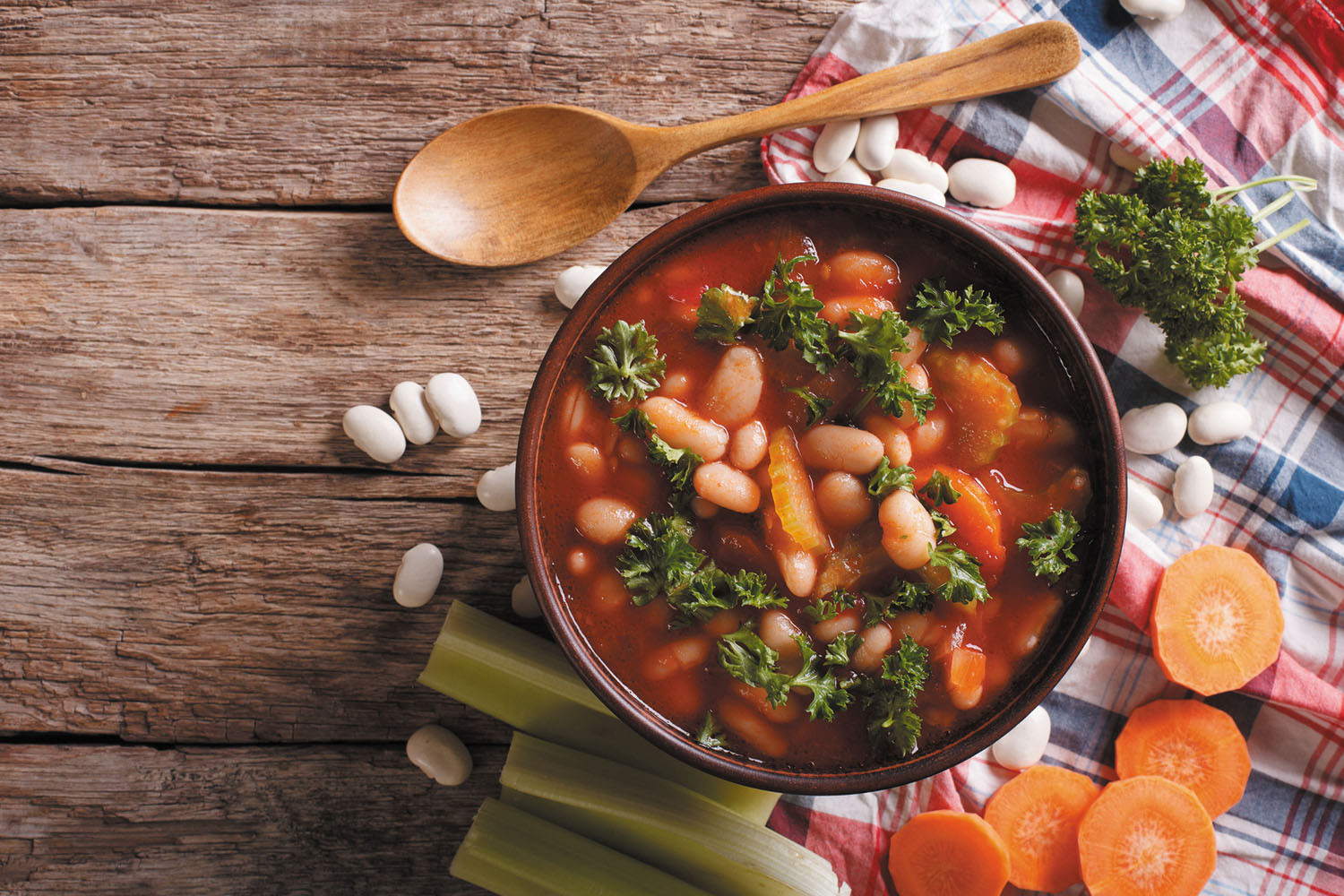
All beans are rich in fiber, but the top-ranking variety is the navy bean, allegedly named for its popularity in the U.S. Navy in the early 20th century. These pea-sized, cream-colored beans provide 10 grams of fiber per half-cup serving. Most Americans are woefully deficient in dietary fiber, which helps lower harmful LDL cholesterol and is linked to a lower risk of heart disease.
Navy beans are just one of many varieties of white beans, which include cannellini, great northern, and white kidney beans. Cook's Illustrated magazine describes cannellini beans as having a "meaty, lush texture with a buttery, subtle mushroomlike flavor" whereas great northerns are "slightly chalky and mealy, with strong mineral notes." Lima and baby lima beans (also known as butter beans) are also considered white beans.

Less heart-damaging inflammation with a vegan diet?
Research we're watching
Image: © Anna_Shepulova/Getty Images
A vegan diet may help lower heart-damaging inflammation more than the diet recommended by the American Heart Association (AHA), a new study finds.
The study included 100 people with heart disease, which was defined as having at least one narrowed heart artery. Half were randomly selected to follow a vegan diet, which excludes meat, poultry, dairy, eggs, seafood, and fish. The others followed the AHA diet, which encourages lean poultry, fish, and low-fat dairy products, along with plant-based foods. All of the participants received weekly groceries, a cookbook, and sample menus. They also provided 24-hour diet recall records twice a week on random days.

Eating more fruits and vegetables may help men with memory loss
In the journals
Need another reminder to eat your fruits and vegetables? Doing so might lower your risk of memory loss, according to a study published online Nov. 21, 2018, by Neurology. The study looked at almost 28,000 men, average age 51, who filled out questionnaires every four years for 20 years about how many servings of fruits, vegetables, and other foods they ate each day. The participants also took tests of their thinking and memory skills at least four years before the end of the study, when the average age was 73.
The researchers found that men who consumed the most daily servings of vegetables and fruit (six or more servings) were less likely to develop poor thinking skills than the men who consumed the fewest (about two daily servings or less). A serving of fruit was defined as a cup of whole fruit or half a cup of fruit juice. A serving of vegetables was a cup of raw vegetables or two cups of leafy greens.
Mediterranean diet works by adding up small improvements
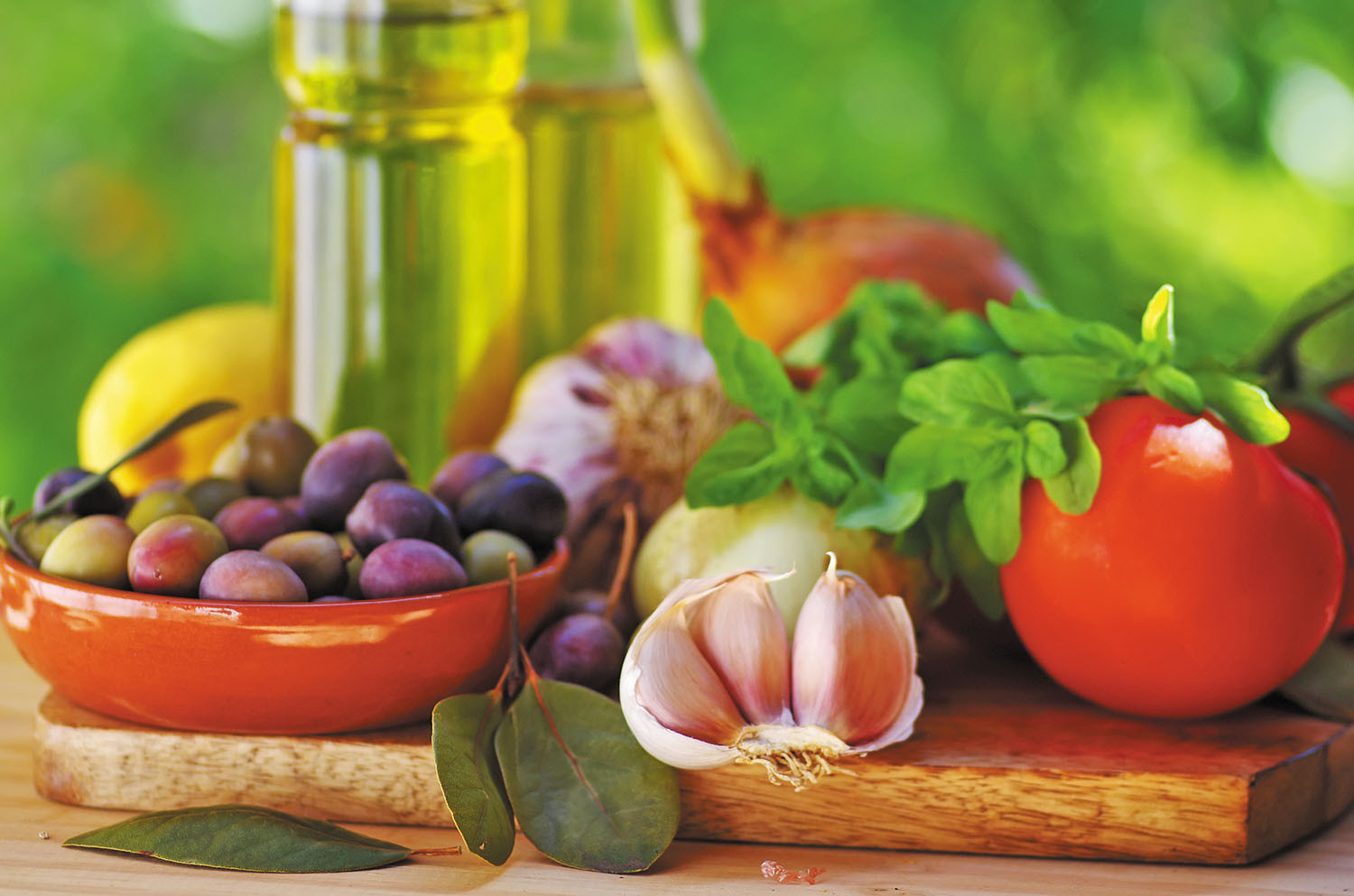
Over time, eating a diet high in vegetables, fruits, whole grains, and olive oil can reduce heart and blood vessel disease risks.
Image: © inaquim/Getty Images
Eating a Mediterranean-type diet won't suddenly and dramatically improve your cholesterol, magically slash your blood pressure, or help you drop 20 pounds overnight.
But if you stick with it over time, it can potentially cut your risk of heart and blood vessel diseases by as much as 25%, according to a study published online Dec. 7, 2018, by JAMA Network Open. This overall improvement may be due to the cumulative effect of numerous small positive changes that occur in the body as a result of the diet — most notably, a drop in chronic inflammation, a known risk factor for heart disease.

Study: Light pollution may trigger insomnia
Research we're watching
High exposure to bright, artificial outdoor lights during the night may result in sleepless nights for older adults. The more of this so-called light pollution that people were exposed to at night, the more they seemed to turn to medication to help them sleep, according to a study published in the Nov. 15, 2018, Journal of Clinical Sleep Medicine. People in brightly lit areas, as judged by satellite data, also seemed to take those drugs for longer and took higher doses than people who weren't exposed to nighttime light.
To come to their conclusions, the researchers looked at data on more than 50,000 adults ages 60 or older from the National Health Insurance Service–National Sample Cohort, a database of information collected on people who participated in health screenings between 2002 and 2013 in South Korea. Researchers compared the people's nighttime light exposure and their use of two sleep drugs, zolpidem (Ambien) and triazolam (Halcion).

FDA: Certain antibiotics may bring serious risks
Research we're watching
In December 2018, the FDA issued a warning about certain antibiotics known as fluoroquinolones, a drug class that includes ciprofloxacin (Cipro) and levofloxacin (Levaquin). The drugs are associated with rare ruptures or tears in the body's main artery, the aorta, which can cause serious, sometimes fatal bleeding. Cases were reported in people taking these antibiotics orally or by injection.
Because of this risk, the FDA is advising doctors to try to avoid prescribing these antibiotics to people who are at higher risk for problems with the aorta, unless there are no other antibiotics available to treat the infection. This includes people who have high blood pressure, certain genetic disorders (such as Marfan syndrome and Ehlers-Danlos syndrome), or a history of arterial blockages or aneurysms.

Hip bursitis vs. arthritis: How to tell the difference
Fitness for longevity: Which type matters most?
Ministrokes linked to elevated risk of dementia
Continuous glucose monitors benefit people who don't need insulin
CoQ10: Should you take this popular supplement if you're on a statin?
Microplastics: A hidden health threat?
Oat vs. dairy milk: Nutrition, benefits, and downsides
What is tempeh? Benefits, nutrition, and how to use it
Healing after food poisoning
Whole grains may improve several heart risk factors at once
Free Healthbeat Signup
Get the latest in health news delivered to your inbox!
Sign Up
