

Hip bursitis vs. arthritis: How to tell the difference

Fitness for longevity: Which type matters most?

Ministrokes linked to elevated risk of dementia

Continuous glucose monitors benefit people who don't need insulin

CoQ10: Should you take this popular supplement if you're on a statin?

Microplastics: A hidden health threat?

Oat vs. dairy milk: Nutrition, benefits, and downsides

What is tempeh? Benefits, nutrition, and how to use it

Healing after food poisoning

Whole grains may improve several heart risk factors at once
Vitamins, minerals & supplements Archive
Articles
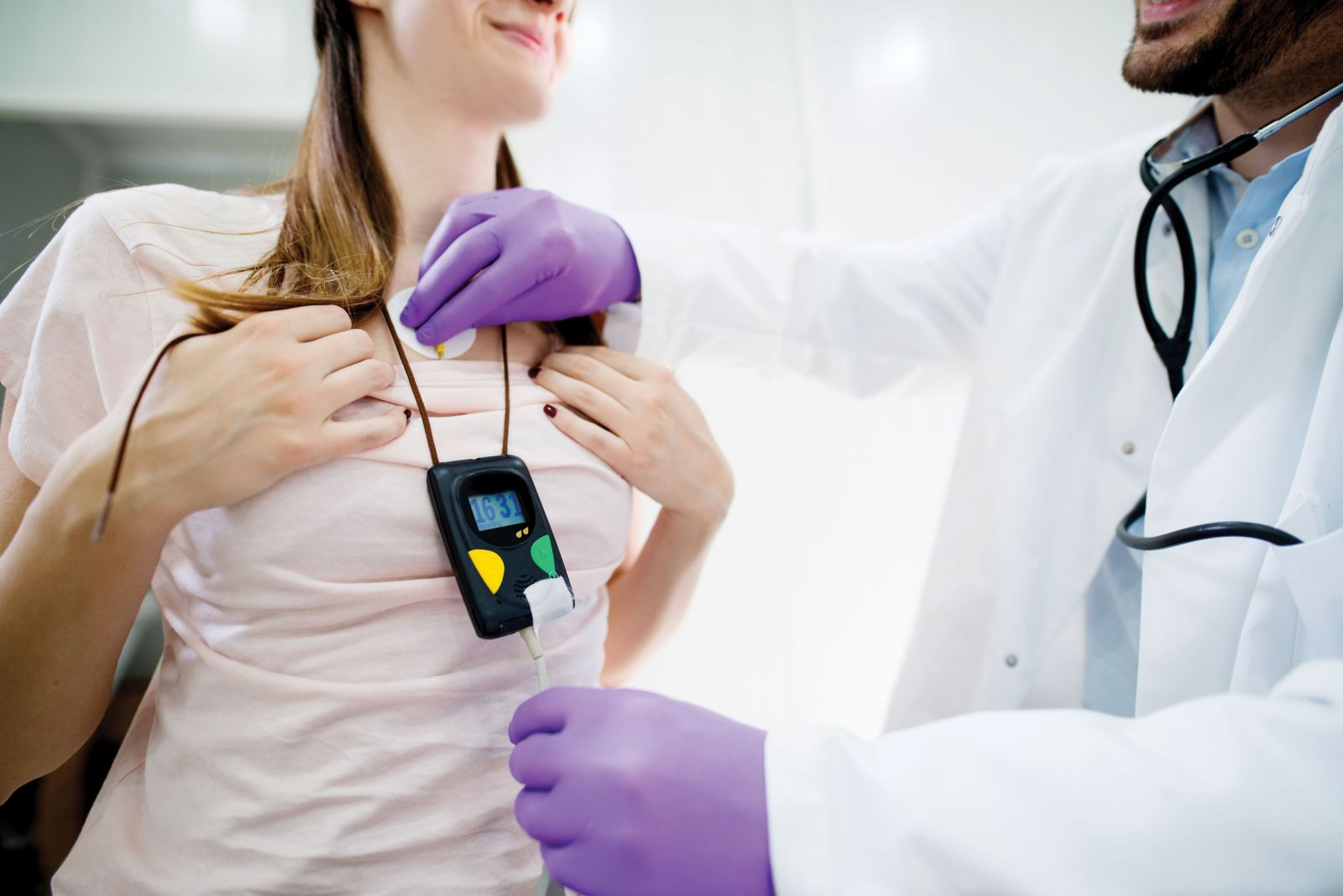
Heart palpitations: Mostly harmless
Occasionally these heart rhythm disruptions signal a more serious condition.
Image: © dusanpetkovic/Getty Images
Lately you've felt like a flipping fish is stuck inside your chest. You feel fine otherwise, but there it is again — flip, flop. It's gone as fast as it appears. But you're starting to worry: is it a sign of a serious heart problem?
Chances are what you're feeling is a condition called heart palpitations, which are usually harmless blips in the heart rhythm, explains Dr. Peter Zimetbaum, a professor of cardiovascular medicine at Harvard Medical School. Only occasionally are these rhythm disturbances the sign of a more serious heart problem that should be checked out.
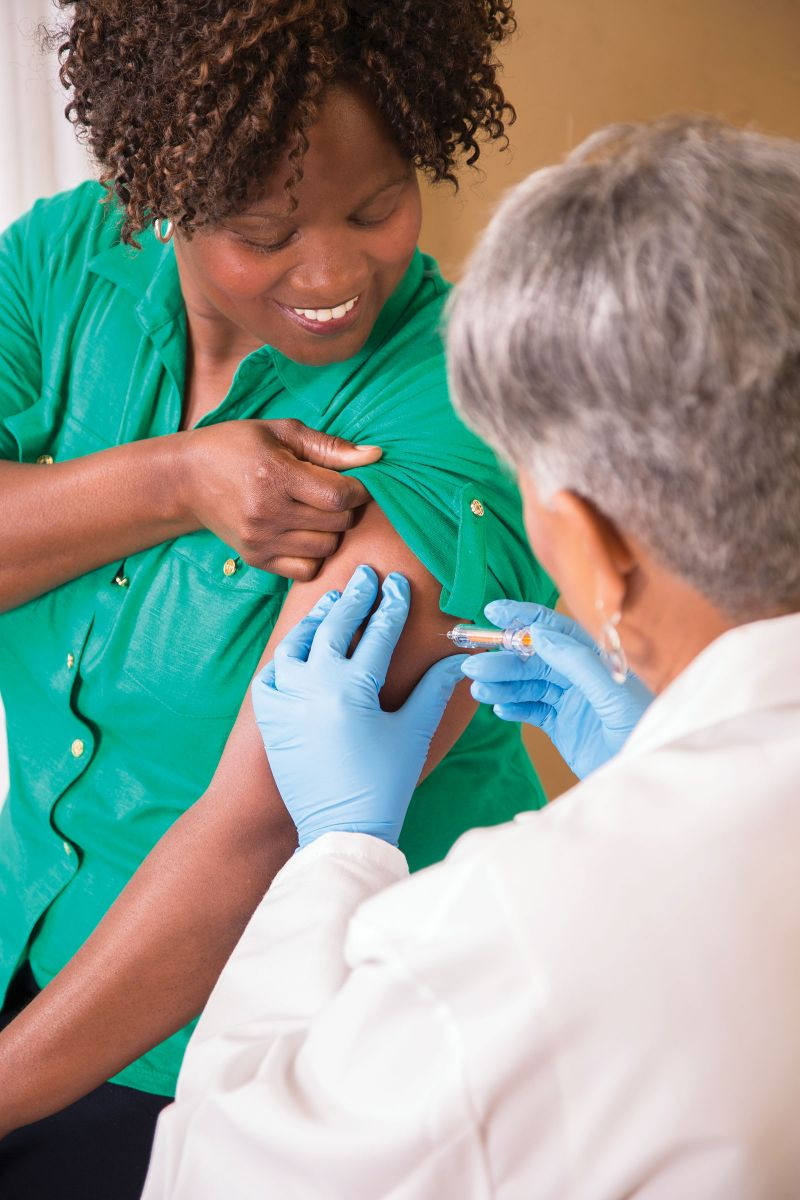
Tuberculosis vaccine shows promise in controlling blood sugar
Research we're watching
A long-used vaccine is showing promise in helping to restore near-normal blood sugar levels in people with advanced type 1 diabetes. Researchers from Harvard Medical School injected adults who had type 1 diabetes with two doses of the bacillus Calmette-Guérin (BCG) vaccine, which is traditionally used to prevent tuberculosis.
Participants in the study, all of whom had type 1 diabetes for many years, all showed significant improvements in their average blood sugar levels after the vaccination. The improvements lasted for the next five years. Researchers said that it appears the vaccine affected a metabolic mechanism that increases consumption of glucose by cells.

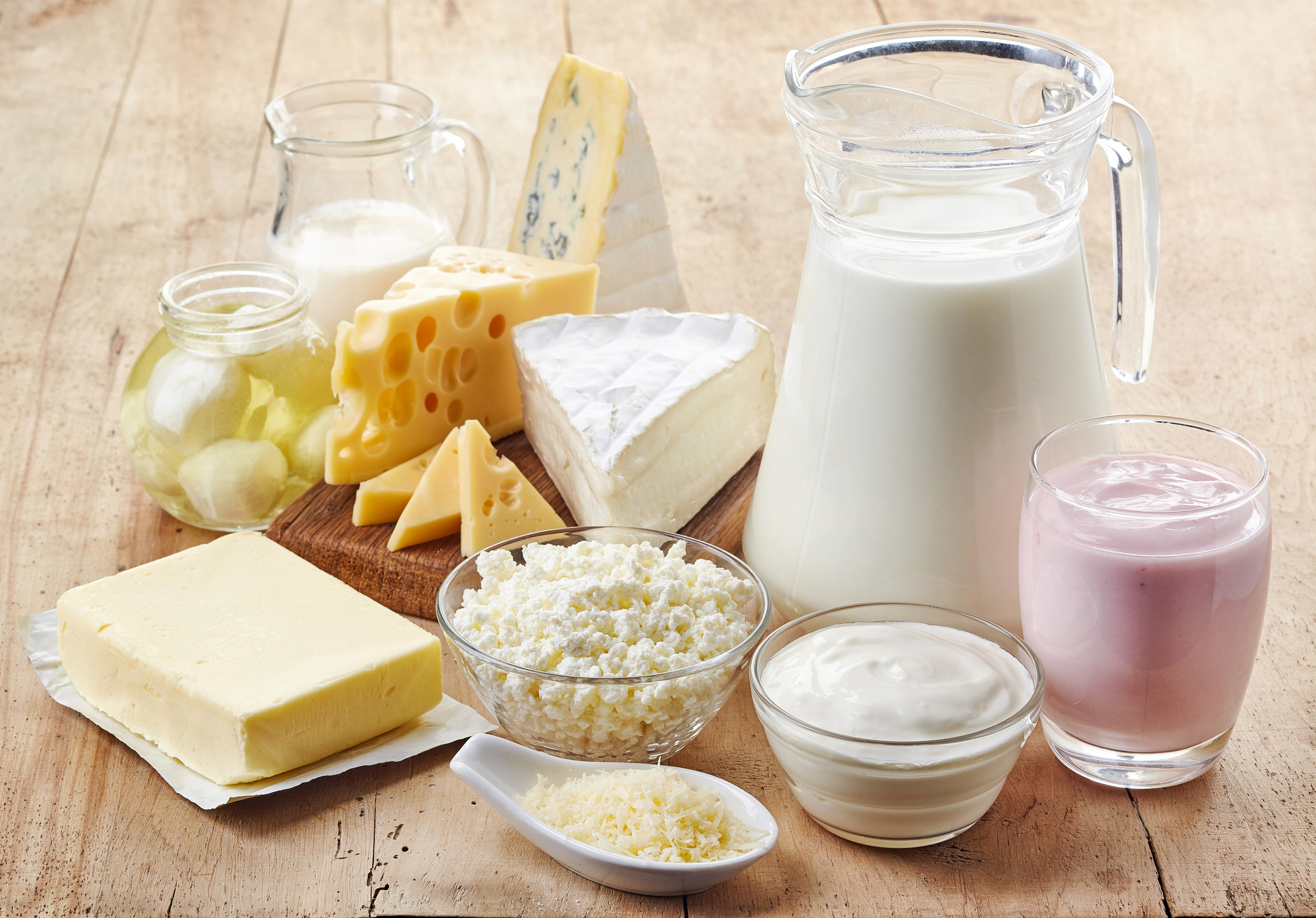

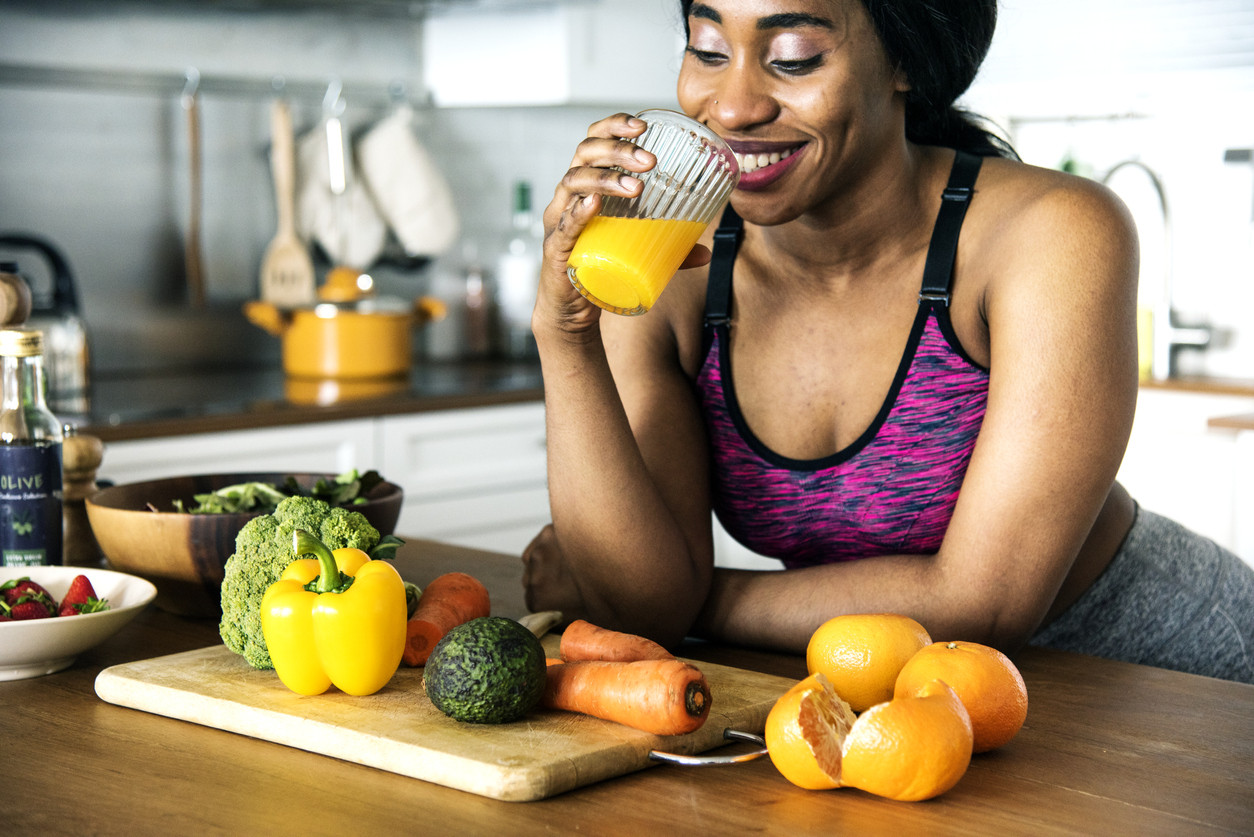

How to spot the most common “food fakes”
Healthy-sounding claims on food packaging can be misleading. Here's how to find impostors.
Image: © DjelicS/Getty Images
The New Year may have you thinking about a healthier diet, but you may need to do some detective work to find the healthiest foods in your grocery store. Food manufacturers often use terms that make products sound healthier than they are.
"Finding the healthiest foods takes time and effort, and we want things that are quick and easy. We need to take a couple of steps back and look beyond the flashy labels to see what actually is — and isn't — in the foods," says registered dietitian Kathy McManus, director of the Department of Nutrition at Harvard-affiliated Brigham and Women's Hospital.
What is immunotherapy?
Ask the doctor
Image: © designer491/Getty Images
Q. A friend has melanoma, and his doctor wants to use a new kind of treatment that boosts the immune system. Can you tell me more?
A. The immune system exists to attack foreign things that enter the body, such as germs. Certain cells of the immune system recognize and attack foreign things. Cancerous cells make chemicals that are not made by normal cells, chemicals the immune system should recognize as foreign. Unfortunately, eight million people around the globe die of cancer each year after their immune systems fail to destroy the cancer. Why do their immune systems fail?

Medicine cabinet makeover
Remove expired medications to avoid hazards such as accidental poisoning or ineffective treatment.
Image: © SelectStock/Getty Images
Like any cupboard in your house, the medicine cabinet can easily become overstuffed with pills, potions, and creams that have expired or are no longer needed. But holding on to them can be dangerous. That's why experts recommend weeding through your medicine cabinet regularly. "Check it every six months or when you change your clocks," recommends Joanne Doyle Petrongolo, a pharmacist with Harvard-affiliated Massachusetts General Hospital. "Make it a regular habit to protect your family."
Medicine cabinet risks
For all their value, the substances in your medicine cabinet pose some risks beyond the side effects of the drugs:

Home cooking for better heart health
Preparing your own plant-based meals — focused on beans, grains, and veggies — is easier than you think.
Image: © Halfpoint/Getty Images
Eating more plant-based foods has many advantages, especially for your heart. But even with the best of intentions, many people find the transition to plant-centric meals a little daunting. Take for instance the daily dilemma of deciding what's for dinner. Where do you even begin?
Instead of trying to cook an entire vegetarian meal from scratch, start with one small step and build from there, says Dr. Rani Polak, founding director of the Culinary Healthcare Education Fundamentals (CHEF) Coaching program at Harvard's Institute of Lifestyle Medicine (see "What is lifestyle medicine?").
Hip bursitis vs. arthritis: How to tell the difference
Fitness for longevity: Which type matters most?
Ministrokes linked to elevated risk of dementia
Continuous glucose monitors benefit people who don't need insulin
CoQ10: Should you take this popular supplement if you're on a statin?
Microplastics: A hidden health threat?
Oat vs. dairy milk: Nutrition, benefits, and downsides
What is tempeh? Benefits, nutrition, and how to use it
Healing after food poisoning
Whole grains may improve several heart risk factors at once
Free Healthbeat Signup
Get the latest in health news delivered to your inbox!
Sign Up
