

Hip bursitis vs. arthritis: How to tell the difference

Fitness for longevity: Which type matters most?

Ministrokes linked to elevated risk of dementia

Continuous glucose monitors benefit people who don't need insulin

CoQ10: Should you take this popular supplement if you're on a statin?

Microplastics: A hidden health threat?

Oat vs. dairy milk: Nutrition, benefits, and downsides

What is tempeh? Benefits, nutrition, and how to use it

Healing after food poisoning

Whole grains may improve several heart risk factors at once
Vitamins, minerals & supplements Archive
Articles

Taming stubbornly high blood pressure
Are you sabotaging your heart health without realizing it?
Image: © izusek/Getty Images
As many as one in seven people being treated for high blood pressure doesn't have the condition under control, according to a recent scientific statement from the American Heart Association. The problem — known as resistant hypertension — is defined as having high blood pressure despite taking three or more blood pressure medications, including a diuretic.
For most people, high blood pressure means a reading of 130/80 millimeters of mercury (mm Hg) or higher. Staying below that threshold can dramatically lower a person's odds of having a stroke or heart attack. That's why it's so important to address the barriers that prevent people from reaching their blood pressure targets, says Dr. Randall Zusman, a cardiologist at Harvard-affiliated Massachusetts General Hospital.

Legume of the month
Image: © Kateryna_Mostova/Getty Images
Editor's note: This year, we're highlighting legumes on this page. Low in fat but rich in protein and other nutrients, they're a staple of plant-based eating. Starting in February, we'll feature a different legume each month, along with information and recipe tips from different cultures around the world.
But we're starting off with the basics: a simple recipe for cooking dried beans.

Two daily servings of dairy: Good for your heart?
Research we're watching
Image: © nehopelon/Getty Images
People whose daily diets include at least two servings per day of milk, yogurt, or cheese appear to have a lower risk of heart disease, stroke, or death than people who don't consume dairy products.
The findings, published Sept. 11, 2018, in The Lancet, were based on food questionnaires from more than 136,000 people from 21 countries. After a follow-up that lasted an average of nine years, researchers found that adults who consumed two or more servings of dairy each day had a 22% lower risk for heart disease, a 34% lower risk for stroke, and a 23% lower risk of heart-related death. Observational studies such as this one cannot prove cause and effect. But dairy-based foods contain vitamins D and K, calcium, and other nutrients thought to be good for cardiovascular health. The findings support the benefits of all types of dairy, including full-fat versions. However, current guidelines still recommend nonfat or low-fat milk, yogurt, and cheese, which contain fewer calories and less saturated fat.

Thriving with localized prostate cancer
There's a lot you can do to improve your outcome if you're taking an active surveillance approach to your diagnosis.
Image: © Nastasic/Getty Images
About 90% of men diagnosed with prostate cancer have the localized kind, which means the cancer is confined to the prostate gland. And for many, a reasonable approach is active surveillance, in which men choose to monitor their cancer instead of going straight into invasive treatments, such as surgery or radiation therapy.
Active surveillance includes a doctor visit about every six months, most often with a prostate-specific antigen (PSA) blood test and digital rectal exam.
Nitrates from vegetables may lower age-related macular degeneration risk
In the journals
Image: © Edalin/Getty Images
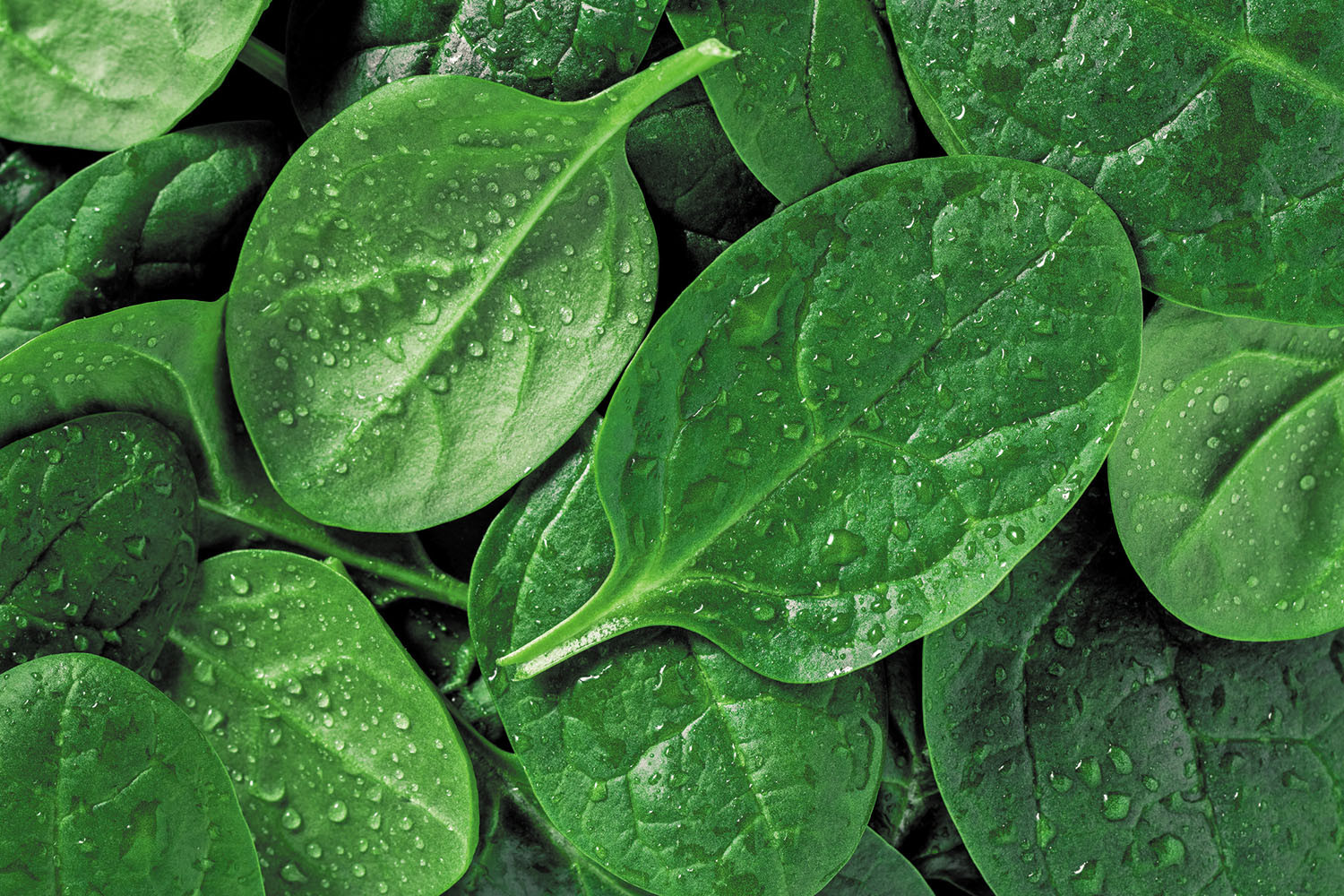
An observational study has shown an association between eating vegetable nitrates, found in green leafy vegetables and beets, and a lower risk of developing an early stage of age-related macular degeneration (AMD), the leading cause of permanent vision loss among Americans ages 60 and older. The results were published online Oct. 17, 2018, by the Journal of the Academy of Nutrition and Dietetics.
Researchers studied the eating habits of more than 2,000 adults ages 49 and older over a 15-year period and compared them with diagnoses of AMD among the group. They found that people who ate 100 to 142 milligrams (mg) of vegetable nitrates each day had a 35% lower risk of developing early AMD than people who ate less than 69 mg of vegetable nitrates daily.
Antibiotics help some people avoid surgery for appendicitis
Image: © Azure-Dragon/Getty Images
In the journals
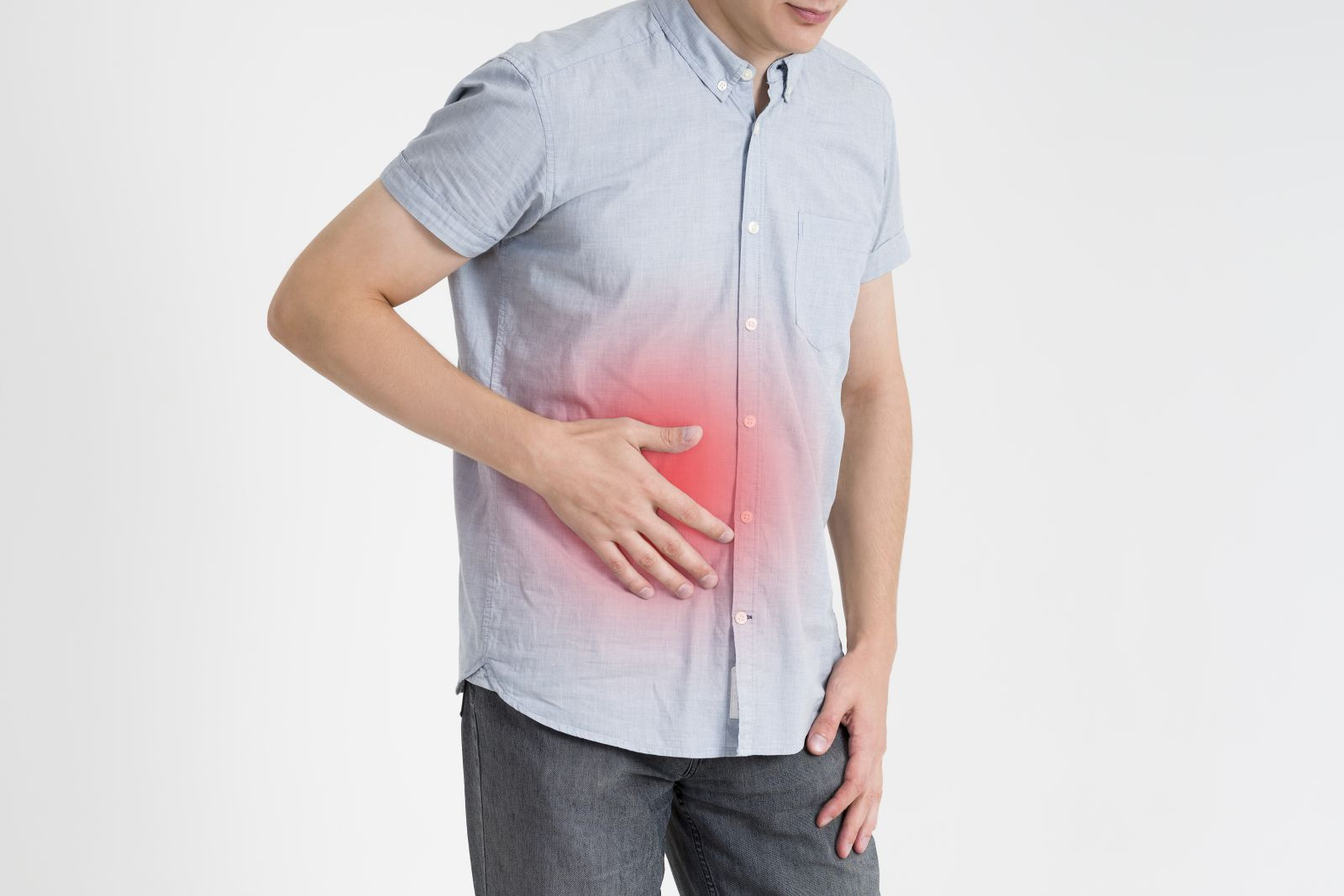
It is often assumed that appendicitis means automatic surgery to relieve the pain and avoid complications. Yet, a study published online Sept. 25, 2018, by JAMA found that many people with uncomplicated acute appendicitis may be safely treated with antibiotics and avoid an appendectomy.
About 70% to 80% of acute appendicitis cases are uncomplicated, which means the appendix hasn't ruptured or formed an abscess. In the study, researchers had 530 people with uncomplicated acute appendicitis either undergo an appendectomy or receive 10 days of antibiotic therapy. After five years, 61% of the antibiotic group had no recurrences of appendicitis and no appendectomies.
Low-dose aspirin and ovarian cancer risk
Research we're watching
Image: © Robert Kirk/Getty Images
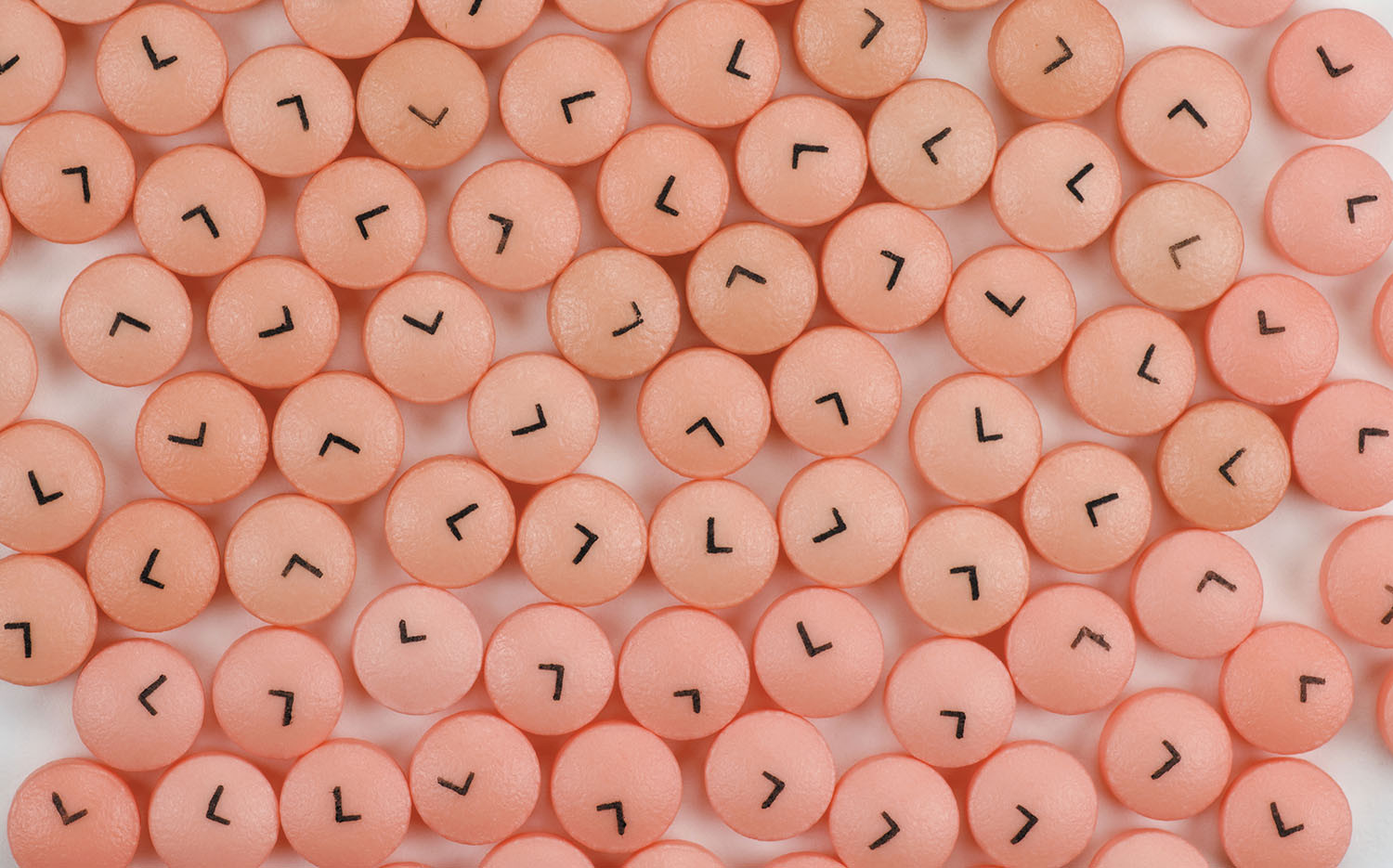
Anti-inflammatory medications may play a role in ovarian cancer risk. A study by researchers at the Harvard T.H. Chan School of Public Health found that taking low-dose aspirin regularly appears to reduce the risk of ovarian cancer by 23%. However, long-term heavy use of ibuprofen (Advil), naproxen (Aleve), and other nonsteroidal anti-inflammatory drugs (NSAIDs) seems to increase risk.
The study, published online October 4 by JAMA Oncology, looked at data on more than 200,000 women who participated in the Nurses' Health Study and Nurses' Health Study II. Among the group studied, 1,054 women went on to develop ovarian cancer. Researchers then looked at what type of medications the women took on a regular basis. They found that women who took at least 10 doses of NSAIDs a week for multiple years had an increased risk of ovarian cancer. Women who took low-dose aspirin regularly seemed to have a reduced risk — but the same was not true among women who took a standard-dose aspirin.


Why has my sense of taste changed?
On call
Image: © Meinzahn/Getty Images
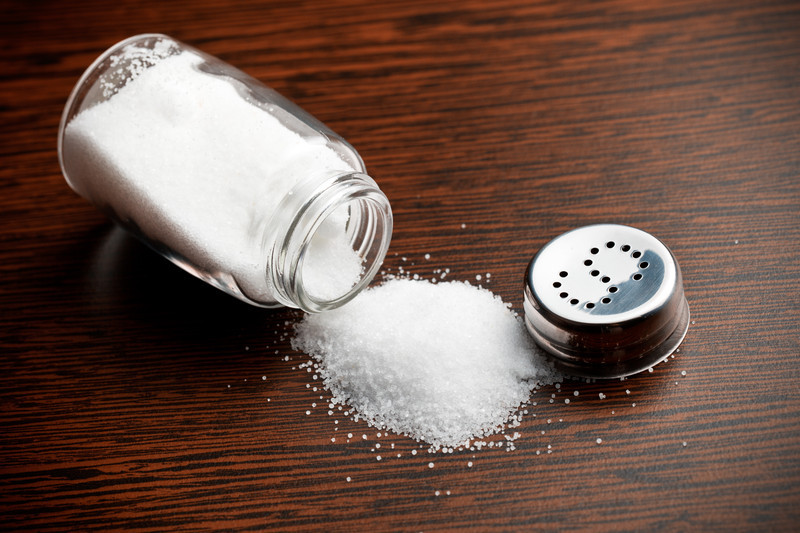
Q. I have lost some of my sense of taste. I take medicine for high blood pressure. Could that be the reason?
A. The ability to enjoy food's flavor requires both your sense of taste and your sense of smell, which are triggered by the stimulation of nerve endings in the mouth and nose. As we age, our senses of smell and taste diminish. We lose taste buds, and those that remain shrink; and our tongue and nose become less discerning.
Hip bursitis vs. arthritis: How to tell the difference
Fitness for longevity: Which type matters most?
Ministrokes linked to elevated risk of dementia
Continuous glucose monitors benefit people who don't need insulin
CoQ10: Should you take this popular supplement if you're on a statin?
Microplastics: A hidden health threat?
Oat vs. dairy milk: Nutrition, benefits, and downsides
What is tempeh? Benefits, nutrition, and how to use it
Healing after food poisoning
Whole grains may improve several heart risk factors at once
Free Healthbeat Signup
Get the latest in health news delivered to your inbox!
Sign Up
