

Hip bursitis vs. arthritis: How to tell the difference

Fitness for longevity: Which type matters most?

Ministrokes linked to elevated risk of dementia

Continuous glucose monitors benefit people who don't need insulin

CoQ10: Should you take this popular supplement if you're on a statin?

Microplastics: A hidden health threat?

Oat vs. dairy milk: Nutrition, benefits, and downsides

What is tempeh? Benefits, nutrition, and how to use it

Healing after food poisoning

Whole grains may improve several heart risk factors at once
Vitamins, minerals & supplements Archive
Articles

Weight may determine how much aspirin is needed to prevent heart attacks
In the journals
Image: © sd619/Getty Images
Low-dose aspirin therapy has been shown to help prevent heart attacks, but a study in the Aug. 4, 2018 issue of The Lancet suggests men who weigh more than 154 pounds may need higher doses. Researchers analyzed 10 trials that evaluated daily aspirin therapy for cardiovascular disease prevention in 120,000 men and women. The study participants had no history of heart or vascular disease. The researchers found that low-dose daily aspirin — 75 to 100 mg — was associated with reduced risk for heart attack and stroke among both men and women who weighed less than 154 pounds.
However, there was no significant effect for heavier patients. (About 80% of the men in the study were among this group.) The reason? The researchers speculated that people with more weight also have higher amounts of esterase, an enzyme that reduces how much aspirin is available in the body.
Specialized diet gets high marks for preventing cancer
In the journals
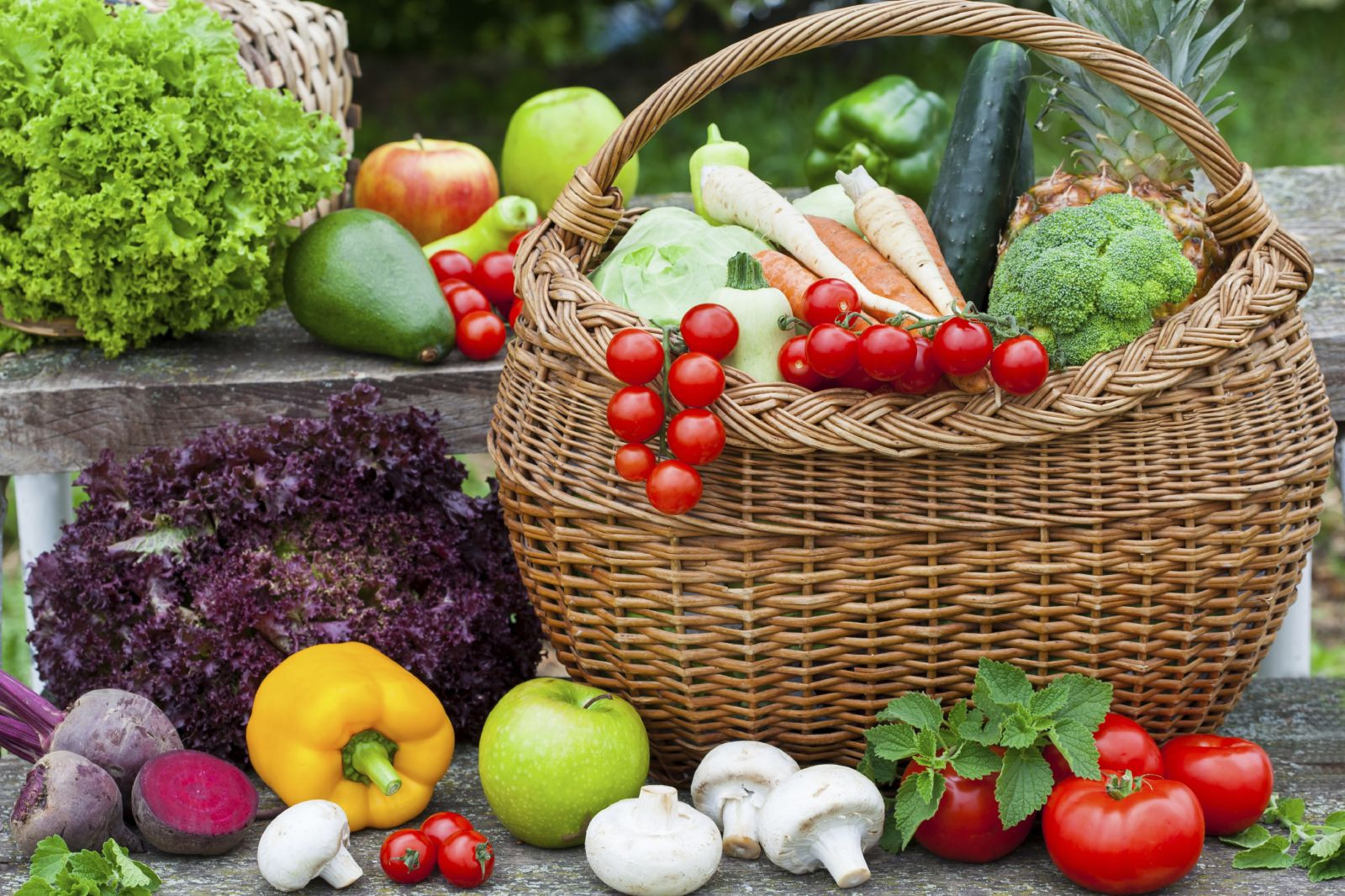
Following a specific cancer prevention diet may help you lower your overall risk, according to a study in the August 2018 Cancer Research.
The diet from the World Cancer Research Fund/American Institute for Cancer Research (WCRF/AICR) emphasizes a plant-based diet rich in whole grains, vegetables, fruits, and legumes like beans and lentils, with limited amounts of red or processed meat (no more than 18 ounces per week) and a strong emphasis on eliminating all processed foods, sugar-sweetened drinks, and alcohol.

From street drug to depression therapy
Ketamine offers a new option for people with stubborn depression that doesn't respond to other medications.
Image: © AleksandarNakic/Getty Images
Many people know of ketamine as a hallucinogenic and addictive street drug, which, when abused, can put people in medical peril. But today, doctors are increasingly looking to ketamine as a potentially lifesaving treatment for people with severe, treatment-resistant depression, who may be at high risk for suicide.
"Ketamine has been shown to be effective in people who have not responded to antidepressant treatment," says Dr. Cristina Cusin, an assistant professor of psychiatry at Harvard Medical School. The fast-acting treatment has shown promise — sometimes improving depressive symptoms within hours of the first intravenous treatment.
Can a gluten-free diet help my skin?
Ask the doctors
Image: © fcafotodigital/Getty Images
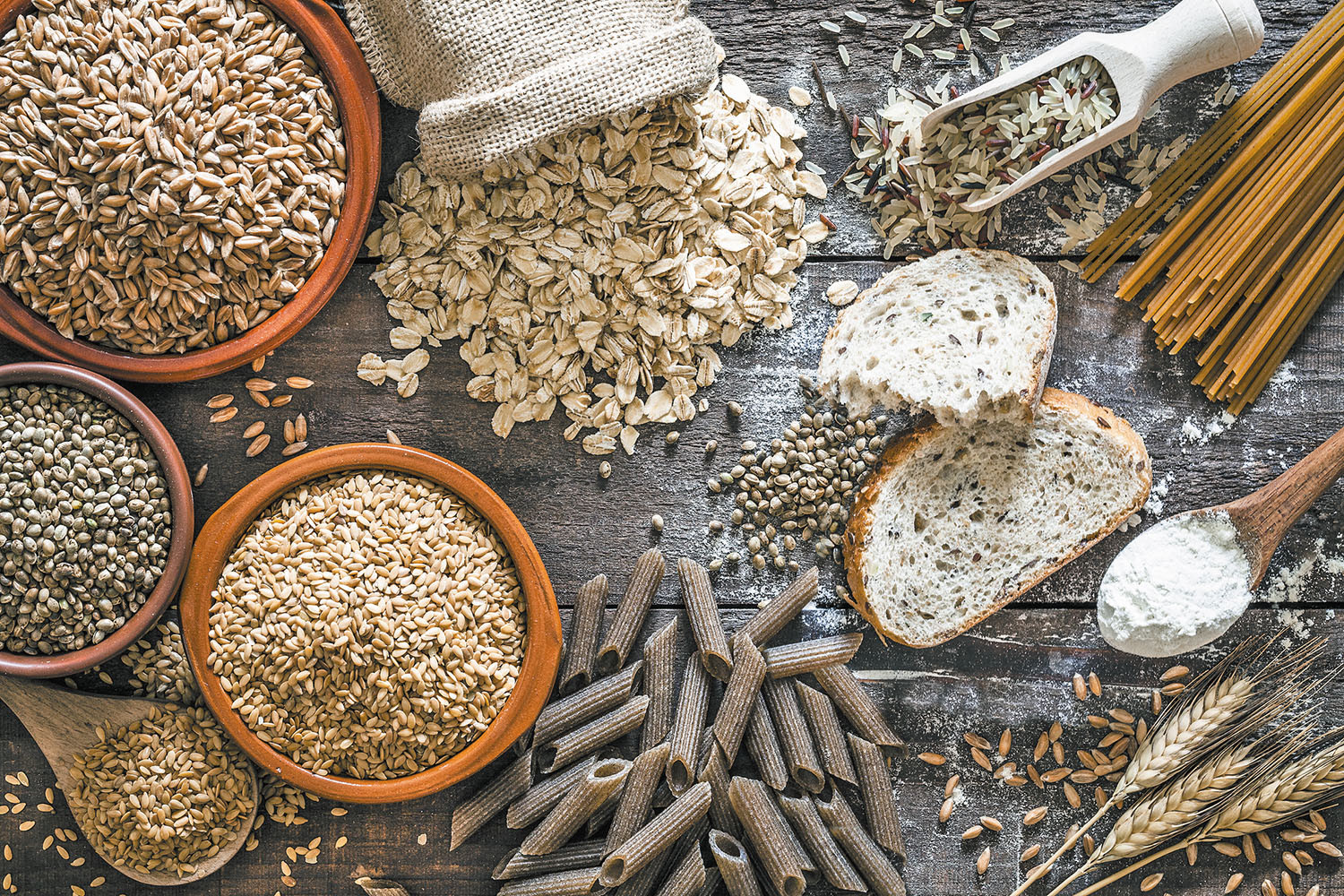
Q. I have terrible skin, and a friend recently recommended that I eliminate gluten from my diet to help manage my condition. Will this work?
A. Not necessarily. Gluten has gotten a lot of attention in recent years. Some people believe that eating gluten can inflame the skin and, therefore, cutting it out will help relieve red, inflamed skin or other skin conditions, such as psoriasis or eczema.

Don’t let winter put a chill on your vegetable intake
It may take a little more effort, but some simple strategies can help you meet your recommended intake of veggies in the colder months.
Image: © stargatechris/Getty Images
In the summer, vegetables are plentiful. The supermarket shelves — and maybe even your own garden — are overflowing with zucchini and squash, tomatoes and asparagus. But as we head into the colder winter months, the offerings may be a little less inspiring.
"With summer vegetables becoming more expensive in the winter, people's eating variety may shrink," says Teresa Fung, adjunct professor in the Department of Nutrition at the Harvard T.H. Chan School of Public Health. "And when variety shrinks, often quantity shrinks as well."
Both high-carb and low-carb diets may be harmful to health
Research we're watching
Image: © AndreyPopov/Getty Images
The best dietary strategy when it comes to carbohydrate intake could be neither high-carb nor low-carb, but rather moderation. A study published online August 16 by The Lancet Public Health found that both high- and low-carbohydrate diets were associated with earlier death. But people who got about half to 55% of their calories from carbohydrates — which is considered a moderate amount — lived longer.
The research involved more than 15,000 adults ages 45 to 65 who were involved in the Atherosclerosis Risk in Communities study. Participants filled out a dietary questionnaire when they enrolled in the study, which began in 1987. Researchers then looked for links between what participants ate and their death from any cause over a median follow-up period of 25 years.


Do urgent care clinics overprescribe antibiotics?
News briefs
Image: © AlexRaths/Getty Images
Urgent care clinics are convenient when you don't feel well and can't see your doctor right away. But a study published online July 16, 2018, by JAMA Internal Medicine found that people who go to such clinics may be more likely to be given prescriptions for unnecessary antibiotics. Researchers analyzed 156 million insurance claims from 2014 and found that 46% of people treated at urgent care centers for viral conditions — like a bad cold, the flu, or viral bronchitis — were prescribed antibiotics. The problem: antibiotics kill only bacteria, not viruses. The study underscores the need to ask health care workers if you have a viral or a bacterial condition before you take antibiotics.
Scam targets people buying medicine online
News briefs
Image: © DNY59/Getty Images
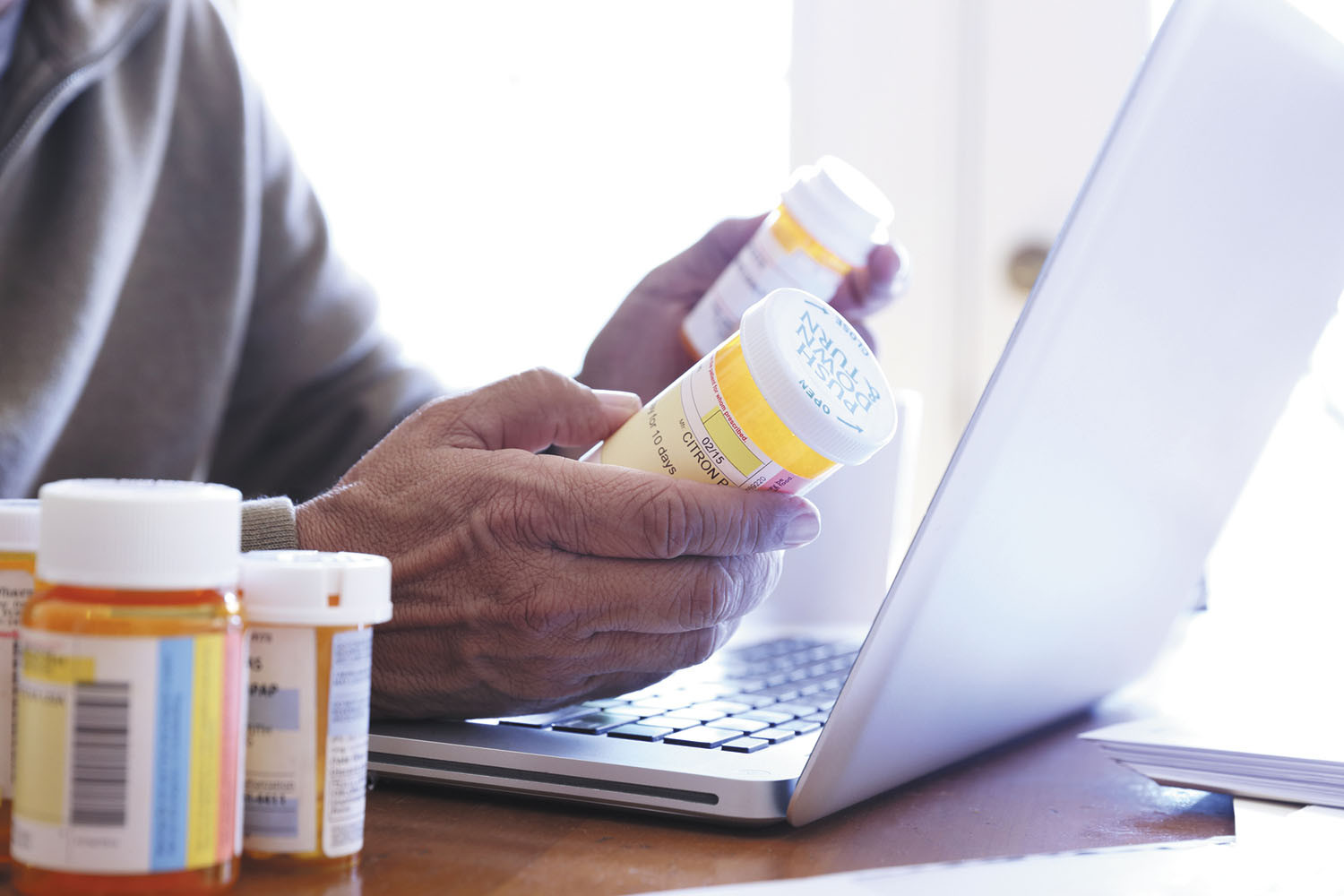
If you've tried to buy medications by phone or on the Internet but received an FDA warning letter instead, beware. The FDA warns that criminals are forging these notes, possibly with the goal of later getting your money. The letters look official, like they're from the FDA or the Federal Trade Commission, and they claim that the FDA has identified drug violations based on a review of your parcel and social media accounts. Don't be fooled. The FDA doesn't send letters to consumers. So why are you getting one? The FDA says it may be because you're contacting an illegal online pharmacy. "Many of these illegal websites appear legitimate, and it can be hard to tell the difference," notes FDA Commissioner Scott Gottlieb. They may try to sell your personal information or charge you for products you never ordered. And scams aren't the only risks. Illegal pharmacies typically sell counterfeit — and unsafe — medicines. If you believe you've received a fake warning letter, email the FDA at FDAInternetPharmacyTaskForce-CDER@fda.hhs.gov. Send information about the letter or a scan or photo of the document.
Hip bursitis vs. arthritis: How to tell the difference
Fitness for longevity: Which type matters most?
Ministrokes linked to elevated risk of dementia
Continuous glucose monitors benefit people who don't need insulin
CoQ10: Should you take this popular supplement if you're on a statin?
Microplastics: A hidden health threat?
Oat vs. dairy milk: Nutrition, benefits, and downsides
What is tempeh? Benefits, nutrition, and how to use it
Healing after food poisoning
Whole grains may improve several heart risk factors at once
Free Healthbeat Signup
Get the latest in health news delivered to your inbox!
Sign Up
