

Hip bursitis vs. arthritis: How to tell the difference

Fitness for longevity: Which type matters most?

Ministrokes linked to elevated risk of dementia

Continuous glucose monitors benefit people who don't need insulin

CoQ10: Should you take this popular supplement if you're on a statin?

Microplastics: A hidden health threat?

Oat vs. dairy milk: Nutrition, benefits, and downsides

What is tempeh? Benefits, nutrition, and how to use it

Healing after food poisoning

Whole grains may improve several heart risk factors at once
Vitamins, minerals & supplements Archive
Articles

Extra protein at breakfast helps control hunger
In the journals
Image: © Tverdohlib/Getty Images
A high-protein breakfast may help curb your appetite later in the day, suggests a small study in the October 2018 Journal of Dairy Science.
Researchers assigned 32 healthy adults to eat a breakfast containing two servings of a high-carbohydrate cereal, with either 1 cup of commercial milk that contained 12.4 grams of protein, or 1 cup of milk mixed with a whole-milk protein concentrate or a whey protein powder that boosted protein intake to 28 grams. The participants then had their blood sugar levels measured.
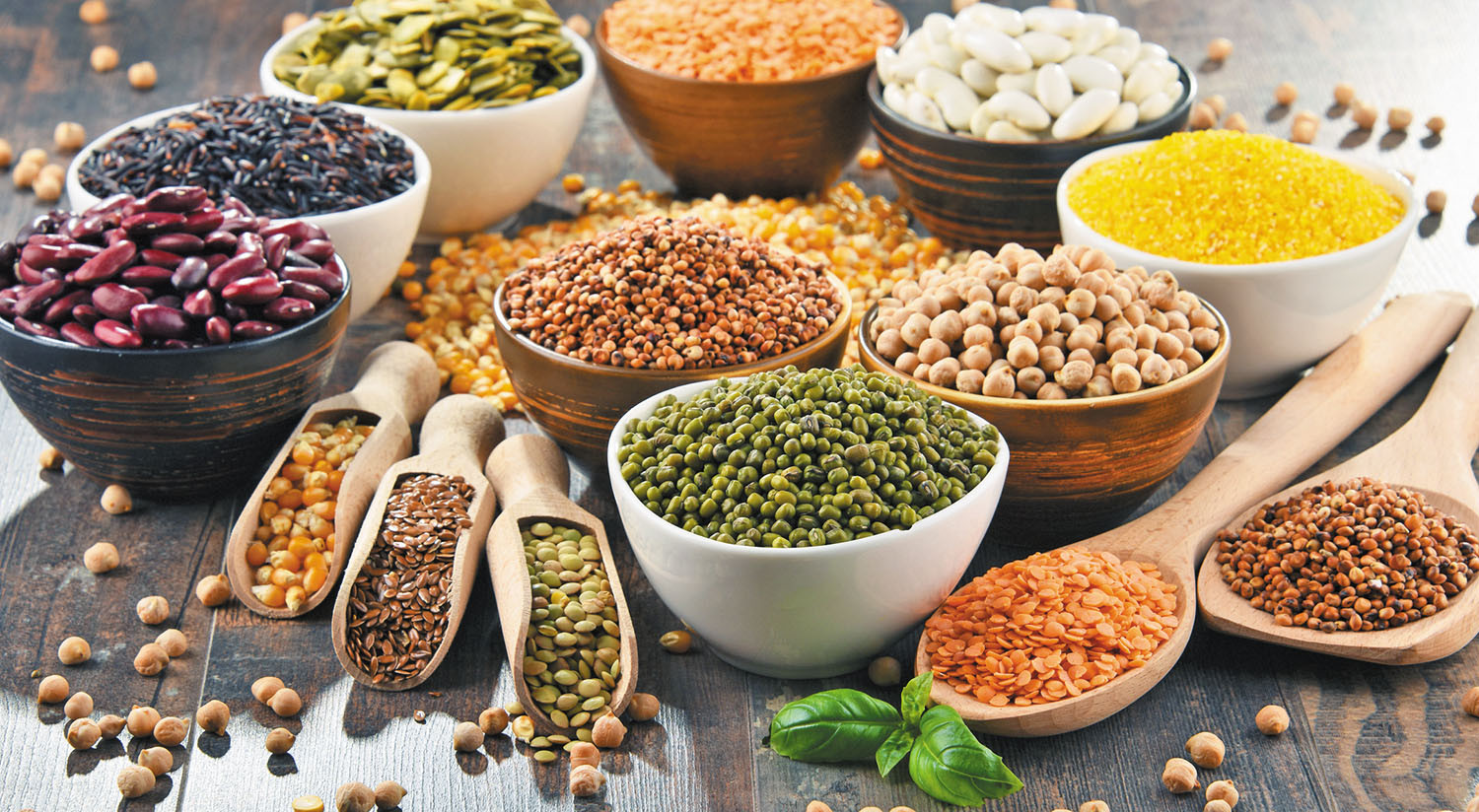
Legumes: A quick and easy switch to improve your diet
Beans, peas, and peanuts are high in protein but lower in saturated fat than red meat.
Image: © monticelllo/Getty Images
Looking for a quick way to improve your diet? Try swapping some of your regular servings of red meat with legumes.
"People will ask me, is red meat bad for me? And my answer is, compared to what? Compared to sugar, no. Compared to legumes, yes. That's where I think legumes come in. They are especially beneficial if they can replace red meat," says Dr. Meir Stampfer, a professor of epidemiology and nutrition at the Harvard T.H. Chan School of Public Health.

Drugstore sleep aids may bring more risks than benefits
Explore more effective alternatives to help you get a good night's rest.
Image: © miya227/Getty Images
You've spent the past few nights staring at the ceiling, thinking about your grocery list, lining up your tasks for the next day, or obsessing about your problem du jour — but what you really want to be doing is sleeping soundly. You're in the pharmacy and notice an array of over-the-counter sleep aids, and you're tempted. Will taking one help you get that deep slumber you crave?
Before you reach for that bottle, you might want to reconsider.
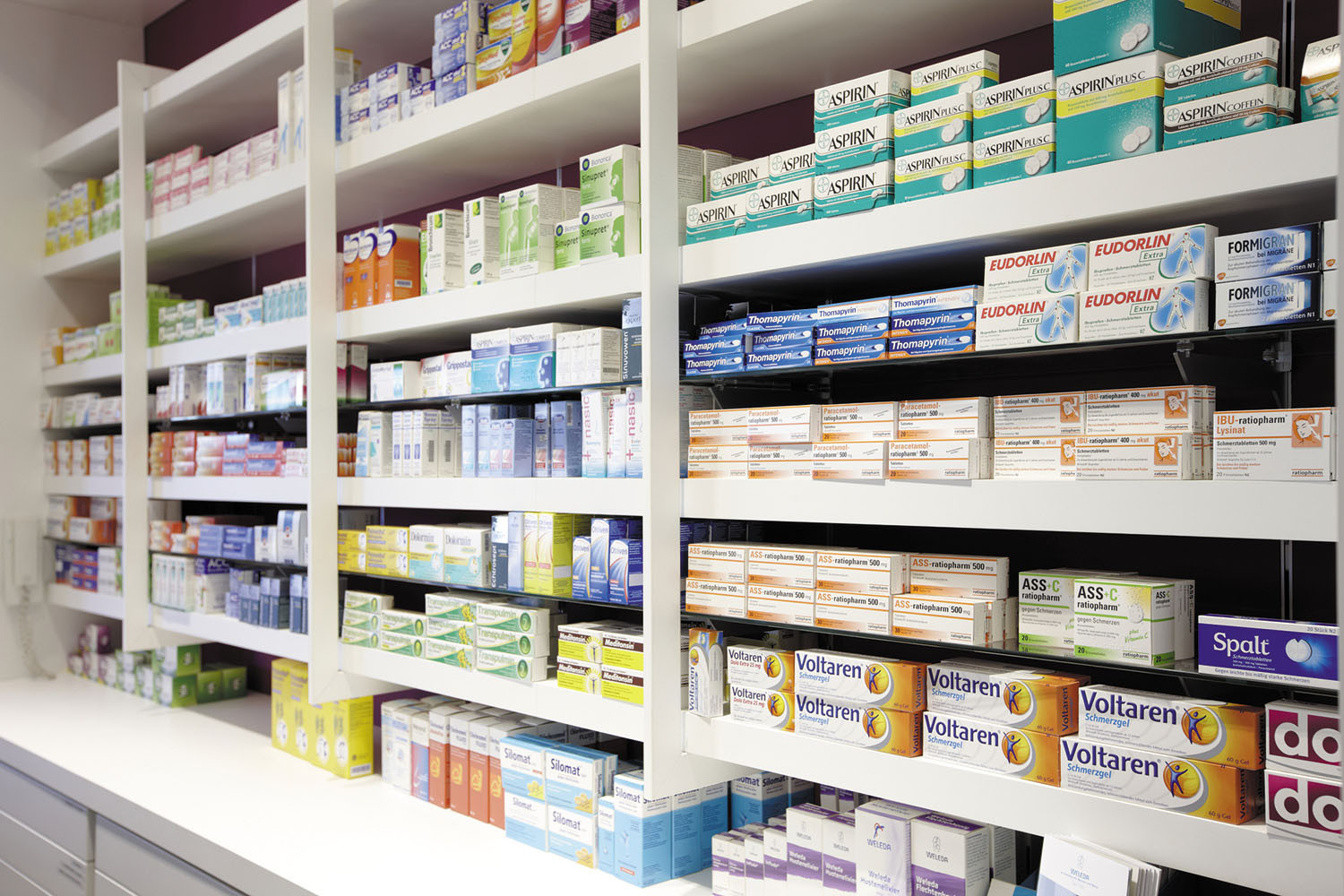
Certain pain relievers could harm your heart
But use is primarily a concern for people who take them over a long period or who have certain health risks.
Image: © clu/Getty Images
Numerous studies in recent years have raised concerns that common pain relievers known as nonsteroidal anti-inflammatory drugs (NSAIDs) increase the risk of cardiovascular problems, such as heart attack and stroke.
A study published September 4 in The BMJ seems to confirm the risks associated with NSAIDs and notes that one medication in particular — diclofenac (Voltaren) — is associated with even higher risks to cardiovascular health than others in the same category.

Low-dose aspirin might not benefit healthy adults
Research we're watching
Image: © dszc/Getty Images
Taking a low-dose aspirin every day could bring more risks than health benefits to healthy older adults, according to three papers from a single study, published online September 16 by The New England Journal of Medicine. The study, which began in 2010, included more than 19,000 adults ages 65 and older in the United States and Australia, who were free of cardiovascular disease, dementia, or disability, and followed participants for 4.7 years on average. Researchers found that treatment with a daily low-dose aspirin did not prevent dementia or disability. And rates of cardiovascular events (such as heart attacks and stroke) were similar between participants who took low-dose aspirin therapy and the comparison group that did not. While health outcomes were largely the same, people in the aspirin group were more likely than those who were not taking daily aspirin to experience significant bleeding, both in the gastrointestinal tract and the brain — a known risk of aspirin therapy.
While low-dose aspirin does not appear to benefit healthy older adults, this does not apply to people with known cardiovascular disease. For them, aspirin therapy significantly decreases risk of heart attack and stroke.
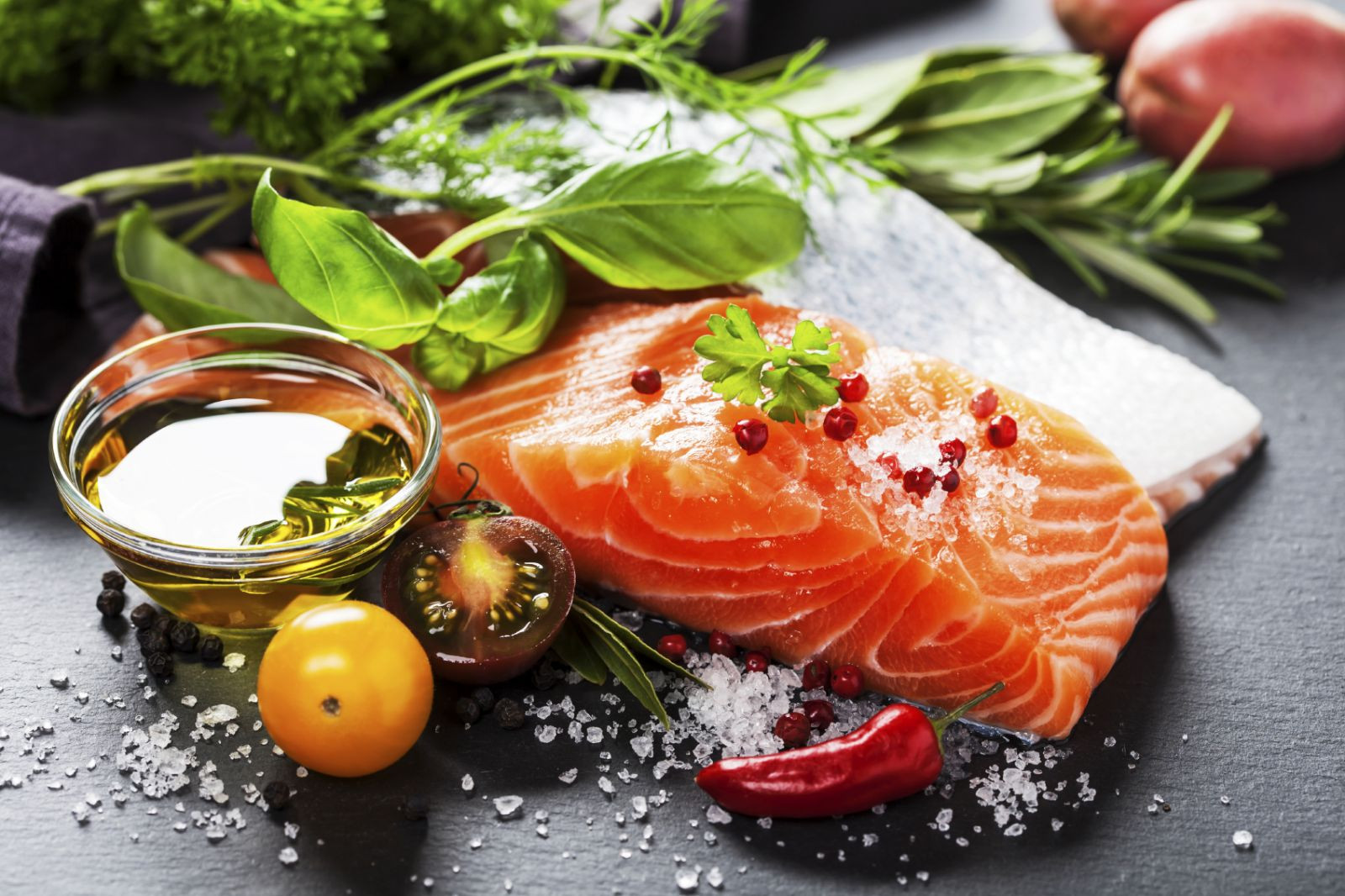
Mediterranean diet reduces stroke risk, particularly among women
Image: Bigstock
Research we're watching
Eating a Mediterranean-style diet, which is rich in fruits and vegetables, lean meats, and nuts, may help women over 40 reduce the risk of stroke, according to a study published in the journal Stroke.
The study enrolled more than 20,000 adults, ages 40 to 77, who were asked to record what they ate in a seven-day diet diary. Researchers then compared their diet and their stroke risk over a 17-year period.

Yogurt or dessert? High sugar makes it hard to tell
Research we're watching
Image: © Steve Debenport/Getty Images
While yogurt is often billed as a nutritious food, high in probiotics and calcium, these creamy treats are also often loaded with sugar, according to a study in the online journal BMJ Open.
The study looked at 900 yogurt products in five major supermarket chains in the United Kingdom. Only 9% qualified as low in sugar, according to government guidelines, which called for a maximum of 5 grams of sugar per 100-gram serving. Organic yogurts, which many people think of as a healthier option, had some of the highest average sugar content (13.1 grams per 100-gram serving) among the various yogurt types, followed by 10.8 grams per serving in yogurts aimed at children and 5 grams among Greek and natural yogurt products.

Is aspirin best for peripheral artery disease?
Ask the doctor
Image: © Jeng_Niamwhan/Getty Images
Q. Is there something stronger than aspirin I can take for peripheral artery disease in my legs?
A. People with peripheral artery disease (PAD) in the legs have blockages (plaques of atherosclerosis) in the arteries that impair the flow of blood. Based on large scientific studies involving over 5,000 people with PAD, authorities recommend taking a daily aspirin tablet. For people with PAD, smoking cessation, regular exercise, and often other medicines such as statins, can help prevent further plaque buildup and decrease symptoms.

Gifts to inspire healthy eating
Give tools that will encourage recipients to prepare and enjoy fresh, healthy meals and treats.
Image courtesy of Yonanas
You know what they say about gifts: it's the thought that counts. And why not focus that thought on a healthy diet? Inspire healthy eating with gadgets that are affordable and easy to use. Keep the recipient's dietary needs, dexterity, and physical ability in mind as you shop. Here are some fun ideas to get you started.
A stem stripper (cost: about $5) is a flat utensil with a number of stem-sized holes in it. It strips leaves from stems in seconds. You simply insert the stem of a leafy vegetable or herb (like kale, Swiss chard, or rosemary) into the hole that matches the stem's diameter. Pull the stem through the hole, and the leaves fall away. Then toss the remaining stem. "This might be helpful if you have trouble chewing, if you wear dentures, or you find vegetables or herbs hard to chop or pull apart," says registered dietitian Kathy McManus, director of the Department of Nutrition at Harvard-affiliated Brigham and Women's Hospital.
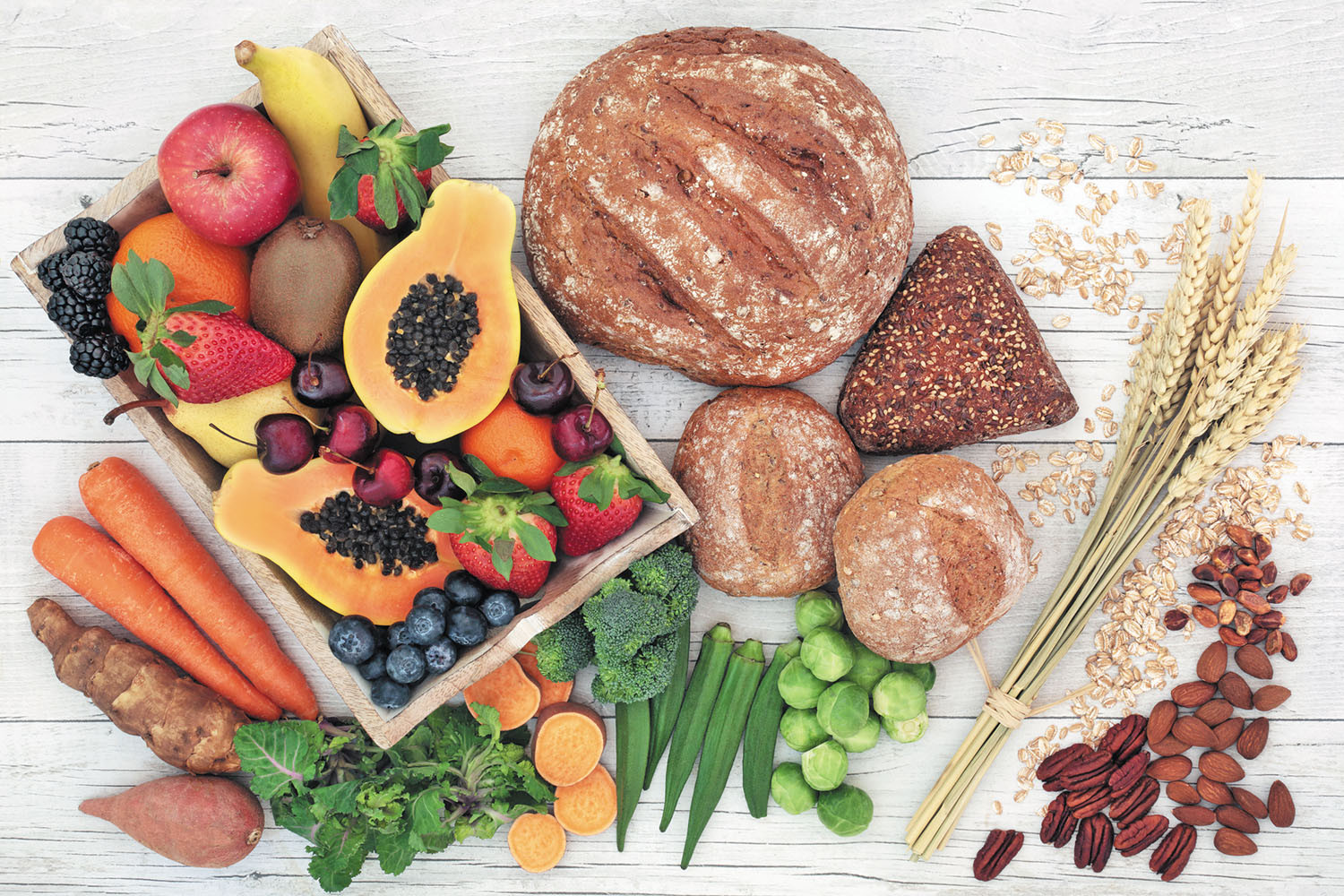
Confused about carbs?
When it comes to carbohydrates, quality and quantity matter — just as with everything else you eat.
Image: © marilyna/Getty Images
These days, low-carb diets are more popular than ever. But this weight-loss strategy is hardly new. It began in the 1960s with the Atkins diet, followed by the South Beach, paleo, and keto diets. All of these diets — which swap carbohydrates for protein or fat — can help some people lose weight, at least over the short term.
But as is true for most diets that require you to avoid many popular foods, low-carb diets are often hard to maintain over the long haul. And if you do keep your carb intake low, the long-term effects on your heart and overall health remain something of a mystery so far. But a new study provides some clues.
Hip bursitis vs. arthritis: How to tell the difference
Fitness for longevity: Which type matters most?
Ministrokes linked to elevated risk of dementia
Continuous glucose monitors benefit people who don't need insulin
CoQ10: Should you take this popular supplement if you're on a statin?
Microplastics: A hidden health threat?
Oat vs. dairy milk: Nutrition, benefits, and downsides
What is tempeh? Benefits, nutrition, and how to use it
Healing after food poisoning
Whole grains may improve several heart risk factors at once
Free Healthbeat Signup
Get the latest in health news delivered to your inbox!
Sign Up
