

Hip bursitis vs. arthritis: How to tell the difference

Fitness for longevity: Which type matters most?

Ministrokes linked to elevated risk of dementia

Continuous glucose monitors benefit people who don't need insulin

CoQ10: Should you take this popular supplement if you're on a statin?

Microplastics: A hidden health threat?

Oat vs. dairy milk: Nutrition, benefits, and downsides

What is tempeh? Benefits, nutrition, and how to use it

Healing after food poisoning

Whole grains may improve several heart risk factors at once
Vitamins, minerals & supplements Archive
Articles
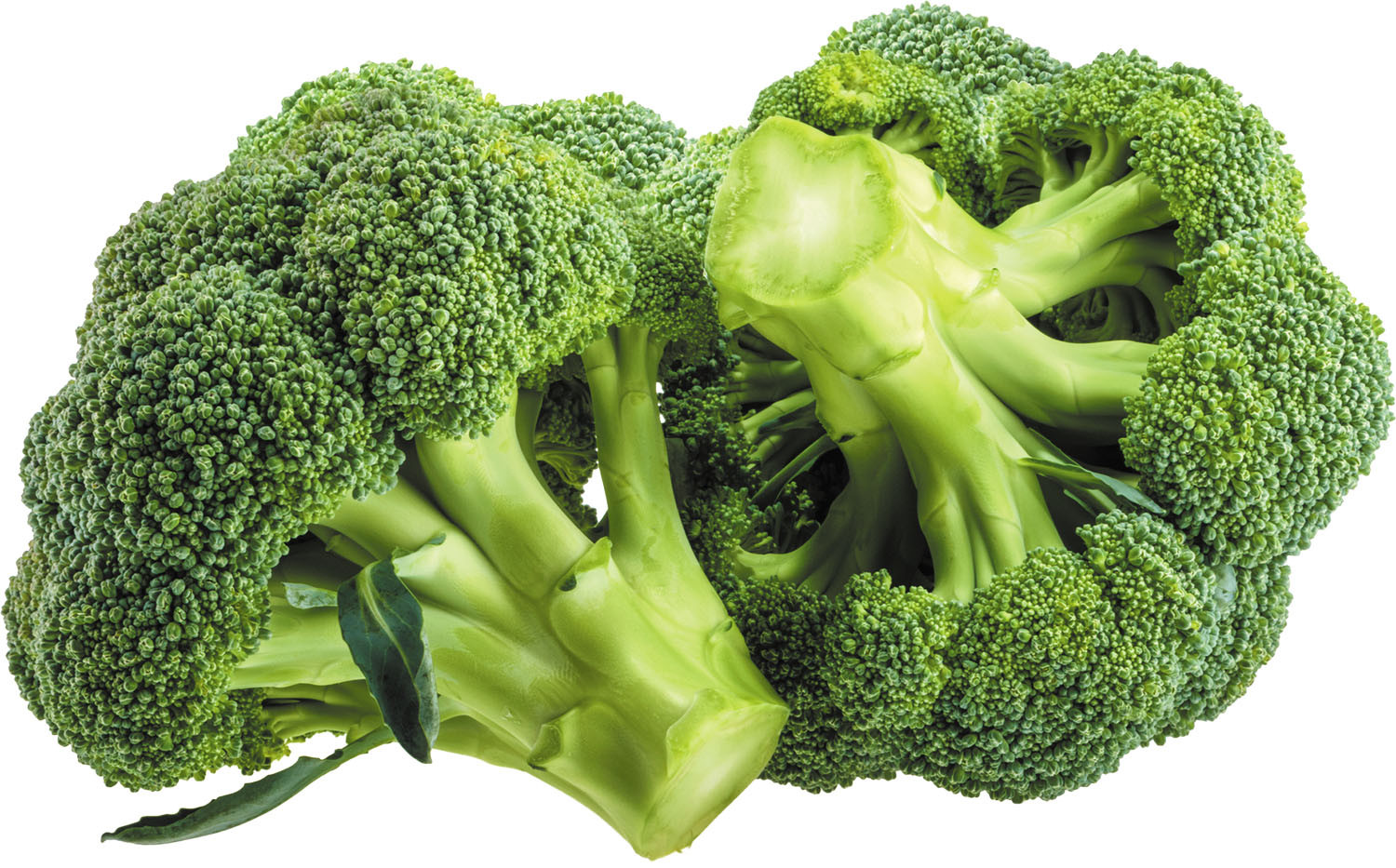
Vegetable of the month: Broccoli
Image: © Azure-Dragon/Getty Images
This versatile vegetable should be a standby in crisper drawers. Not only is broccoli readily available in grocery stores, it keeps well and can be prepared in a variety of ways. As a side dish, you can eat it raw (for instance, used like cabbage in coleslaw), or steamed, sautéed, or roasted. But broccoli also can play a starring role in dinnertime dishes such as soups, stir-fries, pastas, and casseroles. When choosing broccoli, look for firm stems and tightly packed florets that are deep green or have a slightly purplish hue.
Nutritional info: Broccoli is high in vitamin A and folate (vitamin B9), as well as vitamins C and K. It's also a good source of potassium and dietary fiber, and a half-cup serving has just 15 calories.


What to order at the coffee shop
Trendy new options are fresh and appealing, but they may not be good for you.
Image: © NatashaPhoto/Getty Images
The. hot item in coffee shops isn't just coffee. Now, along with inventive brews, many shops are offering fresh gourmet noshes that rival food at chic cafes. That means you'll find treats and dishes with all the buzzwords attached, including "house-baked," "handcrafted," and "locally sourced." It also means you may be tempted to eat something that's unhealthy, especially if you're ordering quickly because eight people are in line behind you.
New on the menu
More coffee shops are ditching prepackaged pastries and sandwiches, and operating tiny kitchens that crank out breakfast with flair. For example:
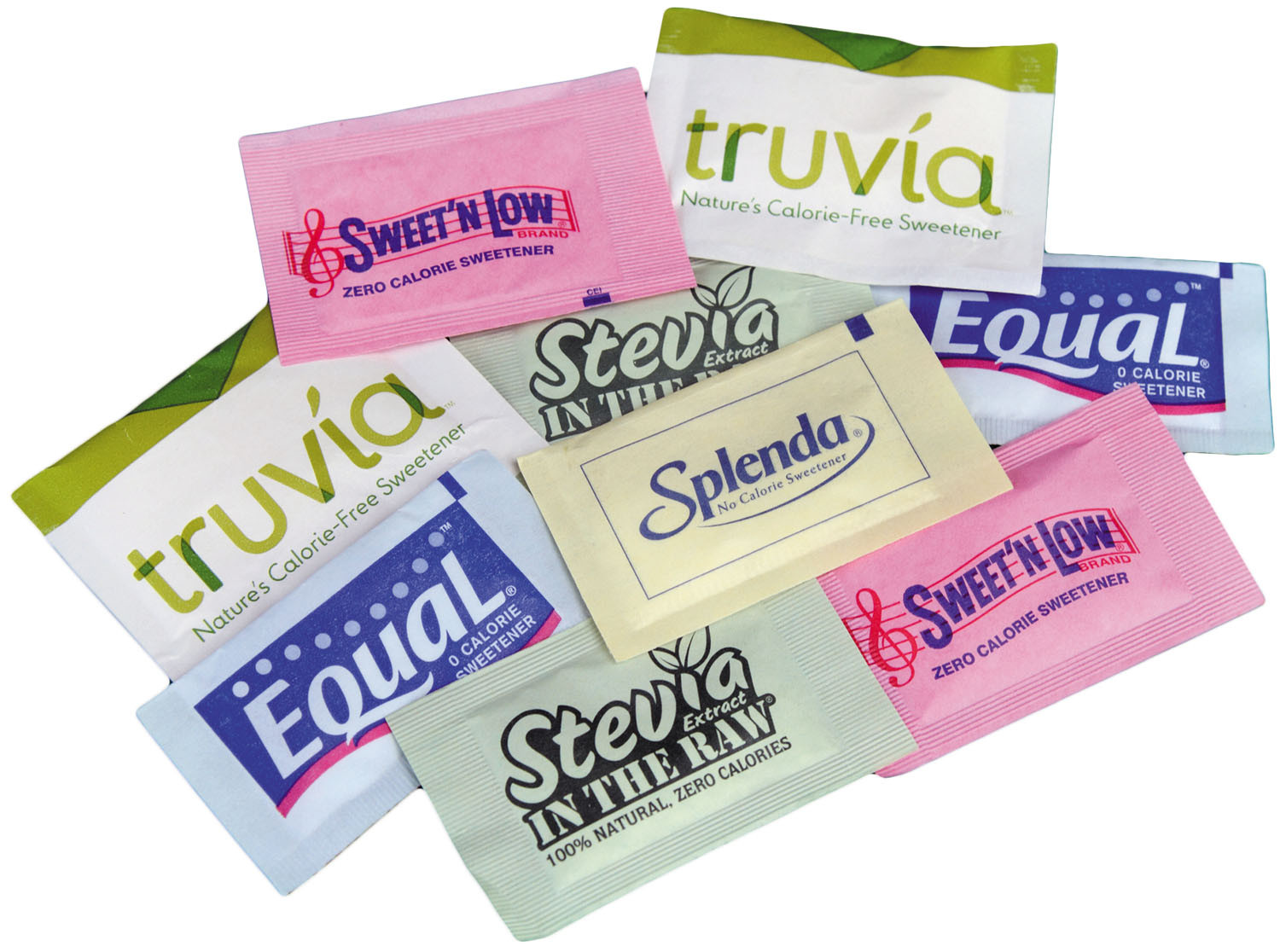
The lowdown on low-calorie sweeteners
If you're addicted to sweet, bubbly beverages, diet sodas are a better choice than sugary ones. But try switching to healthier options.
Image: © NoDerog/Getty Images
Despite the abundance of added sugar in America's food supply, our love affair with sugary drinks has been waning over the past decade or so.
"In adults, we've seen a 25% drop in the consumption of sugar-sweetened beverages, and I think this trend will continue, given the heightened awareness of the harmful effects of excess sugar," says Dr. Frank Hu, chair of the Department of Nutrition at the Harvard T.H. Chan School of Public Health. Sugary drinks (such as sodas, sports drinks, and lemonade) are the biggest source of added sugar in the American diet and are widely considered to be among the main drivers of the obesity epidemic. A high-sugar diet also has been linked to increasing rates of high blood pressure, high cholesterol, and diabetes, all of which contribute to heart disease.
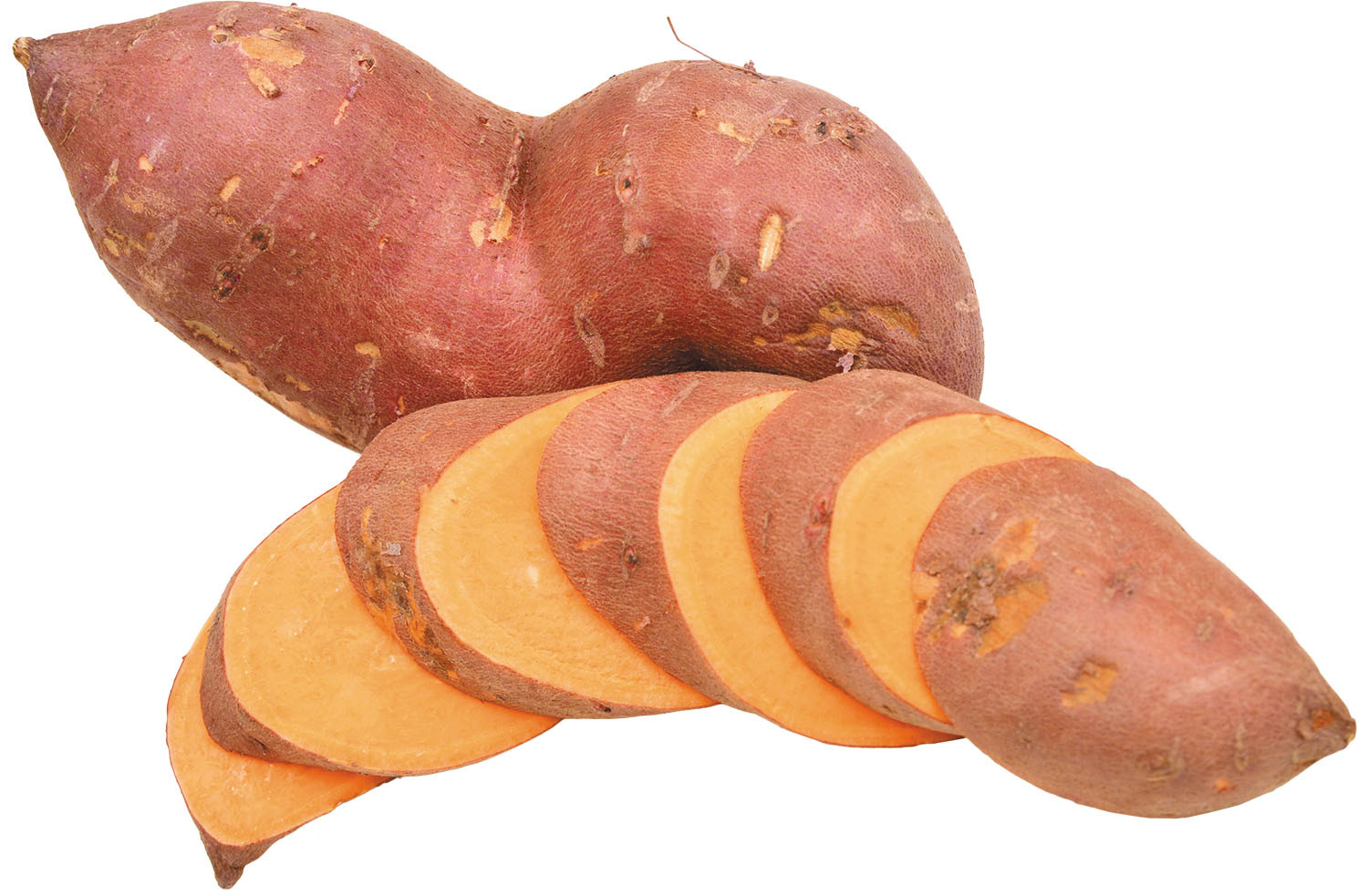
Vegetable of the month: Sweet potatoes
Image: © HONG VO/Getty Images
Although people often think of sweet potatoes as a Thanksgiving side dish, these root vegetables are available year-round. They're becoming more popular, too: sweet potato consumption rose by nearly 42% between 2000 and 2016, according to the USDA.
The many varieties of sweet potatoes belong to the morning glory family, Convolvulaceae. The skins range in hue from almost white to dark red, with a few types sporting purple skin. Those unusual varieties may also have lavender or purple flesh. But the most common flesh colors range from white to deep orange.

“Prehabilitation” may improve heart surgery recovery
Image: Thinkstock
Research we're watching
After heart surgery, patients often enroll in cardiac rehabilitation, a multiweek program of structured exercise paired with lifestyle and nutrition education. A new review suggests that a similar program done prior to surgery, known as "prehabilitation," may help older, frail people to recover better from heart surgery.
The prehab approach goes by the acronym NEW, which stands for nutritional status, exercise capacity, and worry reduction. Targeting those three factors seems to improve people's physical and psychological readiness for undergoing surgery, according to the article, published in the July Canadian Journal of Cardiology.

The drug-free approach to pain management
You have many alternatives for treating and controlling pain.
The opioid epidemic continues to rise in America, and a 2017 report from the National Initiative for the Care of the Elderly suggests the crisis now affects more older adults.
A main reason for the growing addiction to pain medicine is the ease with which it is often prescribed, according to Dr. Robert Jamison, a professor of anesthesia and psychiatry with Harvard-affiliated Brigham and Women's Hospital.

Straight talk about your sex life
Although many older men enjoy active sex lives, most don't share sex-related questions and concerns with their doctor.
Image: © bernardbodo/Getty Images
While you discuss many subjects with your doctor, like proper blood pressure and cholesterol levels, your sex life probably doesn't make the list — but it should.
"Even though you may have an aging body, you can still feel healthy, vigorous, and full of life, and your sex life should be part of that," says Dr. Sharon Bober, director of the Sexual Health Program at Harvard-affiliated Dana-Farber Cancer Institute.
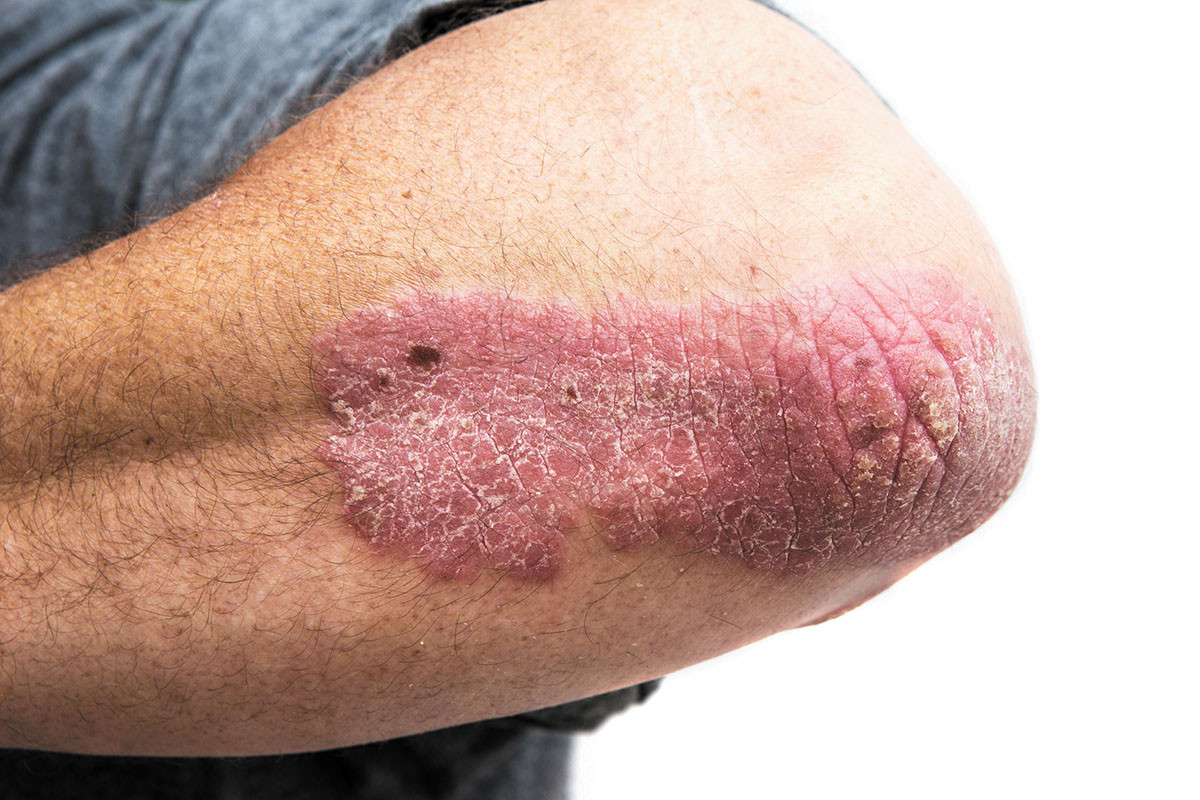
A deeper look at psoriasis
There are ways to shorten flare-ups and, in some people, prevent them from recurring.
Image: © JodiJacobson/Getty Images
Psoriasis is a big star on TV drug ads, but this autoimmune skin disease is something most people try to keep well hidden.
"Psoriasis is among the most common skin conditions, affecting about 2% of the U.S. population, and while the condition doesn't affect everyone the same way, the approach to treatment and prevention is often similar," says Dr. Gideon Smith, an assistant professor of dermatology at Harvard-affiliated Massachusetts General Hospital.

The age of statins
Healthy older adults ages 75 and older might not benefit from the drugs to protect against cardiovascular disease.
Image: © rogerashford/Getty Images
Cardiovascular disease is the leading cause of death for people ages 75 and over. The cholesterol-lowering statin drugs can help protect against heart attack or stroke, both for people who have already had one and those who are at high risk for one of these events.
But what if you are in this older age bracket and have no history of cardiovascular problems? Do you really need one of these cholesterol-lowering drugs to protect yourself from future heart attacks and strokes?
Hip bursitis vs. arthritis: How to tell the difference
Fitness for longevity: Which type matters most?
Ministrokes linked to elevated risk of dementia
Continuous glucose monitors benefit people who don't need insulin
CoQ10: Should you take this popular supplement if you're on a statin?
Microplastics: A hidden health threat?
Oat vs. dairy milk: Nutrition, benefits, and downsides
What is tempeh? Benefits, nutrition, and how to use it
Healing after food poisoning
Whole grains may improve several heart risk factors at once
Free Healthbeat Signup
Get the latest in health news delivered to your inbox!
Sign Up
