

Hip bursitis vs. arthritis: How to tell the difference

Fitness for longevity: Which type matters most?

Ministrokes linked to elevated risk of dementia

Continuous glucose monitors benefit people who don't need insulin

CoQ10: Should you take this popular supplement if you're on a statin?

Microplastics: A hidden health threat?

Oat vs. dairy milk: Nutrition, benefits, and downsides

What is tempeh? Benefits, nutrition, and how to use it

Healing after food poisoning

Whole grains may improve several heart risk factors at once
Vitamins, minerals & supplements Archive
Articles
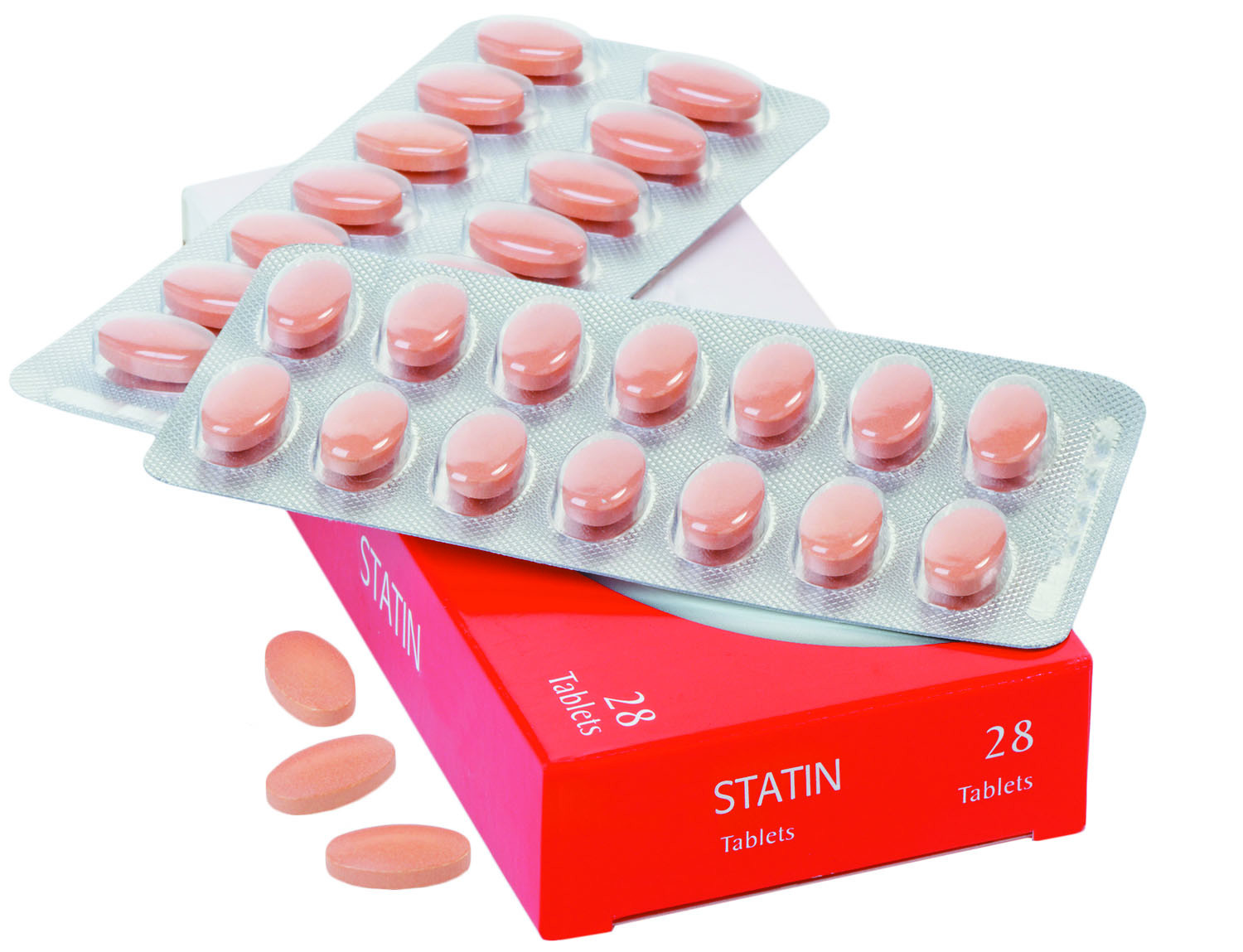
The new state of statins
Almost one-third of older adults take statins to help lower cholesterol levels, but new guidelines and research have restarted the conversation on the role statins play in your health.
Image: © rogerashford/Thinkstock
Since they were introduced two decades ago, statins have been touted as a driving force in helping many older men reduce their risk of heart attack and stroke.
New research even suggests these drugs might treat other conditions, like Alzheimer's disease, and lower your risk of death from cancer (see "Other statin uses?").

More green, less red
Studies promote the many health benefits of a vegetarian diet, but you don't need to go full veggie to reap the rewards.
Most men recognize the value of a vegetarian diet, but following one can feel daunting. "Men's diets tend not to change much as they age, and they stick with their favorite foods," says Dr. Qi Sun, an assistant professor in the Department of Nutrition at the Harvard T.H. Chan School of Public Health. "A change to vegetarianism can feel overwhelming and confusing and thus may not be sustainable."
A solution is to become a "semi-vegetarian": adopt a plant-based diet in which you cut out the red and processed meat and eat healthier animal products like seafood and poultry only occasionally.

The lowdown on constipation
Don't take constipation sitting down. Lifestyle changes can help you find relief.
Image: © rimglow; © Martin Poole; © sarahdoow; © ValentynVolkov/Thinkstock
Constipation may be unpleasant and embarrassing, but it should never be ignored. About one-third of adults ages 60 and older report at least occasional constipation, which can leave them feeling bloated, uncomfortable, and sluggish.
"It's an incredibly common problem, especially among older men, but it's important to address and manage, as it can affect your nutrition and quality of life," says Dr. Judy Nee, a gastroenterologist with Harvard-affiliated Beth Israel Deaconess Medical Center.
Can implantable hormone pellets prevent bone loss?
Ask the doctor
Q. I've heard that bioidentical hormone pellets injected near the hip are more effective than bone-building drugs in stopping bone loss and preventing hip fracture. Is this true?
A. The FDA hasn't approved hormone pellets for preventing or treating bone loss. Moreover, there are no randomized controlled trials on record, so we don't know whether hormone pellets are more effective — or even as effective — as the FDA-approved medical therapies. Finally, there aren't any published reports explaining how the hormones are metabolized in the body or the side effects they may have.
Anti-inflammatory diet could reduce risk of bone loss in women
Research we're watching
Because several studies have connected inflammation to bone loss and fractures, researchers from Ohio State University wondered if dietary choices that contribute to inflammation are also related to declines in bone density.
The team looked at the diets of 160,191 postmenopausal women enrolled in the Women's Health Initiative and assigned each of them a dietary inflammation score based on 32 foods the women reported consuming in the three months prior to their enrollment. All the women completed dietary questionnaires and had scans to measure bone density at the beginning of the study and three and six years later.

Long-term use of opioids may depend on the doctor who prescribes them
Some doctors are more likely to prescribe opioids to their patients, and those patients are more likely to end up taking them long-term. It's crucial for consumers to educate themselves about the risks of taking opiates, and to consider alternatives if possible.


Short circuit migraines before they start
Author and migraine sufferer Joan Didion once wrote, "That no one dies of migraine seems, to someone deep into an attack, an ambiguous blessing." At that time, migraines weren't something that could be prevented. Today, that's a possibility for some people who have severe migraines, frequent migraines (more than three or four times a month), or migraines that don't respond well to treatment.
The cornerstone of migraine prevention is managing triggers like stress or certain foods or strong perfumes. Alternative and complementary therapies (like acupuncture) help some migraine sufferers keep headaches at bay.
Hip bursitis vs. arthritis: How to tell the difference
Fitness for longevity: Which type matters most?
Ministrokes linked to elevated risk of dementia
Continuous glucose monitors benefit people who don't need insulin
CoQ10: Should you take this popular supplement if you're on a statin?
Microplastics: A hidden health threat?
Oat vs. dairy milk: Nutrition, benefits, and downsides
What is tempeh? Benefits, nutrition, and how to use it
Healing after food poisoning
Whole grains may improve several heart risk factors at once
Free Healthbeat Signup
Get the latest in health news delivered to your inbox!
Sign Up
