

Hip bursitis vs. arthritis: How to tell the difference

Fitness for longevity: Which type matters most?

Ministrokes linked to elevated risk of dementia

Continuous glucose monitors benefit people who don't need insulin

CoQ10: Should you take this popular supplement if you're on a statin?

Microplastics: A hidden health threat?

Oat vs. dairy milk: Nutrition, benefits, and downsides

What is tempeh? Benefits, nutrition, and how to use it

Healing after food poisoning

Whole grains may improve several heart risk factors at once
Vitamins, minerals & supplements Archive
Articles

7 questions to ask when you’re given a prescription for an opioid
A discussion with your doctor may minimize your chance of becoming dependent on or addicted to these powerful painkillers.
Opioid misuse is now one of most important health problems in the United States, rivaling smoking as a cause of death. Although news reports tend to focus on an opioid crisis among the young, the opioid epidemic is increasingly affecting older people as well. In fact, the rates of hospitalization for opioid overdoses among Medicare recipients quintupled from 1993 through 2012. Although older people are still less likely than younger ones to become addicted or succumb to opioid overdoses, they are more likely to suffer side effects from extended opioid use, including memory and cognition problems and falls.
"Opioid use and pain management is something we deal with constantly," says Dr. Michael L. Barnett, assistant professor of health policy at the Harvard T.H. Chan School of Public Health. According to a report from the U.S. Department of Health and Human Services, nearly one-third of Medicare beneficiaries received at least one prescription for opioids in 2015, and those who did got an average of five such prescriptions or refills. Dr. Barnett and a team of his colleagues decided to investigate how Medicare recipients get opioid prescriptions in the first place.

Why nutritionists are crazy about nuts
Mounting evidence suggests that eating nuts and seeds daily can lower your risk of diabetes and heart disease and may even lengthen your life.
If your idea of healthy eating was formed a few decades ago, it may be hard to shake the notion that you should avoid nuts, which are high in calories and fat. But new evidence has overturned that assumption. In fact, a recent analysis of the nation's eating habits and health outcomes suggests that eating too few nuts and seeds is associated with an increased risk of dying from cardiovascular disease or diabetes.
For that study, in the March 7, 2017, Journal of the American Medical Association, researchers from the Tufts Friedman School of Nutrition Science and Policy relied on a model that used data from scores of observational studies on diet and health, including the National Health and Nutrition Examination Surveys, which provided detailed information on Americans' eating habits over the decade ending in 2012. They estimated that in 2012, over 300,000 deaths from heart disease, stroke, or type 2 diabetes — about 45% of all deaths from those conditions — were associated with eating either too much or too little of 10 nutrients.

The "other" incontinence — don't suffer in silence
Most people who are suffer from fecal incontinence do so in silence. As a result, the number of people with the condition — which results in the involuntary release of gas or stool — isn't known. But the scant evidence at hand indicates that it usually begins during one's 40s or 50s.
You don't have to live with incontinence — there are treatment options, which include dietary changes and bowel training regimens, and surgery for some people.


Do calcium supplements interfere with calcium-channel blockers?
Do calcium supplements interfere with calcium-channel blockers?
Ask the doctors
Q. I've just been prescribed the calcium-channel blocker Norvasc [amlodipine] for high blood pressure. I also take a 600-milligram calcium supplement every day for my bones. Will they cancel each other out?
A. You don't need to worry about taking a daily calcium supplement with a calcium-channel blocker. In the body, calcium not only builds bones but also powers muscle contractions. Calcium-channel blockers lower blood pressure by reducing the amount of calcium available to contract blood vessels. However, they don't prevent calcium in the blood from being incorporated into bone.
Short-term estrogen use doesn’t protect against dementia, study indicates
Research we're watching
Although hormone therapy was once thought to help preserve cognitive function after menopause, there is mounting evidence to the contrary, including a recent report from the Kuopio Osteoporosis Risk Factor and Prevention Study.
Researchers in that project sent questionnaires to all women ages 47 to 56 who lived in the Finnish province of Kuopio in 1987. The women completed questionnaires every five years, providing information about their lifestyles, medication use, and illnesses. The researchers checked the information in the questionnaires against prescription registries and medical records up to 2009.
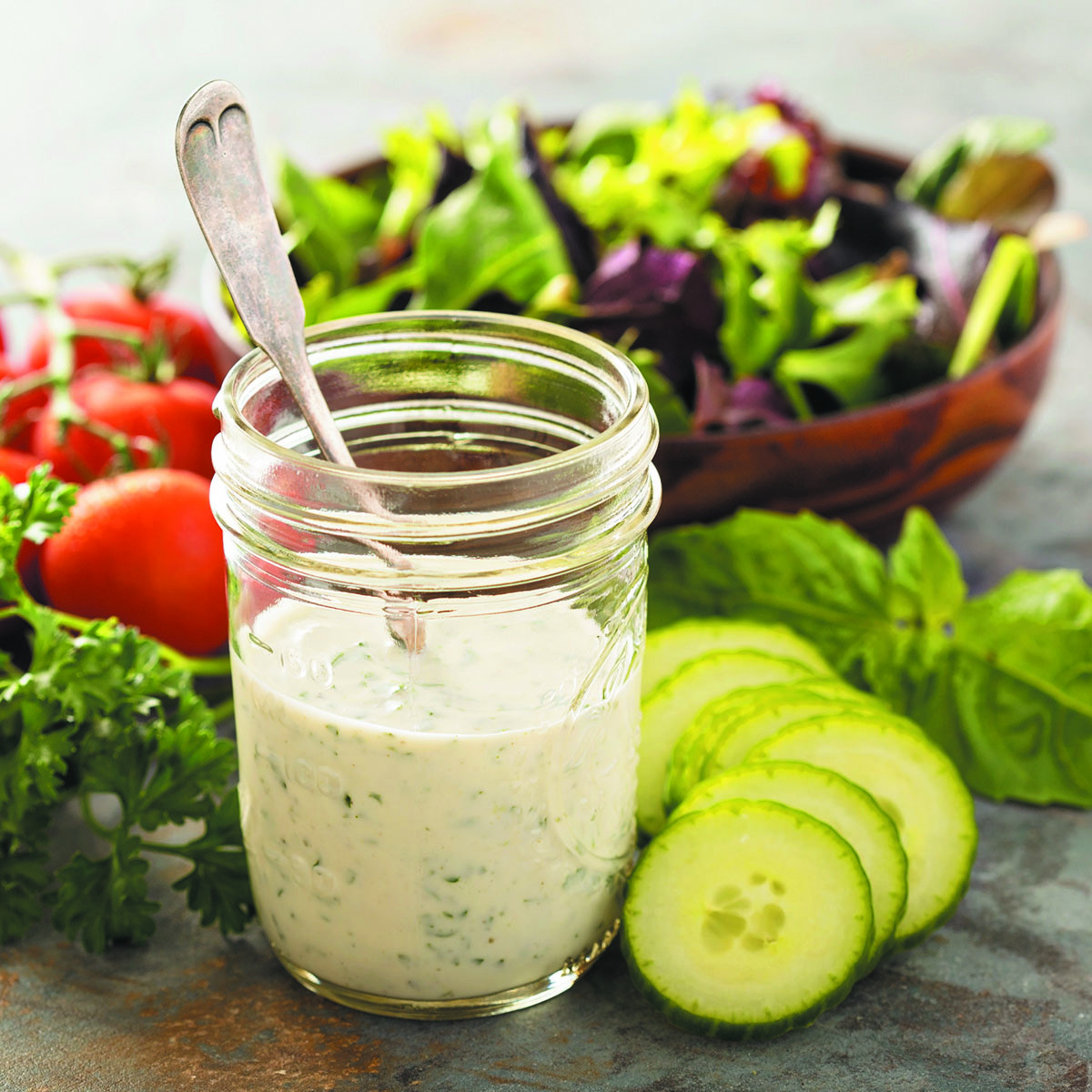
Is your salad dressing hurting your healthy diet?
Bottled dressings are often rich sources of saturated fat, calories, sodium, and added sugar.
Image: © VeselovaElena/Thinkstock
You're eating more salad for good health. But you may be undoing the benefits when you use a store-bought salad dressing.
"I have some clients who say they'll only eat salad if they can use dressing. That can add a lot of calories, sodium, sugar, and saturated fat," says registered dietitian Kathy McManus, director of the Department of Nutrition at Harvard-affiliated Brigham and Women's Hospital.
Fluid around the heart
Ask the doctor
Q. My uncle was told he had fluid around his heart. What does that mean, and how is it treated?
A. The heart is surrounded by a thin, two-layer sac called the pericardium. It protects the heart, limits its motion, and prevents it from expanding too much when blood volume increases. Normally, there isn't any fluid between the pericardium and the heart muscle. But there are many reasons fluid can accumulate in this space, including an infection, a heart attack, surgery, cancer, kidney failure, and a host of other conditions.

Breakfast and beyond: The case for a healthy morning meal
A breakfast containing lean protein, whole grains, and fruit may lower your risk of cardiovascular disease.
Image: © VeselovaElena/Thinkstock
Yes, you've heard it before — don't skip breakfast. Like many other popular sayings, this advice bears a kernel of scientific truth. But why is breakfast so important? "Quite simply, eating breakfast supports good health," says Kathy McManus, director of the Department of Nutrition at Harvard-affiliated Brigham and Women's Hospital. Coming as it does after the day's longest period without food, breakfast seems to influence metabolism more strongly than lunch or dinner. Failing to break your fast with a meal shortly after rising might strain your body, which could in theory lead to insulin resistance, and perhaps even other heart risk factors like high blood pressure and cholesterol problems, though this is all controversial.
A healthy morning meal also appears to be helpful in maintaining a good body weight. It may be a coincidence, but the downward trend in breakfast consumption over the last 40 years has coincided with the surge in obesity rates over the same period. In contrast, breakfast eaters are about a third less likely to be overweight or obese, and tend to be more successful in maintaining weight loss after dieting. They also show greater restraint when it comes to impulse snacking and overeating at other meals.
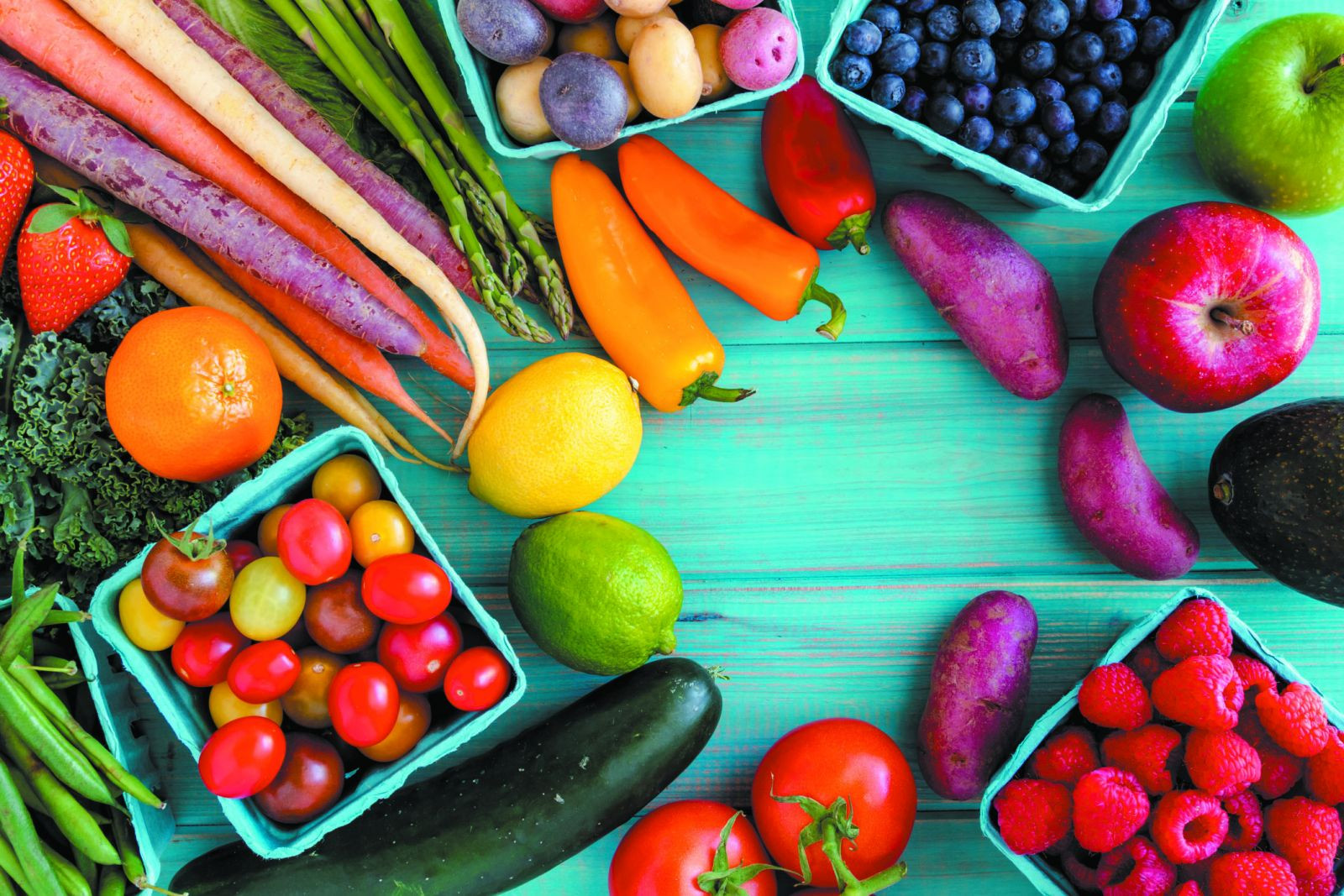
Fruits and vegetables for heart health: More is better
Research we're watching
Image: © tvirbickis/Thinkstock
How many daily servings of fruits and vegetables should you eat to keep your heart healthy? Five servings a day (about two-and-a-half cups) appears to slightly lower your risk of heart attack and stroke. But pump up your produce intake to 10 servings a day, and you may lower your risk of cardiovascular disease by 28% and your risk of premature death by 31%, according to a new review article.
The findings, published online Feb. 22, 2017, by the International Journal of Epidemiology, were gleaned from 95 studies from around the world looking at the effects of fruit and vegetable intake. The items that seemed to offer the greatest benefits included apples, pears, oranges and other citrus fruits, green leafy vegetables, cruciferous vegetables (such as broccoli, cabbage, and cauliflower), and green and yellow vegetables (such as green beans, carrots, and peppers).
Hip bursitis vs. arthritis: How to tell the difference
Fitness for longevity: Which type matters most?
Ministrokes linked to elevated risk of dementia
Continuous glucose monitors benefit people who don't need insulin
CoQ10: Should you take this popular supplement if you're on a statin?
Microplastics: A hidden health threat?
Oat vs. dairy milk: Nutrition, benefits, and downsides
What is tempeh? Benefits, nutrition, and how to use it
Healing after food poisoning
Whole grains may improve several heart risk factors at once
Free Healthbeat Signup
Get the latest in health news delivered to your inbox!
Sign Up
