

Hip bursitis vs. arthritis: How to tell the difference

Fitness for longevity: Which type matters most?

Ministrokes linked to elevated risk of dementia

Continuous glucose monitors benefit people who don't need insulin

CoQ10: Should you take this popular supplement if you're on a statin?

Microplastics: A hidden health threat?

Oat vs. dairy milk: Nutrition, benefits, and downsides

What is tempeh? Benefits, nutrition, and how to use it

Healing after food poisoning

Whole grains may improve several heart risk factors at once
Vitamins, minerals & supplements Archive
Articles

No heart benefit from multivitamins, even if you have a lousy diet
Research we're watching
Image: © namenko/Thinkstock
Do you swallow a daily multivitamin, hoping to make up for a less-than-ideal diet? Sorry, but this strategy won't stave off heart disease, according to a study published online April 5, 2017, by JAMA Cardiology.
Previous research has also failed to find convincing evidence that a daily multivitamin lowers the risk of heart disease or cancer. But these studies didn't always account for the participant's dietary habits, which could potentially skew the results. In theory, people with poor diets might reap greater benefits from vitamins than those who eat healthier diets.

Statin side effects: Is the power of suggestion at play?
Research we're watching
People in drug studies sometimes experience positive effects even when they take inactive, fake pills (the so-called placebo effect). But sometimes, they experience negative effects from the fake drug — a phenomenon known as the nocebo effect. A new study suggests that the nocebo effect may explain some of the muscle pain and weakness reported by people who take cholesterol-lowering statins.
The study, in the May 2, 2017, Lancet, involved more than 10,000 people randomly assigned to take a statin or a placebo. The study was "double blind," meaning neither the participants nor the researchers knew who was taking statins. After about three years, the statin proved effective, and all the participants were offered the choice of taking the drug. Most of them continued in this "unblinded" study for an additional two years, and 65% opted to take the statin.

How steak and eggs may increase heart attack risk
Image: © gbh007/Thinkstock
New research may help explain why diets rich in animal-based foods are linked to a higher risk of heart attack.
The average American diet contains about 300 milligrams per day of choline, a nutrient found in meat, eggs, and milk. Earlier research found that when gut bacteria feed on choline, they make a compound called TMA. In the liver, TMA is converted to TMAO — a compound closely tied to heart disease risk.
When is heavy sweating a problem?
On call
Image: © EunikaSopotnicka/Thinkstock
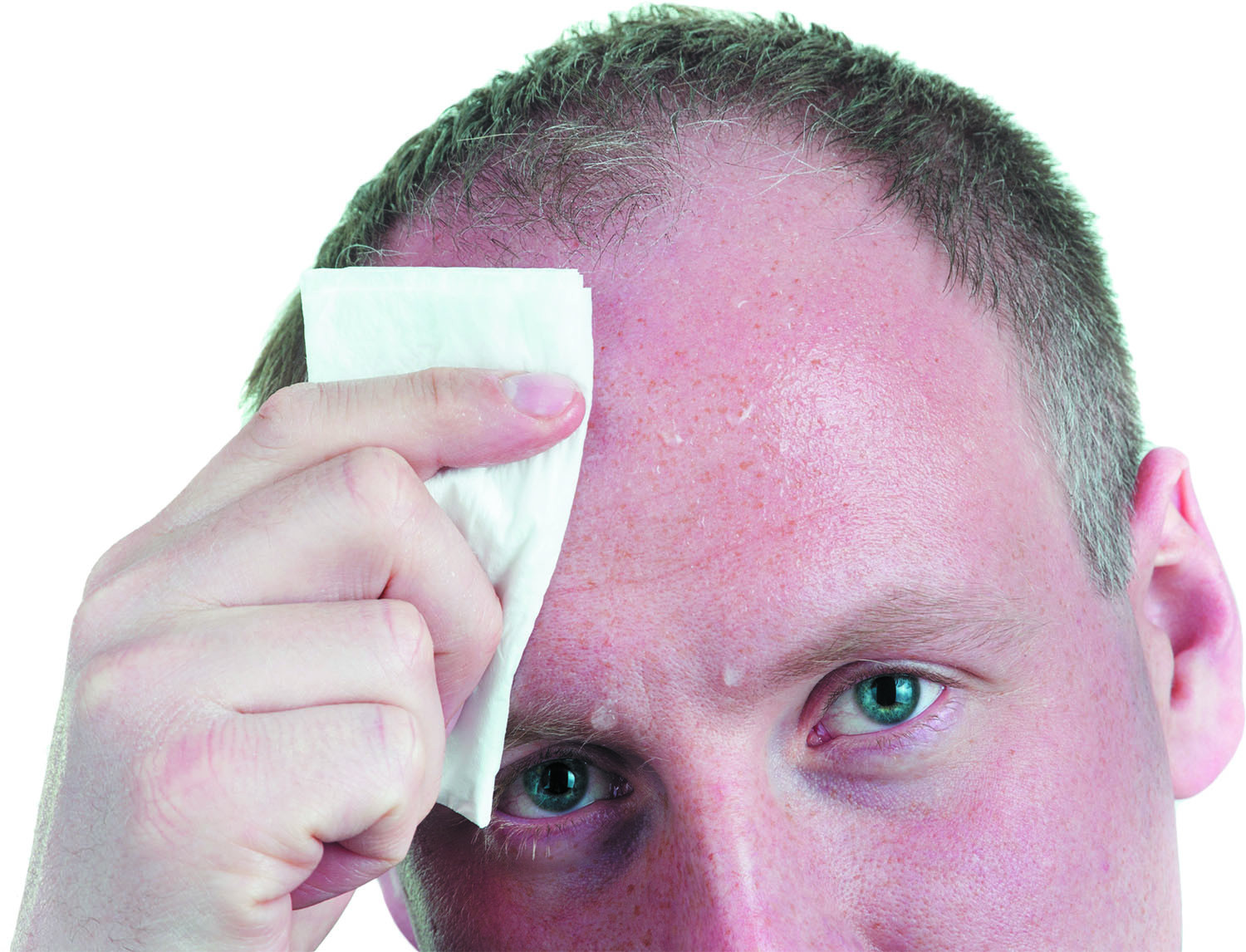
Q. I've noticed recently that I sweat excessively, regardless of the temperature. Should I be concerned?
A. Your genes can determine whether you sweat a lot, but a sudden change in your regular sweating may suggest an underlying condition. Sweating is regulated by your nervous system and can be triggered by a number of causes. The primary signal for perspiration originates in the brain in response to a temperature-related or emotional cue, and then is carried by the autonomic nervous system to the sweat glands in the skin.
Are there any benefits to exercising on an empty stomach?
On call
Q. I have heard that exercising on an empty stomach burns more fat and at a faster rate. Is this true?
A. When the body is in a fasting state, several backup mechanisms ensure your muscles and brain get the necessary sugar for fuel. During exercise, after your body's sugar stores are exhausted, the body then taps into stored fat and turns that into sugar or turns protein from muscle into sugar. This has led to the hypothesis that exercising when the body is already "sugar starved" will lead to more rapid fat burning.
Counting on fewer calories
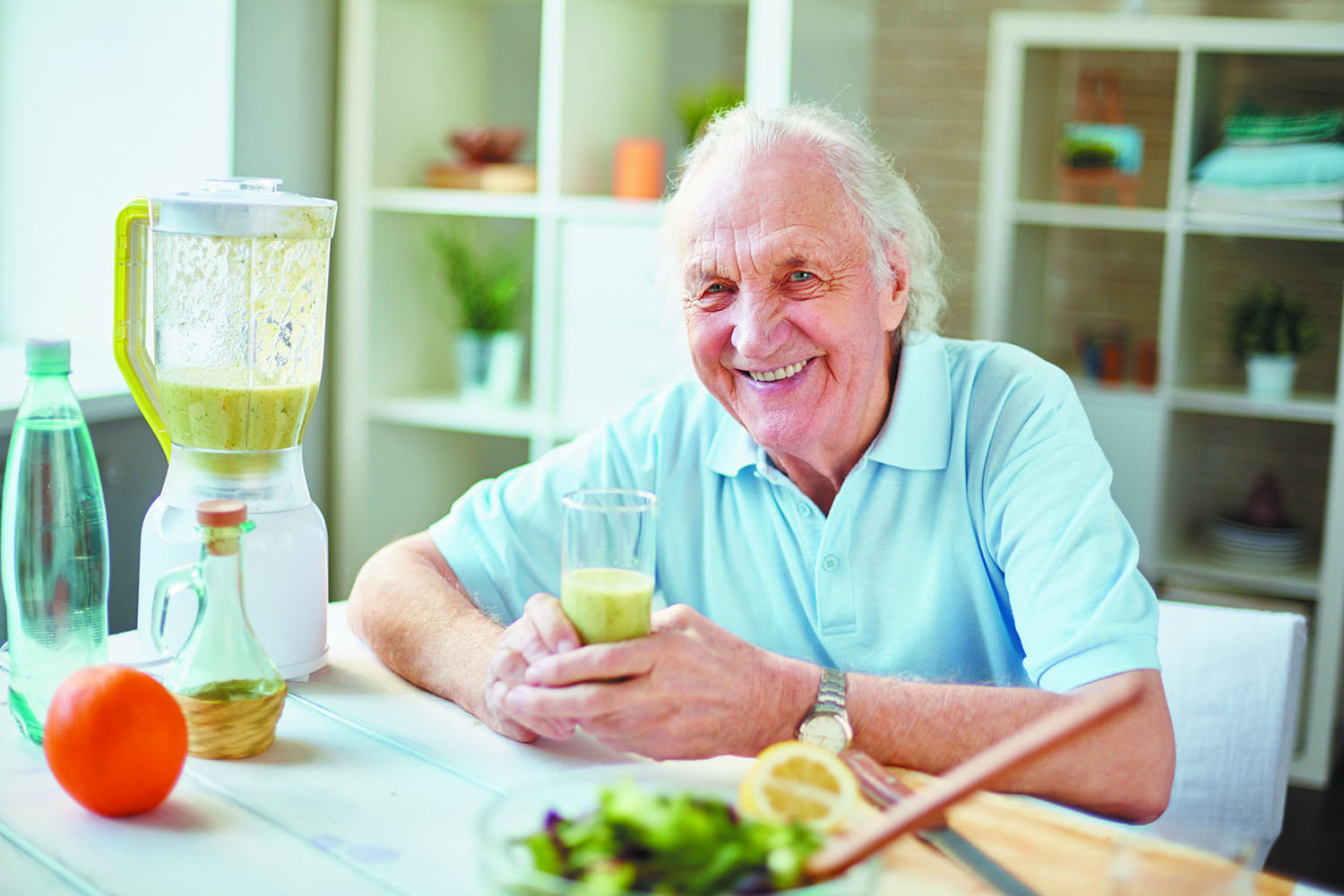
Can curbing your usual daily calorie intake by 10% improve health and longevity?
Image: © shironosov/Thinkstock
There is a saying: "The less you eat, the longer you live." The rising rates of obesity have shown that Americans consume more than necessary, and cutting back on calories may be a smart move.
"People naturally gain about a pound a year, on average, beginning in middle age, so healthy weight needs to be a goal for older men," says Vasanti Malik, a research scientist in the Department of Nutrition at Harvard's T.H. Chan School of Public Health. "That is why being mindful of how many calories you really need — and perhaps cutting back some, an approach called calorie restriction — may help some men stay healthy and maybe even live longer."
Can I use red yeast rice instead of a statin to lower my cholesterol?
Ask the doctors
Q. My bad cholesterol has been rising, and my doctor suggested that I start taking a statin. I've read that red yeast rice has many of the cholesterol-lowering benefits of a statin, and I would rather go the natural route. However, I recently heard on a newscast that red yeast rice can have adverse effects on the kidneys. Is it still safe for me to take this supplement?
A. It's true that red yeast rice, which contains monacolin K, a chemical that's identical to the active ingredient in the cholesterol-lowering drug lovastatin (Mevacor), may reduce your LDL (bad) cholesterol and lower your total cholesterol. However, an independent analysis of a dozen 600-milligram (mg) capsules of red yeast rice products conducted a few years ago found that the actual monacolin K content varied widely — from 0.1 mg to 10.9 mg. (The lowest dose of lovastatin is 20 mg.) In addition, one-third of the products were contaminated with a potentially toxic compound called citrinin, which can damage the kidneys. The Food and Drug Administration (FDA) has blocked the sale of red yeast rice supplements that contain enough of the active ingredient to make them as effective as lovastatin because they haven't undergone the drug approval process. Unlike FDA-approved drugs, supplements can be sold without proof of effectiveness and purity.
No need to shun gluten if you don’t have celiac disease, study suggests
Research we're watching
Gluten, a storage protein in wheat, rye, and barley, triggers inflammation and intestinal damage in people with celiac disease. Due to concern that gluten may also increase the risk of obesity, diabetes, and cardiovascular disease among healthy people, the number of people without celiac disease who have adopted a gluten-free diet grew more than threefold from 2009 to 2014.
A team led by researchers from Harvard T.H. Chan School of Public Health used 20 to 30 years of data from the 64,714 women in the Nurses' Health Study and the 45,305 men in the Health Professionals Follow-up Study to examine the relationship of dietary gluten to the risk of chronic conditions such as coronary artery disease in people without celiac disease or heart disease. All the participants had completed questionnaires on their diet and health every four years from 1986 through 2010.
Antibiotic use linked to increased risk of precancerous colon polyps
Research we're watching
Recent evidence suggests that antibiotics, which affect the makeup of intestinal bacteria, might be associated with an increased risk of colorectal cancer. A team led by researchers from Harvard Medical School wanted to see if antibiotic use is also associated with adenomatous polyps, precursors of colon cancer that significantly increase the risk of developing the disease.
The team analyzed data from 16,642 women ages 60 or older participating in the Nurses' Health Study. They first looked at participants' antibiotic use from ages 20 through 59 and in the most recent four years. They also checked the results with the women's colonoscopies and found 1,195 cases of adenomatous polyps.
Hip bursitis vs. arthritis: How to tell the difference
Fitness for longevity: Which type matters most?
Ministrokes linked to elevated risk of dementia
Continuous glucose monitors benefit people who don't need insulin
CoQ10: Should you take this popular supplement if you're on a statin?
Microplastics: A hidden health threat?
Oat vs. dairy milk: Nutrition, benefits, and downsides
What is tempeh? Benefits, nutrition, and how to use it
Healing after food poisoning
Whole grains may improve several heart risk factors at once
Free Healthbeat Signup
Get the latest in health news delivered to your inbox!
Sign Up
