

Hip bursitis vs. arthritis: How to tell the difference

Fitness for longevity: Which type matters most?

Ministrokes linked to elevated risk of dementia

Continuous glucose monitors benefit people who don't need insulin

CoQ10: Should you take this popular supplement if you're on a statin?

Microplastics: A hidden health threat?

Oat vs. dairy milk: Nutrition, benefits, and downsides

What is tempeh? Benefits, nutrition, and how to use it

Healing after food poisoning

Whole grains may improve several heart risk factors at once
Vitamins, minerals & supplements Archive
Articles



Can you, should you, have medically tailored food delivered to your home?
Food promotes wellness when it follows your unique dietary needs.
Image: © Highwaystarz-Photography/Thinkstock
When you're coping with chronic illness or recovering from a hospital stay, you're probably not giving much thought to what's for dinner. Your focus instead may be on your doctor appointments or your medication regimen. But the food on your plate plays a crucial role in ensuring better health. You may need to meet a certain calorie intake or observe dietary restrictions (low salt or low potassium, for instance).
"In many cases, the diet part of that treatment plan is as important or more important than the medication you're taking," says Dr. Eric Rimm, a professor of epidemiology and nutrition at the Harvard T.H. Chan School of Public Health.

Is chocolate heart-healthy?
Ask the doctor
Q. I keep hearing that chocolate is good for heart health. Is it too good to be true?
A. It is not too good to be true — but it also is complicated. We have previously discussed studies indicating that foods derived from the cocoa bean — in particular, dark chocolate, which has a higher cocoa content than milk chocolate — are heart-healthy. Specifically, people who eat more chocolate have lower rates of heart attacks, heart failure, and even death from heart disease.

Think twice before going gluten-free
News briefs
Image: © Elenathewise/Thinkstock
Unless you have celiac disease, banning gluten from your diet won't boost your heart health—and may actually hurt it, suggests an observational study published May 2, 2017, in The BMJ. Gluten is a protein in wheat, barley, and rye. In people with celiac disease, eating gluten triggers the body to attack the small intestine, causing inflammation and leading to malnutrition and gastrointestinal distress. The inflammation, in turn, can increase heart disease risk. In these people, eliminating gluten stops the attack on the small intestine, reduces inflammation, and helps reduce heart disease risk.
A Harvard research team wondered whether people without celiac disease might also lower their heart disease risk by eliminating gluten from their diets. In a study of more than 110,000 healthy men and women followed for about 25 years, the researchers did not find a clear difference in the number of heart attacks that occurred among people who ate the most gluten each day, compared with people who ate the least. However, in people who avoided gluten by avoiding whole grains — which contain valuable nutrients — the risk of heart disease rose. So, if you're among the great majority of people who don't have celiac disease, avoiding gluten won't reduce your risk of heart disease, and it might increase the risk if it means you cut back on whole grains.

4 things you can do if the price of your medication skyrockets
Prescription prices can rise without warning, but there are things you can do to pay less for the drugs you need.
Image: © Wavebreakmedia/Thinkstock
Recent news has brought reports of sudden jumps in medication prices. In August 2015, the price of pyrimethamine (Daraprim), a drug used to treat the parasitic infection toxoplasmosis, leaped from $13.50 to $750 per capsule. From May 2011 to May 2015, the price for a two-pack of EpiPens, the epinephrine autoinjectors that treat potentially fatal allergic reactions, rose from $160 to $608.
Even commonly used drugs that have been on the market for decades have been subject to unexpected price increases. In the past few years, the prices of generics — antibiotics like doxycycline and erythromycin and heart medications like captopril and digoxin — have shot up.

Is my painkiller an opioid?
Ask the doctors
Q. I'm currently taking a pill that combines 5 milligrams (mg) of oxycodone and 325 mg of acetaminophen. It keeps my pain under control and doesn't seem to interfere with other medicines I'm taking. However, I was reading about opioids and wonder if it falls in that category. If it does, should I be taking it?
A. Oxycodone is an opioid, but acetaminophen, the generic form of Tylenol, isn't. A combination of the two, sold as Endocet, Percocet, and Roxicet, as well as in a generic version, is a popular medication for pain control. Both oxycodone and acetaminophen should be used with caution. Oxycodone should be taken for the shortest time possible because long-term use of oxycodone has been associated with addiction and dependence. High doses of acetaminophen can cause liver damage.

What can precision nutrition offer you?
A diet tailored to your DNA may be in the future, but you can personalize your eating plan now in several ways.
The one-size-fits-all approach hasn't been very successful, either in clothing or in medicine, because most of us are not the "average" woman. That's one reason researchers are now investigating whether customizing peoples' diets according to their DNA — an approach known as precision nutrition — can improve their health.
As the cost of sequencing an individual's genome (a readout of all a person's DNA) has continued to fall, incorporating genetic information into nutrition advice has become increasingly feasible, says Dr. Frank Hu, chairman of the Department of Nutrition at Harvard's T.H. Chan School of Public Health. The ready availability of human genetic information has given rise to a new scientific field, nutrigenomics — the study of the influence of people's genes on how they metabolize nutrients. Nutrigenomics has opened the door to precision nutrition — the creation of individualized eating plans based on a person's genome.
Statin use may not benefit people ages 75 or older, study suggests
Research we're watching
To provide more information on the value of statins for older people, which is still a matter of debate, researchers analyzed data on people over 65 who were enrolled in ALLHAT-LLT, a large study conducted between 1994 and 2002.
All participants (average age 71) had high cholesterol and high blood pressure but not heart disease. They were randomly assigned to two groups. One group, of 704 women and 763 men, took pravastatin (Pravachol). The other group, of 711 women and 689 men, didn't take a statin. The analysis indicated that during the five-year study period, there was no significant difference between the groups in the frequency of heart attacks, deaths from heart disease, or deaths from any cause, either among participants ages 65 to 74 or among those 75 or older. The results were published online May 22, 2017, by JAMA Internal Medicine.
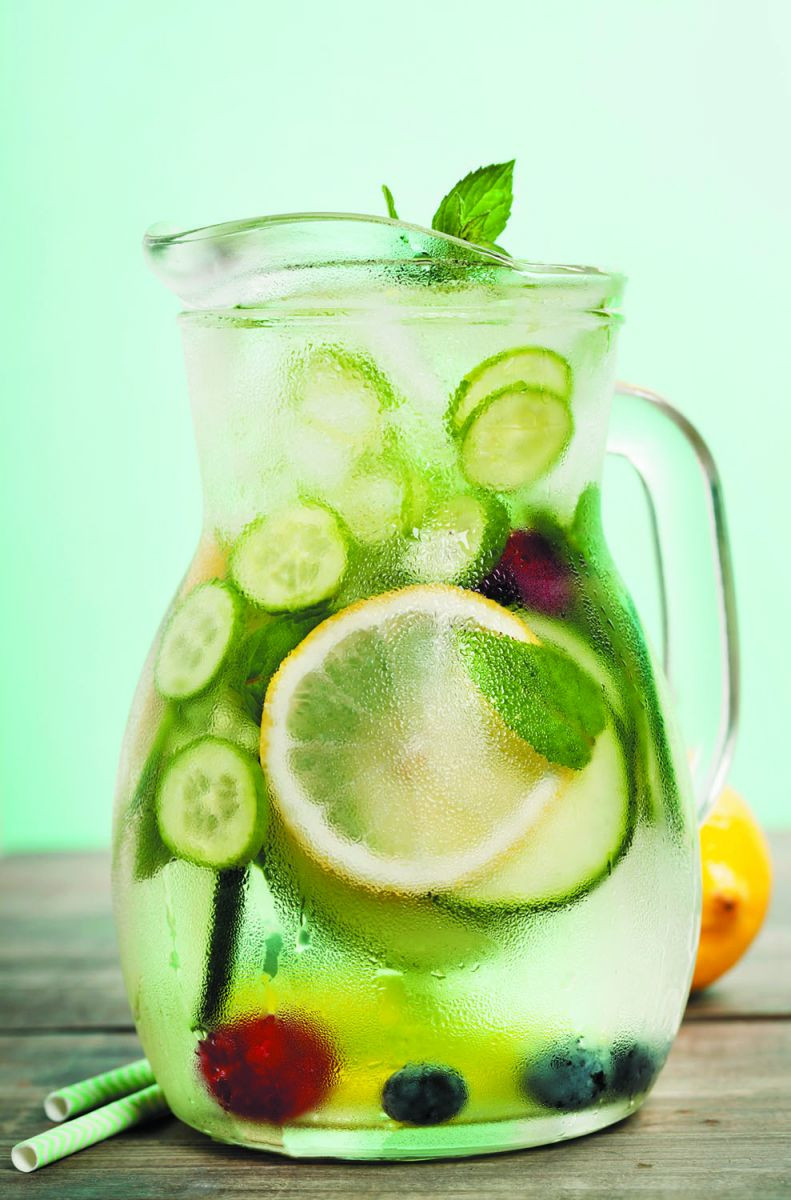
Does diet soda raise stroke risk?
Some studies suggest a possible link. But don't switch to regular sugary sodas — try infused water instead.
For diet soda fans, recent news reports linking these popular drinks to a higher risk of stroke may have been alarming. A closer look at the study behind the headlines suggests there's no need to panic. But beverages naturally low in calories are probably a healthier option than artificially sweetened drinks.
For starters, observational studies like this one (see "Diet soda and the brain: The latest findings") cannot prove cause and effect. Also, only 97 people had strokes during the 10-year follow-up, which means only two or three of those strokes could possibly be attributed to drinking diet soda, says Dr. Kathryn Rexrode, an associate professor of medicine at Harvard-affiliated Brigham and Women's Hospital who co-authored an earlier, larger study looking at soda consumption and stroke risk.
Hip bursitis vs. arthritis: How to tell the difference
Fitness for longevity: Which type matters most?
Ministrokes linked to elevated risk of dementia
Continuous glucose monitors benefit people who don't need insulin
CoQ10: Should you take this popular supplement if you're on a statin?
Microplastics: A hidden health threat?
Oat vs. dairy milk: Nutrition, benefits, and downsides
What is tempeh? Benefits, nutrition, and how to use it
Healing after food poisoning
Whole grains may improve several heart risk factors at once
Free Healthbeat Signup
Get the latest in health news delivered to your inbox!
Sign Up
