

Hip bursitis vs. arthritis: How to tell the difference

Fitness for longevity: Which type matters most?

Ministrokes linked to elevated risk of dementia

Continuous glucose monitors benefit people who don't need insulin

CoQ10: Should you take this popular supplement if you're on a statin?

Microplastics: A hidden health threat?

Oat vs. dairy milk: Nutrition, benefits, and downsides

What is tempeh? Benefits, nutrition, and how to use it

Healing after food poisoning

Whole grains may improve several heart risk factors at once
Vitamins, minerals & supplements Archive
Articles
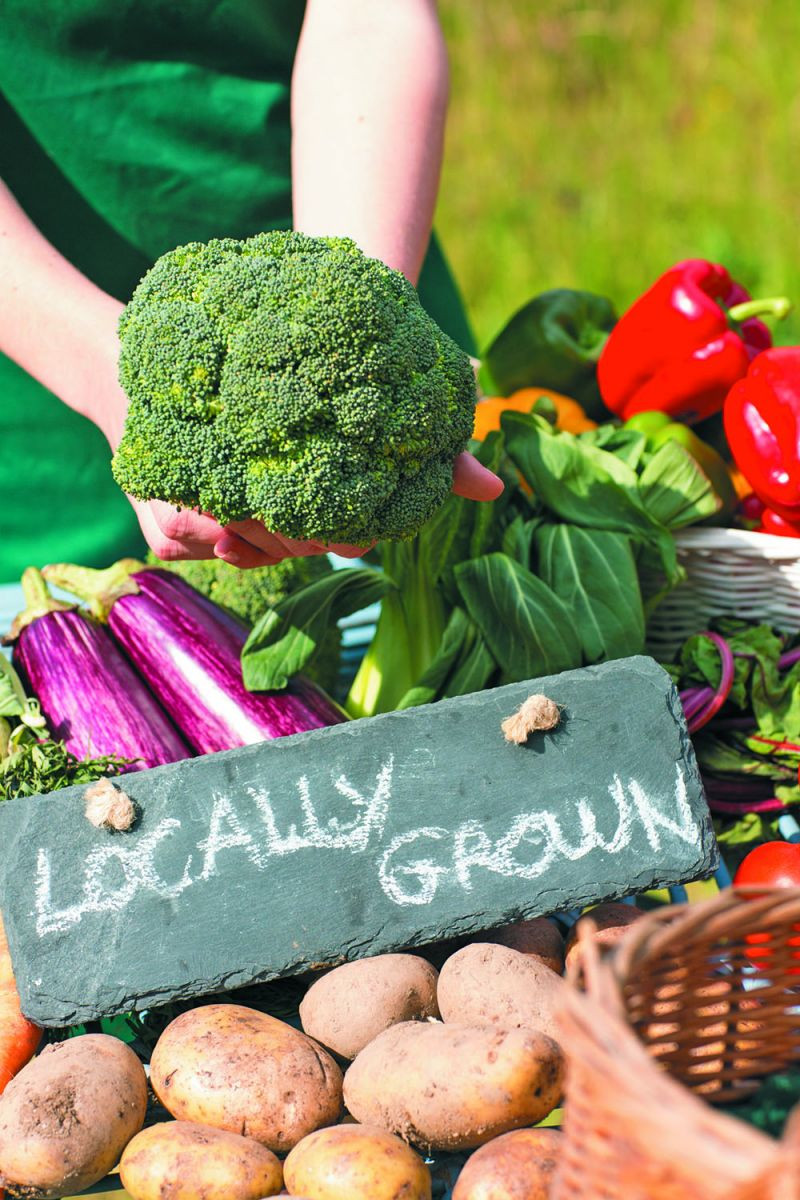
Avoiding health risks at the farmers’ market
Watch out for unpasteurized products, and ask vendors about food safety.
There's something magical about strolling through a farmers' market on a crisp autumn morning. The fruit and vegetables seem fresher there than they do in a store — apples taste tarter, tomatoes seem redder and riper. It's a farm-to-table connection that puts you in touch with nature and the harvest.
Maybe that's partly behind the explosion of farmers' markets across the country, climbing from about 2,000 markets in 1994 to more than 8,600 today, according to the Farmers Market Coalition. "It's a great way to get fresh produce and try different foods you may not have come across before. But it should be enjoyed with caution," urges Dr. Simi Padival, an infectious disease specialist with Harvard-affiliated Beth Israel Deaconess Medical Center.

Why didn’t mom think of this?
News briefs
Here's an idea to make vegetables more enticing: give them names that make them seem indulgent. An observational study published online June 12, 2017, by JAMA Internal Medicine found that diners in a large university cafeteria were more likely to put vegetables on their plates when the foods had less health-conscious names. Each weekday during the fall academic quarter, researchers took a batch of cooked vegetables and labeled them in one of four ways: basic (such as simply "green beans"); healthy restrictive (such as "light 'n' low-carb green beans and shallots"); healthy positive (such as "healthy energy-boosting green beans and shallots"); or indulgent (such as "sweet sizzlin' green beans and crispy shallots"). During the study period, diners usually went for vegetables with less healthy labels: 25% more people chose the indulgent option over basic labeling, 35% more people selected indulgent instead of healthy positive labeling, and 41% more people chose indulgent over healthy restrictive labeling. The indulgent label also led to people piling up to 33% more vegetables on their plates. The study didn't prove that the labels triggered the vegetable selections, and didn't prove that people actually ate their veggies. But the authors say using enticing food names appears to be a simple strategy to promote healthy eating.
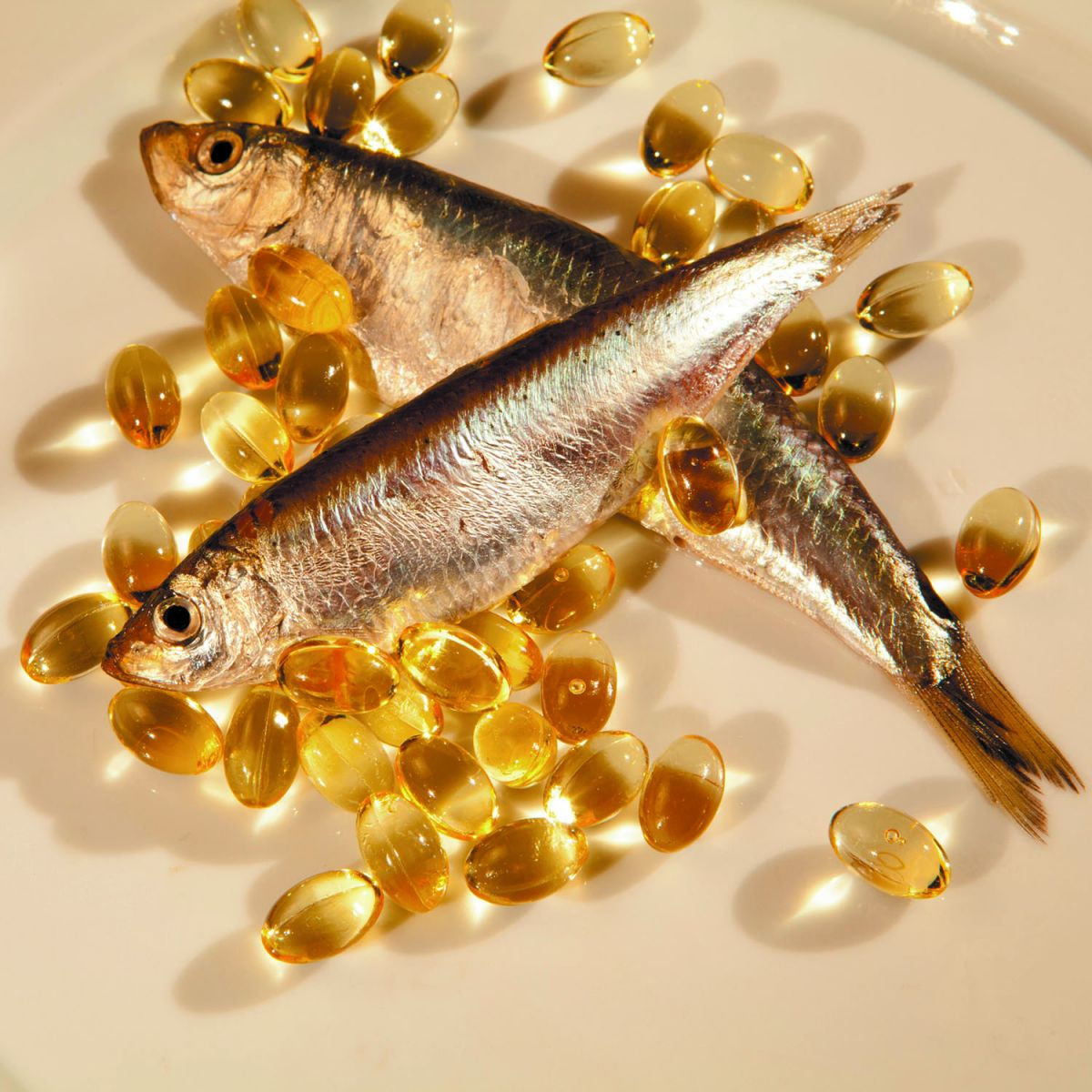
Taming high triglycerides without fish oil?
Ask the doctor
Image: © JanIngeskogheim/Thinkstock
Q. My doctor prescribed Lovaza to help lower my high triglyceride level, which is 530 milligrams per deciliter (mg/dL). But I'm a vegetarian and don't want to take a drug made from fish oil. Are there other options?
A. You're not alone: several of my vegetarian patients also have asked me this question. But let's begin with some background. Triglycerides — which are the main form of fat found in our bodies — are part of a standard lipid panel blood test. Values higher than 150 mg/dL are associated with a higher risk of heart disease.

Food trends and your heart
The type and amount of fat, carbohydrate, sugar, and salt in our food supply has changed over the years — for better and for worse.
Remember when packaged foods emblazoned with the words "fat free" seemed to be everywhere? Then came labels boasting "zero grams of trans fat." "Sugar free" and "low sodium" claims soon joined the chorus. These days, gluten-free foods are all the rage.
For the most part, these food industry trends echoed the nutritional mantras of the time and were designed to improve our health — especially cardiovascular health. Not only is heart disease the nation's leading killer, there's overwhelming evidence that better dietary choices could prevent many heart attacks and strokes. But just how successful have these efforts been?

A salad a day keeps stroke away?
Research we're watching
Image: © pilipphoto/Thinkstock
New research suggests that eating plenty of nitrate-rich vegetables — such as lettuce, spinach, and beets — may lower your risk of dying of a stroke or heart attack.
During digestion, your body converts nitrates into nitric oxide. This compound relaxes and widens blood vessels, which helps lower blood pressure. But does that translate to a longer life? To find out, researchers studied the diets of 1,226 older women who had no signs of fatty plaque in their arteries (atherosclerosis) and tracked them for 15 years.
Daily aspirin users 75 or older: Consider taking a stomach-protecting drug
Research we're watching
Roughly half of Americans ages 75 or older take a daily, low-dose aspirin to prevent a heart attack or stroke. New research suggests these people might benefit from taking a stomach-protecting drug to prevent a higher-than-expected risk of gastrointestinal (GI) bleeding.
The study, published online June 13, 2017, by The Lancet, involved nearly 3,200 people who were prescribed aspirin because of a previous heart attack or stroke. Researchers followed them for up to 10 years to see how many were hospitalized for bleeding — a well-known side effect of aspirin use. Upper GI bleeding usually results from a stomach ulcer, which can cause anemia, heartburn, and abdominal pain.

Which is better, high-fructose corn syrup or table sugar?
Ask the doctors
Image: © Hemant Mehta/Thinkstock
Q. I've been trying to avoid high-fructose corn syrup. Is table sugar a healthier alternative?
A. Wouldn't it be nice if there were a healthy sugar that you could eat guilt-free? Unfortunately, when it comes to high-fructose corn syrup and table sugar, there really isn't a "good" option. High-fructose corn syrup and table sugar are actually pretty similar from a chemical standpoint.

Making sense of the statin guidelines
Image: rogerashford/ iStock
For years, doctors prescribed cholesterol-lowing statins based largely on cholesterol test results. The goal was to lower total cholesterol to under 200 mg/dL, and LDL (bad) cholesterol to under 100 mg/dL. But in late 2013, new guidelines on statin use issued by the American Heart Association (AHA) and the American College of Cardiology (ACC) proposed a major change to that strategy.
These guidelines shifted from a numbers-based approach to a risk-driven approach. Instead of aiming for a specific cholesterol value, doctors were urged to look at a person's entire cardiovascular risk profile when considering treatment. This is a reasonable approach that can help better define when to initiate drug therapy.

Hip bursitis vs. arthritis: How to tell the difference
Fitness for longevity: Which type matters most?
Ministrokes linked to elevated risk of dementia
Continuous glucose monitors benefit people who don't need insulin
CoQ10: Should you take this popular supplement if you're on a statin?
Microplastics: A hidden health threat?
Oat vs. dairy milk: Nutrition, benefits, and downsides
What is tempeh? Benefits, nutrition, and how to use it
Healing after food poisoning
Whole grains may improve several heart risk factors at once
Free Healthbeat Signup
Get the latest in health news delivered to your inbox!
Sign Up
