

Hip bursitis vs. arthritis: How to tell the difference

Fitness for longevity: Which type matters most?

Ministrokes linked to elevated risk of dementia

Continuous glucose monitors benefit people who don't need insulin

CoQ10: Should you take this popular supplement if you're on a statin?

Microplastics: A hidden health threat?

Oat vs. dairy milk: Nutrition, benefits, and downsides

What is tempeh? Benefits, nutrition, and how to use it

Healing after food poisoning

Whole grains may improve several heart risk factors at once
Vitamins, minerals & supplements Archive
Articles
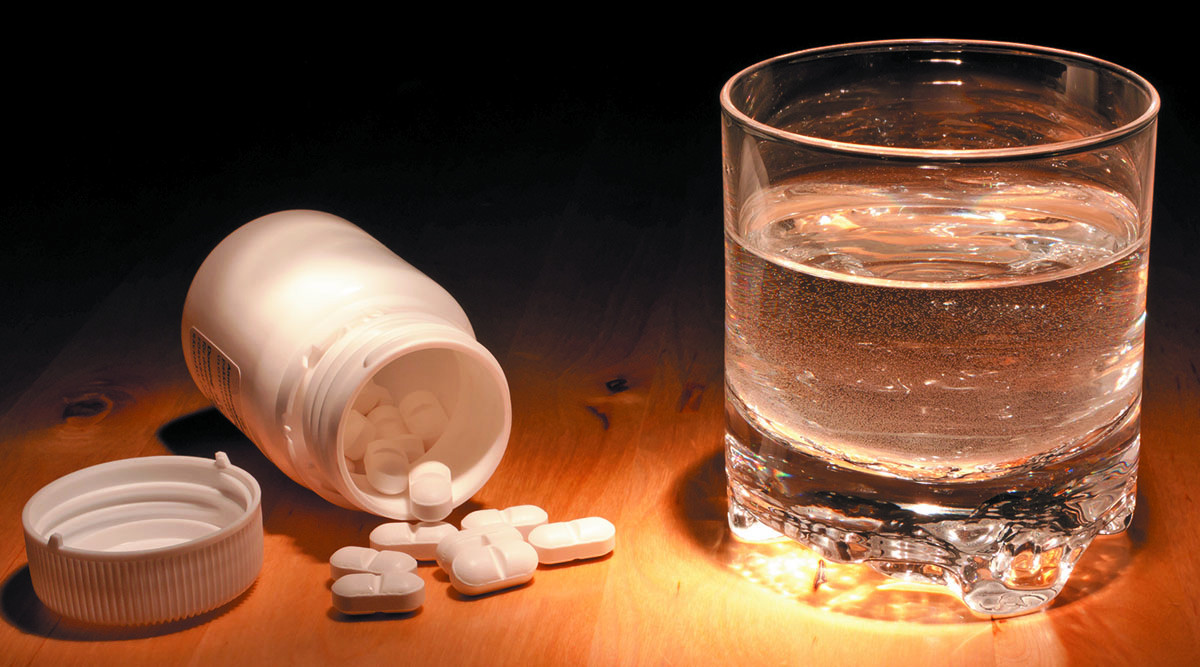
Pain relievers and heart attack risk
Research we're watching
Image: © FinStock/Thinkstock
Heart attack risk may rise within a week of taking daily high doses of certain over-the-counter pain relievers, according to a new study.
Previous research has linked the use of pain relievers known as nonsteroidal anti-inflammatory drugs (NSAIDs) to a heightened risk of heart attack. The new report, published in the May 9, 2017, issue of The BMJ, analyzed data from nearly half a million people, of whom about 61,000 had heart attacks.
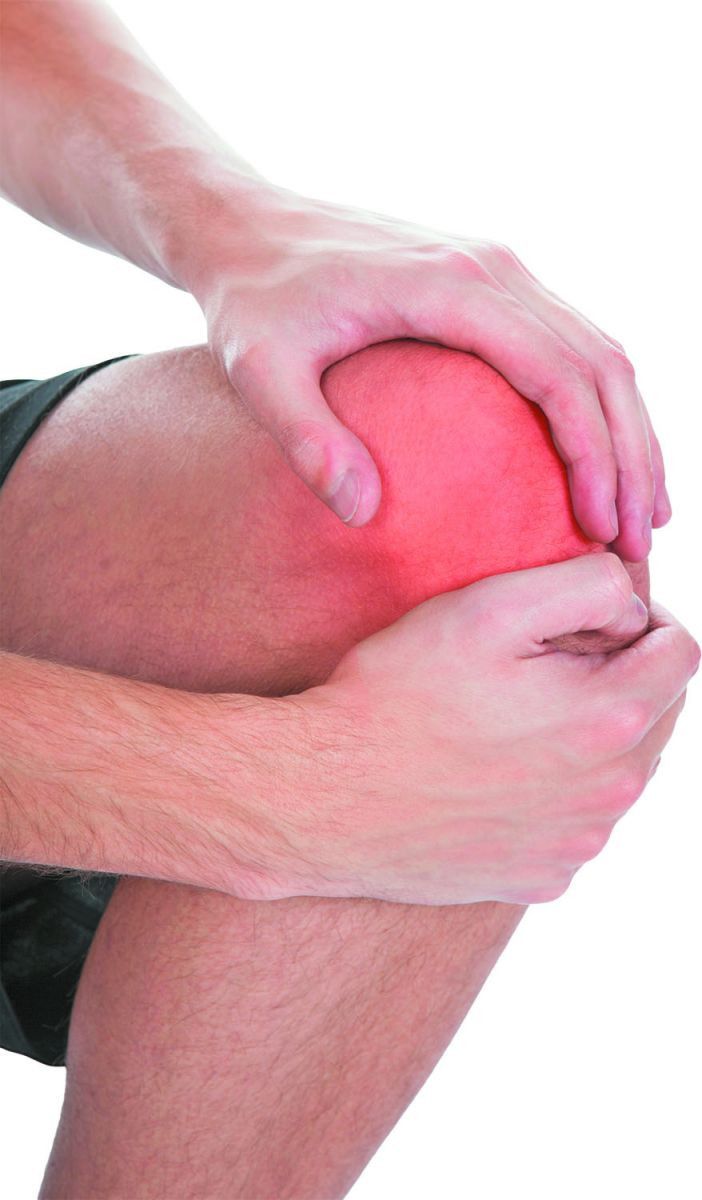
Steroid injections do little for long-term knee osteoarthritis pain
In the journals
Corticosteroid injections are used to ease short-term knee osteoarthritis pain, but a new study in the May 16, 2017, Journal of the American Medical Association suggests the treatment may not help in the long term.
Researchers recruited two groups of 70 people, average age 58, with knee osteoarthritis. One group received 40 milligrams of the steroid triamcinolone (Kenacort, Kenalog, Artistocort) every three months for two years, while the other group got placebo injections. By the end, pain scores — measured on a scale from zero for no pain to 20 for extreme pain — had dropped by only 1.2 points among the steroid group, while the placebo group's score dropped by 1.9 points, neither of which was clinically significant.


Six healthy snacking strategies
How can you keep snacking from derailing your healthy eating program, not to mention weight control? Try these tips.
Don't skip meals. Skipping meals may seem like a good way to cut calories, but in fact this just makes you so hungry later in the day that you're vulnerable to devouring mega-portions of snack food, in order to supply your body with easily digested sugars.

What to do about mercury in fish
Fish is an excellent source of protein, and its healthy oils protect against cardiovascular disease. Because a diet rich in seafood protects the heart and aids neurological development, fish remains an important component of a healthy diet.
However, nearly all fish and shellfish contain traces of mercury, a toxic metal, and some seafood contains other contaminants known as persistent organic pollutants (POPs). As small fish are eaten by larger fish up the food chain, concentrations of mercury and POPs increase, so that large, predatory deep-ocean fish tend to contain the highest levels. That makes it best to avoid eating large fish, such as shark, swordfish, tilefish, and king mackerel. As long as you avoid these higher sources of mercury, the benefits of eating fish far outweigh the risks of mercury in fish.

This is your brain on alcohol
It's no secret that alcohol affects our brains. Although excessive drinking is linked to an increased risk of dementia, decades of observational studies have indicated that moderate drinking has few ill effects. However, a recent British study seems to have bad news for moderate drinkers.


Learn the risks of sleep aids
Some of these prescription medications are linked to daytime sleepiness, a risk of falls, and more.
Image: © mokee81/Thinkstock
Millions of Americans rely on prescription sleep medications, called sedative hypnotics, to fall asleep. While the drugs can help people get a decent night's rest, they are not designed for long-term use. "Each of the pills has its own risks," says sleep expert Dr. Lawrence Epstein, an instructor in medicine at Harvard Medical School.
Types of sleep aids
Sedative hypnotics fall into three categories.
Melatonin-receptor agonists such as ramelteon (Rozerem) leave the body quickly. They target melatonin receptors in the brain and are not thought to be habit-forming.
Clot prevention with a mechanical heart valve
Ask the doctor
Image: © Hailshadow/Thinkstock
Q. I have a mechanical heart valve, so I'm taking warfarin. But the frequent blood tests and occasional dose changes are bothersome. When, if ever, will I be able to take one of the new blood thinners instead of warfarin? Off-label use of other drugs is not uncommon. Why isn't that an option in this case?
A. Your question is a good one, and it requires a two-part answer. When doctors prescribe drugs "off-label," that means they believe the drug will help you, even if it has not been FDA-approved specifically for your condition. Sometimes, subsequent research provides strong evidence to support a specific off-label use, which may lead to the drug's FDA approval for that condition. But sometimes, research shows the exact opposite: a medication that doctors assumed would be beneficial is, in fact, not helpful — and sometimes even harmful.

Rethinking good cholesterol
A high HDL cholesterol level may not be as beneficial as once believed.
Image: © JFalcetti/Thinkstock
If you're hoping to avoid heart disease, you probably keep tabs on your blood cholesterol values — especially your low-density lipoprotein (LDL), or "bad" cholesterol. Too much LDL in the bloodstream helps to create the plaque that accumulates inside arteries, raising the risk of a heart attack. The lower your LDL, the lower your risk of having a heart attack.
In contrast, high-density lipoprotein (HDL) has long been known as the "good" cholesterol. These particles are known to patrol blood vessels, grabbing cholesterol from both the bloodstream and artery walls and ferrying it to the liver for recycling and disposal. In population-based studies, people with high HDL levels tend to have fewer heart attacks, while those with lower HDL values have more.
Hip bursitis vs. arthritis: How to tell the difference
Fitness for longevity: Which type matters most?
Ministrokes linked to elevated risk of dementia
Continuous glucose monitors benefit people who don't need insulin
CoQ10: Should you take this popular supplement if you're on a statin?
Microplastics: A hidden health threat?
Oat vs. dairy milk: Nutrition, benefits, and downsides
What is tempeh? Benefits, nutrition, and how to use it
Healing after food poisoning
Whole grains may improve several heart risk factors at once
Free Healthbeat Signup
Get the latest in health news delivered to your inbox!
Sign Up
