

Hip bursitis vs. arthritis: How to tell the difference

Fitness for longevity: Which type matters most?

Ministrokes linked to elevated risk of dementia

Continuous glucose monitors benefit people who don't need insulin

CoQ10: Should you take this popular supplement if you're on a statin?

Microplastics: A hidden health threat?

Oat vs. dairy milk: Nutrition, benefits, and downsides

What is tempeh? Benefits, nutrition, and how to use it

Healing after food poisoning

Whole grains may improve several heart risk factors at once
Vitamins, minerals & supplements Archive
Articles

Does drinking coffee offer health benefits?
On call
Image: © ktasimarr/Thinkstock
Q. I keep hearing about how great coffee is for your health. Is this just hype, or are there real benefits?
A. Multiple studies have associated drinking coffee with reduced rates of diseases, such as diabetes, kidney stones, and dementia. However, just because people who drink coffee appear to get certain health benefits, these types of studies don't prove that the coffee itself is the reason.
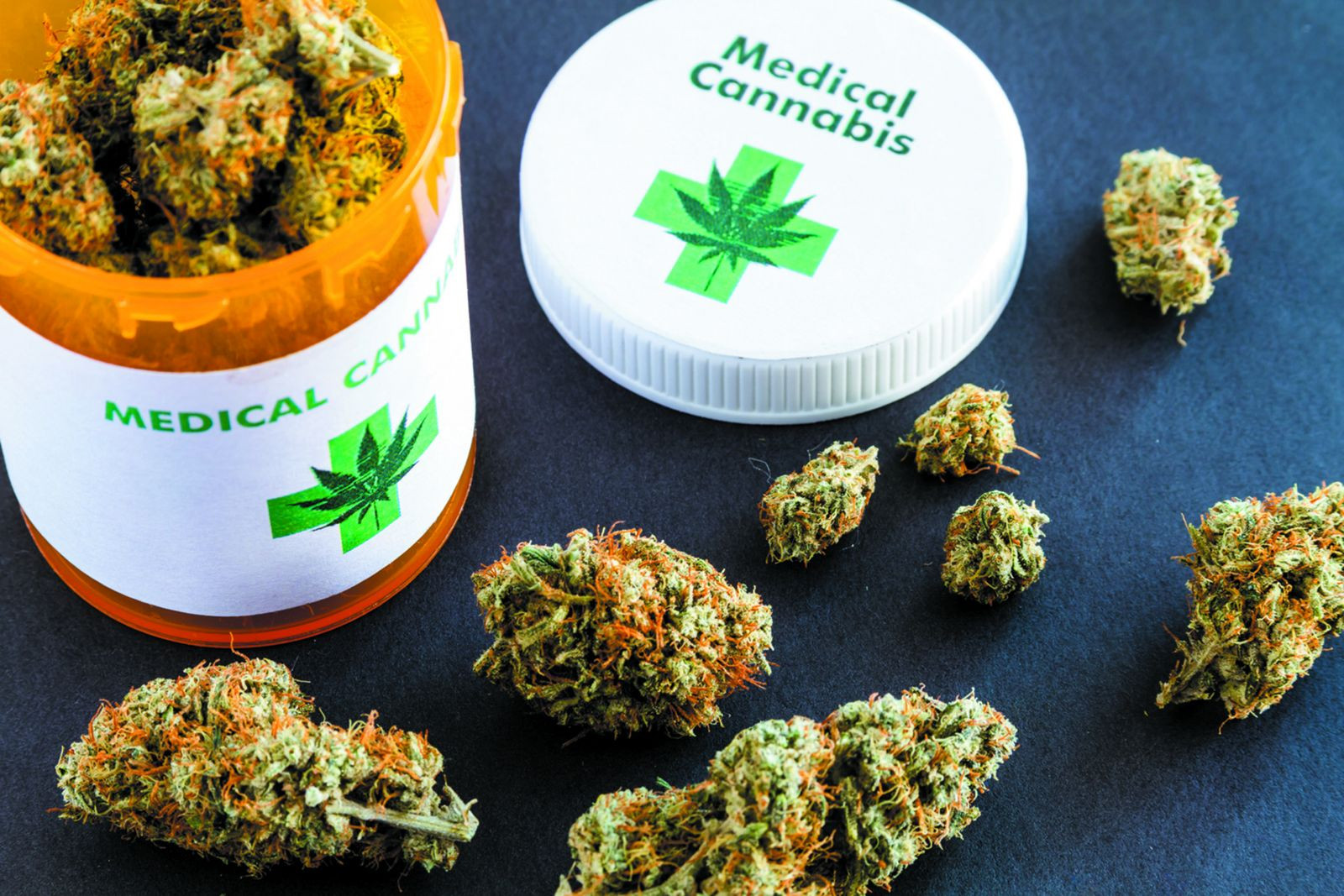
Medical marijuana: Know the facts
While the drug therapy is becoming more widely available, the science is still not clear on how it may help.
Image: © tvirbickis/Thinkstock
Medical marijuana has been approved in 28 states and the District of Columbia, but researchers are still trying to connect the dots as to how, and if, it works.
"Unfortunately, there are almost no uses of medical marijuana that have been subjected to the kind of rigorous testing you'd want for a pharmaceutical," says Dr. Kenneth Mukamal, associate professor of medicine at Harvard-affiliated Beth Israel Deaconess Medical Center. "This does not mean that it has no benefits, but only that the lack of human studies prevents us from being sure if medical marijuana can really help."

Is seltzer a better option than soda?
Ask the doctors
Q. I recently decided to give up soda and switched to flavored seltzer water. Is this a better choice for my health?
A. First, congratulations on giving up soda. Sugary drinks like soda have been linked to an increased risk of type 2 diabetes, heart problems, and other chronic health conditions, so that is definitely a win for your health. Switching to seltzer is a much better choice, provided you choose a brand that is sugar- and calorie-free.
Opioid misuse rising among older adults
Research we're watching
A growing number of older adults are misusing opioids, according to a new report by the Substance Abuse and Mental Health Services Administration of the U.S. Department of Health and Human Services. The 2014 National Survey on Drug Use and Health showed that the percentage of adults ages 50 and older using heroin or misusing prescription opioids jumped from 1.1% to 2% between 2002 and 2014. In contrast, opioid use in adults ages 18 to 25 dropped from 11.5% to 8.1% over the same period.
Drug use can bring particular risks to the health and well-being of older adults because they are more likely than younger people to have other illnesses and often take medications that can interact with opioids, according Center for Substance Abuse Treatment. "These findings highlight the need for prevention programs for all ages as well as to establish improved evidence-based treatment, screening, and appropriate referral services," Dr. Kimberly Johnson, director for the Center for Substance Abuse Treatment, said in a written statement.


Microwaving food in plastic: Dangerous or not?
Let's cover the original misinformation first: The earliest missives warned that microwaved plastic releases cancer-causing chemicals called dioxins into food. The problem with that warning is that plastics don't contain dioxins. They are created when garbage, plastics, metals, wood, and other materials are burned. As long as you don't burn your food in a microwave, you aren't exposing yourself to dioxins.
Migrating chemicals
There's no single substance called "plastic." That term covers many materials made from an array of organic and inorganic compounds. Substances are often added to plastic to help shape or stabilize it. Two of these plasticizers are
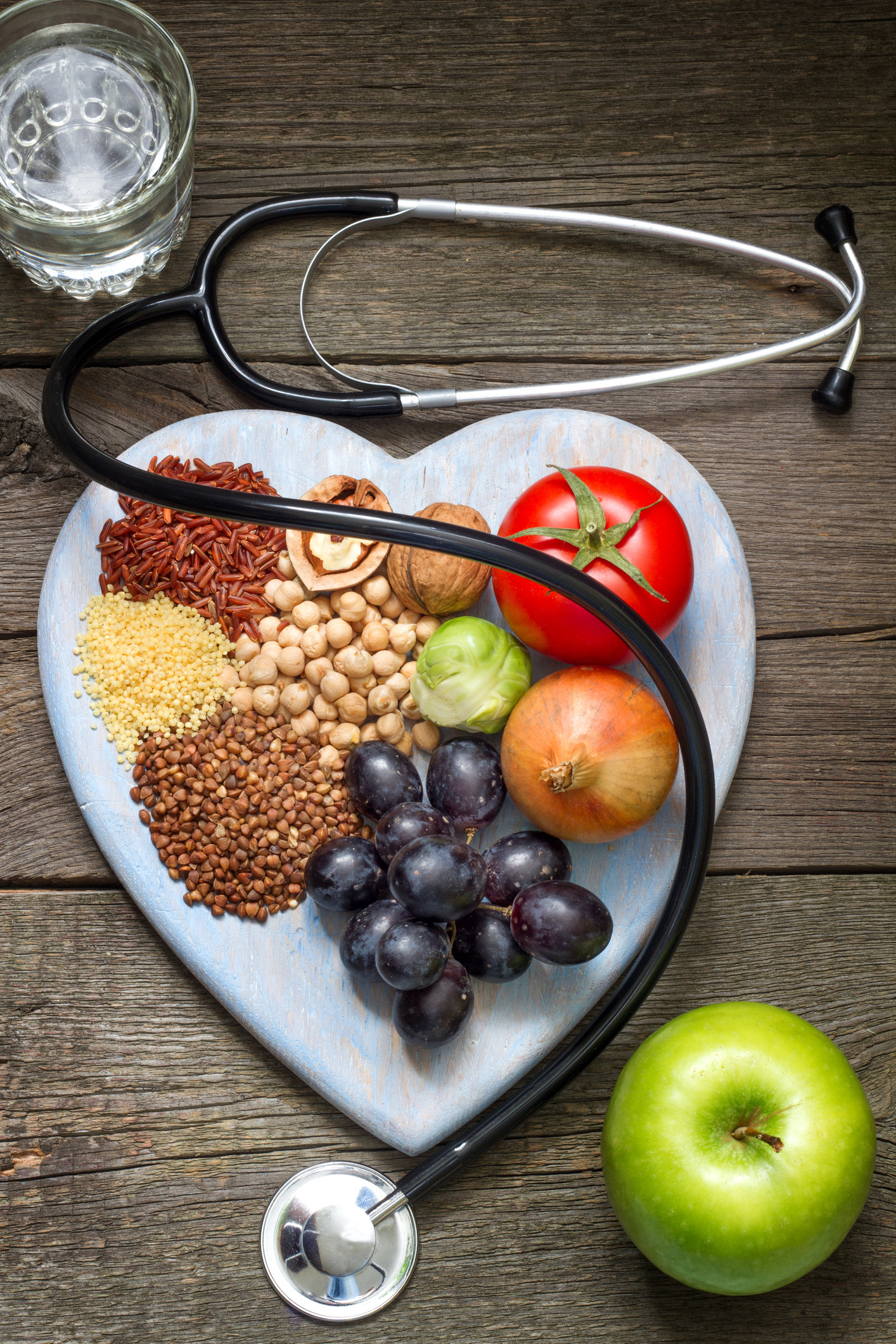

An aspirin a day for your health?
A daily low-dose aspirin may help prevent stroke and certain cancers, but the therapy carries certain risks you'll want to discuss with your physician.
It used to be that you would reach for an aspirin only if you had a headache or an achy joint, but current research shows that low doses of the drug may reduce your risk of stroke and even help prevent colorectal cancer.
So, does this mean you should head to the pharmacy, grab a bottle, and pop a tablet every morning to ward off disease? The short answer is, maybe — but only after you have a detailed conversation with your doctor about the potential benefits and risks. A low-dose aspirin regimen is certainly not appropriate for every woman.
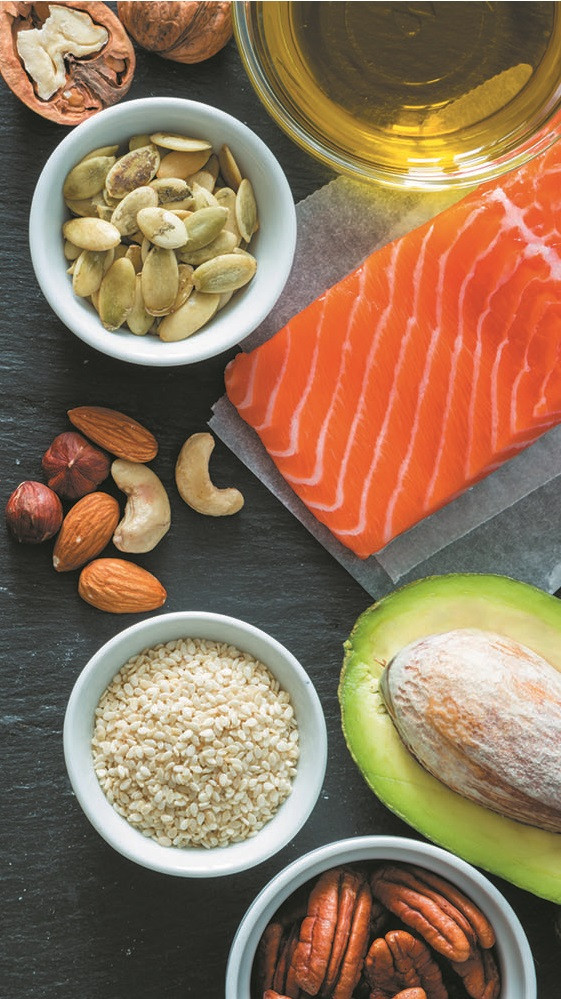
Getting to the heart of the fat issue
A certain amount of healthy fat is good for your heart.
Low-fat, no-fat, fat-free. Fat has been shamed for so long, it's easy to think there's no place for it in a heart-healthy diet. But the opposite is true. "It's a myth that lowering fat intake is healthy," says Dr. Frank Sacks, professor of cardiovascular disease prevention at the Harvard T.H. Chan School of Public Health. "The key is to use more healthful unsaturated fats and less of the detrimental saturated fats."
The good and the bad
To understand the role of fat in heart health, you first have to look at where it's found in food. There are two types of fat: saturated and unsaturated.
Erectile dysfunction drugs not linked to melanoma
In the journals
The erectile dysfunction drugs collectively known as phosphodiesterase type 5 (PDE5) inhibitors, such as sildenafil (Viagra), may not cause melanoma, the most dangerous form of skin cancer, according to a study published online May 19, 2017, by the Journal of the National Cancer Institute.
In 2016, the FDA put PDE5 inhibitors on its watch list of medications with possible safety issues after some studies suggested they might increase the risk for melanoma. In response to the FDA's action, researchers analyzed data from five large-scale studies of the issue, involving 866,049 men, published between 2014 and 2016.
Hip bursitis vs. arthritis: How to tell the difference
Fitness for longevity: Which type matters most?
Ministrokes linked to elevated risk of dementia
Continuous glucose monitors benefit people who don't need insulin
CoQ10: Should you take this popular supplement if you're on a statin?
Microplastics: A hidden health threat?
Oat vs. dairy milk: Nutrition, benefits, and downsides
What is tempeh? Benefits, nutrition, and how to use it
Healing after food poisoning
Whole grains may improve several heart risk factors at once
Free Healthbeat Signup
Get the latest in health news delivered to your inbox!
Sign Up
