

Hip bursitis vs. arthritis: How to tell the difference

Fitness for longevity: Which type matters most?

Ministrokes linked to elevated risk of dementia

Continuous glucose monitors benefit people who don't need insulin

CoQ10: Should you take this popular supplement if you're on a statin?

Microplastics: A hidden health threat?

Oat vs. dairy milk: Nutrition, benefits, and downsides

What is tempeh? Benefits, nutrition, and how to use it

Healing after food poisoning

Whole grains may improve several heart risk factors at once
Vitamins, minerals & supplements Archive
Articles

Crave a better appetite
Losing the desire to eat can lead to many health problems, but there are ways to make mealtime more inspiring.
Remember when you could eat almost anything, lack of hunger was never an issue, and meals were a high point of your day? But now, perhaps not so much. What has changed?
"It's common for your appetite to diminish as you age, but the problem is that this can keep you from getting enough of the vital nutrients you need and can contribute to poor health," says Vasanti Malik, a nutrition research scientist at the Harvard T.H. Chan School of Public Health.

Staying connected can improve your health
Try these strategies to help you fill your social calendar.
Image: © Mike Watson Images/Thinkstock
In an effort to ward off the loneliness that followed his wife's death, a 94-year-old man in Minnesota decided to install a swimming pool in his back yard for the neighborhood children. His back yard is now a hub of activity in the summer, filled with laughter, splashing children, and their parents and grandparents. And he's no longer alone.
While not everyone would be willing to go to such extreme lengths to make social connections, contact with other people should still be a top priority. Chronic loneliness does more than just make you bored; it can actually harm your health.

Antibiotics: Part of the cure or part of the problem?
Avoid taking these drugs when they're not needed.
Image: © grThirteen/Thinkstock
It's the time of year again for sneezing, sniffling, and sore throats. But if you don't escape it, you can just head to the doctor for an antibiotic, and you'll be healthy again in no time. Right?
Probably not.
"Each year millions of Americans are treated with antibiotics when they don't need to be," says Dr. Erica Shenoy, an infectious disease physician, who is associate chief of the Infection Control Unit at Massachusetts General Hospital and assistant professor of medicine at Harvard Medical School.

Resistant to aspirin?
Ask the doctor
Q. I recently started taking low-dose aspirin, per my doctor's advice. But I heard that for some people, aspirin doesn't help prevent heart attacks. Is this true, and is there any way to find out if I'm one of those people?
A. The phenomenon you're referring to is sometimes called aspirin resistance. However, true aspirin resistance is very uncommon. There are tests for the problem, but I don't recommend them.
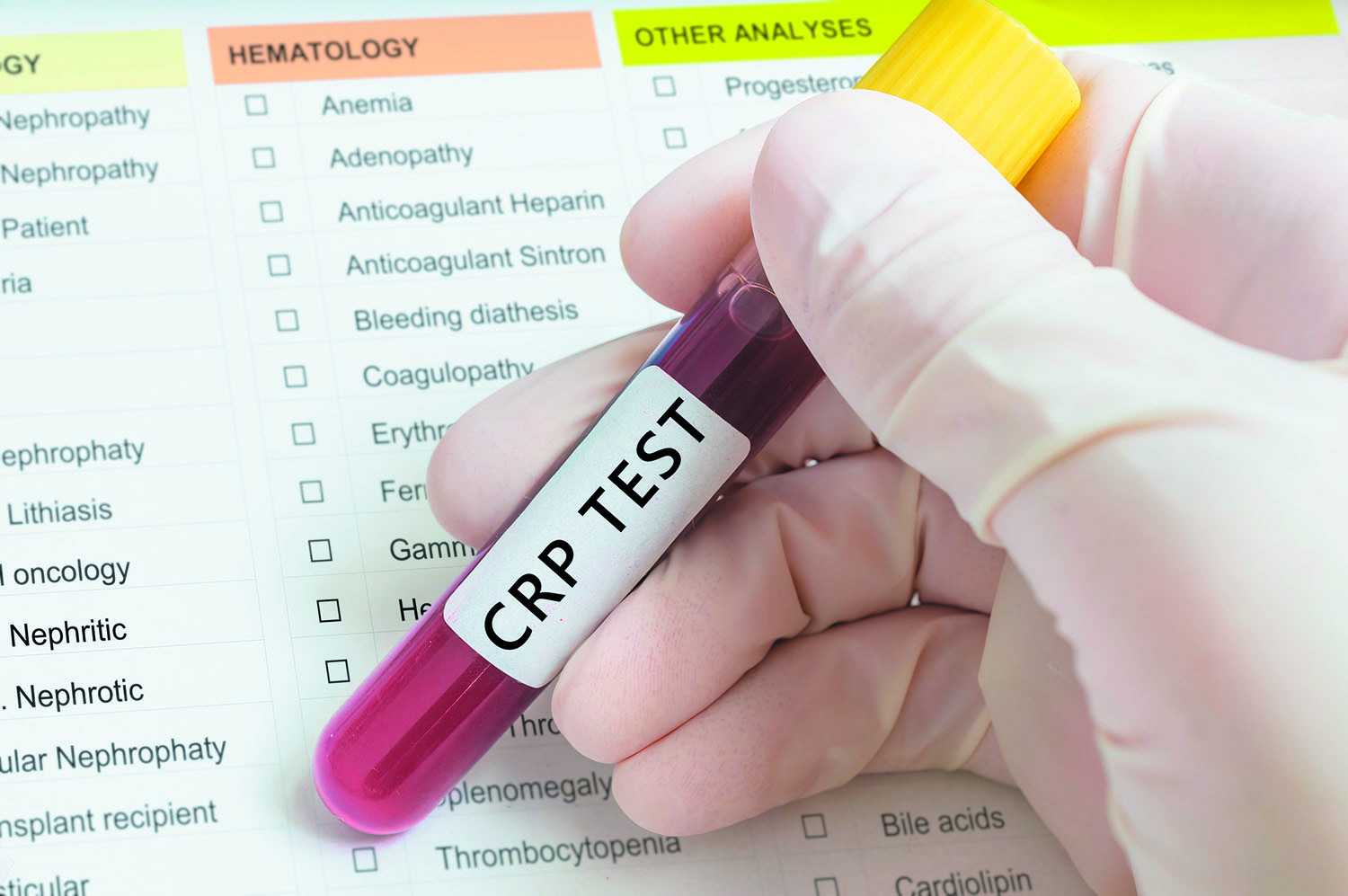
Targeting inflammation: A missing link in heart treatments
A novel anti-inflammatory drug may discourage repeat heart attacks.
Image: © vchal/Thinkstock
Inflammation grabbed the attention of researchers a couple of decades ago as a primary culprit in the progression of cardiovascular disease. However, identifying a drug therapy that leverages this link has been more elusive. With the results of the recent Canakinumab Anti-inflammatory Thrombosis Outcomes Study (CANTOS), published in the Sept. 21, 2017, issue of The New England Journal of Medicine, it appears that the dots are finally beginning to connect.
"For the first time, we have an anti-inflammatory therapy that can reduce the chance that a person who has already had a heart attack will have a repeat occurrence," says Dr. Peter Libby, a cardiologist at Harvard-affiliated Brigham and Women's Hospital. "This opens up a new field of treatment and offers hope to our patients." He is one of the co-authors of the study, which was led by his colleague and fellow Harvard Medical School professor Dr. Paul Ridker.

Meditation may help lower heart disease risk
Research we're watching
Image: © Svetlana Braun/Thinkstock
The ancient, mind-calming practice of meditation may have a role in reducing the risk of heart disease. So says a scientific statement from the American Heart Association in the Sept. 28, 2017, Journal of the American Heart Association.
Experts reviewed dozens of studies published over the past two decades. The results suggest that meditation may improve a host of factors linked to heart disease, including stress, anxiety, depression, poor sleep quality, and high blood pressure. It may also help people stop smoking. An added bonus: it's low-cost and poses no apparent risk.

Why walnuts may help with weight loss
Research we're watching
Image: © Boonchuay1970/Thinkstock
Noshing on a handful of nuts on most days of the week has been linked to a lower risk of obesity and heart disease. New research may help explain why: walnuts appear to activate a brain region involved in appetite and impulse control.
For the study, nine people with obesity drank a smoothie that contained about 14 ground walnut halves or a placebo smoothie (identical in taste and calories) for five consecutive days. After a month on their regular diets, the participants returned for another five days, during which the placebo group drank walnut smoothies and vice versa. On day five of both periods, they underwent brain imaging tests while looking at pictures of desirable foods (such as burgers and cake), less desirable foods (vegetables), or neutral pictures of rocks and trees.

Find the weight-loss plan that works for you
You've tried different diets — and have even been exercising regularly — but those extra pounds won't budge. Don't give up. It may be that you haven't yet found the weight-loss strategies that work for you.
"Everything works for some people, but no treatment is equally effective for everyone," says Dr. Lee Kaplan, director of the Obesity, Metabolism and Nutrition Institute at Massachusetts General Hospital. "No method is fundamentally better than any other. The key is finding out which therapy is best for you, and that takes trial and error."

Heart failure and potassium
Your body depends on the mineral potassium for many bodily functions, including keeping control of the electrical balance of your heart, metabolizing carbohydrates, and building muscle.
Low potassium levels can cause muscle weakness and heartbeat irregularities. On the other hand, too much potassium can cause your heart to stop.
Hip bursitis vs. arthritis: How to tell the difference
Fitness for longevity: Which type matters most?
Ministrokes linked to elevated risk of dementia
Continuous glucose monitors benefit people who don't need insulin
CoQ10: Should you take this popular supplement if you're on a statin?
Microplastics: A hidden health threat?
Oat vs. dairy milk: Nutrition, benefits, and downsides
What is tempeh? Benefits, nutrition, and how to use it
Healing after food poisoning
Whole grains may improve several heart risk factors at once
Free Healthbeat Signup
Get the latest in health news delivered to your inbox!
Sign Up
