

Hip bursitis vs. arthritis: How to tell the difference

Fitness for longevity: Which type matters most?

Ministrokes linked to elevated risk of dementia

Continuous glucose monitors benefit people who don't need insulin

CoQ10: Should you take this popular supplement if you're on a statin?

Microplastics: A hidden health threat?

Oat vs. dairy milk: Nutrition, benefits, and downsides

What is tempeh? Benefits, nutrition, and how to use it

Healing after food poisoning

Whole grains may improve several heart risk factors at once
Vitamins, minerals & supplements Archive
Articles
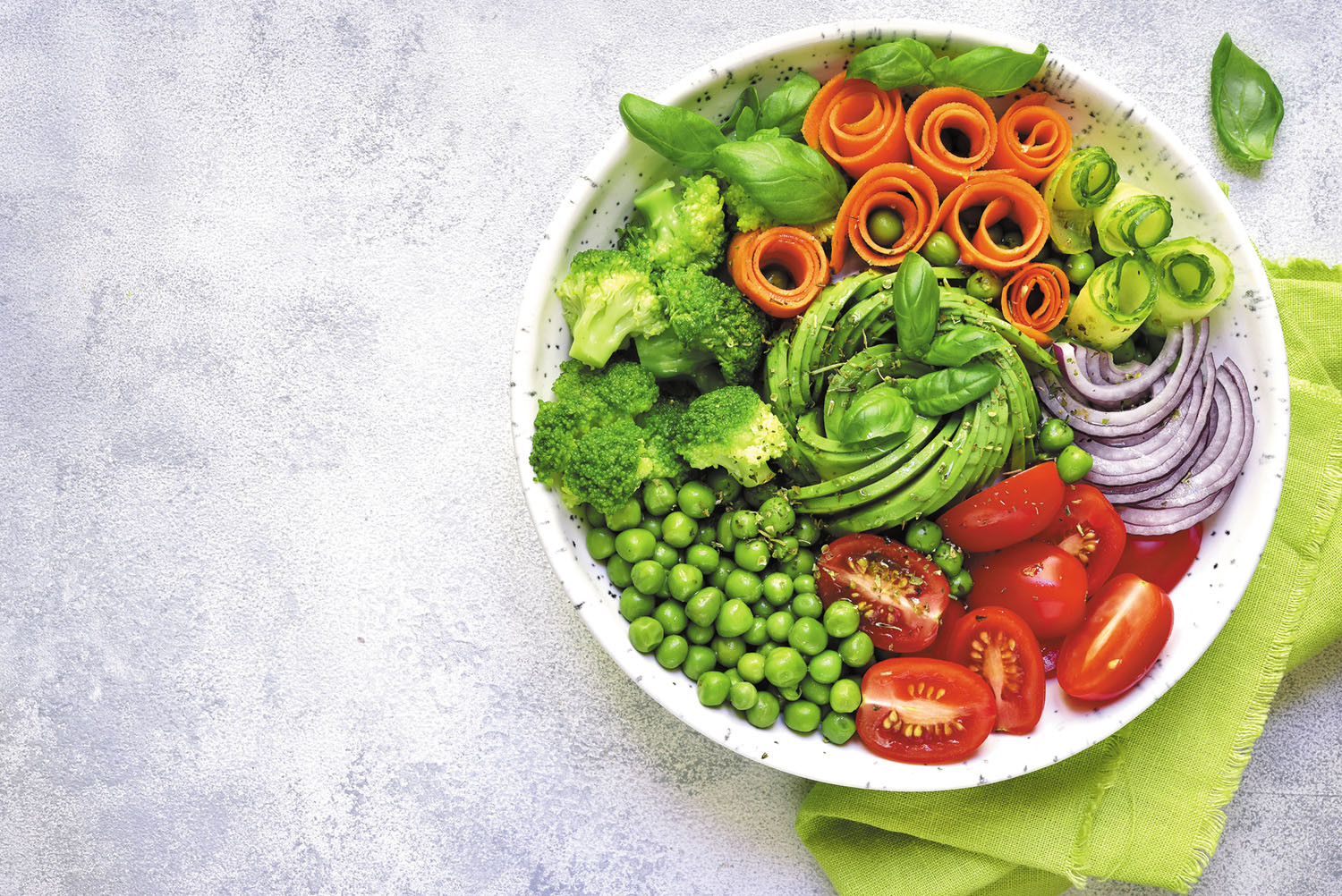
Most Americans don’t eat enough fruits and veggies
Research we're watching
Image: © Lilechka75/Thinkstock
If you’re like most Americans, you aren’t eating enough fruits and vegetables, according to the CDC. A study published in the CDC’s Nov. 17, 2017, Morbidity and Mortality Weekly Report shows only about one in 10 adults meets federal recommendations, which call for most women to eat 1.5 cups of fruit and between 2 and 2.5 cups of vegetables each day.
"In 2015, just 9% of adults met the intake recommendations for vegetables, ranging from 6% in West Virginia to 12% in Alaska. Only 12% of adults met the recommendations for fruit, ranging from 7% in West Virginia to 16% in Washington, D.C.," reported the CDC.

Is your diet sabotaging your mobility?
You might be surprised to learn that what you eat affects your ability to move.
- The nutrients in the food you eat help your body build bone, power muscle, repair and replace tissues, and keep your brain active and your heart pumping.
- Your diet also influences your chances of developing chronic diseases such as type 2 diabetes, heart disease, and osteoporosis — all of which can compromise your well-being and hinder your ability to live an active and independent life.
- Eating the right foods is important, but so are how much you eat and how well you balance the calories you take in with those you burn off. Simply being overweight can make it more difficult to move easily in your day-to-day activities.
Keys to healthy eating
There is no shortage of diet books and healthy eating plans that claim to help you slim down and live a longer and healthier life. But healthy eating is surprisingly simple.

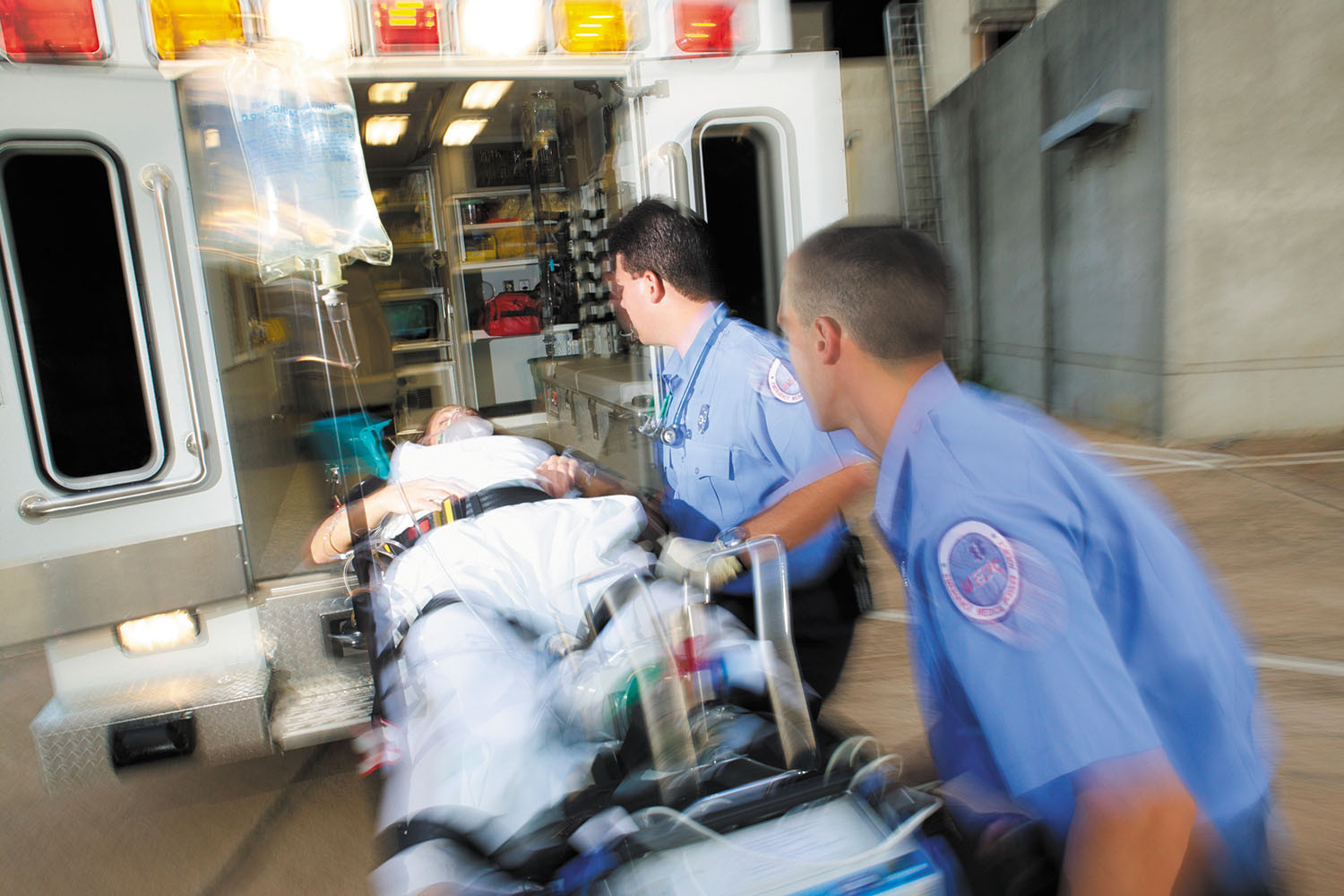
Are you prepared for a medical emergency?
Keep important information handy, such as an advance directive, a list of medications, and your emergency contacts.
Image: © Thinkstock Images/Thinkstock
We spend a lot of time trying to stay healthy. We exercise, eat right, and get check-ups and screenings. But how many of us take the time to prepare for a medical emergency, with the right information and equipment handy? "Most patients I see are not prepared to come to the emergency department [ED]. They don't know their medical problems. We're lucky if they carry their medications list," says Dr. Kei Ouchi, an emergency medicine physician at Harvard-affiliated Brigham and Women's Hospital.
Maybe we're unprepared because of a natural tendency to think that medical emergencies may happen to others but not to us. But consider the numbers: in 2009–2010, about half of all adults ages 65 or older went to an emergency department, according to the CDC. "The number of older adults coming into the ED is increasing, especially near the end of life — 75% of older adults come to the ED at least once in their last six months," Dr. Ouchi says. Those odds may make you want to think twice about preparing for the unexpected.

Ask these questions when you get a new prescription
For the best results and for your safety, learn what those new pills do and how you should use them.
Image: © imtmphoto/Thinkstock
Medications play a crucial role in helping us get better or manage chronic disease. But don't sit silently when your doctor prescribes something new. Ask questions about the drug and bring unanswered questions to your pharmacist. "The doctor may not have the time to explain everything that's important, like whether to take a medicine on an empty stomach," says Joanne Doyle Petrongolo, a pharmacist at Harvard-affiliated Massachusetts General Hospital.
The next time your doctor suggests that you take a new pill, jot down answers to the following questions.
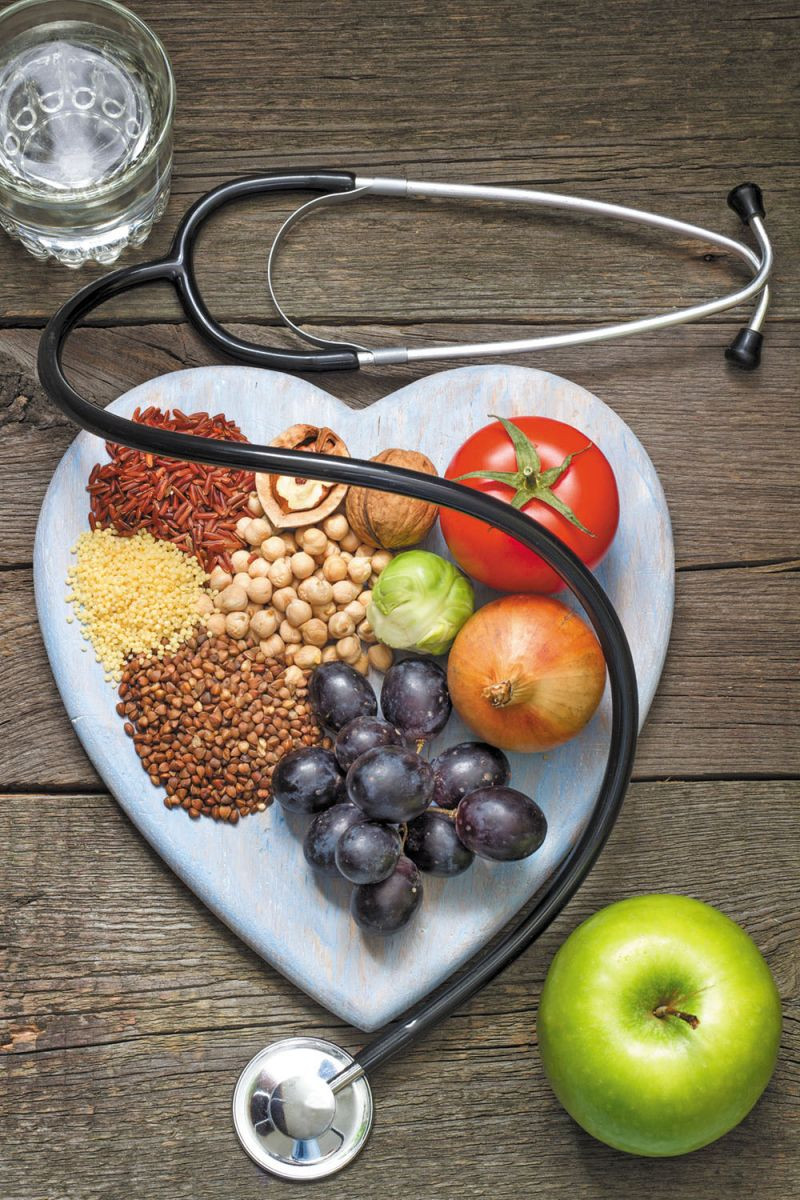
Small diet tweaks can help your heart and overall health
Add these simple changes to your list of New Year's resolutions.
Diet plays a huge role in the health of your heart. Yet for many people, healthy eating is a challenge. Perhaps the biggest problem is the easy access to cheap, highly processed, unhealthy junk food. But conflicting and confusing nutrition advice from popular books, blogs, and other sources is a close second. And chances are your doctor has neither the time nor the training to give you sound nutrition advice.
"People also think that changing their diet requires a major overhaul," says Dr. JoAnn Manson, professor of medicine at Harvard Medical School and chief of preventive medicine at Brigham and Women's Hospital. "But the reality is that a few small changes can go a long way toward improving your eating habits," she says. See "Diet swaps for a healthier heart" for a summary of these suggestions, taken from a piece she coauthored in the Sept. 26, 2017, Journal of the American Medical Association.

Taking clot-prevention drugs for afib may lower risk of dementia
Research we're watching
Among people who have atrial fibrillation (afib), those who take anti-clotting medications may be less likely to develop dementia later in life than those who don't take the drugs, a new study finds.
Afib, a disorder marked by a rapid, irregular heartbeat, raises the risk of stroke as well as dementia. Anti-clotting drugs are known to lower the risk of stroke, but the drugs' effects on dementia weren't clear. So Swedish researchers examined hospital and pharmacy registry data from nearly half a million people who were diagnosed with afib between 2006 and 2014.
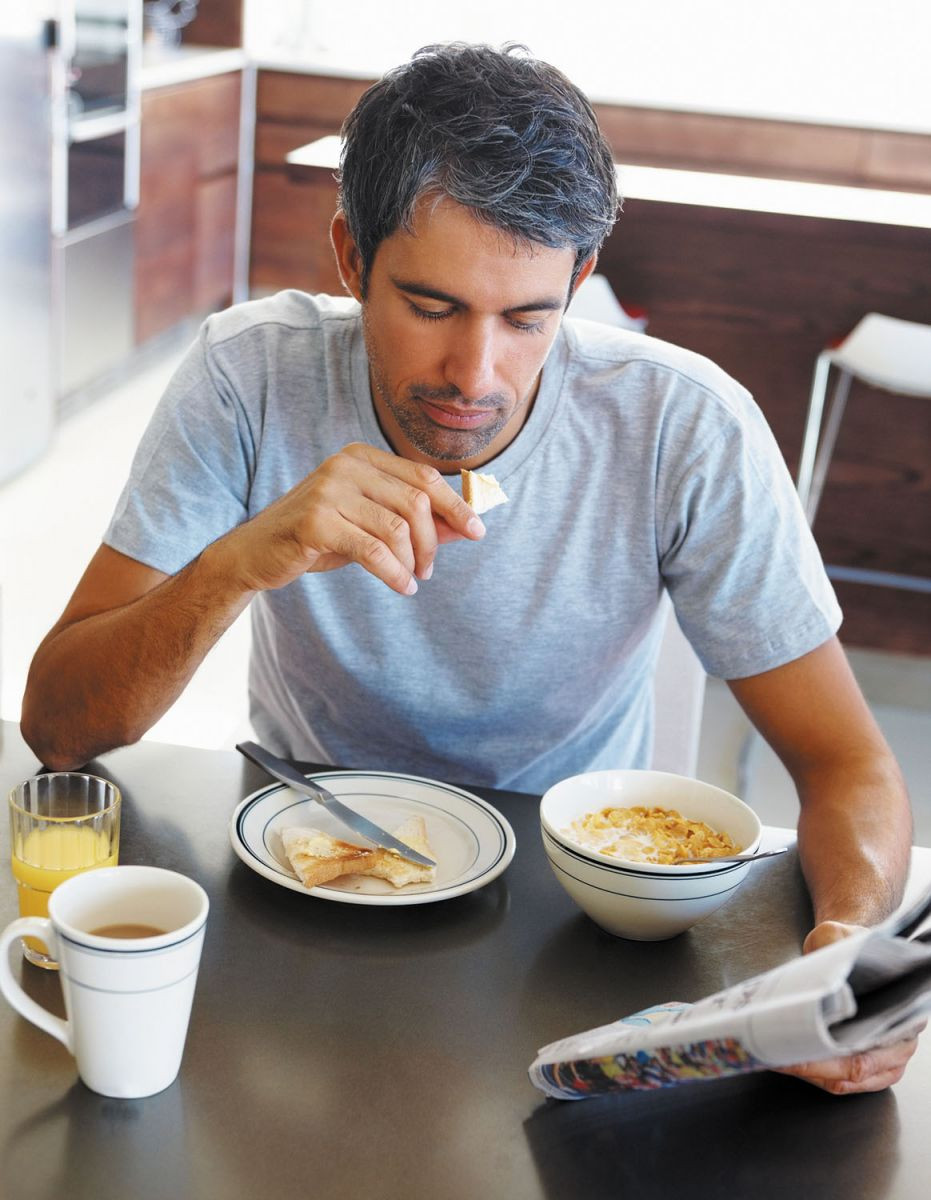
Skipping breakfast linked to higher odds of clogged arteries
Research we're watching
New research supports the old adage that breakfast is the most important meal of the day. A study of more than 4,000 middle-aged adults in Spain found that those who ate breakfast were less likely to have artery-clogging plaque (atherosclerosis) than those who avoided a morning meal.
On average, the participants ate just over 2,300 calories per day. Nearly 3% didn't eat breakfast, while about 27% ate a hearty breakfast and nearly 70% ate a skimpier breakfast. Researchers used ultrasound to check their arteries for early evidence of atherosclerosis, as they described in the October 2017 Journal of the American College of Cardiology.

A more precise approach to fighting cancer
Precision medicine offers a personalized approach for prevention and treatment of cancer and other diseases.
Image: © Pogotskiy/Thinkstock
If you have a stomachache or cold, you go to the pharmacy and grab the same remedy that everyone else uses, and it often works. But is that always the best approach? Your reaction to an infection may be quite different from someone else's, so perhaps you need a treatment designed just for you and your ailment.
That's the philosophy behind precision medicine (sometimes referred to as personalized medicine), an emerging approach to prevention and treatment that takes into account a person's genes, environment, and lifestyle and eliminates the one-size-fits-all approach to health care.
Many prescription drug users not aware of driving-related risks
In the journals
People who take prescription drugs do not always know about side effects that could increase their risk of driving accidents, suggests a study published online Oct. 31, 2017, by the Journal of Studies on Alcohol and Drugs.
Researchers asked 7,405 drivers about their prescription drug use. Nearly 20% used medication that could affect their driving skills — for example, by causing drowsiness or impairing cognitive or motor function — yet almost all were unaware of these potential side effects. Either they did not receive or remember a warning from their doctor or pharmacist, or they did not recognize or recall a warning on the drug label.
Hip bursitis vs. arthritis: How to tell the difference
Fitness for longevity: Which type matters most?
Ministrokes linked to elevated risk of dementia
Continuous glucose monitors benefit people who don't need insulin
CoQ10: Should you take this popular supplement if you're on a statin?
Microplastics: A hidden health threat?
Oat vs. dairy milk: Nutrition, benefits, and downsides
What is tempeh? Benefits, nutrition, and how to use it
Healing after food poisoning
Whole grains may improve several heart risk factors at once
Free Healthbeat Signup
Get the latest in health news delivered to your inbox!
Sign Up
