

Hip bursitis vs. arthritis: How to tell the difference

Fitness for longevity: Which type matters most?

Ministrokes linked to elevated risk of dementia

Continuous glucose monitors benefit people who don't need insulin

CoQ10: Should you take this popular supplement if you're on a statin?

Microplastics: A hidden health threat?

Oat vs. dairy milk: Nutrition, benefits, and downsides

What is tempeh? Benefits, nutrition, and how to use it

Healing after food poisoning

Whole grains may improve several heart risk factors at once
Vitamins, minerals & supplements Archive
Articles

How does my health compare with President Trump’s?
On call
Image: © donskarpo/Getty Images
Q. I am about the same age as President Trump, and I also had a recent physical. My LDL (bad) cholesterol reading was 136, which my doctor thought was too high. But Mr. Trump's doctor said his LDL cholesterol of 143 was "excellent." Which is it?
A. The report of President Trump's health status brought out many armchair cardiologists — and real cardiologists — to comment on his cholesterol levels and risk for heart disease. The White House doctor's report stated that the president's "heart health" (not his cholesterol) was deemed excellent based on a normal exercise test and heart ultrasound. However, his LDL level of 143 was felt to be too high, and his doctor recommended doubling the president's statin medication. While the president doesn't show evidence of current heart disease, what is his future risk? A 71-year-old man with his cholesterol value would have a 10-year risk of heart attack, stroke, or cardiac death of 16% (about a one-in-six chance).

New drug shows promise for preventing migraines
In the journals
Image: © Wavebreakmedia/Getty Images
Migraine sufferers may be able to prevent future attacks with a new medication called galcanezumab, suggests a study published online Dec. 18, 2017, by JAMA Neurology. Currently, there are five FDA-approved drugs for migraines, but none were designed specifically for treating attacks or addressing the mechanisms at work.
In comparison, galcanezumab works to suppress the activity of calcitonin gene–related peptide (CGRP) in people. That molecule is believed to play an integral role in migraines and cluster headaches.

Prescription cream may lower risk for repeat skin cancers
In the journals
A prescription cream called 5-fluorouracil (5-FU, sold as Adrucil and other brands) may help people reduce their risk for squamous cell carcinoma (SCC), according to a study published in the Jan. 3, 2017, JAMA Dermatology. SCC, the second most common cancer in the United States, strikes twice as many men as women.
Researchers recruited 932 people, 98% of whom were men, with an average age of 71. Each had experienced at least two skin cancers — SCC, basal cell carcinoma (BCC, the most common skin cancer), or both — on their face or ears within the past five years. They were randomly assigned to receive either the 5-FU cream or a placebo cream. Everyone applied a thin layer twice a day to their face and ears for up to four weeks. Over the course of a year, the 5-FU group had a 75% lower incidence of SCC compared with the placebo group. They also had a 11% lower incidence of BCC, but this difference was not statistically significant. It's not known why 5-FU helped prevent SCC but not BCC, according to the researchers.

Over-the-counter cautions
You can head off problems from nonprescription drugs by following instructions carefully and communicating with your doctor.
Image: © Bill Oxford/Getty Images
Relief for your symptoms can be as close as the nearest drugstore. Over-the-counter medicines and supplements can offer quick results, whether you've got heartburn, a headache, or a stuffy nose. And many people assume these products are safe, simply because they don't need to visit the doctor to get them. Unfortunately, that's not always the case.
Any medication that works cannot be completely safe, says Dr. Gordon Schiff, associate professor of medicine at Harvard Medical School and associate director of Brigham and Women's Center for Patient Safety Research and Practice. The decision to make a drug available over the counter is often more a matter of marketing than safety, he says.
Skipping breakfast linked with higher levels of arterial plaque
Research we're watching
A study published October 2017 in the Journal of the American College of Cardiology found that people who regularly skip breakfast may have more arterial plaque than those who don't. Researchers used ultrasound to scan the arteries of more than 4,000 adults in Spain who were categorized into three groups: those who ate a heavy breakfast, those who ate a light breakfast, and those who ate no breakfast at all. They found that nearly 75% of those who regularly skipped breakfast had signs of plaque buildup in their arteries, compared with only 57% of people who reported eating a big breakfast every day and 64% who ate a small meal in the morning.
It's not clear why this was the case, although the authors noted that the people in the study who skipped breakfast were more likely to be obese and to have high cholesterol, high blood pressure, or diabetes. However, even when the researchers adjusted for those factors, the differences in arterial plaque levels between the groups persist.
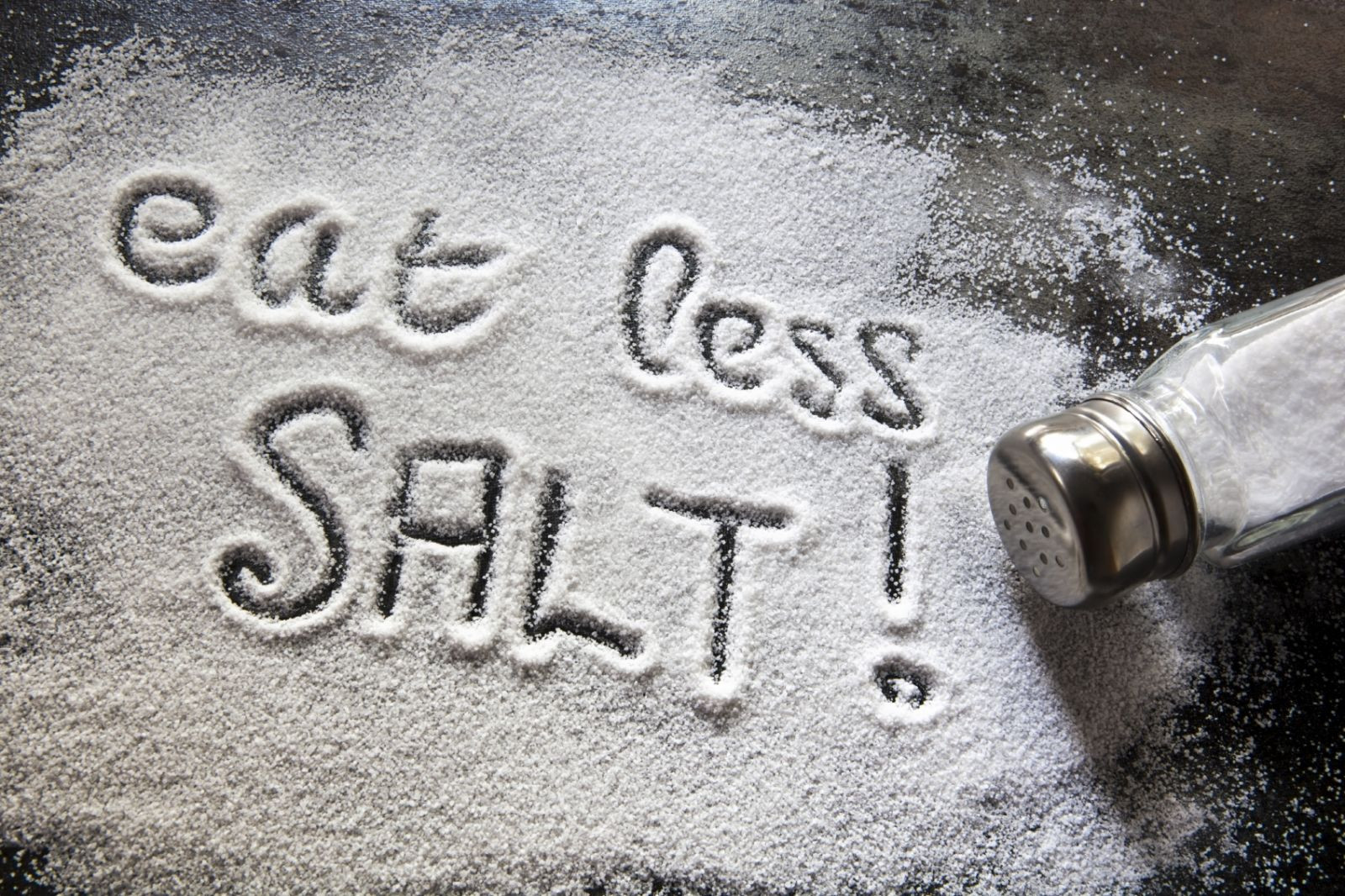
5 ways to use less salt
Salt is essential to the body. The sodium in salt helps transmit nerve impulses and contract muscle fibers. It also works with potassium to balance fluid levels in in the body. But you need only a tiny amount of salt to do this — less than one-tenth of a teaspoon per day. The average American gets nearly 20 times that much.
The body can generally rid itself of excess sodium. In some people, though, consuming extra sodium makes the body hold on to water. This increases the amount of fluid flowing through blood vessels, which can increase blood pressure.

Beyond the morning buzz: How does coffee affect your heart?
Drinking a few cups a day seems to be safe for most people. But evidence that coffee protects your heart is pretty weak.
Image: © Kritchanut/Getty Images
Java junkies may have perked up after hearing that drinking coffee may lower heart disease risk. But are there grounds to support this claim?
In recent years, researchers have observed that people who drink about three cups of coffee daily may be slightly less likely to develop heart disease or to die from it than people who avoid the aromatic brew. A review article in the Nov. 22, 2017, issue of The BMJ that included nearly 300 studies on the health effects of coffee came to a similar conclusion. However, as the authors point out, their findings can't prove cause and effect. In the absence of long-term, randomized trials that assign people to drink coffee or not, it's impossible to say whether the popular drink (or some other factor) led to the lower heart risk.

Vegetable of the month: Artichokes
Image: © Thinkstock
As some artichoke aficionados know, anything you eat or drink right after eating this unique vegetable tastes sweeter than usual. Artichokes contain chlorogenic acid and cynarin, which partially inhibit the sweet receptors on your tongue. Whatever you eat or drink right afterwards washes off the compounds, fooling your brain into perceiving sweetness that isn't actually there. Try serving an artichoke alongside another vegetable you find less palatable, and alternate bites!
Cynarin also seems to increase the liver's production of bile, which helps remove cholesterol from the body.

Can vitamin K supplements help protect against heart disease?
On call
Q. I have read that vitamin K supplements can help prevent heart disease. Should I take them?
A. Vitamin K — which is found in high levels in green leafy vegetables like spinach, kale, and romaine lettuce — plays a role in helping the body make blood clotting proteins. Although some observational studies have suggested a heart benefit from diets high in vitamin K, studies of supplements have not shown a protective effect.

Got an egg allergy? No need to skip that flu shot next year
Research we're watching
Image: © grinvalds/Getty Images
If you have an egg allergy, you may have been told not to get a flu shot. That's because the vaccine is grown in eggs and may contain a small amount of egg protein, which — it was feared — could trigger an allergic reaction. But a new guideline from the American College of Allergy, Asthma and Immunology (ACAAI) dispenses with that old advice and says even people with an egg allergy should roll up their sleeves and get the shot to protect themselves from the flu.
"When people get flu shots, health care providers often ask if they are allergic to eggs," allergist Dr. Matthew Greenhawt, chair of the ACAAI Food Allergy Committee and lead author of the practice parameter, said in a written release. "We want health care providers and people with egg allergy to know there is no need to ask this question anymore, and no need to take any special precautions. The overwhelming evidence since 2011 has shown that a flu shot poses no greater risk to those with egg allergy than those without." Numerous studies have found that patients with egg allergy — even those with life-threatening allergies to egg — have gotten the shot and did not suffer any ill effects. This suggests there isn't enough egg protein in the vaccine to cause a reaction.
Hip bursitis vs. arthritis: How to tell the difference
Fitness for longevity: Which type matters most?
Ministrokes linked to elevated risk of dementia
Continuous glucose monitors benefit people who don't need insulin
CoQ10: Should you take this popular supplement if you're on a statin?
Microplastics: A hidden health threat?
Oat vs. dairy milk: Nutrition, benefits, and downsides
What is tempeh? Benefits, nutrition, and how to use it
Healing after food poisoning
Whole grains may improve several heart risk factors at once
Free Healthbeat Signup
Get the latest in health news delivered to your inbox!
Sign Up
