

Hip bursitis vs. arthritis: How to tell the difference

Fitness for longevity: Which type matters most?

Ministrokes linked to elevated risk of dementia

Continuous glucose monitors benefit people who don't need insulin

CoQ10: Should you take this popular supplement if you're on a statin?

Microplastics: A hidden health threat?

Oat vs. dairy milk: Nutrition, benefits, and downsides

What is tempeh? Benefits, nutrition, and how to use it

Healing after food poisoning

Whole grains may improve several heart risk factors at once
Vitamins, minerals & supplements Archive
Articles
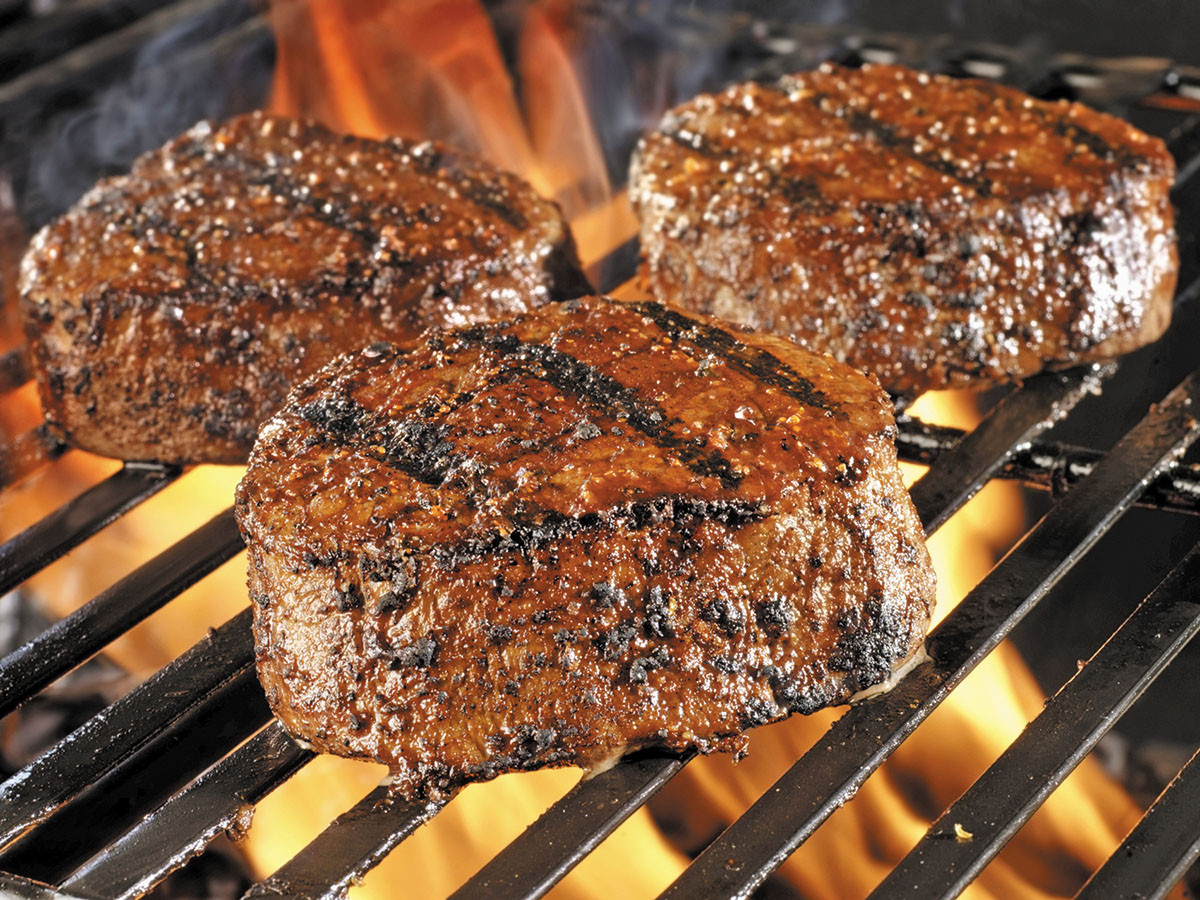
Summer grilling may raise blood pressure risk
Research we're watching
Image: © Lauri Patterson/Getty Images
Many people switch from stove to grill in the warmer months. But a new study links regular consumption of grilled meat to an elevated risk of high blood pressure. A study presented at the American Heart Association's 2018 Epidemiology and Prevention — Lifestyle and Cardiometabolic Health Scientific Sessions looked at more than 100,000 people in three different studies who ate at least two servings of beef, poultry, or fish each week.
They found that those who grilled their meat or broiled or roasted it at high temperatures more than 15 times each month had a 17% higher risk of high blood pressure than people who grilled, roasted, or broiled less than four times a month.

Are weight-loss drugs worth trying?
Image: Bigstock
Newer medications, which may be safer than earlier drugs, have expanded the options for treating obesity.
Obesity is now considered more than a risk factor for other conditions; it's a disease itself. It has been the subject of intense scientific and medical research to develop effective treatments. But the quest has been elusive.

Should you carry the opioid overdose rescue drug naloxone?
The Surgeon General has issued an advisory recommending that people carry and know how to use naloxone, and although it is an effective treatment for overdose, it does not address the larger issues around the opioid crisis.

Bioidentical hormones: Help or hype?
Do these heavily promoted hormones justify the claims made for them?
"Bioidentical" hormones have been promoted as safer and more effective than FDA-approved hormones. The exaggerated claims go beyond relief of menopausal symptoms, suggesting they are a veritable fountain of youth.
It's understandable that women would be interested in a different approach now that long-term use of conventional hormone therapy (HT) does not prevent cardiovascular disease as researchers had hoped.
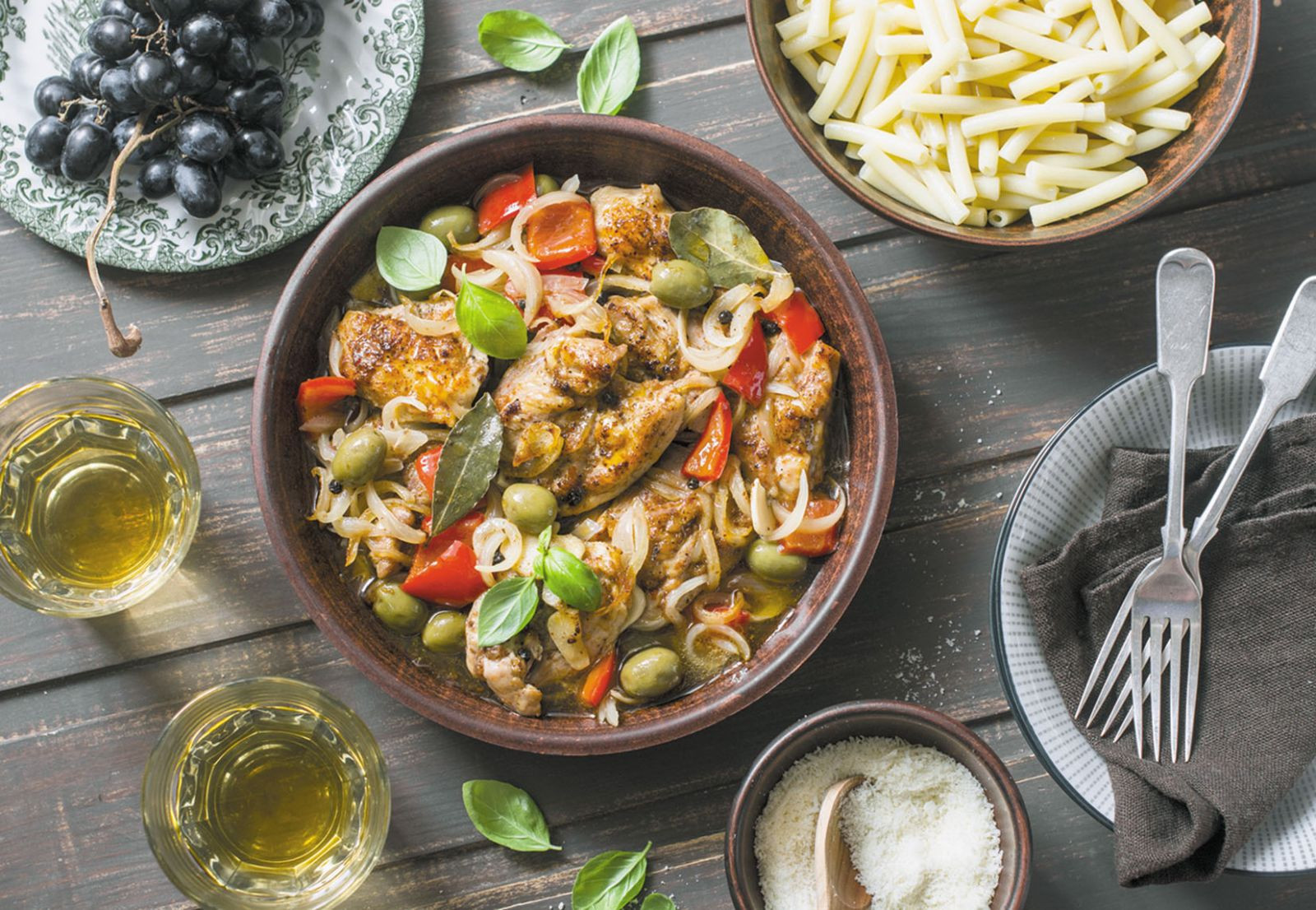
Ways to dig out of a dietary rut
Trying new foods, cooking in batches, and inviting friends to dinner give mealtime some zing.
Image: © OksanaKiian/Getty Images
You may be bored if you're eating the same foods all the time. Even worse, you may be missing out on important nutrients from foods that aren't part of your regular diet. And if that's the case, you're not alone. "I see it a lot with older adults. Their diet isn't great. They get into a rut and cook simple meals, or they rely on prepared food," says dietitian Teresa Fung, adjunct professor in the nutrition department at the Harvard T.H. Chan School of Public Health.
Why the rut?
There are many reasons why people get into a menu rut or stop eating healthy, nutritious foods in older age. It may be that you're

Managing your medications before a medical procedure
You may need to stop taking blood thinners, certain painkillers, herbs, and supplements to reduce your risk for bleeding.
Image: © Steve Debenport/Getty Images
No one wants to have surgery, even minor surgery, but sometimes minor procedures, such as a tooth extraction or a colonoscopy, are unavoidable. When that happens, you may hear that it's important to stop taking certain medications. Understanding exactly which drugs to suspend — and when — can be confusing. "I get a lot of questions about this," says Joanne Doyle Petrongolo, a pharmacist at Harvard-affiliated Massachusetts General Hospital.
Blood thinners
All surgery involves cutting body tissue, and that leads to bleeding. Blood thinners—medications like anticoagulants and antiplatelet drugs—can boost the risk for bleeding by keeping the blood from clotting.
Eating highly processed foods may raise cancer risk
News briefs
Prepackaged, processed foods are typically high in fat, salt, and sugar. If that's not enough to make you put down a cookie or resist a frozen dinner, consider an observational study published online Feb. 14, 2018, by The BMJ. It analyzed dietary questionnaire answers of 105,000 middle-aged men and women in France for five years. Foods were grouped according to degree of processing — that is, the amount of change the ingredients go through as food makers improve flavor, coloring, and shelf life. For example, dehydrated soups, baked goods, sugary cereals, processed meats, biscuits, and sauces were considered ultra-processed foods. Less processed foods included canned vegetables, cheeses, and freshly made unpackaged bread. Every 10% increase in consumption of ultra-processed foods was associated with a 12% higher risk for cancer in general and an 11% increased risk for breast cancer. No significant link was found to prostate or colorectal cancer. The study doesn't prove that ultra-processed foods cause cancer, but researchers say the cumulative effects of food additives remain largely unknown.

Losing weight helps your partner slim down, too
In the journals
Image: © FlyMint Agency/Getty Images
People who make an effort to lose weight can help their partner do the same, according to a study published online Feb. 1, 2018, by Obesity.
The study tracked the weight-loss progress of 130 couples over six months. The couples were divided into two groups. In one group, one member of the couple was enrolled in a Weight Watchers program that provided in-person counseling and online tools to assist with weight loss. In the second group, one member of the couple received a four-page handout with information on ways to lose weight, like healthy eating, exercise, and weight-control strategies.

5 foods to eat (almost) every day
Eating these selections often will pack more nutrients into your diet for better overall health.
Image: © IGphotography/Getty Images
You don't need a whole-life overhaul to improve your health. Sometimes it's small changes that make the biggest difference. This is definitely the case when it comes to your diet. Eating better shouldn't require you to purge your refrigerator and subsist on kale shakes. Simply adding a few nutrient-rich foods to your regular rotation can give your body a boost without making you miserable in the process.
We asked Teresa Fung, adjunct professor in the Department of Nutrition at the Harvard T.H. Chan School of Public Health, what foods you should try to squeeze in every day — or at least every week — for better health.
Hip bursitis vs. arthritis: How to tell the difference
Fitness for longevity: Which type matters most?
Ministrokes linked to elevated risk of dementia
Continuous glucose monitors benefit people who don't need insulin
CoQ10: Should you take this popular supplement if you're on a statin?
Microplastics: A hidden health threat?
Oat vs. dairy milk: Nutrition, benefits, and downsides
What is tempeh? Benefits, nutrition, and how to use it
Healing after food poisoning
Whole grains may improve several heart risk factors at once
Free Healthbeat Signup
Get the latest in health news delivered to your inbox!
Sign Up
