

Hip bursitis vs. arthritis: How to tell the difference

Fitness for longevity: Which type matters most?

Ministrokes linked to elevated risk of dementia

Continuous glucose monitors benefit people who don't need insulin

CoQ10: Should you take this popular supplement if you're on a statin?

Microplastics: A hidden health threat?

Oat vs. dairy milk: Nutrition, benefits, and downsides

What is tempeh? Benefits, nutrition, and how to use it

Healing after food poisoning

Whole grains may improve several heart risk factors at once
Vitamins, minerals & supplements Archive
Articles
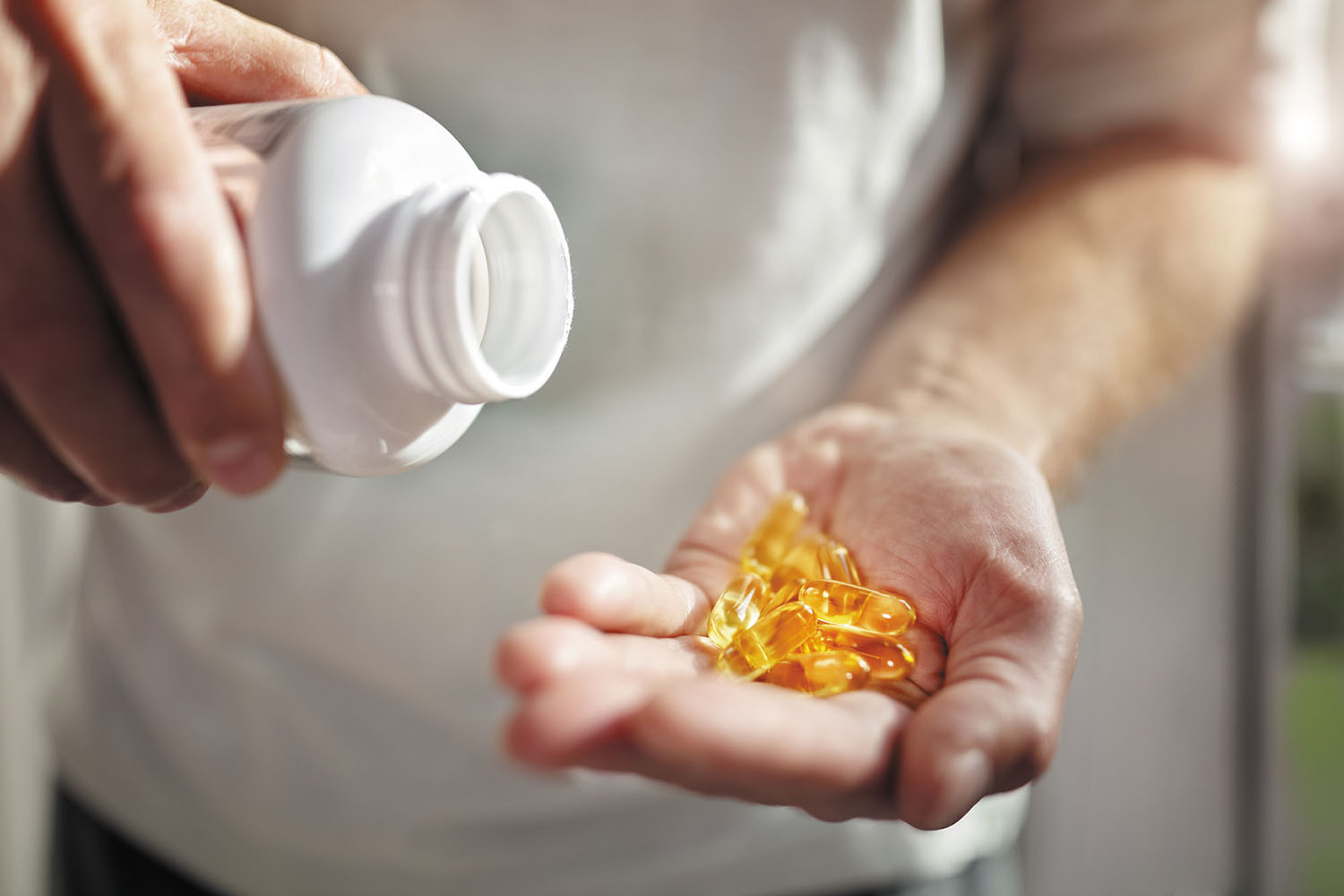
Are there any health benefits to fish oil?
On call
Image: © BrianAJackson/Getty Images
Q. I take fish oil supplements for heart health, but now I hear they aren't helpful. What's the truth?
A. Fish intake remains an important part of a healthy diet, but the enthusiasm for fish oil supplements has been dampened by several recent studies that showed no benefit for a variety of conditions.

An eye on glaucoma drugs
Two recent drugs have opened new treatment opportunities for this common eye disease.
Glaucoma is a leading cause of blindness in people over age 60, and it's estimated that the number of new cases will more than double over the next few decades. "There is no cure for glaucoma once it appears, so treating it at its earliest stages can help save your vision," says Dr. David Solá-Del Valle, an ophthalmologist with Harvard-affiliated Massachusetts Eye and Ear.
Once diagnosed, glaucoma is treated with eye drops to reduce pressure inside the eye by lowering the amount of fluid or improving fluid drainage. They can keep glaucoma from getting worse and hopefully avoid the need for surgery to correct this drainage problem.

Eggs might help your heart, not harm it
In the journals
Image: © bajinda/Getty Images
Two recent studies have found that eggs do not raise the risk of heart disease, and in fact may even protect against it.
The first study, published online May 7, 2018, by The American Journal of Clinical Nutrition, looked at how egg consumption affected 128 people with prediabetes or type 2 diabetes; both conditions put people at a higher risk of heart disease and stroke. For three months, half of the participants ate 12 eggs a week, while the other half ate two eggs or fewer per week. Everyone also followed the same weight-loss diet that avoided saturated fats like butter and included healthier monounsaturated and polyunsaturated fats like avocado and olive oils.

Anticholinergic drugs linked with dementia
In the journals
Anticholinergic medications used to treat bladder conditions, Parkinson's disease, and depression are associated with an increased risk of dementia, according to a large study published online April 25, 2018, by The BMJ. Anticholinergic drugs help to contract and relax muscles. They work by blocking acetylcholine, a substance that also transmits messages in the nervous system. In the study, researchers compared the medical records of 40,770 people older than 65 who were diagnosed with dementia and 283,933 seniors without.
They found that people diagnosed with dementia were up to 30% more likely to have been prescribed anticholinergic medications for Parkinson's, bladder problems, or depression. Frequently prescribed anticholinergic drugs include procyclidine (Kemadrin) for Parkinson's; tolterodine, oxybutynin, and solifenacin (Vesicare) for urological conditions like overactive bladder or incontinence; and amitriptyline, dosulepin, and paroxetine for depression. However, there was no association between dementia and anticholinergic drugs used to treat other common conditions like hay fever, travel sickness, and stomach cramps.
Diet might delay — or hasten — the onset of menopause
How old you are when you go through menopause could be influenced by the foods you eat.
Image: © stepangilev/Getty Images
Could the foods you eat help determine when you start menopause? They might, says a new study published online April 30 by the Journal of Epidemiology and Community Health. Researchers found that women who ate more fish and beans and other legumes started menopause at a later age, while women who ate a diet heavy on refined pasta and rice went through the change earlier.
Why do the results matter?
How old a woman is when she goes through menopause may have implications for her health. Past research has linked certain health risks to menopause that occurs either very early (before age 40) or late (age 55 or older). Going through menopause at an earlier age has been associated with lower bone density and a higher risk for osteoporosis, cardiovascular disease, depression, and — in some instances — premature death.
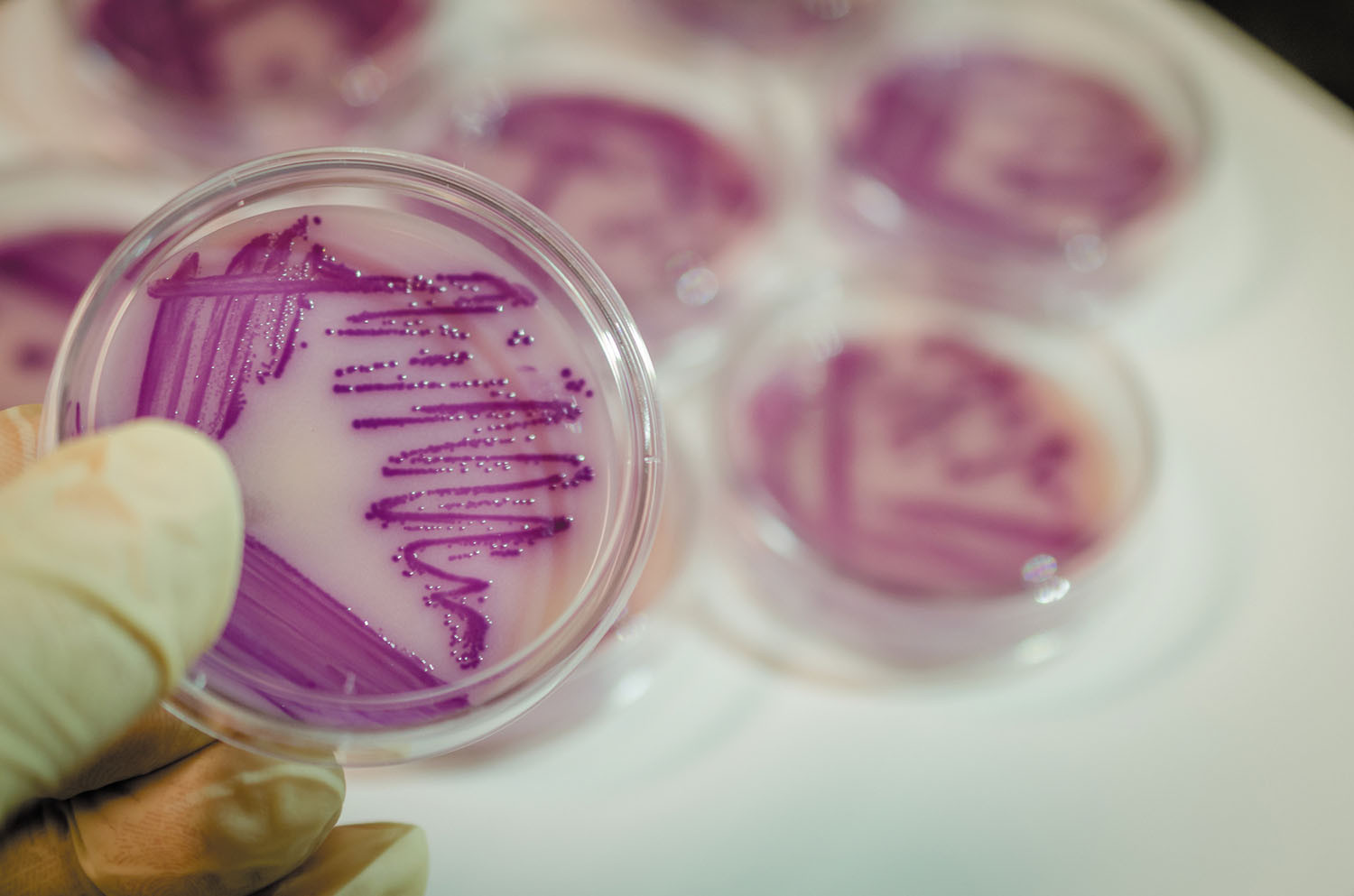
Stay safe from superbugs
Understanding superbugs can help you avoid them.
Image: © Manjurul/Getty Images
It used to be that if you got an infection, you could pop an antibiotic pill and rest assured that it could help you fend off your bacterial attacker. But those old tried-and-true pills may not be as effective as they once were, thanks to a rising number of new types of bacteria often referred to as superbugs.
"'Superbug' is essentially a slang term developed by the press that refers to highly antibiotic-resistant bacteria that can cause human infections," says Dr. David Hooper, an infectious disease specialist and professor of medicine at Harvard Medical School.

Eat an egg for breakfast, prevent a stroke?
Research we're watching
Image: © Twomeows_IS/Getty Images
Eating an egg a day may help protect against cardiovascular disease, according to a study published online May 21 by the journal Heart. Researchers found that people who ate an egg every day had an 18% lower risk of dying from cardiovascular disease and a 28% lower risk of experiencing a deadly hemorrhagic stroke, compared with people who didn't eat eggs.
The study included more than 400,000 adults ages 30 to 79. Participants were from 10 survey sites in China. Researchers looked at how often study subjects reported eating eggs and then tracked their health for nearly nine years using registries and other methods.
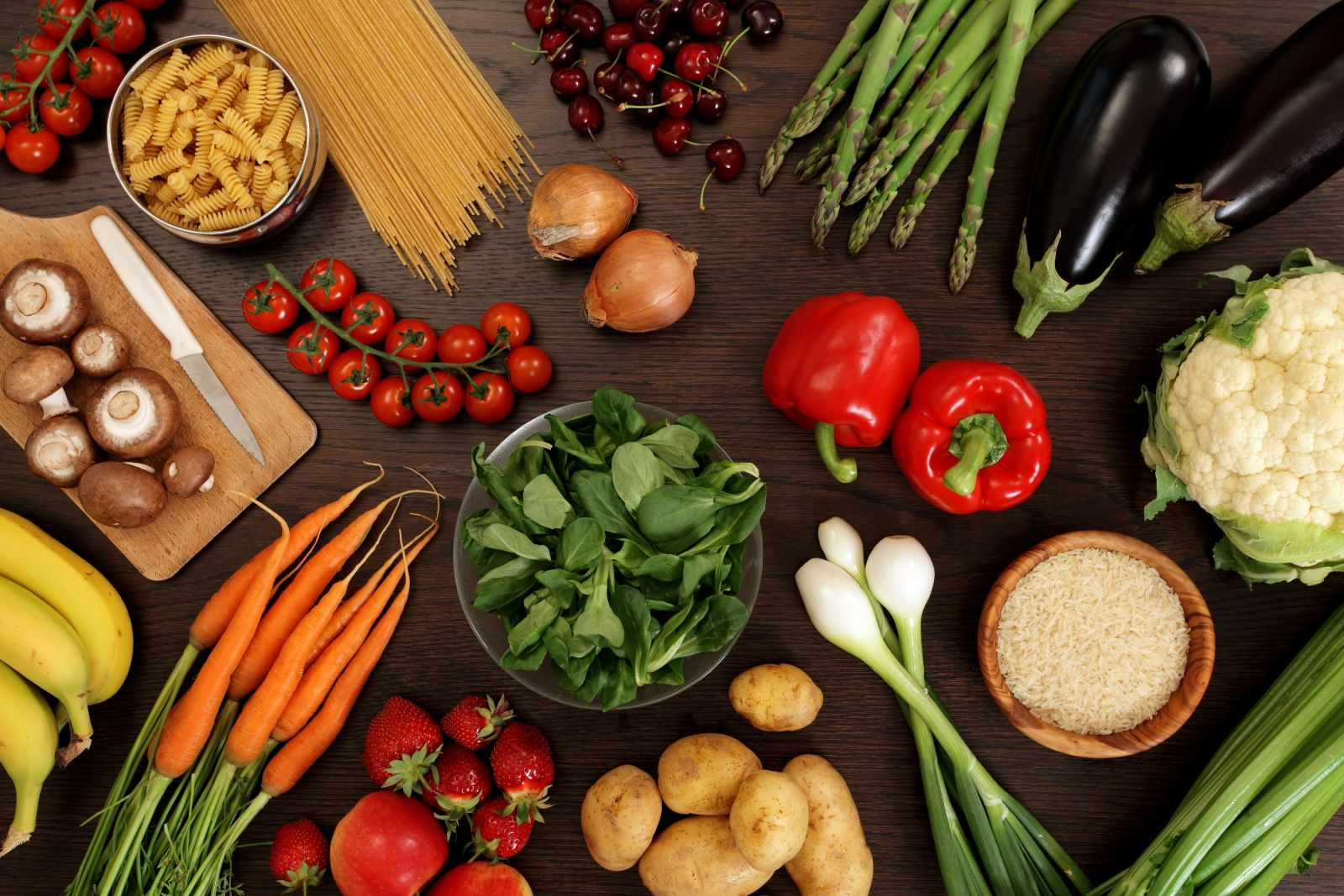
3 diet changes to help lower cholesterol levels
By lowering your blood LDL ("bad") cholesterol level, even if it is normal, you help reduce your chances of having a heart attack. It's especially important if the LDL level is above 130 milligrams per deciliter. For every 10% drop in your cholesterol level, your heart attack risk potentially falls by 20% to 30%.
There are several steps you can take to lower your cholesterol level, like losing weight if needed, being more active, and choosing healthy foods. Here are three simple steps toward a healthier, cholesterol-lowering diet:


Pain relief, opioids, and constipation
Constipation from pain medication – such as opioids – is a common problem
Prescription opioids provide pain relief, but constipation from pain medication is an all too common side effect.
As we age, pain and pain control become an important issue. Many of the conditions that cause pain disproportionately affect people starting at about age 65. In some surveys, half of respondents ages 60 and older have said that they suffer from chronic pain. About 70% of cancer deaths occur in people ages 65 and older, so cancer pain is frequently the older person's problem.
Hip bursitis vs. arthritis: How to tell the difference
Fitness for longevity: Which type matters most?
Ministrokes linked to elevated risk of dementia
Continuous glucose monitors benefit people who don't need insulin
CoQ10: Should you take this popular supplement if you're on a statin?
Microplastics: A hidden health threat?
Oat vs. dairy milk: Nutrition, benefits, and downsides
What is tempeh? Benefits, nutrition, and how to use it
Healing after food poisoning
Whole grains may improve several heart risk factors at once
Free Healthbeat Signup
Get the latest in health news delivered to your inbox!
Sign Up
