

Hip bursitis vs. arthritis: How to tell the difference

Fitness for longevity: Which type matters most?

Ministrokes linked to elevated risk of dementia

Continuous glucose monitors benefit people who don't need insulin

CoQ10: Should you take this popular supplement if you're on a statin?

Microplastics: A hidden health threat?

Oat vs. dairy milk: Nutrition, benefits, and downsides

What is tempeh? Benefits, nutrition, and how to use it

Healing after food poisoning

Whole grains may improve several heart risk factors at once
Vitamins, minerals & supplements Archive
Articles

Extra protein does not build more muscle
In the journals
Can higher protein intake build more muscle in older men? Not according to a study in the April 2018 JAMA Internal Medicine.
The researchers randomized 92 men, average age 73, into four groups. One group followed a daily diet containing 0.8 grams (g) of protein per kilogram (kg) of body weight, the daily Recommended Dietary Allowance (RDA) for all adults, and a weekly placebo injection; another consumed 1.3 g/kg and the placebo injection; a third consumed the 0.8-g/kg diet, but also received a weekly 100-mg injection of testosterone, and the fourth group ate a 1.3-g/kg diet and got a weekly testosterone injection. (The testosterone was included to see if higher protein increased the hormone's muscle-growing effect.)

More dairy associated with higher bone density in men over 50
In the journals
A higher intake of dairy foods, such as milk, yogurt, and cheese, is associated with higher bone density, especially in the spine, in older men, according to a study published online March 30, 2018, by the Journal of Bone and Mineral Research.
Men in their 50s do not experience the rapid loss of bone mass that women do in the years following menopause. However, by their late 60s, they lose bone mass at the same rate as women. These changes can increase their risk of osteoporosis and fractures.

6 ways to improve and protect your vision
Eating an antioxidant-rich diet, wearing protective glasses, and controlling underlying conditions will help protect your vision.
Image: © Sidekick/Getty Images
We all know how important vision is for remaining independent and enjoying the simple pleasures in life, like a colorful sunset or a grandchild's precious smile. But appreciation isn't enough to keep your vision intact. Aging increases the risk for vision loss and eye problems, including cataracts, diabetic eye disease, glaucoma, age-related macular degeneration, and dry eyes.
Adopting the following healthy habits will increase the odds that you'll protect your vision and independence as well as your view of the things that make life beautiful.

Open your heart to mindful eating
Strategies that cultivate self-awareness and compassion may help you lose weight and keep it off.
Image: © Dean Mitchell/Getty Images
Of all the recommendations for preventing heart disease, maintaining a healthy weight tops the list. Excess weight can raise your blood pressure, blood sugar, and cholesterol values, all of which harm the heart. But with about one in three Americans now overweight or obese, weight loss clearly remains a stubbornly elusive goal for many people.
One strategy that's gained traction in recent years is to focus less on what you eat and more on how and why you eat. How? By practicing mindfulness, which teaches you to focus on the present moment, while peacefully acknowledging and accepting your feelings and thoughts and the sensations in your body. Granted, that may sound a bit touchy-feely. But a review of a dozen studies, published in the March 2018 Current Obesity Reports, concluded that there is strong support for including mindful eating practices in weight management programs.

The benefits of do-it-yourself blood pressure monitoring
Sharing readings from a home monitor with your physician may help you reach your blood pressure goal more quickly.
Image: © Bojan89/Getty Images
For treating certain health problems, finding the best drug or combination of drugs at the correct dose often requires some trial and error. High blood pressure is a good example. Because this common problem raises heart attack and stroke risk, the sooner you can get your blood pressure down to a healthy range (130/80 millimeters of mercury [mm Hg] or lower), the better. New research suggests that people could speed things up a bit by taking a more active role in the process (see "Tracking your blood pressure at home: Does it help?").
"The study showed that a period of home blood pressure monitoring — one week per month — was sufficient to guide people to better blood pressure control," says Dr. Paul Conlin, professor of medicine at Harvard Medical School and chief, Medical Service, at the VA Boston Healthcare System.

Avoiding heart problems in your 80s
Advancing age may warrant changes to preventive therapies for heart disease. But one size does not fit all.
Image: © Willowpix/Getty Images
Currently, the average life expectancy in the United States is about 79 years. But among people who survive to age 80 and beyond, health status can vary quite a bit. Some stay hale and hearty for years, while others gradually become weak and frail.
These differences are one reason there aren't any set guidelines for preventing heart disease in octogenarians. But there's a larger underlying issue — one that also explains why heart attack risk calculators (such as www.health.harvard.edu/heartrisk) don't allow you to enter an age above 79.

How atrial fibrillation may affect your brain
This heart rhythm disorder is linked to thinking and memory problems. But anti-clotting drugs may lower the risk.
Bouts of atrial fibrillation, or afib — a rapid, chaotic heartbeat — make some people feel lightheaded and dizzy, while others don't notice any symptoms. But the most serious threat of this condition is the higher risk of stroke among people with afib compared with those without the disorder (see "Blood clot dangers, large and small"). Now, there's a growing recognition that people with afib also face an increased risk of thinking and memory problems — even if they do not experience a stroke.
Known as cognitive impairment, these problems include trouble remembering, learning new things, concentrating, or making routine decisions. The presumed underlying cause? Tiny blood clots that cause "silent" (that is, unrecognized) strokes and gradually injure parts of the brain involved with cognition.
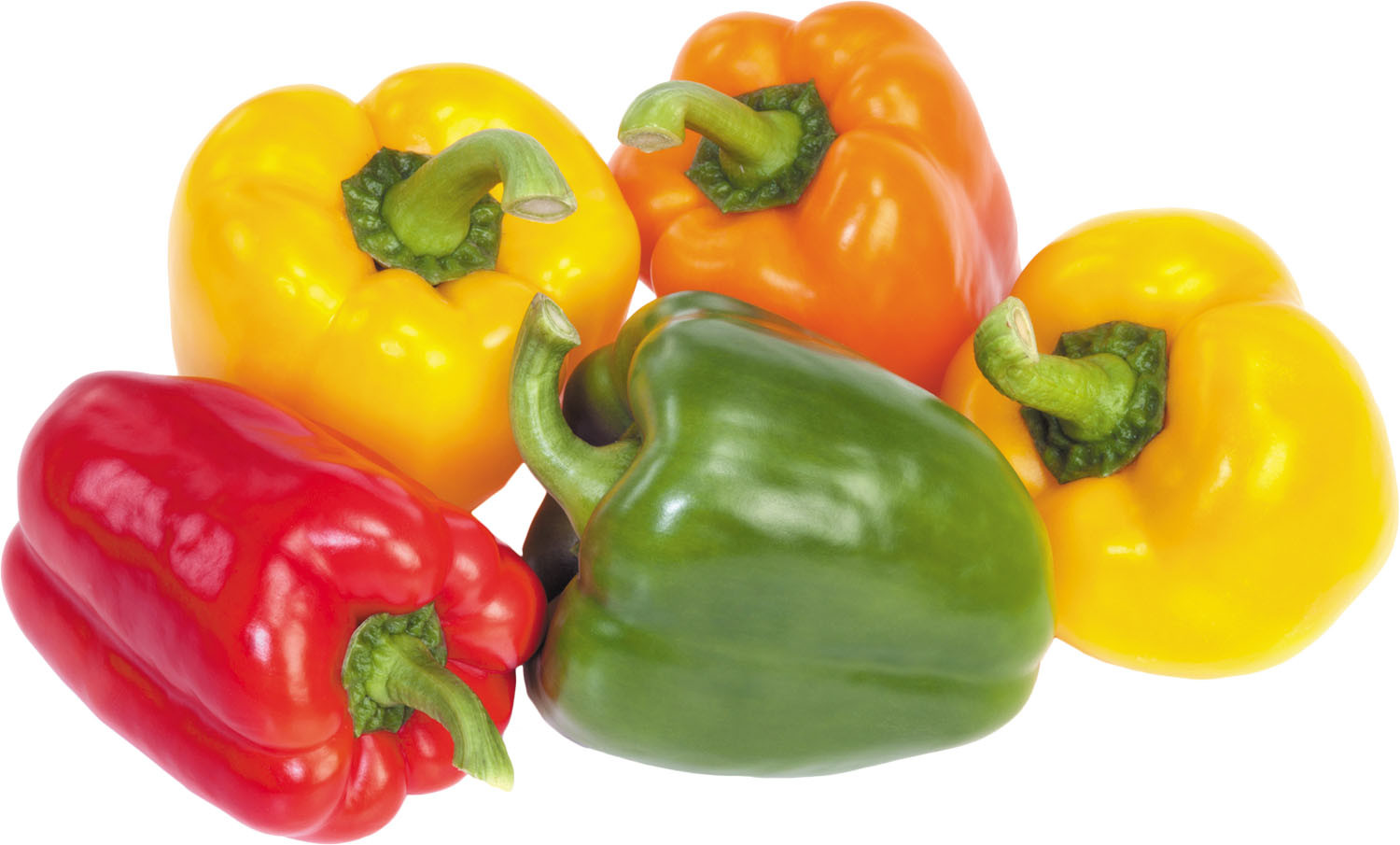
Vegetable of the month: Peppers
Image: © Josef Mohyla/Getty Images
Peppers, which belong to the genus Capsicum, come in a variety of colors, shapes, sizes, and flavors. Bell peppers (available in green, yellow, orange, red, and even purple) make a nice addition to a salad or plate of crudités. Supermarkets carry bags of assorted mini bell peppers that are convenient both for snacking and using in recipes.
While sweet bell peppers are crunchy and mild, hot peppers — such as jalapeños, serranos, and habaneros — provide a tongue-tingling punch of heat. They contain varying amounts of the phytochemicals responsible for the spiciness in hot peppers.

Inherited high cholesterol often goes untreated
Research we're watching
About four in 1,000 adults in this country are born with a genetic condition marked by abnormally high cholesterol levels, known as familial hypercholesterolemia (FH). Their "bad" LDL cholesterol can be two to three times as high as the common target LDL value of 100 milligrams per deciliter (mg/dL) or lower for healthy people. But only about half of people with FH are getting proper treatment for the disease, according to a report in the May 22 issue of Circulation.
For the study, researchers analyzed health surveys done between 1999 and 2014 with nearly 42,500 adults in the United States. Although more than 80% of people with FH or severely high cholesterol were aware of their condition, only half were taking cholesterol-lowering statins. And among those who were, only one-third were taking optimal doses of the drugs.

Tips to cope when you’re juggling several chronic health issues
Be proactive by learning about and tracking your conditions and medications, and by speaking up when you have concerns.
Image: © PeopleImages/Getty Images
We don't want our golden years to be spent juggling a long list of health issues. But that's the reality for most older adults in the United States.
The CDC reports that 75% of Americans ages 65 or older have several chronic health problems. And a 2013 analysis of Medicare claims published online by Preventing Chronic Disease found that 68% of beneficiaries had two or more chronic conditions and 36% had at least four.
Hip bursitis vs. arthritis: How to tell the difference
Fitness for longevity: Which type matters most?
Ministrokes linked to elevated risk of dementia
Continuous glucose monitors benefit people who don't need insulin
CoQ10: Should you take this popular supplement if you're on a statin?
Microplastics: A hidden health threat?
Oat vs. dairy milk: Nutrition, benefits, and downsides
What is tempeh? Benefits, nutrition, and how to use it
Healing after food poisoning
Whole grains may improve several heart risk factors at once
Free Healthbeat Signup
Get the latest in health news delivered to your inbox!
Sign Up
