

Hip bursitis vs. arthritis: How to tell the difference

Fitness for longevity: Which type matters most?

Ministrokes linked to elevated risk of dementia

Continuous glucose monitors benefit people who don't need insulin

CoQ10: Should you take this popular supplement if you're on a statin?

Microplastics: A hidden health threat?

Oat vs. dairy milk: Nutrition, benefits, and downsides

What is tempeh? Benefits, nutrition, and how to use it

Healing after food poisoning

Whole grains may improve several heart risk factors at once
Vitamins, minerals & supplements Archive
Articles

Ultra-processed snacks and meals may raise cancer risk
Research we're watching
Image: © xfotostudio/Getty Images
If your food is more likely to come out of a bag or a box than from a tree or the ground, you may be putting yourself at higher risk for cancer. A study published online Feb. 14, 2018, by The BMJ found that people who eat more ultra-processed foods have a higher overall risk of cancer than those who don't. In fact, when the proportion of ultra-processed foods in a person's diet increased by 10%, the risk of cancers increased by more than 10%.
The researchers came to their conclusions after reviewing data from more than 100,000 people, on average 42 years old, based on their usual consumption of 3,300 different foods. The foods were classified according to their level of processing. Ultra-processed foods included things like

What is long QT syndrome?
Ask the doctor
Image: © Shidlovski/Getty Images
Q. I was recently diagnosed with long QT syndrome, which was apparently caused by a medication I was taking. But I understand that there are also genetic causes for this problem. Can you tell me more about this disorder?
A. Long QT syndrome is a rare disorder of the heart's electrical system. Electrical signals coordinate your heartbeat, telling the heart to contract and relax to pump blood. After each beat, the heart's muscle cells are busy recharging themselves for the next contraction by moving sodium, potassium, and calcium through tiny pores on their surfaces.

Vegetable of the month: Red cabbage
Image: © pjohnson1/Getty Images
Slivers of this vibrantly colored vegetable, also known as purple cabbage, are sometimes added to cabbage salads and coleslaw. But why not add red cabbage to any salad — or even make it the star ingredient?
Red cabbage contains substances called anthocyanins, which are responsible for the red-orange to blue-violet colors found in many fruits and vegetables. Population-based studies have linked a higher intake of anthocyanins and other so-called phytochemicals to a lower risk of cardiovascular disease.

Beer belly
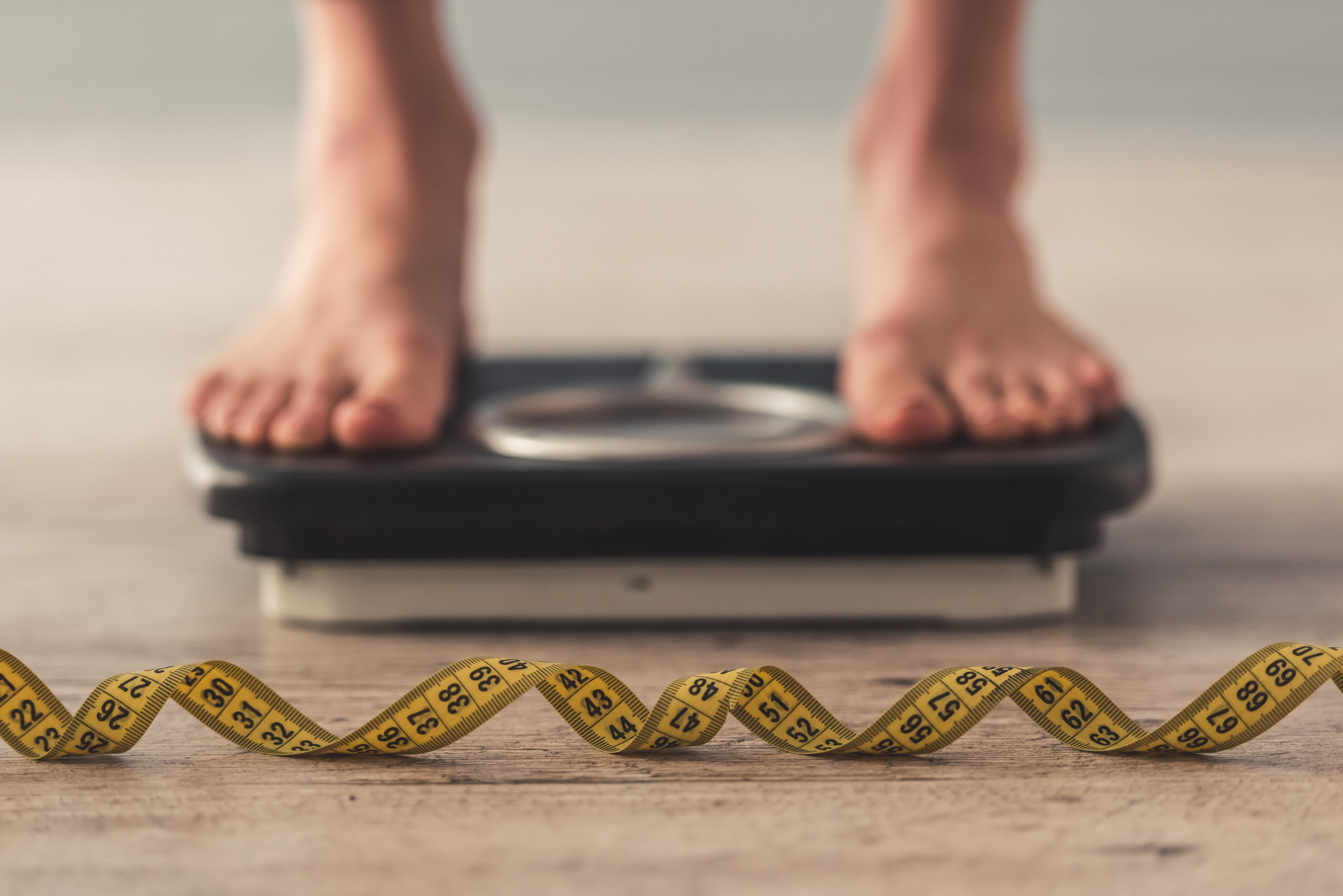
Q. I am a healthy, active 39-year-old guy. I enjoy a beer with dinner most nights, and a six-pack most weekends. Over the past year or two, I've had to let my belt out, and now I'm letting out my pants. So here's my question: is beer really responsible for my "beer belly"?
A. Whether it's called a beer belly, a spare tire, the apple shape, or the middle-age spread, abdominal obesity is the shape of risk. Abdominal obesity is a health hazard, increasing the risk of heart attack, stroke, diabetes, erectile dysfunction, and other woes. Risk begins to mount at a waist size above 37 inches for men, and a measurement above 40 inches would put you in the danger zone. For women, the corresponding waist sizes are 31 and 35 inches, respectively.

7 reasons why you may need a medication check-up
New medications and side effects warrant an evaluation.
Image: © Paul Bradbury/Getty Images
A medication regimen isn't something you can set and forget. You and your doctor need to keep tabs on what you're taking and how it's affecting your health. "We are required to do a medication 'check-up' at every visit, regardless of the specialty, which means that every clinician who sees you is supposed to review your medications and check off a box," says geriatrician Dr. Suzanne Salamon, an assistant professor at Harvard Medical School.
Sometimes things change between visits, and adjustments need to be made. It's up to you to schedule an appointment. Here are seven reasons why that may need to happen.

Harvard researchers: Inflammatory diets linked to colorectal cancer
News briefs
Image: © Ben6/Getty Images
Here's another reason to say goodbye to hot dogs, soda, and white bread: A Harvard study published online Jan. 18, 2018, by JAMA Oncology suggests that diets promoting chronic inflammation are associated with colorectal cancer. Researchers analyzed the self-reported eating habits of more than 120,000 men and women, who filled out surveys every four years over a period of 26 years. People in the study who ate the most foods that promoted inflammation — such as red and processed meats, sugary drinks, and refined grains — had a higher rate of colorectal cancer compared with people who ate the least of these foods. For men, the risk was 44% higher; for women, the risk was 22% higher. The people who ate pro-inflammatory diets also ate fewer vegetables and drank less tea, wine, and coffee. A growing number of studies have found that chronic inflammation is associated with cancer. And many other studies have shown links between pro-inflammatory diets and chronic diseases such as type 2 diabetes and heart disease. The bottom line: Anything you can do to reduce the risk of chronic inflammation is a good idea. That could mean cutting out foods that are associated with inflammation, reducing stress, or getting more exercise.

The wholesome goodness of grains
Eating more whole grains is linked to a lower risk of heart disease.
Image: © Bigacis/Getty Images
The word "refined" often describes things that have been stripped of impurities or other unwanted elements. But when it comes to wheat, rice, and other grains, the refining process instead removes the most healthful parts of these nutritious foods.
For example, white flour and white rice have far less of the vitamins, minerals, healthy fats, fiber, and other plant-based chemicals called polyphenols found in whole-wheat flour and brown rice. The combination of those beneficial nutrients may explain why people who eat more whole grains have a lower risk of developing and dying from heart disease.
Vegetable of the month: Asparagus
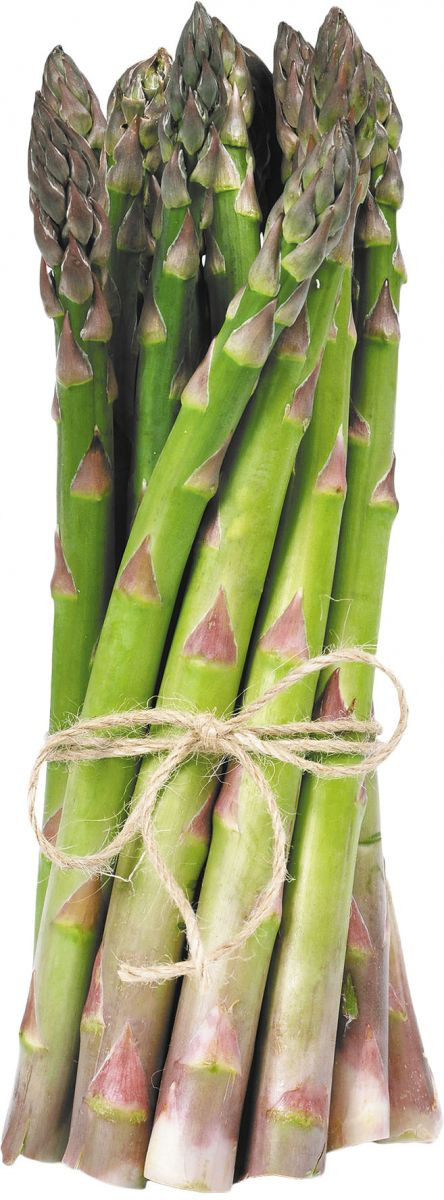
Asparagus is often available year-round. But spring is the peak season for this popular vegetable, with April being the prime month. In the market, look for bright green stalks with firm, tight tips (which may have a purplish cast).
If you notice that your urine smells a bit unpleasant after you eat asparagus, you're definitely not alone. The odor comes from sulfur-containing chemicals that form when your body metabolizes asparagusic acid, a compound found in the vegetable. Not everyone notices this phenomenon, however, either because they metabolize the chemical differently or because of an inherited inability to perceive the smell.

Statin use: Uncommon in younger heart attack patients
Research we're watching
Cholesterol-lowering statins may be underused in younger people at risk for heart attack, new research suggests.
The study, in the Jan. 23, 2018, Journal of the American College of Cardiology, included more than 1,600 people ages 50 and younger who had experienced a heart attack. Only one in eight was taking a statin before the heart attack.
Hip bursitis vs. arthritis: How to tell the difference
Fitness for longevity: Which type matters most?
Ministrokes linked to elevated risk of dementia
Continuous glucose monitors benefit people who don't need insulin
CoQ10: Should you take this popular supplement if you're on a statin?
Microplastics: A hidden health threat?
Oat vs. dairy milk: Nutrition, benefits, and downsides
What is tempeh? Benefits, nutrition, and how to use it
Healing after food poisoning
Whole grains may improve several heart risk factors at once
Free Healthbeat Signup
Get the latest in health news delivered to your inbox!
Sign Up
