

Hip bursitis vs. arthritis: How to tell the difference

Fitness for longevity: Which type matters most?

Ministrokes linked to elevated risk of dementia

Continuous glucose monitors benefit people who don't need insulin

CoQ10: Should you take this popular supplement if you're on a statin?

Microplastics: A hidden health threat?

Oat vs. dairy milk: Nutrition, benefits, and downsides

What is tempeh? Benefits, nutrition, and how to use it

Healing after food poisoning

Whole grains may improve several heart risk factors at once
Vitamins, minerals & supplements Archive
Articles
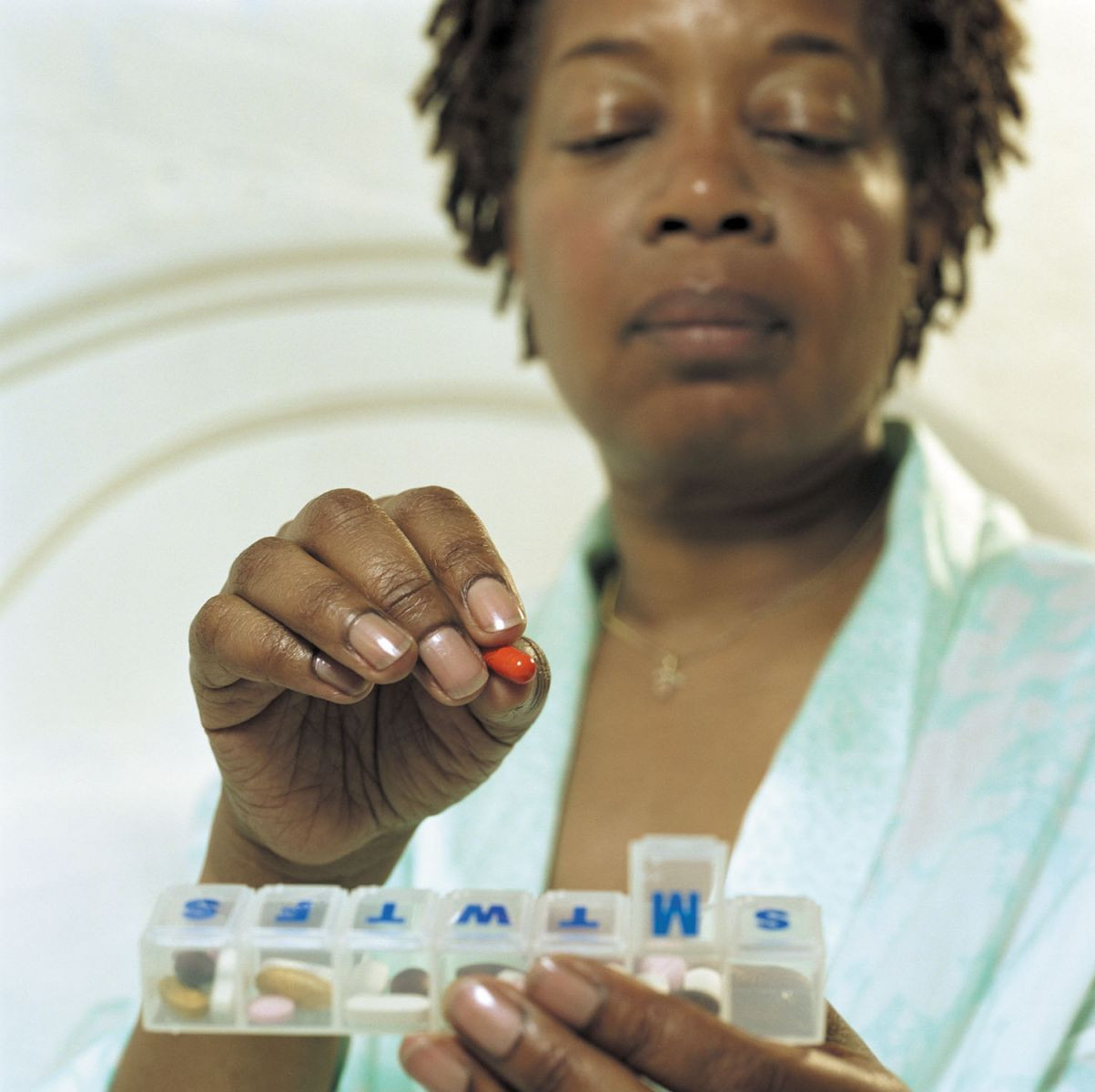
Protect yourself from medication mix-ups
Being vigilant about what you're taking can reduce your risk of a harmful drug reaction.
There's an old expression that the cure is sometimes worse than the disease. That rings true when it comes to a common problem in health care — medication errors.
Medication mix-ups and mistakes sometimes lead to harmful drug reactions, which cause about 700,000 emergency department visits and 100,000 hospital admissions each year, according to the Agency for Healthcare Research and Quality.

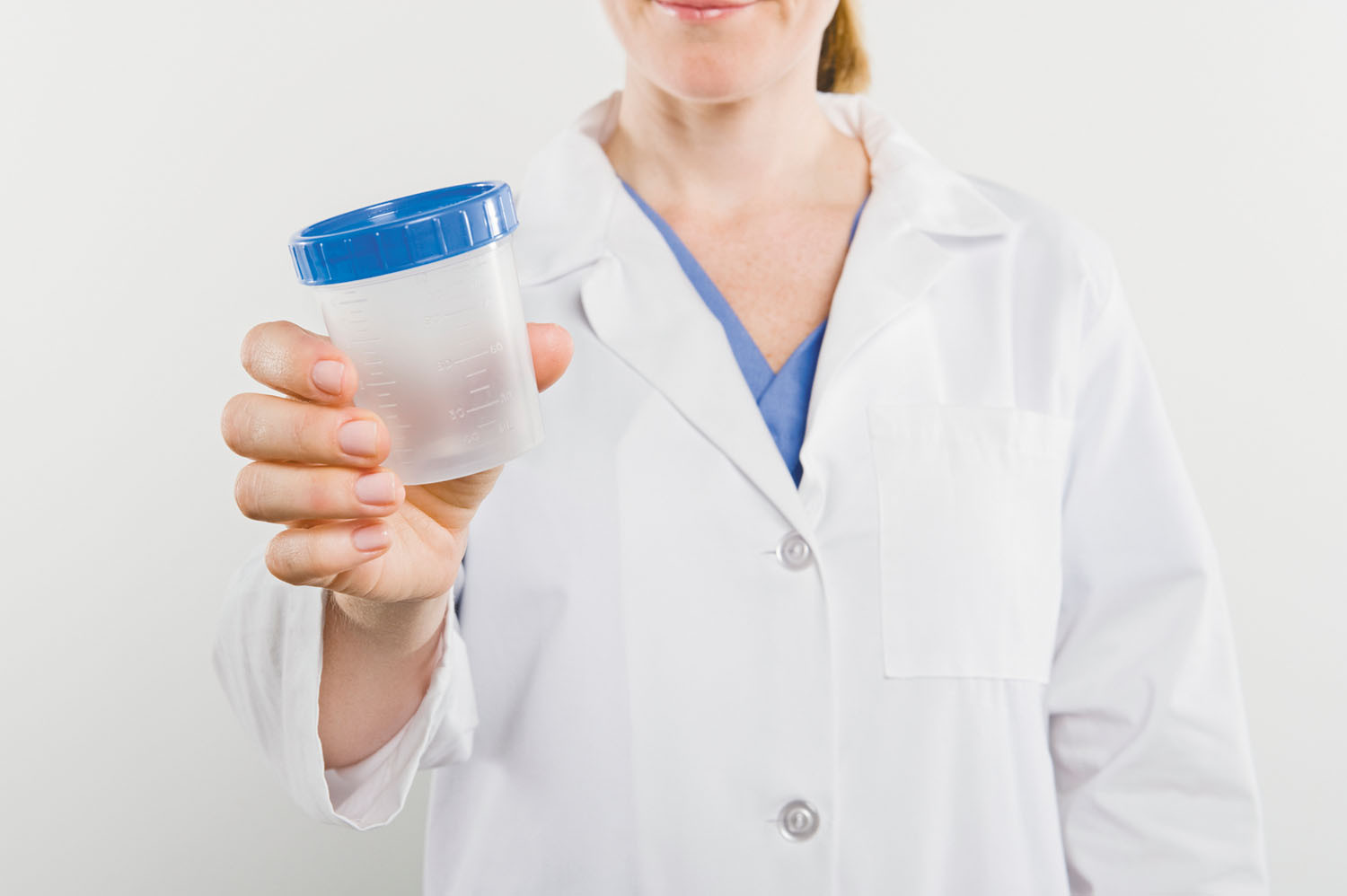
Rapid urine test could reduce unnecessary antibiotic use
Research we're watching
Image: © moodboard/Thinkstock
A new test might help doctors better treat patients with urinary tract infections, according to a study published in the Oct. 4, 2017, issue of Science Translational Medicine. These infections prompt some eight million doctor visits each year, and doctors often prescribe antibiotics to treat the condition. However, sometimes the bacteria they are attempting to treat are resistant to first-line antibiotics. The delay caused by the ineffective medication can, in some cases, cause the patient's condition to worsen and lead to complications. To eliminate this antibiotic guesswork, researchers developed a new quick-acting antimicrobial susceptibility test that not only tells the doctor within 30 minutes whether the patient has a urinary tract infection, but also what type of bacteria caused it and what drugs will best treat it. The test can also quickly identify cases where antibiotics aren't needed at all, preventing overuse of antibiotics, which can promote resistance. The same type of rapid testing, might eventually be of use in identifying the best anti-biotics for other types of bacterial infections as well.

And the winner for highest sodium content goes to…
Research we're watching
You've heard of the Grammys and the Emmys, but how about the MilliGrammys? This satirical award is given by the Center for Science in the Public Interest (CSPI) to the American restaurant foods that give you the biggest dose of sodium in one serving. On Oct. 11, 2017, the organization gave the award for Sodium Content in a Sandwich by a Chain Restaurant to Subway's Footlong Spicy Italian with Provolone and Mayo, with 3,380 milligrams (mg) of sodium, 1,080 mg more sodium than you're supposed to eat in an entire day. Most Sodium in a Single Menu Item went to P.F. Chang's Pad Thai with Shrimp (5,250 mg of sodium), and Chili's restaurant received a Lifetime Achievement Award for a trio of high-salt offerings, including the Beef Bacon Ranch Quesadilla (3,990 mg of sodium), Crispy Fiery Pepper Crispers (6,240 mg), and Texas Dry Rub Ribs (6,260 mg).
CSPI's goal is to raise awareness and get restaurants to curb high sodium levels in their food. To learn more about the awards, visit www.health.harvard.edu/mga.




Watch out for two different Nutrition Facts labels
News briefs
Brace yourself for confusion when looking at food labels. The FDA is delaying the launch of its new Nutrition Facts label, which features clearer serving sizes, a new line for added sugars, and the actual amounts of vitamins and minerals (not just percentages of Daily Values). Large food makers were supposed to start using the updated design by July 2018, and smaller companies had until July 2019. Now the FDA is extending the deadlines to January 2020 and January 2021, respectively. The FDA says the extra time will give the agency a chance to lend guidance to manufacturers. But some food makers have already rolled out the new label on their products. This means consumers will see two different types of nutrition labels for years to come, which could be confusing. "Ironically, however, remember that fresh whole foods that don't have a label — especially fruits and vegetables — may be your wisest choice," says registered dietitian Kathy McManus, director of the Department of Nutrition at Harvard-affiliated Brigham and Women's Hospital.
Treating inflammation protects the heart
News briefs
People with coronary artery disease or strong risk factors for developing it are often treated with statin drugs. Statins were developed to treat high levels of LDL (bad) cholesterol, because such high levels increase the risk of coronary artery disease. Studies convincingly showed that statins do indeed reduce both cholesterol and the risk of coronary artery disease, as expected. However, a large Harvard study published in 2008 found that statins also lowered the risk even in people with normal LDL levels. Why? Many doctors speculated that the reason might be that statins also reduce inflammation, another contributor to heart attacks and stroke. A new Harvard study, published online August 27, 2017, by The New England Journal of Medicine used a novel medication called canakinumab, which attacks inflammation but does not lower LDL cholesterol. The study involved over 10,000 people who had suffered a heart attack and whose blood showed a modest level of inflammation. The inflammation-fighting medicine lowered the rates of heart attacks, strokes, and death from heart disease. This study supports the theory that the beneficial effects of statins may result from their ability to both lower cholesterol and tamp down inflammation. It also will lead to further study of this new drug as well as other treatments for inflammation.

What are the best calcium sources for people who are lactose intolerant?
On call
Image: © Svetl/Thinkstock
Q. How can I get my daily requirement for calcium if I am lactose intolerant?
A. We usually associate high-calcium foods with dairy products, like milk, cheese, and yogurt. If you cannot tolerate these foods from a digestive standpoint, you can still meet your calcium requirement by increasing your consumption of certain green leafy vegetables and calcium-fortified foods.
Hip bursitis vs. arthritis: How to tell the difference
Fitness for longevity: Which type matters most?
Ministrokes linked to elevated risk of dementia
Continuous glucose monitors benefit people who don't need insulin
CoQ10: Should you take this popular supplement if you're on a statin?
Microplastics: A hidden health threat?
Oat vs. dairy milk: Nutrition, benefits, and downsides
What is tempeh? Benefits, nutrition, and how to use it
Healing after food poisoning
Whole grains may improve several heart risk factors at once
Free Healthbeat Signup
Get the latest in health news delivered to your inbox!
Sign Up
