

Hip bursitis vs. arthritis: How to tell the difference

Fitness for longevity: Which type matters most?

Ministrokes linked to elevated risk of dementia

Continuous glucose monitors benefit people who don't need insulin

CoQ10: Should you take this popular supplement if you're on a statin?

Microplastics: A hidden health threat?

Oat vs. dairy milk: Nutrition, benefits, and downsides

What is tempeh? Benefits, nutrition, and how to use it

Healing after food poisoning

Whole grains may improve several heart risk factors at once
Vitamins, minerals & supplements Archive
Articles

Free services to help your health
Take advantage of free medications, blood pressure screenings, and exercise classes to stay healthy and save money.
Image: © Wavebreakmedia/Thinkstock
Medical costs are soaring, but not every step you take to improve your health has to cost an arm and a leg. Some services are even free, regardless of your financial need. "These are incredibly helpful, although few of my patients know about many of them," says geriatrician Dr. Suzanne Salamon, an assistant professor at Harvard Medical School. The trick is knowing where to find the services, and this month we have suggestions on where to look.
Free exercise classes
Exercise is essential for overall health and mobility, especially as we get older. Many organizations support that by offering free exercise classes for older adults. Good places to find free classes: hospitals and senior centers. Give them a call, or look on the Internet to see an organization's event calendar.

Avoid drowsiness after holiday feasts
Ask the doctor
Image: © circlePS/Thinkstock
Q. Is there a way to avoid feeling sleepy after a holiday meal?
A. That's an unusual question: my patients usually ask me about foods to help them sleep. But with the holidays coming, the concern often is reversed. You may be with friends and family that you see only infrequently, and you don't want to nod off during the conversation.
Trending now: Sprouted grains
These grains have more nutrients than regular whole grains, and they may be easier to digest.
Image: © kazmulka/Thinkstock
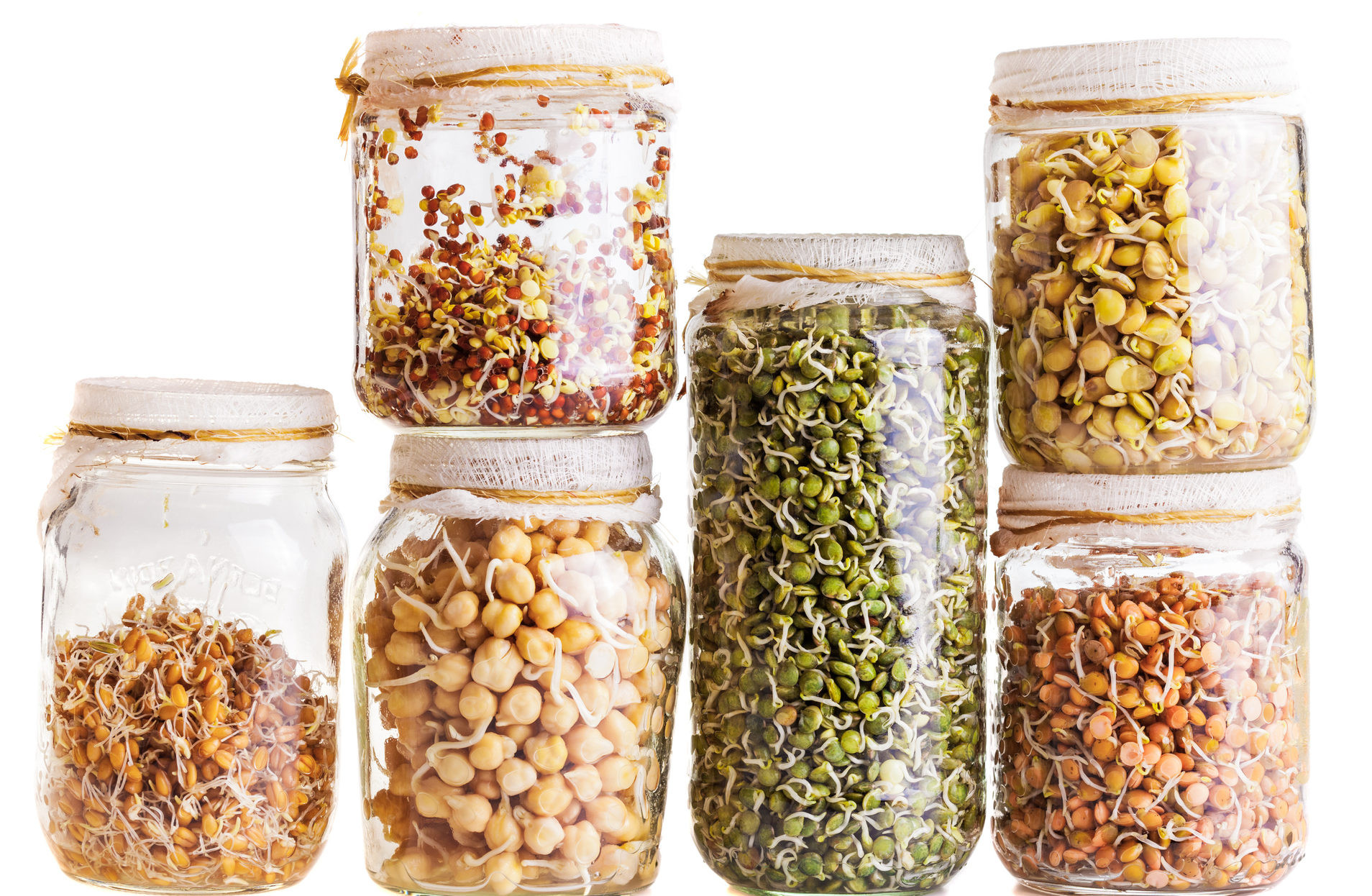
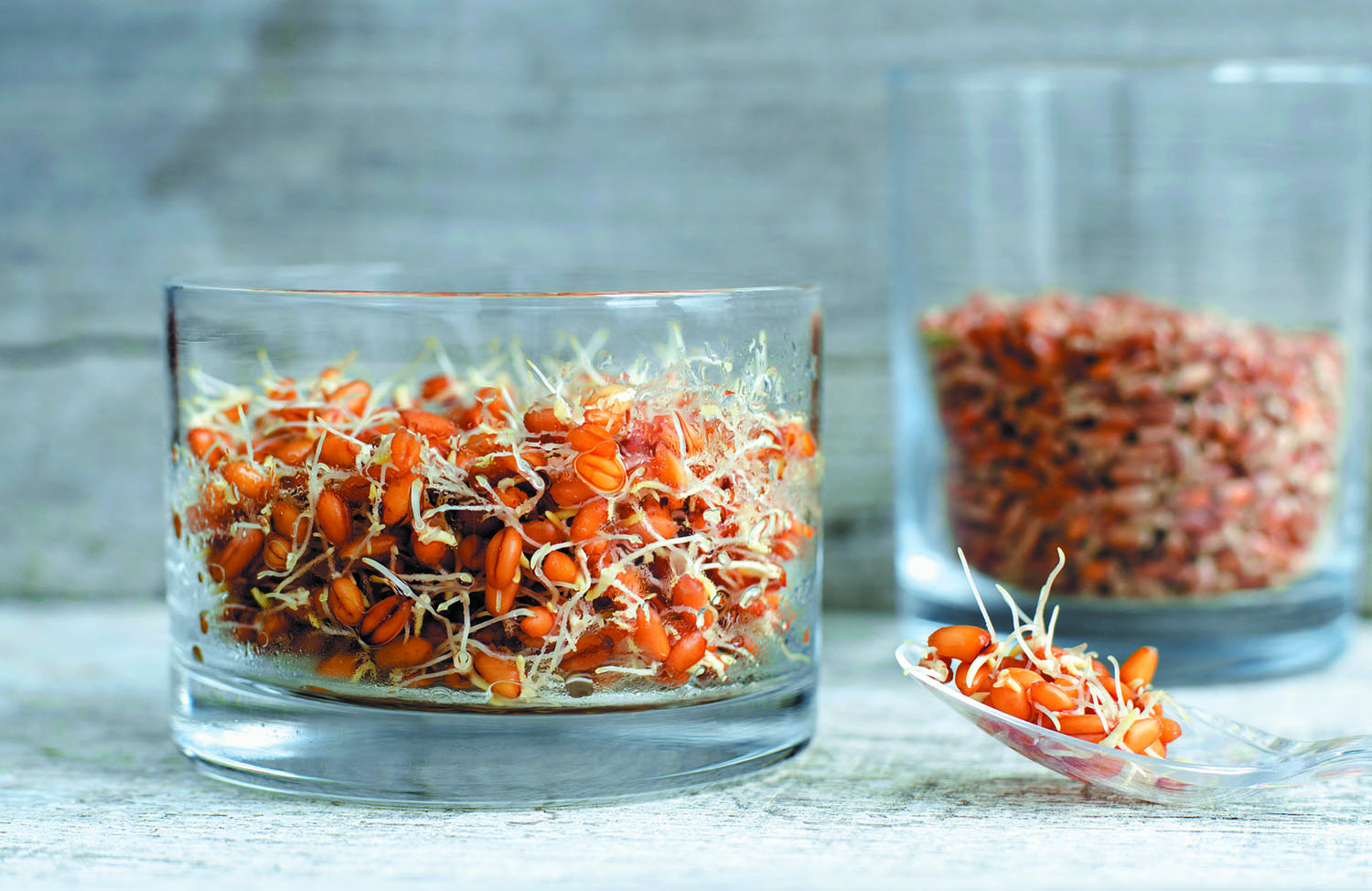
You know that whole grains are loaded with nutrients and fiber and are an important component of a healthy diet. Now an early harvesting method for grains — when they're just sprouts — is becoming popular, with sales of sprouted grains predicted to grow eightfold in the United States by 2018.
"It's one of those trends taking off as people are looking for the next big thing. And in some ways, sprouted grains are a step above regular whole grains," says Kristina Secinaro, a registered dietitian at Harvard-affiliated Beth Israel Deaconess Medical Center.
Weighing the risks and benefits of aspirin therapy
It may help prevent a heart attack or stroke, but it comes with the risk of bleeding.
Image: © Garsya/Thinkstock
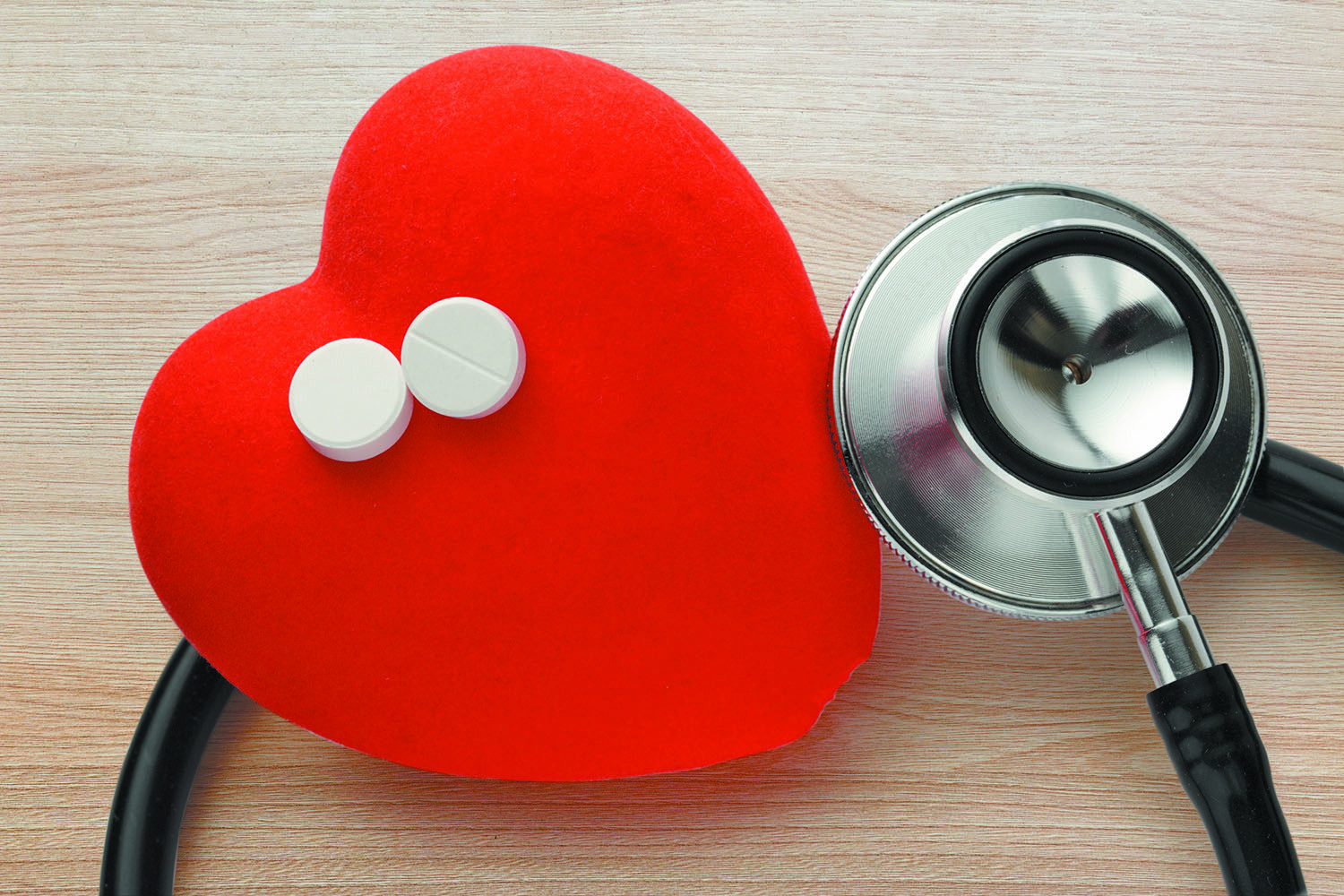
Maybe you've heard about people who take a low-dose aspirin each day to ward off heart problems. Since aspirin is a medicine you've probably used now and then without a problem, and since it is available without a prescription, you might consider trying a daily low-dose aspirin yourself. Don't do it. Unlike deciding to take a multivitamin, taking a daily aspirin isn't something you should decide to do on your own.
Aspirin therapy is typically prescribed to people who have atherosclerosis of the arteries of the heart or brain, or risk factors for such disease. Just who should take a daily aspirin, how much aspirin, and what type of aspirin are hotly debated issues, with clinical trials under way in search of answers. "Until those results are in, you should talk to your doctor before starting aspirin," says Dr. Deepak Bhatt, a cardiologist and the editor in chief of the Harvard Heart Letter.

Sodium in groceries on the decline
News briefs
The amount of sodium we're bringing home from the grocery store has dropped significantly in the past two decades, according to a study published online June 5, 2017, by JAMA Internal Medicine. Excess sodium intake is associated with a higher risk of heart disease. Researchers analyzed the sodium in about 1.5 million products purchased by more than 172,000 households in the United States from 2000 to 2014. Sodium in packaged foods brought into these homes declined from about 2,300 milligrams (mg) per person per day to about 1,900 mg per person per day. The declines were seen in all kinds of products — especially those notoriously high in sodium like condiments, sauces, dips, and salty snacks. The study can't tell us if the amount of sodium people consume is also declining. But it's a good reminder to keep an eye on your intake, since a salty diet can lead to high blood pressure, a major risk factor for heart disease and stroke. The American Heart Association says an ideal limit is 1,500 mg of sodium per day for most adults. That's hard to achieve, but being a savvy shopper for lower-sodium foods can help.
Image: © Lizalica/Thinkstock

Beta blocker blues?
Ask the doctor
Q. My doctor added metoprolol to the diuretic medication I'm taking for my high blood pressure. Ever since then, I've felt more tired than usual, and my wife says I seem a little depressed. Could the new drug be to blame, and if so, is there anything I can do about it?
A. Metoprolol (Lopressor, Toprol) belongs to a class of drugs known as beta blockers. These drugs — which make the heart beat slower and with less force — used to be given as a first-choice treatment for high blood pressure. But they can cause fatigue and depression in some people, as well as other side effects, such as erectile dysfunction.

Plant-based diets that protect your heart
Limiting animal-derived foods is only part of the story.
Image: © AnnaPustynnikova/Thinkstock
If you're not totally sure what constitutes a plant-based diet, you're not alone. Many people believe a plant-based diet means a vegetarian diet — a family of eating patterns that omits some or all foods that come from animals (see "Vegetarian variations").
But plant-based diets don't necessarily exclude animal-derived foods. While the main focus is on plants — grains, vegetables, fruits, legumes (dried beans and peanuts), and nuts — these diets may include limited amounts of fish, meat, poultry, and dairy products.
Marijuana linked to high blood pressure risk
Research we're watching
People who smoke marijuana may face a higher risk of dying of complications of high blood pressure than people who never use the drug, new research suggests.
The study included 1,213 people ages 20 and older who were part of a larger national health survey that began in 2005. Those who said they'd ever used marijuana (57%) were considered users. Researchers then looked at data on different causes of death in 2011 and estimated the association between marijuana use with death from high blood pressure, heart disease, and stroke.
Why do I bruise more easily as I age?
On call
Q. I seem to bruise more frequently as I get older. Even when I have not bumped into anything, I see bruises on my arms. What causes that, and should I be worried?
A. Easy bruising is a common issue for many older men. That's because of a combination of less subcutaneous (fat) tissue and more fragile blood vessels.
Hip bursitis vs. arthritis: How to tell the difference
Fitness for longevity: Which type matters most?
Ministrokes linked to elevated risk of dementia
Continuous glucose monitors benefit people who don't need insulin
CoQ10: Should you take this popular supplement if you're on a statin?
Microplastics: A hidden health threat?
Oat vs. dairy milk: Nutrition, benefits, and downsides
What is tempeh? Benefits, nutrition, and how to use it
Healing after food poisoning
Whole grains may improve several heart risk factors at once
Free Healthbeat Signup
Get the latest in health news delivered to your inbox!
Sign Up
