

Hip bursitis vs. arthritis: How to tell the difference

Fitness for longevity: Which type matters most?

Ministrokes linked to elevated risk of dementia

Continuous glucose monitors benefit people who don't need insulin

CoQ10: Should you take this popular supplement if you're on a statin?

Microplastics: A hidden health threat?

Oat vs. dairy milk: Nutrition, benefits, and downsides

What is tempeh? Benefits, nutrition, and how to use it

Healing after food poisoning

Whole grains may improve several heart risk factors at once
Vitamins, minerals & supplements Archive
Articles

What you can learn from wellderlies
Some people live long lives with no disease or serious illness. What can they teach you about healthy living?
Image: Creatas | Thinkstock /Thinkstock
You won't live forever, but it may be possible to live a long and maybe disease-free life by following the lead of "wellderlies."
This is a term to describe a special group of people who have reached ages 90 to 100 without having any major health issue or disease. And if they do get sick, it often happens late in their life and a short period before death.

Ask the doctor: Should I continue aspirin therapy if I do not have heart problems?
Aspirin therapy can help prevent a second heart attack and stroke, but for otherwise healthy older men, its use depends on their 10-year risk for a heart attack or stroke as determined by their doctor.

Get cooking at home
Sharpening your culinary skills (or developing new ones) can improve your diet, nutrition, and social life.
Image: gpointstudio/iStock
We tend to cook less as we age. Why cook when you can zap something in the microwave, pour something ready-to-eat into a bowl, or speed-dial for takeout? But this quick-eating trend has made many men adopt diets that put them at risk for weight gain, heart disease, and diabetes.
"Many older men have never developed or have lost touch with kitchen skills, and thus have become too dependent on processed and prepared foods," says Dr. David Eisenberg, of the Department of Nutrition at the Harvard T.H. Chan School of Public Health.
Do not get sold on drug advertising
Prescription drug ads are a multibillion-dollar industry that promotes treatments you may or may not need. Here's how to use that information to your advantage.
Ads for prescription drugs are everywhere. You can't watch a sporting event without seeing an ad touting a treatment for erectile dysfunction, high cholesterol, high blood pressure, or joint pain.
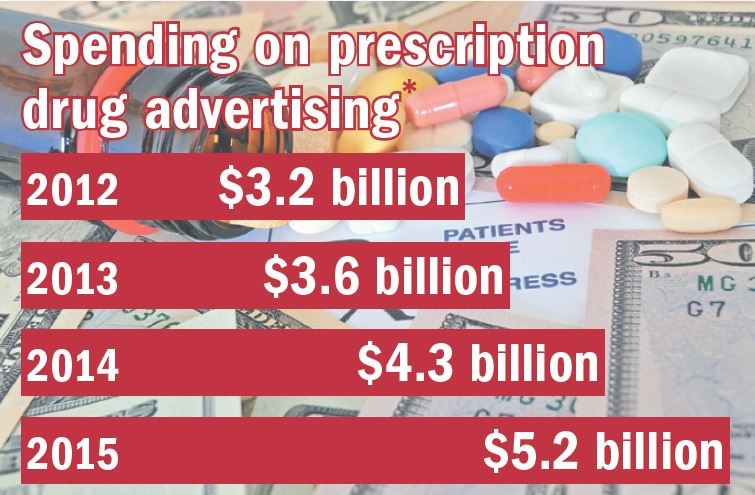
Drug marketing is a big business, and companies are willing to spend a lot of money to offer you an easy solution to a health problem you may or may not have. From 2012 to 2015, yearly spending on prescription drug advertising in all media outlets (except digital) rose from $3.2 billion to $5.2 billion, and that figure is expected to only go up.

What is in a food label? You may be surprised
Terms like "healthy" or "natural" can be meaningless or misleading.
Image: Dragon Images/iStock
If you're like most nutrition-minded shoppers, the word "healthy" on the front of a package can be a big draw. "When you're stuck in a situation where processed foods are the only thing available to you, it can be helpful to know which foods are healthier than others," says Dr. Walter Willett, chair of the Department of Nutrition at the Harvard T.H. Chan School of Public Health.
Yet these days you're on shaky nutritional ground if you rely on front-of-package claims like "healthy" to determine which soup, sauce, cereal—or other canned, bottled, boxed, or bagged food—is the best choice. A food marked "healthy" may be loaded with sugar or refined carbohydrates.
Ask the doctor: Why would I need Prolia?
Denosumab (Prolia) is recommended for people at high risk for fractures for whom other bone-loss treatments were ineffective or had intolerable side effects.

Ask the doctor: Do artificial sweeteners cause insulin resistance?
In preliminary research, sucralose and acesulfame potassium increased insulin levels, although more studies are necessary to determine whether they—or other artificial sweeteners—increase the risk of insulin resistance.

White wine linked to higher risk of certain melanomas
Data from more than 200,000 people indicates that the risk of developing melanoma increases by 13% for every glass of white wine consumed per day. Drinking beer, red wine, or liquor was not associated with increased risk.

Spotting whole grains at the grocery store
That's the first step in avoiding unhealthy refined or highly processed grains.
Image: © JackF/Thinkstock
It's important to eat a diet that includes whole grains. But not everyone knows what that means. "Some people aren't sure what a whole grain is. It can be confusing, and you may wind up making the wrong food choices," says registered dietitian Kathy McManus, director of the Department of Nutrition at Harvard-affiliated Brigham and Women's Hospital.
Whole-grain goodness
Whole grains are seeds or kernels that have three parts: the bran, or outer skin; the germ, or embryo that can turn into a plant; and the endosperm, or food supply for the embryo. All three parts contain important nutrients such as protein, B vitamins, antioxidants, minerals, and unsaturated (good) fats. Many whole grains—such as barley, rye, and wheat—also contain fiber, which helps lower cholesterol, improves digestion, and controls blood sugar. A study in JAMA Internal Medicine linked eating whole grains to a 9% lower overall death rate and a 15% lower death rate from heart disease, as we reported in April 2015.
The downside of taking pills to treat chronic pain
When the risks of medication outweigh the benefits.
Image: © iStock
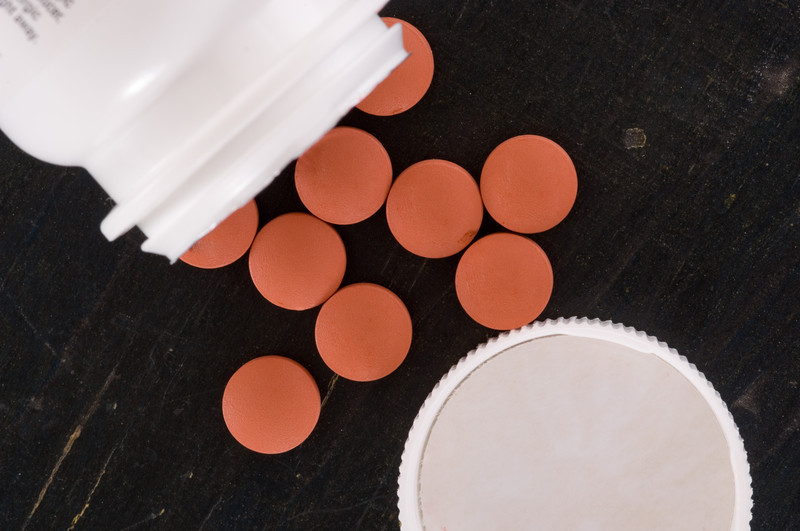
Taking over-the-counter or prescription painkillers may seem like a simple solution for chronic pain. It's actually a bit more complicated, yet many older adults aren't aware of potential problems. "They think that if it doesn't require a prescription, it's safe. But there are some long-term health risks," says Dr. Edgar Ross, director of the Pain Management Center at Harvard-affiliated Brigham and Women's Hospital.
Here's what you should know about some commonly used pain relievers.
Hip bursitis vs. arthritis: How to tell the difference
Fitness for longevity: Which type matters most?
Ministrokes linked to elevated risk of dementia
Continuous glucose monitors benefit people who don't need insulin
CoQ10: Should you take this popular supplement if you're on a statin?
Microplastics: A hidden health threat?
Oat vs. dairy milk: Nutrition, benefits, and downsides
What is tempeh? Benefits, nutrition, and how to use it
Healing after food poisoning
Whole grains may improve several heart risk factors at once
Free Healthbeat Signup
Get the latest in health news delivered to your inbox!
Sign Up
