

Hip bursitis vs. arthritis: How to tell the difference

Fitness for longevity: Which type matters most?

Ministrokes linked to elevated risk of dementia

Continuous glucose monitors benefit people who don't need insulin

CoQ10: Should you take this popular supplement if you're on a statin?

Microplastics: A hidden health threat?

Oat vs. dairy milk: Nutrition, benefits, and downsides

What is tempeh? Benefits, nutrition, and how to use it

Healing after food poisoning

Whole grains may improve several heart risk factors at once
Vitamins, minerals & supplements Archive
Articles
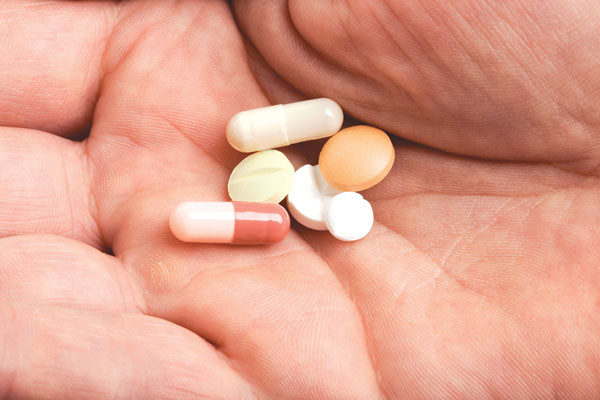
Does it matter how you lower your cholesterol?
Certain cholesterol-lowering medications—namely, ezetimibe (Zetia) and drugs known as bile acid binders—also appear to be effective at lowering cholesterol and reducing the risk of serious cardiovascular events.

Daily tea drinkers may have healthier hearts
People who drink at least one cup of tea daily may be less likely to have cardiovascular problems than those who never drink tea.

When is it okay to split medication in half?
Splitting a pill into two equal halves is sometimes necessary when needing to adjust dosage, or as a means to save money buy purchasing higher-dose pills. However, splitting is not safe for all pills, so a person should always consult a pharmacist or doctor.
Drugs to prevent heart attacks may also lessen their severity
Medications such as aspirin, statins, ACE inhibitors, and beta blockers are prescribed to certain patients to lower the chance of a first or repeat heart attack. New research shows that they also may reduce the severity of attacks that do occur.

Health advice for 2017: Simplify, simplify
You may be able to save time and money—and spare yourself frustration—by adopting a more minimal approach to preventing disease.
Image: monkeybusinessimages /Thinkstock
As the Shaker lyrics go, "'Tis the gift to be simple," and simplicity is a gift you might want to grant yourself in the new year. If so, you'll have some help from health experts. In the past few years, complicated advice for diet and exercise has given way to simpler, more sustainable guidelines, and the FDA has come down in favor of simple soap and water over antimicrobial cleaners to prevent infectious diseases.
If you've vowed to make positive changes in your lifestyle this year, you're likely to be more successful if you don't take on complex new regimens. "People can achieve remarkable changes in their lives one small step at a time," says Dr. Edward M. Phillips, assistant professor of physical medicine and rehabilitation at Harvard Medical School and medical editor of the Harvard Special Health Report Simple Changes, Big Rewards (www.health.harvard.edu/change).
New studies suggest a calcium-rich diet is safe for the heart
A review of 31 studies indicated that calcium intake of 2,500 milligrams or less per day does not increase the risk of developing heart disease in healthy adults.




Hip bursitis vs. arthritis: How to tell the difference
Fitness for longevity: Which type matters most?
Ministrokes linked to elevated risk of dementia
Continuous glucose monitors benefit people who don't need insulin
CoQ10: Should you take this popular supplement if you're on a statin?
Microplastics: A hidden health threat?
Oat vs. dairy milk: Nutrition, benefits, and downsides
What is tempeh? Benefits, nutrition, and how to use it
Healing after food poisoning
Whole grains may improve several heart risk factors at once
Free Healthbeat Signup
Get the latest in health news delivered to your inbox!
Sign Up
