

Hip bursitis vs. arthritis: How to tell the difference

Fitness for longevity: Which type matters most?

Ministrokes linked to elevated risk of dementia

Continuous glucose monitors benefit people who don't need insulin

CoQ10: Should you take this popular supplement if you're on a statin?

Microplastics: A hidden health threat?

Oat vs. dairy milk: Nutrition, benefits, and downsides

What is tempeh? Benefits, nutrition, and how to use it

Healing after food poisoning

Whole grains may improve several heart risk factors at once
Vitamins, minerals & supplements Archive
Articles

Gene discoveries may pave the way for new blood pressure drugs
The discovery of 44 gene sites associated with high blood pressure may provide leads for developing new drugs to treat this common condition.

Ask the doctor: Herbal supplements to treat erectile dysfunction?
Herbal supplements are sometimes advertised to improve a man’s sex life by increasing blood flow to the penis, but many are not proven effective for treating ED and may cause serious side effects.
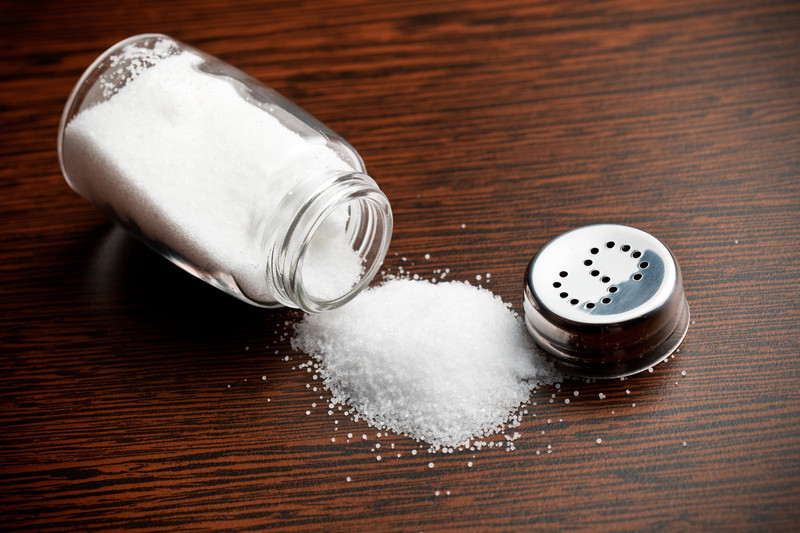
6 ways to eat less salt
DASH diet effective but not the only way to reduce sodium
Your body needs a little bit of salt every day for the sodium it contains. But too much sodium can boost blood pressure and stress the heart and blood vessels. The low-sodium Dietary Approaches to Stop Hypertension (DASH) diet is high in fruits, vegetables, and whole grains; moderately high in nuts and low-fat dairy products; and low in red and processed meats. Following it can lower blood pressure and reduce the risk of heart disease and stroke.
The DASH diet is a good way to eat healthy. But there's no need to follow that specific diet to get measurable results. If you want to tackle cutting back on sodium, try these six tips:

Which foods don't belong in a healthy diet?
Keep unhealthy foods to minimum, balanced with nutritious choices
Image: iStock
What exactly is a healthy diet? The basics are pretty simple. Everyone needs a mix of proteins, carbohydrates, and fats, plus enough vitamins and minerals for optimal health. But science is revealing that some of the food choices within these categories are better than others.
Go slow on unhealthy foods
Are there foods you never should eat? Not really. If you crave an ice cream sundae occasionally, have a small one. But don't make it a daily event. Offset the chips you ate at your neighbor's barbeque with healthier snacks at home. Healthy eating doesn't mean eliminating certain foods altogether. However, there are some things that are best eaten only rarely.
Can I substitute nuts for animal protein?
Nuts are a good source of plant fats and protein, but they are high in calories. It’s a good idea to limit nut consumption to 1 ounce per day.

The lowdown on low sodium
Here's how to keep your daily salt intake in check.
Image: Mark Poprocki/Thinkstock
Most men probably consume too much sodium, and new federal guidelines are aimed at helping them curb their habit.
The FDA advises no more than 2,300 milligrams (mg) of sodium daily—the amount in about 1 teaspoon of salt. (People with prehypertension and hypertension should limit their intake to 1,500 mg, roughly the amount in 3/4 tea-spoon of salt.)
Higher levels of omega-6 fatty acids may lower death rates in older men
A new study found that high levels of omega-6 fatty acids in the subcutaneous adipose tissue—the layer of fat just beneath the skin—correlated with lower death rates among older men. Omega-6s mostly come in the form of linoleic acid, found in plant oils (such as corn, soybean, and sunflower oils) as well as nuts and seeds. Linoleic acid is known to shrink levels of bad LDL cholesterol in the blood, which can contribute to lower incidence of heart disease.
Hip bursitis vs. arthritis: How to tell the difference
Fitness for longevity: Which type matters most?
Ministrokes linked to elevated risk of dementia
Continuous glucose monitors benefit people who don't need insulin
CoQ10: Should you take this popular supplement if you're on a statin?
Microplastics: A hidden health threat?
Oat vs. dairy milk: Nutrition, benefits, and downsides
What is tempeh? Benefits, nutrition, and how to use it
Healing after food poisoning
Whole grains may improve several heart risk factors at once
Free Healthbeat Signup
Get the latest in health news delivered to your inbox!
Sign Up
