

Hip bursitis vs. arthritis: How to tell the difference

Fitness for longevity: Which type matters most?

Ministrokes linked to elevated risk of dementia

Continuous glucose monitors benefit people who don't need insulin

CoQ10: Should you take this popular supplement if you're on a statin?

Microplastics: A hidden health threat?

Oat vs. dairy milk: Nutrition, benefits, and downsides

What is tempeh? Benefits, nutrition, and how to use it

Healing after food poisoning

Whole grains may improve several heart risk factors at once
Vitamins, minerals & supplements Archive
Articles

Are fresh juice drinks as good for you as they seem to be?
Cold-pressed juices and smoothies can add fruits and vegetables to your diet, but they can also pack in calories.
Image: Mermusta /Thinkstock
According to food industry statistics, there's a healthy trend afoot. People are shifting from sugary sodas and processed bottled juice drinks to beverages like cold-pressed juices and smoothies. Sales of juice extractors and blenders lead the small-appliance market, and juice bars continue to spring up on city streets, in shopping malls, and even in supermarkets.
There are a couple of reasons people are taking to these beverages, says Kathy McManus, director of the Department of Nutrition at Harvard-affiliated Brigham and Women's Hospital. "They think they are doing something healthy, and the beverages can be time savers. It can be faster to grab a smoothie in the morning instead of sitting down to breakfast."
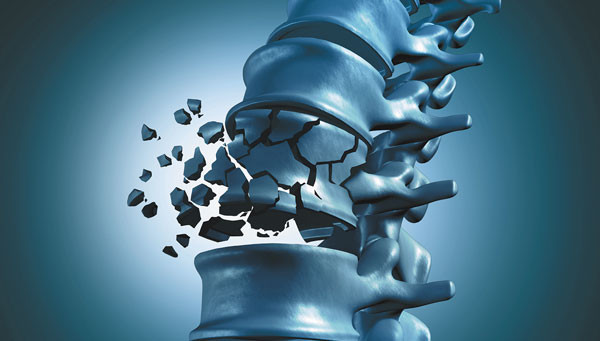
Shunning osteoporosis treatment isn’t a wise decision for most women
Forgoing drugs that slow bone loss to avoid rare side effects can be the wrong decision for your hips and spine.
Image: wildpixel/Thinkstock
A front-page article in the June 1, 2016, edition of The New York Times carried this headline: "Fearing drugs' rare side effects, millions take their chances with osteoporosis." The article described a situation all too familiar to doctors. Women are declining prescriptions of bisphosphonates—drugs that slow the rate at which the body breaks down bone—or discontinuing the medications far earlier than recommended. In fact, according to a 2015 report in the Journal of Bone and Mineral Research, the rate of bisphosphonate use fell by half between 2008 and 2012. That article documented a wave of media coverage of scientific studies that reported two rare side effects—osteonecrosis (bone death) of the jaw and atypical fractures near the top of the femur (thigh-bone)—and suggested that the reports had kindled fears that had led women to abandon bisphosphonates.
"The perception of risk is so much greater than the actual risk," says Dr. Meryl LeBoff, director of the skeletal health and osteoporosis center at Harvard-affiliated Brigham and Women's Hospital. Compared with many other common diseases, we are fortunate that we have good therapies to reduce the risk of osteoporotic fractures by 70% at the spine and 40 to 50% at the hip. She points to statistics referenced in the New York Times article: for every 100,000 women taking a bisphosphonate, fewer than three will have osteonecrosis of the jaw and one will have an atypical femur fracture, but 2,000 will have avoided an osteoporotic fracture.

Tracking bites and using a smaller plate helps control eating, study shows
Both wearing a bite counter and eating from a small plate were linked to lower calorie consumption.
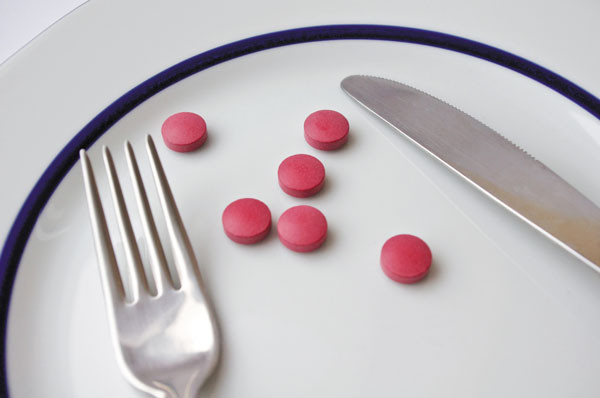
Are your medications causing nutrient deficiency?
Long-term doses of certain medications may rob you of calcium, folic acid, and crucial B vitamins.
Short-term medication use will not lead to nutrient deficiency. But long-term use may interfere with your body's ability to absorb nutrients or produce them.
Image: Gruzdaitis Andrius/Thinkstock
Medications are well known for causing side effects such as nausea or drowsiness. These are the kinds of side effects you notice and can do something about. But sometimes a lesser known side effect happens without giving you any warning: nutrient deficiency.

Coming to a shelf near you: The new Nutrition Facts labels
Most food manufacturers have until July 2018 to implement the changes.
Nutrition Facts labels on food packages made headlines when the FDA ordered a makeover for them in May of this year. But will the big to-do translate to big changes in the way you make food choices? "I'm hopeful it will," says Kathy McManus, director of the Department of Nutrition at Harvard-affiliated Brigham and Women's Hospital. "It will be great if the labels can get people to look at the numbers and think more about their health."
Grabbing your attention
Comings and goings
The labels will remove the "calories from fat" line while continuing to list types of fat, important since we now know that there are "good fats" (monounsaturated and polyunsaturated) and "bad fats" (saturated and trans fats).
And for the first time, the label will include a line about added sugars, so you'll know how many grams of sweeteners have been added to foods during processing.
Nutrient changes
Do the changes go far enough?
"They are a step in the right direction—but more could be done," McManus says. She'd like to see highlights of the nutrition information (particularly calories) listed on the front of the food product. "Some people don't take the time in the supermarket to read the back of the package. Often, they review the information when they get home and realize it is not the healthiest choice."
And what about whole foods that do not have labels, such as fresh fruits, vegetables, and fish? "It would be helpful to have nutrition facts in the produce and fish sections of the supermarket, informing consumers of the nutrition information, and hopefully promoting these whole foods," says McManus.
For now, she recommends that you take advantage of label information to keep track of how many servings you're eating; look at the number of calories per serving and fit that into your daily calorie goal; choose foods that are higher in fiber; limit or avoid foods with added sugars (the American Heart Association recommends no more than 24 grams of added sugar per day for women and 36 grams for men); and remember that the Daily Value percentages are based on a 2,000-calorie-a-day diet. Modify the percentage if you usually take in fewer or more calories than that.

Eat more whole grains to stay healthy, suggests Harvard study
Boosting intake of whole grains, such as wheat or oats, may reduce the risk of an early death.
A warning about heartburn medications that contain aspirin
The FDA is warning that over-the-counter antacids with aspirin in them can cause stomach bleeding in rare cases.
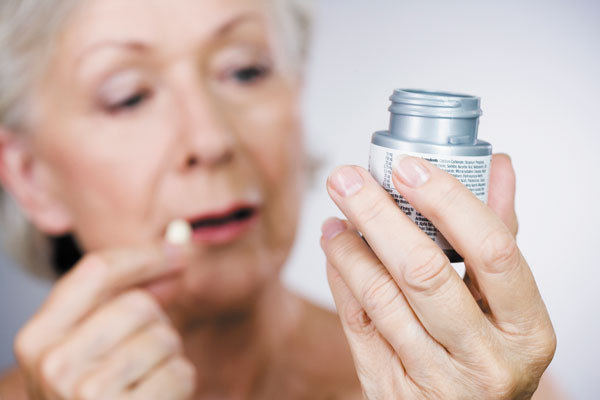
Daily aspirin for disease prevention: When do the benefits outweigh the risks?
A daily aspirin may help defend against heart disease, but it should still be used with caution.
Image: FlairImages/Thinkstock
Aspirin tablets have been a staple of home medicine cabinets and first-aid kits for nearly 100 years. Long before that, people chewed willow tree bark, which contains aspirin-like compounds, to treat a variety of ailments. On top of being an excellent painkiller and fever reducer at its standard dosage, aspirin dramatically reduces the risks for a second heart attack and certain types of stroke when taken daily at a low (81-mg) dose. Research also suggests that aspirin might help limit the growth of colorectal cancer and possibly inhibit other cancers as well, but more research in this area is needed.
These benefits, coupled with the fact that aspirin is both cheap and relatively safe, have led the U.S. Preventive Services Task Force (USPSTF) to recommend that even some healthy people take a daily aspirin to ward off future disease. But figuring out exactly who is likely to benefit most from this therapy is a more complex calculation, says Dr. Michael Gaziano, a professor of medicine at Harvard Medical School and cardiologist at Brigham and Women's Hospital.

Don’t fear the reaper: Eat more whole grains
People who eat at least four servings of whole-grain foods per day appear to have a 23% lower risk of dying of cardiovascular disease compared with people who eat little or no whole grains.
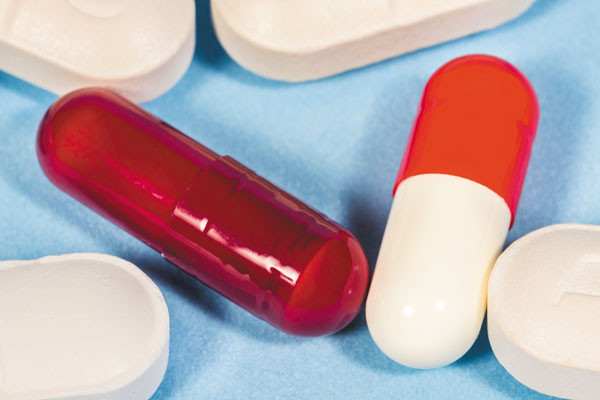
The cost of generic and name-brand drugs
More prescription medications now come in generic versions. But do you ever choose savings over quality?
Image: AlonsoAguilar /Thinkstock
Medication can be an unpredictable and costly expense. Whether it is short-term treatment or multiple drugs you take indefinitely, prescriptions can have a serious impact on your wallet.
Nowadays there are many generic versions of brand-name drugs that are often significantly less expensive. There are generic drugs to treat most common ailments, such as pain, high cholesterol, high blood pressure, diabetes, asthma, and depression.
Hip bursitis vs. arthritis: How to tell the difference
Fitness for longevity: Which type matters most?
Ministrokes linked to elevated risk of dementia
Continuous glucose monitors benefit people who don't need insulin
CoQ10: Should you take this popular supplement if you're on a statin?
Microplastics: A hidden health threat?
Oat vs. dairy milk: Nutrition, benefits, and downsides
What is tempeh? Benefits, nutrition, and how to use it
Healing after food poisoning
Whole grains may improve several heart risk factors at once
Free Healthbeat Signup
Get the latest in health news delivered to your inbox!
Sign Up
