

Hip bursitis vs. arthritis: How to tell the difference

Fitness for longevity: Which type matters most?

Ministrokes linked to elevated risk of dementia

Continuous glucose monitors benefit people who don't need insulin

CoQ10: Should you take this popular supplement if you're on a statin?

Microplastics: A hidden health threat?

Oat vs. dairy milk: Nutrition, benefits, and downsides

What is tempeh? Benefits, nutrition, and how to use it

Healing after food poisoning

Whole grains may improve several heart risk factors at once
Vitamins, minerals & supplements Archive
Articles

Hormones and your heart
Age-related drops in sex hormone levels sometimes cause undesirable symptoms. But is hormone therapy safe for the heart?
Image: monkeybusinessimages/Thinkstock
A decline in sex hormones is a natural part of growing older. Still, it's only natural to want to feel robust, mentally sharp, and healthy as we age. So it's no surprise that hormone therapy—which has been touted by drug companies as a way to restore youthful vigor, first for women and more recently for men—has generated so much interest.
But hormone therapy has a long, controversial history, particularly with regard to how it may affect the risk for common, chronic health problems. The following is a summary of what we know—and don't know—about the cardiovascular effects of hormone therapy for women and men.
Prescription drug and supplement use on the rise among seniors
New findings suggest that one in six older adults is at risk for drug interactions. Should you be concerned?
Image: iStock
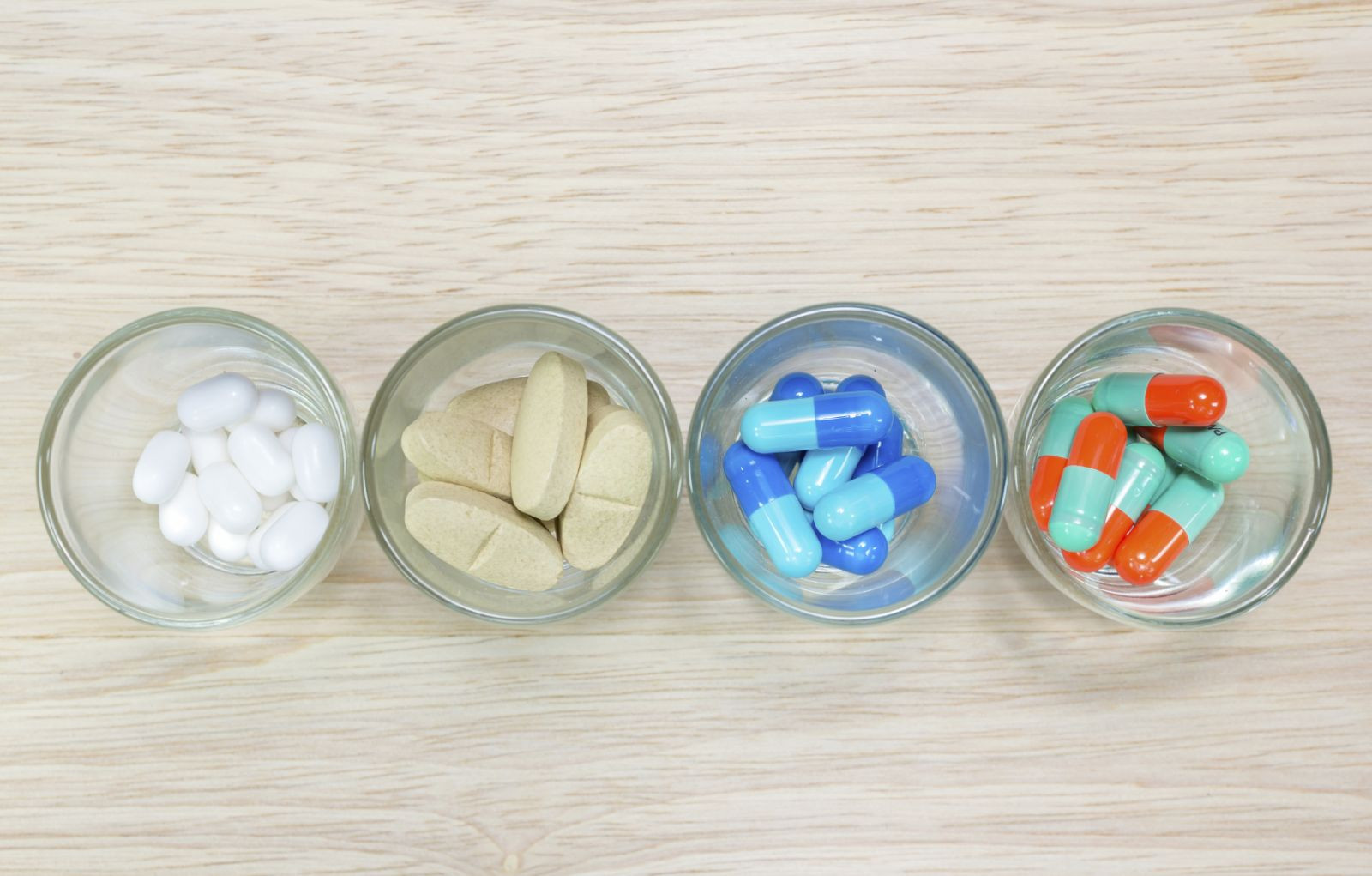
Earlier this year, a study that examined the pill-taking habits of older Americans suggested that seniors are taking more prescription drugs and dietary supplements than in years past. Not surprisingly, most of these pills are used to treat or prevent cardiovascular disease, the nation's leading killer.
The report found that more than a third of adults ages 62 to 85 take five or more prescription medications, over-the-counter (OTC) drugs, or dietary supplements (see box for a description of the study). The study found that about one in six older adults is taking a combination that could cause a major interaction.

Risk of serious falls linked to changes in blood pressure drugs
When older people start taking a new blood pressure drug or change the dose of their current drug, they may be more prone to a serious fall during the following two weeks. But this increased fall risk doesn’t seem to persist over the long term.
More evidence that a healthy lifestyle might help prevent cancer
It appears that four healthy habits—getting 150 minutes of moderate-intensity exercise per week, maintaining a body mass index between 18.5 and 27.5, no smoking, and drinking only in moderation—may prevent many cancer cases and death in white people.

Will the food industry ease up on salt?
On June 1, 2016, the FDA proposed voluntary guidelines for short- and long-term goals to cut sodium in commercially processed and prepared food.
Strategies for taking medications
Doctors may prescribe medications in hopes of helping a patient, but statistics show that at least half of all patients do not follow through with the treatment. Dr. Robert Schmerling explains why some people are choosing to skip taking medications and the possible results of not taking them.
Try the hot trend in whole grains
Ancient grains have become the darlings of the culinary world, and they're healthy, too.
Image: marejuliasz/Thinkstock
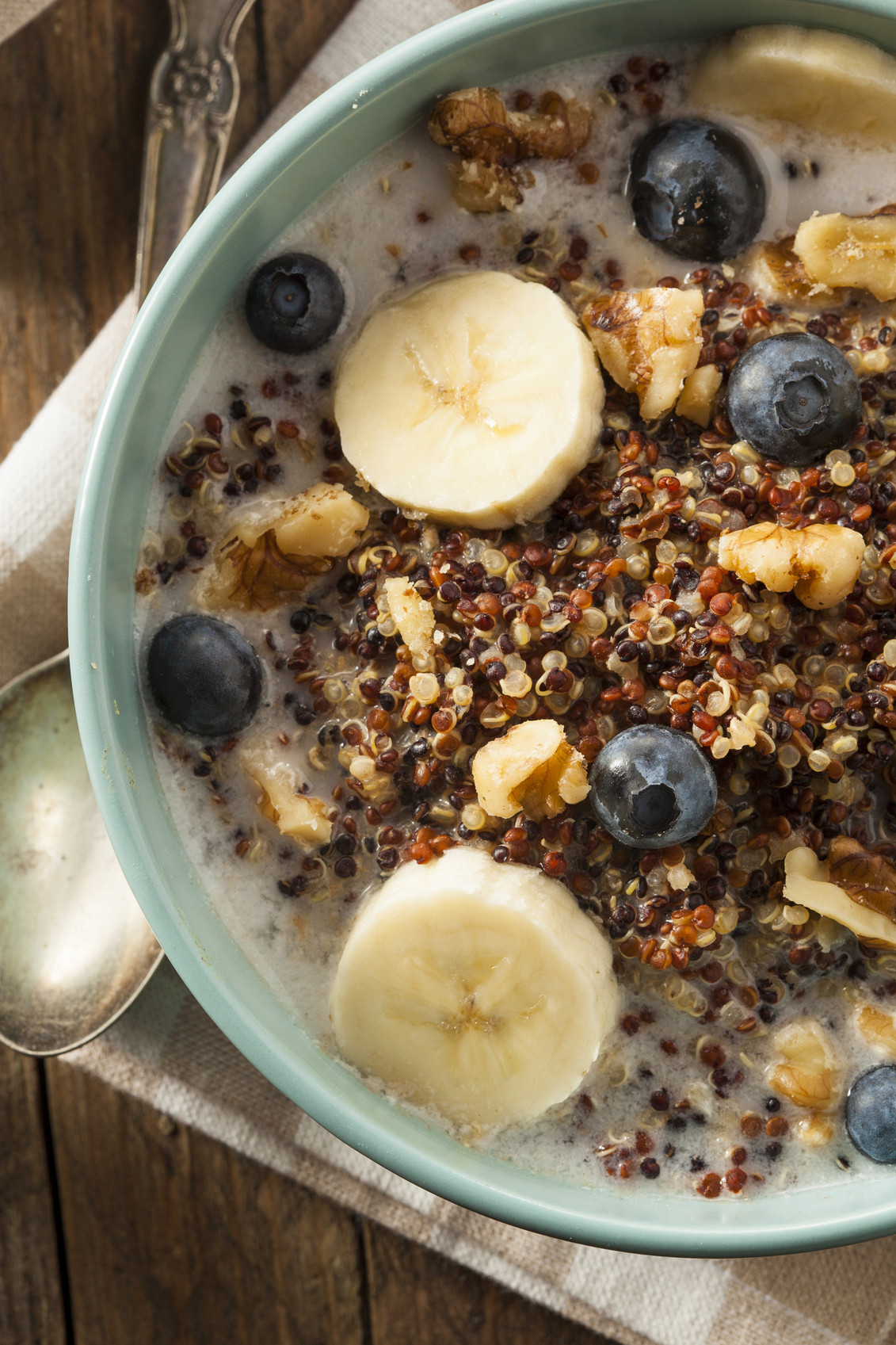
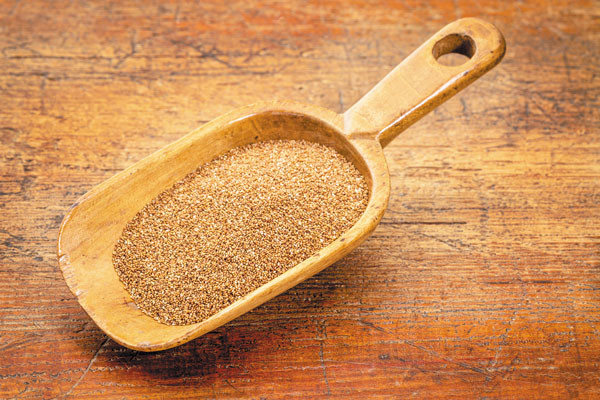
In recent years, whole wheat has gotten all the glory when it comes to adding grains to your diet. But today's superstars are the staples used long before wheat took center stage. They're called ancient grains.
"Modern wheat, rice, and corn have been processed through hybridization or genetic modification. Ancient grains have not; they've been grown the same way for centuries," says Debbie Krivitsky, a registered dietitian at Harvard-affiliated Massachusetts General Hospital.

Botox injections get another nod for treating migraine headaches
In its 2016 guidelines, the American Academy of Neurology recommended the use of onabotulinumtoxin A (Botox) injections as a way to help reduce the frequency of chronic migraines.
How much weight loss is cause for concern?
It is normal to lose some weight as a person ages. In fact, an estimated 10% to 20% of men older than age 65 lose 5% or more of their body weight over the rest of their lifetime. However, losing 5% of total weight in one year or 10% over two years warrants some medical testing.
Hip bursitis vs. arthritis: How to tell the difference
Fitness for longevity: Which type matters most?
Ministrokes linked to elevated risk of dementia
Continuous glucose monitors benefit people who don't need insulin
CoQ10: Should you take this popular supplement if you're on a statin?
Microplastics: A hidden health threat?
Oat vs. dairy milk: Nutrition, benefits, and downsides
What is tempeh? Benefits, nutrition, and how to use it
Healing after food poisoning
Whole grains may improve several heart risk factors at once
Free Healthbeat Signup
Get the latest in health news delivered to your inbox!
Sign Up
