

Hip bursitis vs. arthritis: How to tell the difference

Fitness for longevity: Which type matters most?

Ministrokes linked to elevated risk of dementia

Continuous glucose monitors benefit people who don't need insulin

CoQ10: Should you take this popular supplement if you're on a statin?

Microplastics: A hidden health threat?

Oat vs. dairy milk: Nutrition, benefits, and downsides

What is tempeh? Benefits, nutrition, and how to use it

Healing after food poisoning

Whole grains may improve several heart risk factors at once
Vitamins, minerals & supplements Archive
Articles
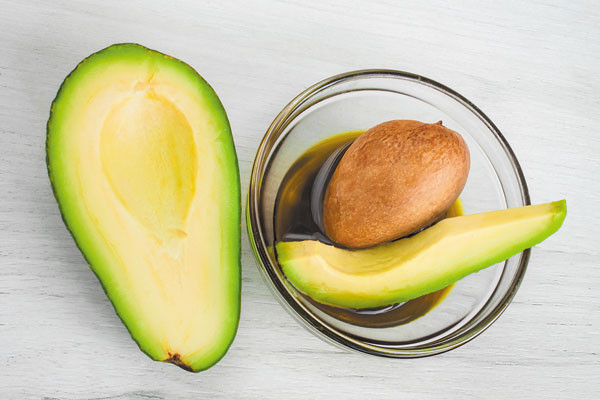
Harvard researchers link “good” fats with longer life
It appears that eating more saturated and trans fats is associated with earlier death, while eating more polyunsaturated and monounsaturated fats is associated with longer life.

The Nutrition Facts label finally gets a makeover
Updates that may benefit heart health include details on added sugars and more accurate serving sizes.
Image: Noel Hendrickson/ Thinkstock
The information on the Nutrition Facts label—that small box of nutrition-related data on the back of all food packages—has stayed pretty much the same since its introduction back in 1993. But earlier this year, the FDA approved a number of revisions to the panel. The changes reflect the evolving scientific evidence on the connections between diet and chronic illness—particularly obesity and heart disease.
The updated labels won't be mandatory for nearly two years, but the agency provided a preview (see "The new label: What's different?"). These changes may benefit consumers not only by helping them choose more nutritious foods, but also by driving the food industry to make products healthier, says Dr. Eric Rimm, professor of epidemiology and nutrition at the Harvard T.H. Chan School of Public Health. Many of the changes are relevant for people concerned about heart disease—especially the new data on added sugars.

The power of plant-based protein: A longer life?
People who eat more plant-based proteins from beans, nuts, and grains may have a lower risk of dying from heart disease or any cause, compared with people who eat more animal-based proteins such as meat or eggs.
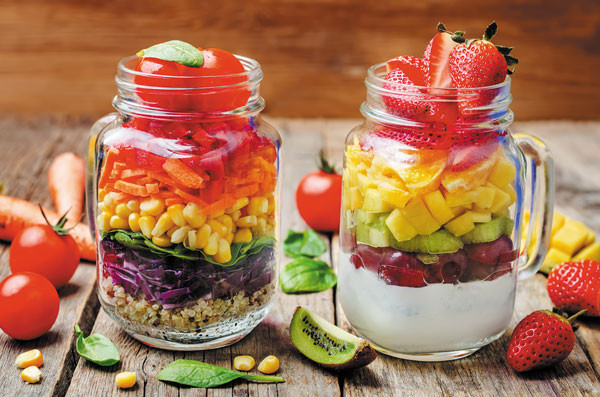
Cancer and diet: What’s the connection?
Your dietary habits can promote cancer or protect against it.
Image: Udra/ Thinkstock
The link between cancer and diet is just as mysterious as the disease itself. Much research has pointed toward certain foods and nutrients that may help prevent—or, conversely, contribute to—certain types of cancer.
While there are many factors you can't change that increase your cancer risk, such as genetics and environment, there are others you can control. In fact, estimates suggest that less than 30% of a person's lifetime risk of getting cancer results from uncontrollable factors. The rest you have the power to change, including your diet.

Whole grains associated with lower death rates
Eating 70 grams (four servings) of whole grains daily may lower your risk of death from cardiovascular disease and cancer, according to a study in Circulation. One serving of 100% whole-grain food contains about 16 grams. Examples include one slice of 100% whole-grain bread or a half cup of oatmeal or cooked whole-grain pasta.

Many older adults take unneeded blood pressure drugs
About 66% of adults over age 70 still take antihypertensive medication even though they now have low pressures, says a study from the University of Kent in the United Kingdom. Researchers say this exposes adults to medication side effects like dizziness and falls.
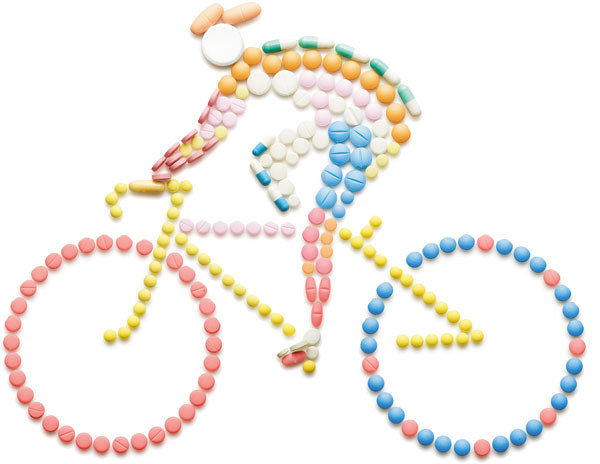
Is an “exercise pill” coming your way?
Researchers are developing pills that provide many of the effects of exercise. But none provides all the benefits of physical activity.
Image: Dmitry Fischer/ Thinkstock
Health experts are fond of saying, "If exercise were a pill, everyone would want to take it." And scientists seem to agree. Over the past several years there has been an accelerated push to develop drugs that mimic the effects of exercise. The promise is enormous—such medications could be a boon to people whose physical activity is limited by medical conditions or injuries. They could provide a head start for people who are beginning an exercise program. They could also confer the health benefits of exercise on healthy people who can't fit physical activity into their schedules or just don't want to get off the couch.
"While the idea of an exercise pill is a good one, it has many, many limitations," says Dr. Laurie Goodyear, head of the Section on Integrative Physiology and Metabolism at Harvard-affiliated Joslin Diabetes Center. Just as a vitamin capsule won't provide all the benefits of a healthy diet, a single pill is unlikely to provide all the benefits of exercise.

Is a heartburn drug hurting your health?
Long-term risks are associated with proton-pump inhibitors, but there are other options for treating acid reflux.
Image: Eranicle/ Thinkstock
Proton-pump inhibitors (PPIs), which reduce the amount of acid produced in the stomach, are so effective at treating heartburn and ulcers that they've been among the world's top-selling drugs for 25 years. Initially available only by prescription, PPIs, which include omeprazole (Prilosec), lansoprazole (Prevacid), and esomeprazole (Nexium), have been sold over the counter for several years. However, now that millions of people are taking PPIs, the drugs have been linked to an increasing number of health risks, such as fractures, kidney problems, vitamin B12 deficiency, low magnesium, and—most recently—dementia and heart attack.
"These studies—especially those suggesting a relationship to dementia and heart attack—are concerning," says Dr. Jacqueline Wolf, a gastroenterologist and associate professor of medicine at Harvard Medical School and author of A Woman's Guide to a Healthy Stomach: Taking Control of Your Digestive Health.

Substituting plant for animal protein may extend life for people with health risks
An analysis of two observational studies involving 130,000 participants suggests that substituting plant protein for some animal protein may reduce the risk of early death by one-third in people with unhealthy lifestyles.
Can I take an expired medication?
Most drugs remain potent after their expiration dates. You may want to move it to the refrigerator, though, because drugs stored in cool temperatures usually remain potent longer.
Hip bursitis vs. arthritis: How to tell the difference
Fitness for longevity: Which type matters most?
Ministrokes linked to elevated risk of dementia
Continuous glucose monitors benefit people who don't need insulin
CoQ10: Should you take this popular supplement if you're on a statin?
Microplastics: A hidden health threat?
Oat vs. dairy milk: Nutrition, benefits, and downsides
What is tempeh? Benefits, nutrition, and how to use it
Healing after food poisoning
Whole grains may improve several heart risk factors at once
Free Healthbeat Signup
Get the latest in health news delivered to your inbox!
Sign Up
