

Hip bursitis vs. arthritis: How to tell the difference

Fitness for longevity: Which type matters most?

Ministrokes linked to elevated risk of dementia

Continuous glucose monitors benefit people who don't need insulin

CoQ10: Should you take this popular supplement if you're on a statin?

Microplastics: A hidden health threat?

Oat vs. dairy milk: Nutrition, benefits, and downsides

What is tempeh? Benefits, nutrition, and how to use it

Healing after food poisoning

Whole grains may improve several heart risk factors at once
Vitamins, minerals & supplements Archive
Articles
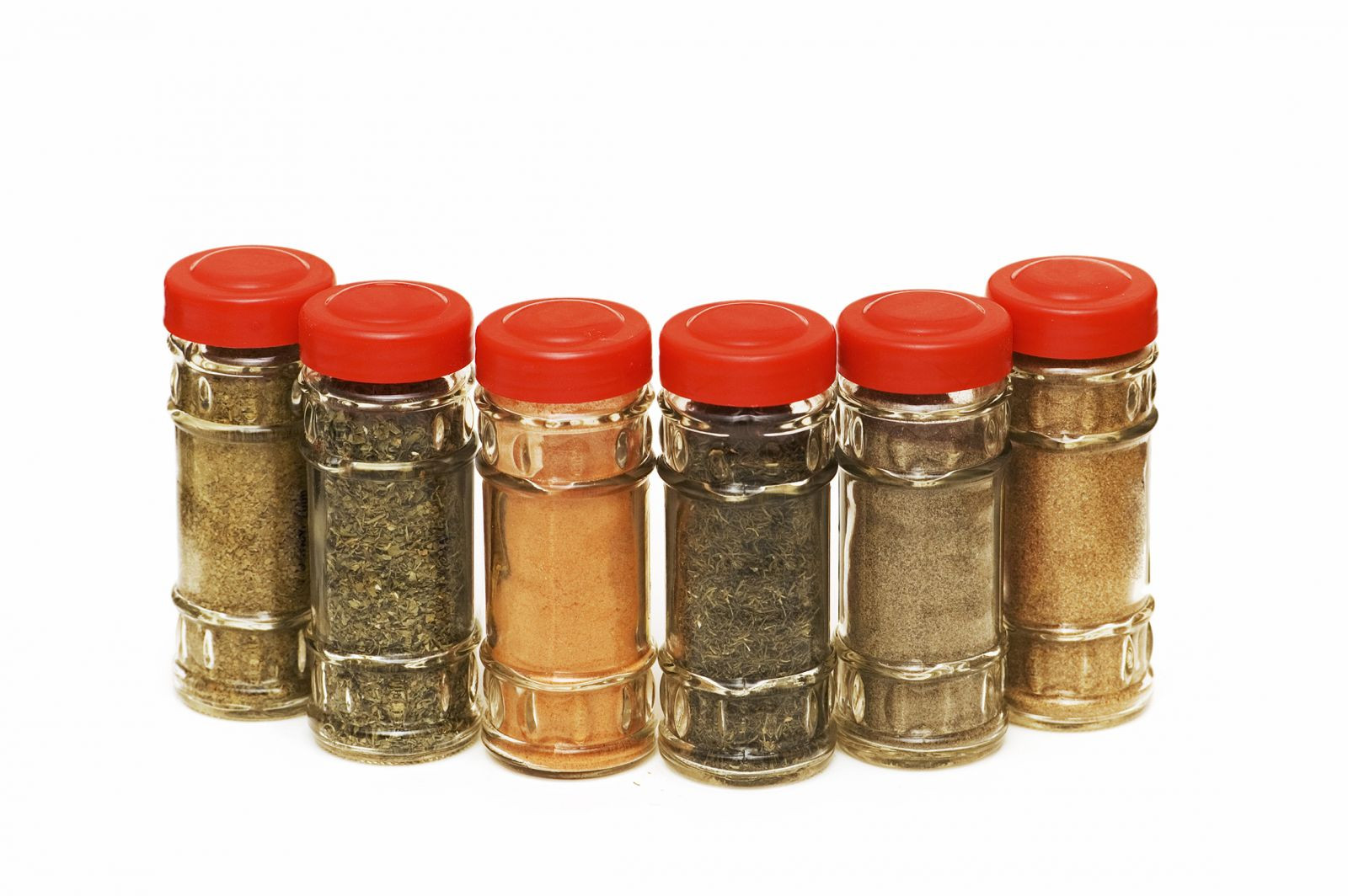
Can everyday spices make you healthier?
Turmeric, coriander, and cumin may boost your health and breathe new life into tired dishes.
The health benefits of foods such as berries, broccoli, and salmon are well known. But your kitchen's spice rack may also hold some secret weapons against conditions such as inflammation, heart disease, cancer, and more. "Spices are underused, but it would be very easy to take advantage of them and improve health," says Dr. Lipi Roy, an internal medicine physician at Harvard-affiliated Massachusetts General Hospital.
There are few large randomized trials that demonstrate spices' health effects. But many studies in animals suggest that several spices offer benefits. So instead of flavoring your food with salt and butter, which can contribute to high blood pressure and heart disease, consider using the following spices.

Prescription pain pills: Worth the risks?
Thorough risk assessment and family assistance may help you take them more safely.
Prescription pain pills such as oxycodone (Oxycontin) and hydrocodone (Vicodin) are in a class of drugs known as opioids. They're typically used to treat severe pain after surgery, and sometimes to treat chronic pain. But these drugs come with many risks, including addiction. Does that put you at risk if you take opioids? "You have to look at it on a case-by-case basis," says Dr. Hilary Connery, an addiction psychiatrist at Harvard-affiliated McLean Hospital.
Risks and benefits
Opioids are powerful painkillers that block messages of pain to the brain and decrease the body's perception of discomfort. They may also create a feeling of euphoria. Opioids are especially useful in the short term, such as the initial weeks following joint replacement. Common side effects include nausea, itching, drowsiness, or constipation.

Antidote for blood thinner's side effect
There's encouraging news for people who take dabigatran (Pradaxa), a newer type of blood thinner that's had a rare side effect of uncontrolled bleeding during surgery or accidents. In October 2015, the FDA approved an antidote called idarucizumab (Praxbind), which may be able to reverse dabigatran's blood-thinning effects.
Dabigatran was approved by the FDA in 2010 and welcomed as a convenient alternative to warfarin (Coumadin) for people with certain types of atrial fibrillation, deep-vein thrombosis, or pulmonary embolism. While warfarin is generally safe and inexpensive, it takes about a week for it to become effective, and dosing is so complicated that people taking warfarin need frequent blood tests to see if the dose needs to be adjusted. Dabigatran is effective within two hours and doesn't require dose adjustment or lab monitoring. But dabigatran has caused more episodes of major bleeding than had been expected, without a way to reverse the problem.

Ask the doctors: How much fruit can I eat and stay within the sugar guidelines?
Ask the doctors
Q: I just read that we shouldn't be getting more than 10% of our calories from sugar. Should I cut back on fruit?
A: While it's a good idea to limit sugars from processed foods, you can worry less about eating too much fruit. In fact, one small study found no ill effects in people who ate 20 servings of fruit a day for 12 to 24 weeks.

2 points to ponder if you're considering compounded hormones
There is no evidence that so-called "bioidentical" alternatives to prescription hormones are either safe or effective.
Over the past couple of years, science has validated what many women already know: hot flashes and other symptoms of menopause can persist long after menstrual periods stop. It's also well established that estrogen—alone or combined with a progestin—is the most reliable treatment for menopausal symptoms and that, for most postmenopausal women, it is safe to take these hormones for up to five years at doses that relieve hot flashes.
But in 2002 the Women's Health Initiative reported that Prempro—an FDA-approved preparation combining synthetic estrogens with a progestin—increased the risk of cardiovascular disease and breast cancer. Since then, women have shied away from pharmaceutical companies' hormones. A third of women who use hormones for relief of menopausal symptoms are now choosing custom-mixed preparations from compounding pharmacies, according to research sponsored by the North American Menopause Society (NAMS). Women surveyed by NAMS commonly said they believed "natural" or "bioidentical" hormones from compounding pharmacies to be safer than the available FDA-approved hormones.

Hold off before taking antibiotics for respiratory infections, study suggests
A Spanish clinical trial of 400 people—two-thirds of whom were women—has indicated that waiting to fill an antibiotic prescription may be a good idea for people with sniffles, coughs, sore throats, and other respiratory symptoms.
Researchers recruited volunteers who sought care for respiratory symptoms in primary care clinics throughout Spain. The volunteers were randomly assigned to four equal groups. One was given antibiotics and told to take them immediately. Another was sent home without antibiotics but told to return to the clinic if they hadn't improved after several days. The two remaining groups were told to wait to take antibiotics—one was asked to return to the clinic to get their mediation after three days; the other group was given an antibiotic, but told to take the medication only if their symptoms hadn't improved after five to 10 days.

Rethink your food and drink: Choices that may affect diabetes risk
If someone you know has been diagnosed with type 2 diabetes, you might be wondering about how you can lower your own risk. Fortunately, multiple studies have shown that many of the same healthy eating choices that can help your friend or loved one control their diabetes can also help you prevent it. The exact relationship between eating specific types of foods and the risk of developing diabetes remains somewhat controversial. But the study findings are consistent with what experts consider to be healthy eating habits for most adults.
So, if you're interested in lowering your risk of type 2 diabetes, it can't hurt to try getting more of the foods and nutrients that can lower your risk — and to avoid those that can raise it.

8 steps to mindful eating
This ancient practice can transform the way you think about food and set the stage for a lifetime of healthy eating.
Like most of us, you've probably eaten something in the past few hours. And, like many of us, you may not be able to recall everything you ate, let alone the sensation of eating it. According to a 2011 report from the U.S. Department of Agriculture, the average American spends two-and-a-half hours a day eating, but more than half the time, we're doing something else, too. Because we're working, driving, reading, watching television, or fiddling with an electronic device, we're not fully aware of what we're eating. And this mindless eating—a lack of awareness of the food we're consuming—may be contributing to the national obesity epidemic and other health issues, says Dr. Lilian Cheung, a nutritionist and lecturer at Harvard T.H. Chan School of Public Health.
Walnuts can lower cholesterol
Research we're watching
Walnuts are loaded with folate, vitamin E, and lots of good fats. Although they are also high in calories, they don't seem to contribute to weight gain. Researchers at Yale University Prevention Research Center wanted to determine if eating walnuts daily could help people at risk for diabetes control their cholesterol and blood sugar.
The researchers randomly assigned 112 people ages 25 to 75—70% of whom were women—to two groups. People in both groups were given 2 ounces of walnuts to eat daily. They were told to eat whatever else they wanted but to keep a record of what they ate. One group was also told to eat 366 fewer calories from other food to compensate for the calories added by the walnuts. Both groups ate the walnuts for six months, and their customary diet without walnuts for another six months.

Prescription drug use continues to increase, survey shows
Research we're watching
A nationwide survey conducted by researchers at Harvard T.H. Chan School of Public Health indicates that prescription drug use rose from 51% of U.S. adults in the 1999–2000 calendar year to 59% in 2011–2012. In 2012, women were taking more prescription medications than men, with 65% taking at least one drug and 16% taking more than five.
Although the use of postmenopausal hormones declined, women's prescriptions for blood pressure medication, cholesterol-lowering drugs, antidepressants, and diabetes medications rose significantly. The study was published in the Nov. 3, 2015, issue of The Journal of the American Medical Association.
Hip bursitis vs. arthritis: How to tell the difference
Fitness for longevity: Which type matters most?
Ministrokes linked to elevated risk of dementia
Continuous glucose monitors benefit people who don't need insulin
CoQ10: Should you take this popular supplement if you're on a statin?
Microplastics: A hidden health threat?
Oat vs. dairy milk: Nutrition, benefits, and downsides
What is tempeh? Benefits, nutrition, and how to use it
Healing after food poisoning
Whole grains may improve several heart risk factors at once
Free Healthbeat Signup
Get the latest in health news delivered to your inbox!
Sign Up
