

Hip bursitis vs. arthritis: How to tell the difference

Fitness for longevity: Which type matters most?

Ministrokes linked to elevated risk of dementia

Continuous glucose monitors benefit people who don't need insulin

CoQ10: Should you take this popular supplement if you're on a statin?

Microplastics: A hidden health threat?

Oat vs. dairy milk: Nutrition, benefits, and downsides

What is tempeh? Benefits, nutrition, and how to use it

Healing after food poisoning

Whole grains may improve several heart risk factors at once
Vitamins, minerals & supplements Archive
Articles

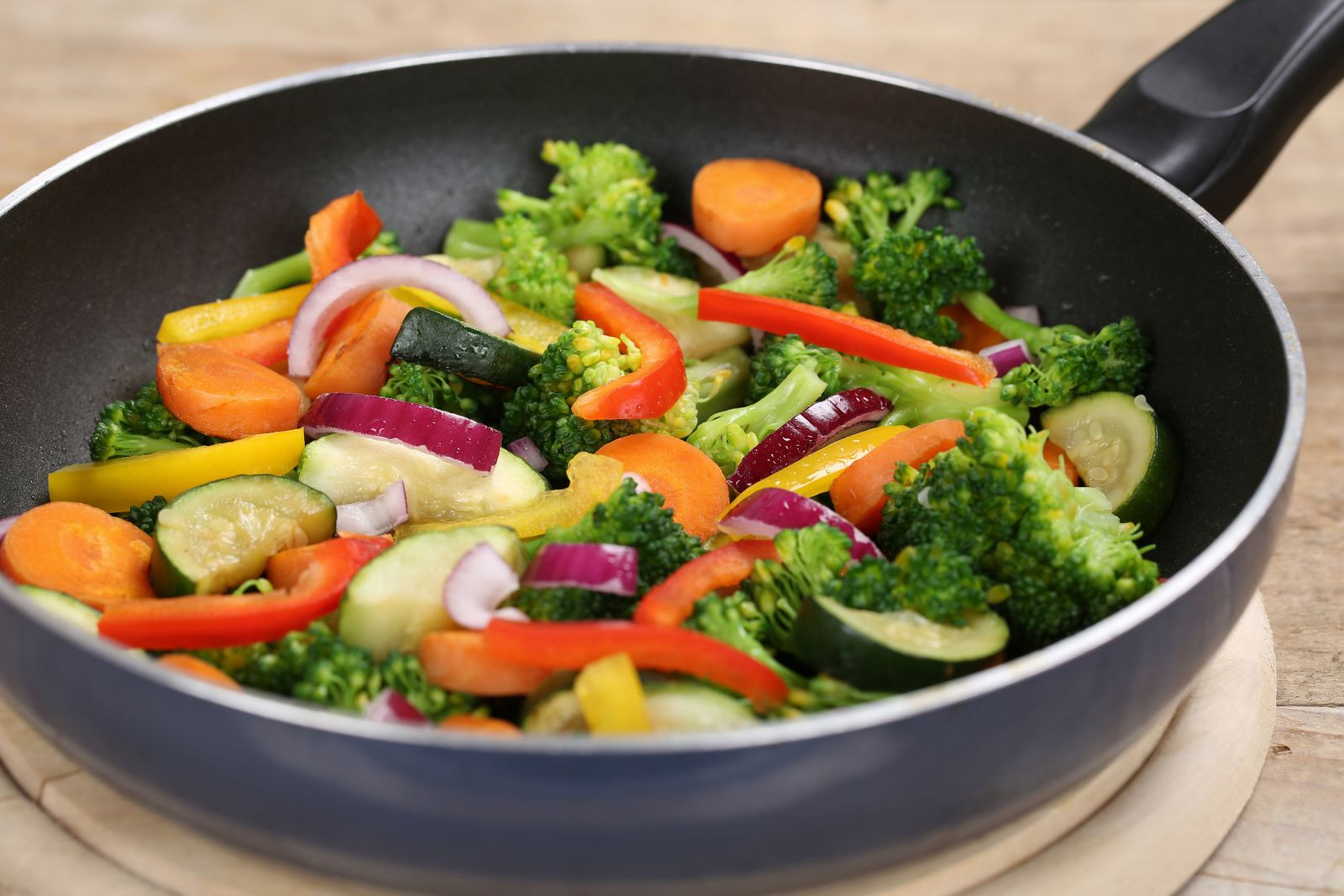
5 easy ways to add fruits and vegetables to dinner
Fruits and vegetables contain vitamins, minerals, and other nutrients that are essential for good health. That's one reason why a plant-based diet that includes lots of fruits and vegetables can lower your risk of developing life-threatening diseases such as heart disease, diabetes, and some cancers. And when you pile on the produce, there's less room for the unhealthy foods, too.
Dinner is typically the largest (and latest) meal of the day, and it's a good opportunity to make sure that you meet your daily quota for fruits and vegetables. Here are five easy ways to work more produce into dinner.

7 tips for eating healthy when you can't count calories
Image: Bigstock
Counting calories is one of the most reliable ways to maintain or lose weight. But it's not always easy to do when you're out and about or pressed for time — and there are plenty of situations (such as a dinner party at a friend's house) that just don't lend themselves well to a "strictly numbers" approach.
Here are some guidelines to follow when straight calorie counting is impractical.


How much meat can you eat
Image: Thinkstock
Ask the doctor
Q Everything I read in Harvard Men's Health Watch about nutrition says to minimize the amount of red meat in my diet. Would it be best if I just gave it up completely? Or is there a safe amount to eat?
A Numerous studies have observed that consuming red meat is associated with diseases such as heart disease or colon cancer. In fact, the World Health Organization recently classified processed and red meats as cancer-causing substances. In most studies, it does appear that the lower your consumption of red meat, the better your health.

Low back pain attacks: One pill may be enough
Image: Thinkstock
In the Journals
Adding muscle relaxers or narcotic pain relievers to the nonsteroidal anti-inflammatory drug (NSAID) naproxen (Aleve) did not improve pain or function for people who went to emergency rooms seeking help for severe low back pain, according to a study in The Journal of the American Medical Association.
The study followed a group of 320 people who visited the same emergency room in the Bronx, N.Y. None had symptoms that would suggest disk-related back pain, like shooting pain down the back of the legs (sciatica). They were all advised to take naproxen for 10 days and were chosen at random to add one of three additional pills: the muscle relaxer cyclobenzaprine (Flexeril); ox-ycodone (Percocet), a narcotic pain reliever; or a placebo.

BPH drugs linked to small risk of falls
In the Journals
Alpha blockers, a type of medication that many men take for urinary difficulties caused by an overgrown prostate, are associated with a dangerous but very small risk of falling, according to a recent study in BMJ. This should reassure men who have heard that the drugs could cause dizziness from a sudden drop in blood pressure.
The Canadian study identified more than 147,000 men in Ontario prescribed one of three drugs: alfuzosin (Uroxatral), silodosin (Rapaflo), and tamsulosin (Flomax). Most of the men (84%) took Flomax, although all three drugs work the same way.
Do you need a drug for osteoporosis?
Image: Bigstock
Several medications can maintain or increase bone density. You can choose one based on your health and preferences.
Most of what we read about hip fracture isn't good. It is a major cause of disability, nursing home admissions, and death in older women. But there is a promising trend: hip fractures in the United States have been on the decline since 1996. Although better nutrition, increased physical activity, and education on fall prevention may have played a role, the drop in fractures has also coincided with the widespread availability of bisphosphonates—a class of drugs first approved in 1995 to increase bone density.

Is this eating style good for brain health?
Image: Thinkstock
Ask the doctor
Q. My doctor says the Mediterranean diet is not only good for my health in general, but that it is particularly good for my brain. That got my attention. Anything to it?
A. I think there is. The Mediterranean diet is rich in whole-grain bread, root vegetables, green vegetables, fish, poultry, fruit, and olive oil. It includes relatively little red meat, butter, and other foods rich in saturated fats and trans fats. As is often the case with research into a medical question, not all studies come to the same conclusion. But many studies have found that people who regularly adhere to the Mediterranean diet are less likely to develop Alzheimer's disease. And many studies also find that people with diets rich in saturated fats (including from red meat and processed meat) and trans fats are more likely to develop dementia of some type, along with other brain disease, particularly strokes.

Healthier meals on the go
Yes, you can find convenient fast-cook meals, but you'll have to do your homework.
Image: Thinkstock
Ever notice how nutrition takes a back seat when you're hungry? Packaged and prepared foods somehow don't seem unhealthy when you need a meal in a hurry. But is there such a thing as a nutritious convenience food? "Yes, there are some healthy options out there, but you really have to look for them," says registered dietitian Kathy McManus, director of the Department of Nutrition at Harvard-affiliated Brigham and Women's Hospital.
Typical convenience foods
Packaged, prepared foods come in several forms: boxed, dry goods such as quick-cook pasta and rice mixes; canned foods, such as soup or ravioli; or frozen foods, such as a single frozen dinner or a "family-sized" lasagna.
Hip bursitis vs. arthritis: How to tell the difference
Fitness for longevity: Which type matters most?
Ministrokes linked to elevated risk of dementia
Continuous glucose monitors benefit people who don't need insulin
CoQ10: Should you take this popular supplement if you're on a statin?
Microplastics: A hidden health threat?
Oat vs. dairy milk: Nutrition, benefits, and downsides
What is tempeh? Benefits, nutrition, and how to use it
Healing after food poisoning
Whole grains may improve several heart risk factors at once
Free Healthbeat Signup
Get the latest in health news delivered to your inbox!
Sign Up
