

Hip bursitis vs. arthritis: How to tell the difference

Fitness for longevity: Which type matters most?

Ministrokes linked to elevated risk of dementia

Continuous glucose monitors benefit people who don't need insulin

CoQ10: Should you take this popular supplement if you're on a statin?

Microplastics: A hidden health threat?

Oat vs. dairy milk: Nutrition, benefits, and downsides

What is tempeh? Benefits, nutrition, and how to use it

Healing after food poisoning

Whole grains may improve several heart risk factors at once
Vitamins, minerals & supplements Archive
Articles
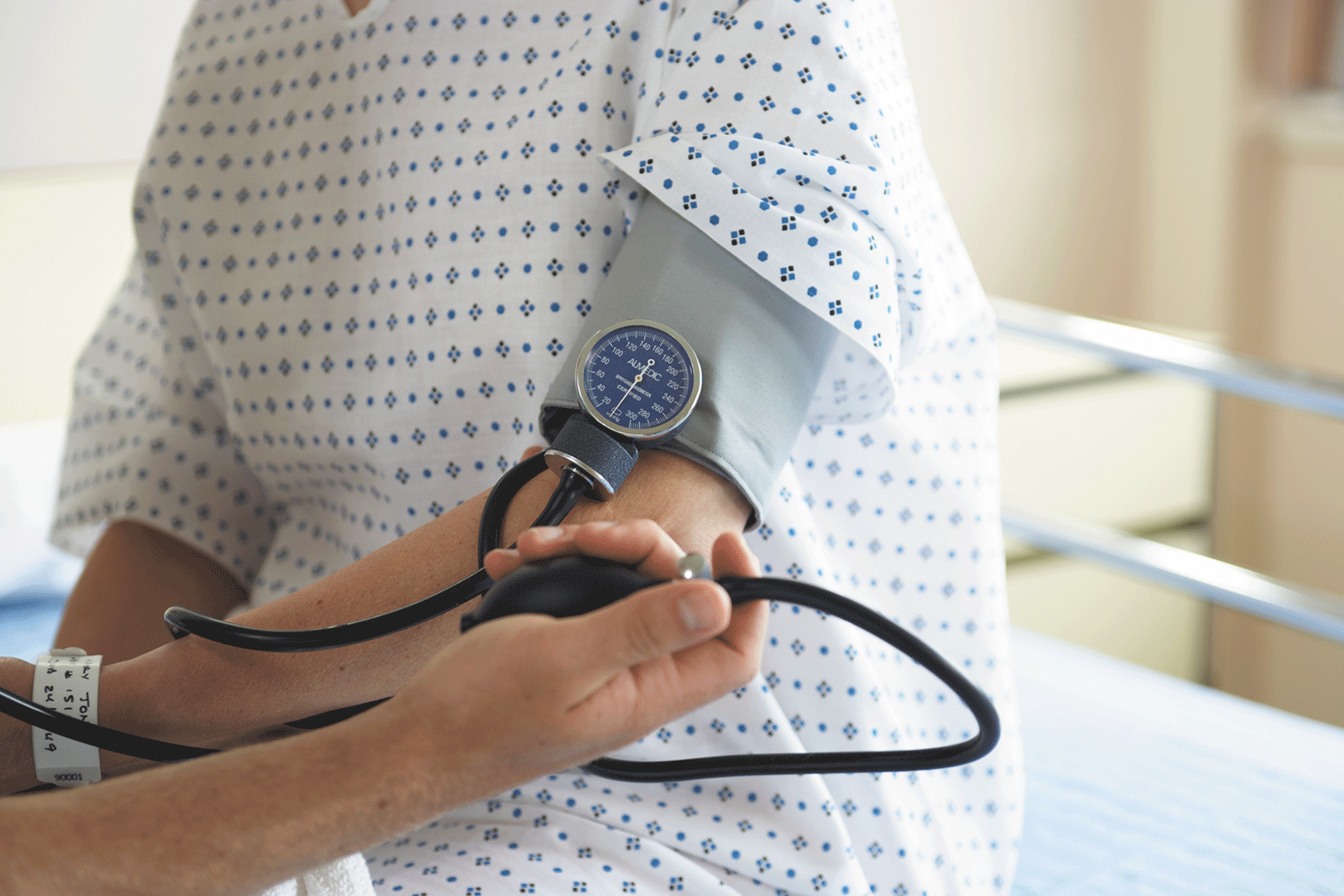
Should you rethink high blood pressure treatment?
Image: Thinkstock
News briefs
Initial results of a large national clinical trial suggest that being more aggressive in treating high blood pressure may save lives. Results of the Systolic Blood Pressure Intervention Trial (SPRINT) aren't yet published, so we don't know all of the details. But from information released by the National Institutes of Health (NIH) in September, it appears that aiming for a systolic (top) blood pressure reading of less than 120 mm Hg may reduce the risk of heart attacks, strokes, and heart failure by almost a third, and reduce the overall death rate by 25%. Researchers came to this conclusion after following more than 9,000 middle-aged and older adults with high blood pressure for several years. Half of the participants took an average of two medications and set a target systolic blood pressure of less than 140 mm Hg, the current recommended number. The other half took an average of three medications and aimed for a systolic blood pressure of less than 120 mm Hg. The results in the lower-target group were so impressive that NIH stopped the study early to share the news. Does this mean you should add more pills to your blood pressure treatment? "Not necessarily, because there may be more drug side effects. But if you're aiming for a lower number, I think it will be critical to rely on lifestyle modification, such as stress reduction, diet, salt restriction, and exercise, in addition to medication to lower blood pressure," says Dr. Randall Zusman, a cardiologist and Harvard Medical School associate professor.
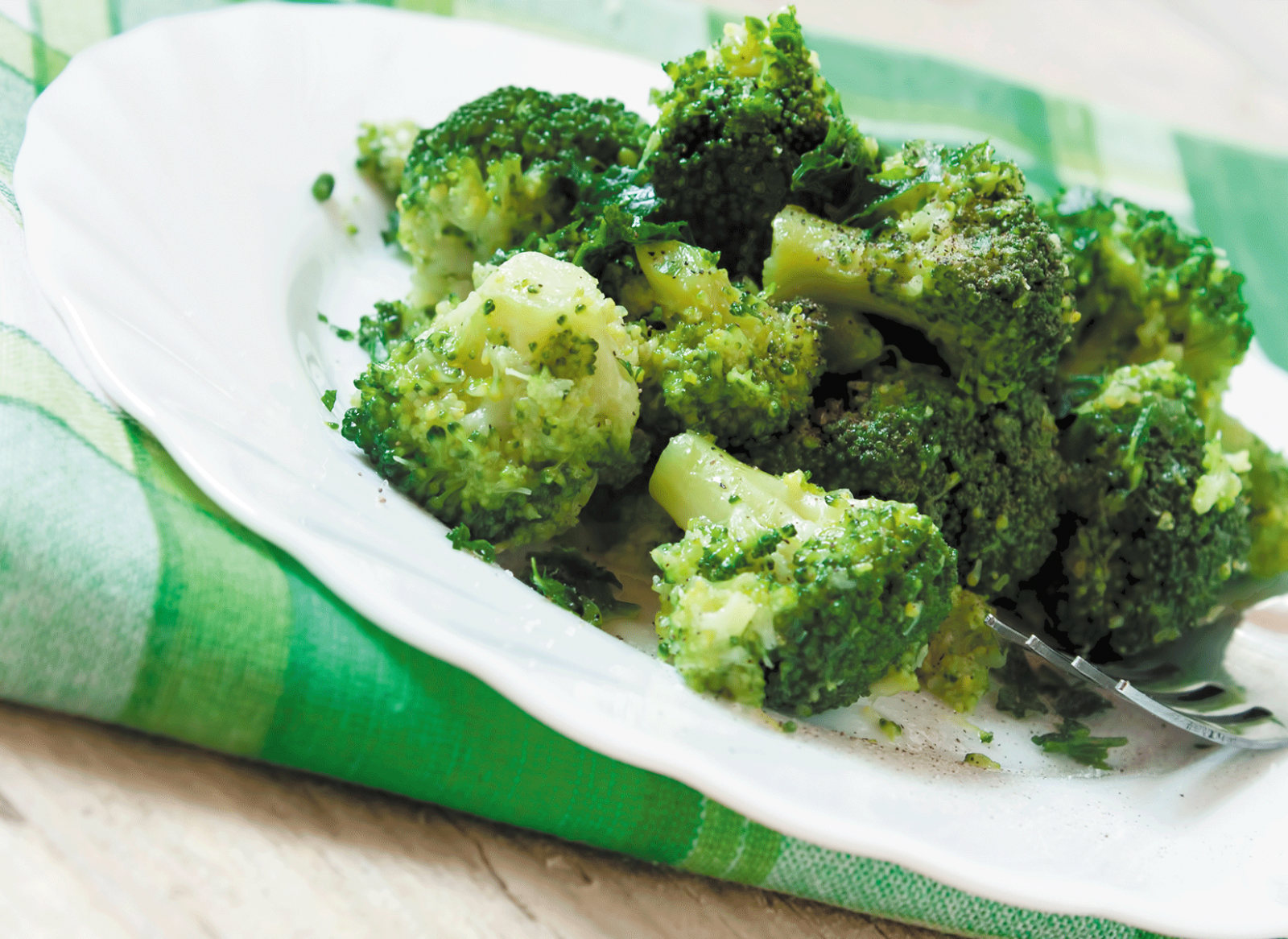
Not all vegetables aid weight control, Harvard researchers find
Image: Thinkstock
News briefs
Adding more fruits and vegetables to your diet is a good idea for many reasons, and weight control is one of them. But some vegetables are associated with weight gain, according to a Harvard study published Sept. 22, 2015, in PLOS Medicine. Researchers analyzed weight and diet changes in about 118,000 people over 24 years, at roughly four-year intervals. On average, people who increased their intake of fruits (especially berries, apples, and pears) and most vegetables, especially high-fiber, low-glycemic-load vegetables such as broccoli and Brussels sprouts, lost a little weight. In contrast, people who ate more starchy vegetables—peas and corn, for example—tended to pack on more pounds over time. This didn't prove that certain vegetables caused weight gain. "But we suspect the association may have something to do with the fact that starchy vegetables have a high glycemic load, meaning they spike blood sugar more than other foods," says Dr. Monica Bertoia, a Harvard Medical School instructor and lead author of the study.
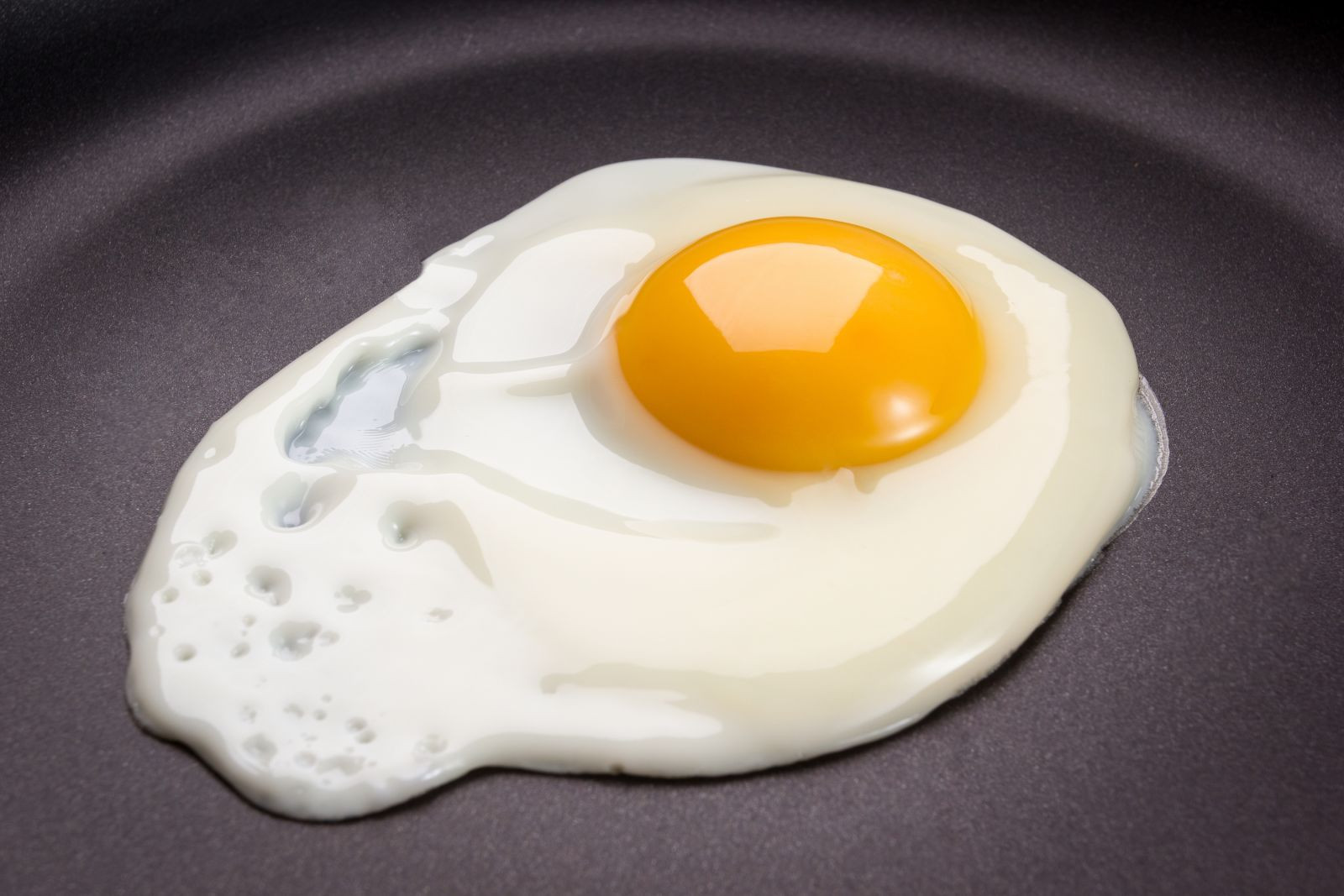
Cholesterol: What's diet got to do with it?
Image: iStock
Cholesterol in the foods you eat generally has little effect on levels in your bloodstream. But your overall diet does.
Cholesterol has a bad reputation, thanks to its well-known role in promoting heart disease. Excess cholesterol in the bloodstream is a key contributor to artery-clogging plaque, which can accumulate and set the stage for a heart attack. But if you're like many people, you might not understand cholesterol's other key functions—or the connection between the cholesterol you eat and that in your bloodstream.

Which fruits and vegetables are best for weight loss?
Image: Thinkstock
Research we're watching
Eating more fruits and vegetables can help you control your weight, but the type of produce you choose may make a difference, a new study finds.
Researchers tracked nearly 118,000 people in their 30s and 40s, collecting information about their eating habits every four years for 24 years. They found that over a four-year period, people who ate an extra daily serving of fruit shed about a half pound of weight, while those who ate an extra daily serving of vegetables lost a quarter-pound, on average.

Heartburn medications and the heart
| Image: ThinkStock |
Ask the doctor
Q. I've read news reports that the heartburn drug I take may cause heart attacks. Should I worry about this?
A. Several studies have reported an association between proton-pump inhibitors (PPIs) and heart attacks. PPIs are medications for heartburn, such as omeprazole (Prilosec) and pantoprazole (Protonix). Overall, however, the evidence suggests these medications are not risky for your heart.
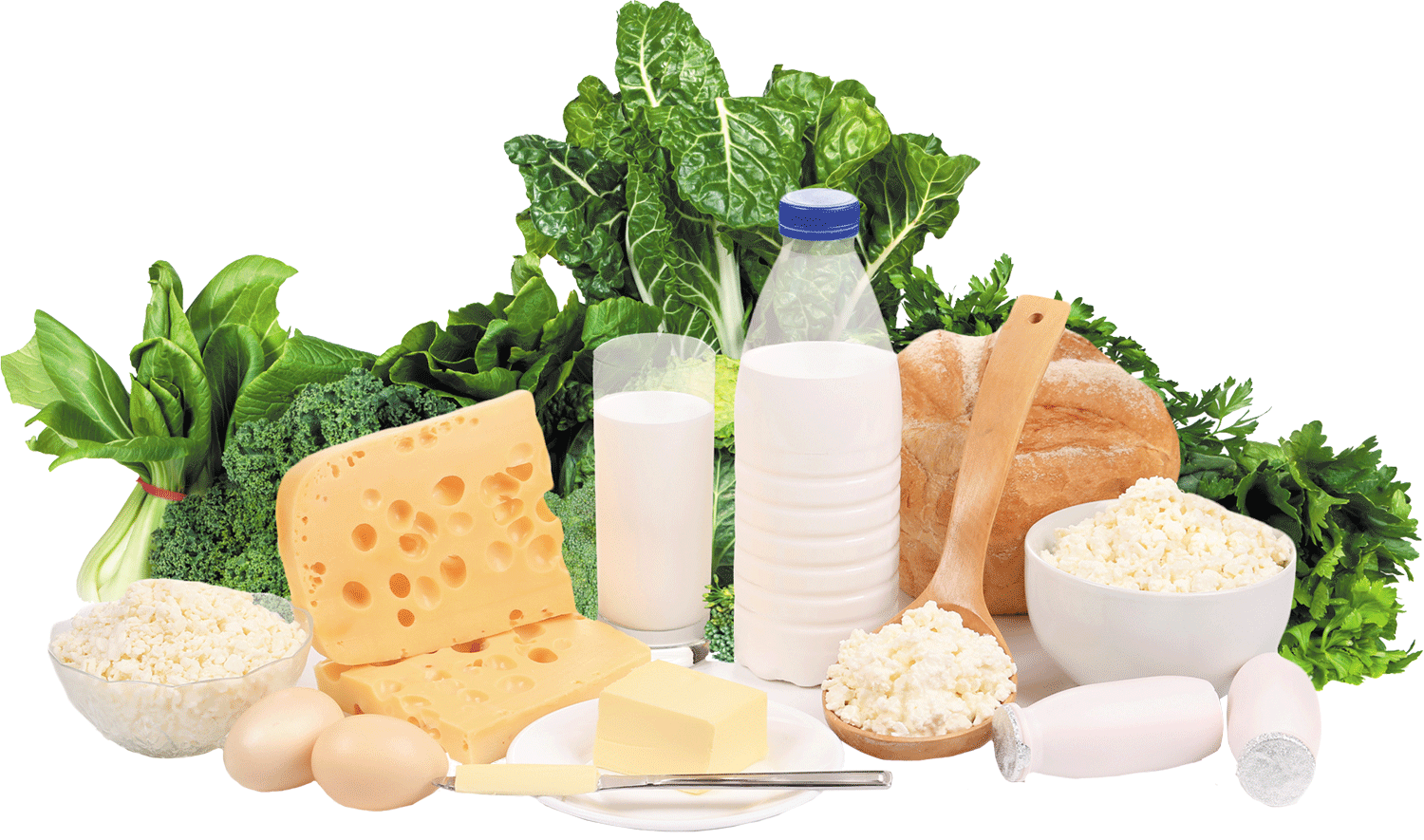
Calcium supplements for bone health: Do you really need them?
Image: Thinkstock
Calcium is required for good health, and you can obtain most of what you need from common foods.
Calcium builds strong bones—right? In general that's true, because calcium forms the bricks and mortar of bones. That's why you need to take in sufficient calcium from your diet to replace worn-out bone as you age. Being deficient in calcium can weaken bones, leaving them more prone to breaking. Vitamin D is the helpmate to calcium, allowing the body to absorb more of the mineral during digestion.

New recommendation narrows heart benefit from low-dose aspirin
Image: Bigstock
In the journals
The influential U.S. Preventive Services Task Force (USPSTF) has endorsed low-dose daily aspirin to prevent cardiovascular disease in people ages 50 to 59 who have a 10% or greater chance of heart attack or stroke in the next 10 years. Unless a person already has cardiovascular disease, the actual number of heart attacks and strokes prevented with daily aspirin is relatively small. This draft recommendation did not recommend aspirin for those younger than 50 or 60 or older, citing insufficient evidence to make a recommendation.
The USPSTF statement is at odds with a statement in 2014 by the FDA that evidence does not support general use of aspirin to prevent a first heart attack or stroke in otherwise healthy adults. However, daily aspirin is often recommended for those with a history of cardiovascular disease, since the potential benefit (preventing heart attacks and strokes) outweighs the risk of bleeding that comes with regular aspirin use.
DASH diet linked to better dental health
Image: Bigstock
In the journals
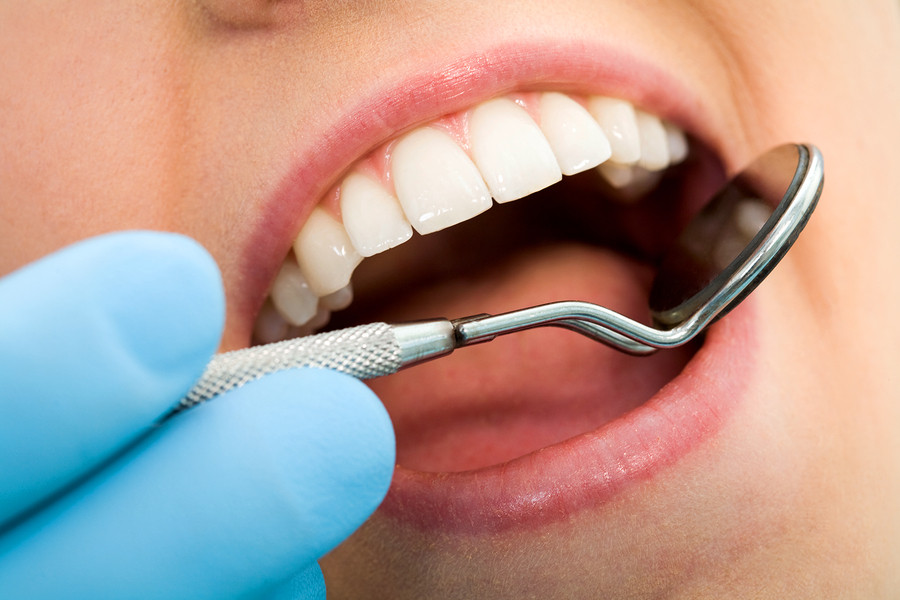
Eating a heart-healthy diet is associated with better dental health, according to a study in the Journal of the American Geriatrics Society. The Dietary Approaches to Stop Hypertension (DASH) diet was originally developed to lower blood pressure, but research has uncovered a variety of other possible health benefits.
In the new study, researchers with the Veterans Affairs Dental Longitudinal Study followed 533 men ages 47 to 90. The men had dental exams every three years over a 20-year period. A trained examiner checked the men for signs of root cavities, which can occur if the gums recede and expose the root surface. Root cavities lead to tooth loss, an outcome that most men understandably want to avoid.

Will Prozac help my premenstrual depression?
Ask the doctor
Q. I've had some severe bouts of depression before my periods. I have done my own research and I am willing to try an antidepressant. What dosage of Sarafem or Prozac is usually given to treat this?
A. Selective serotonin reuptake inhibitors (SSRIs) are an excellent option for treating premenstrual syndrome (PMS) and premenstrual dysphoric disorder (PMDD). In fact, most physicians now consider them first-line therapy. Many different SSRIs have been studied, including the one you asked about—fluoxetine (Prozac or Sarafem)—and they all appear to be equally effective.
High olive oil consumption linked to lower breast cancer risk
Image: Bigstock
Research we're watching
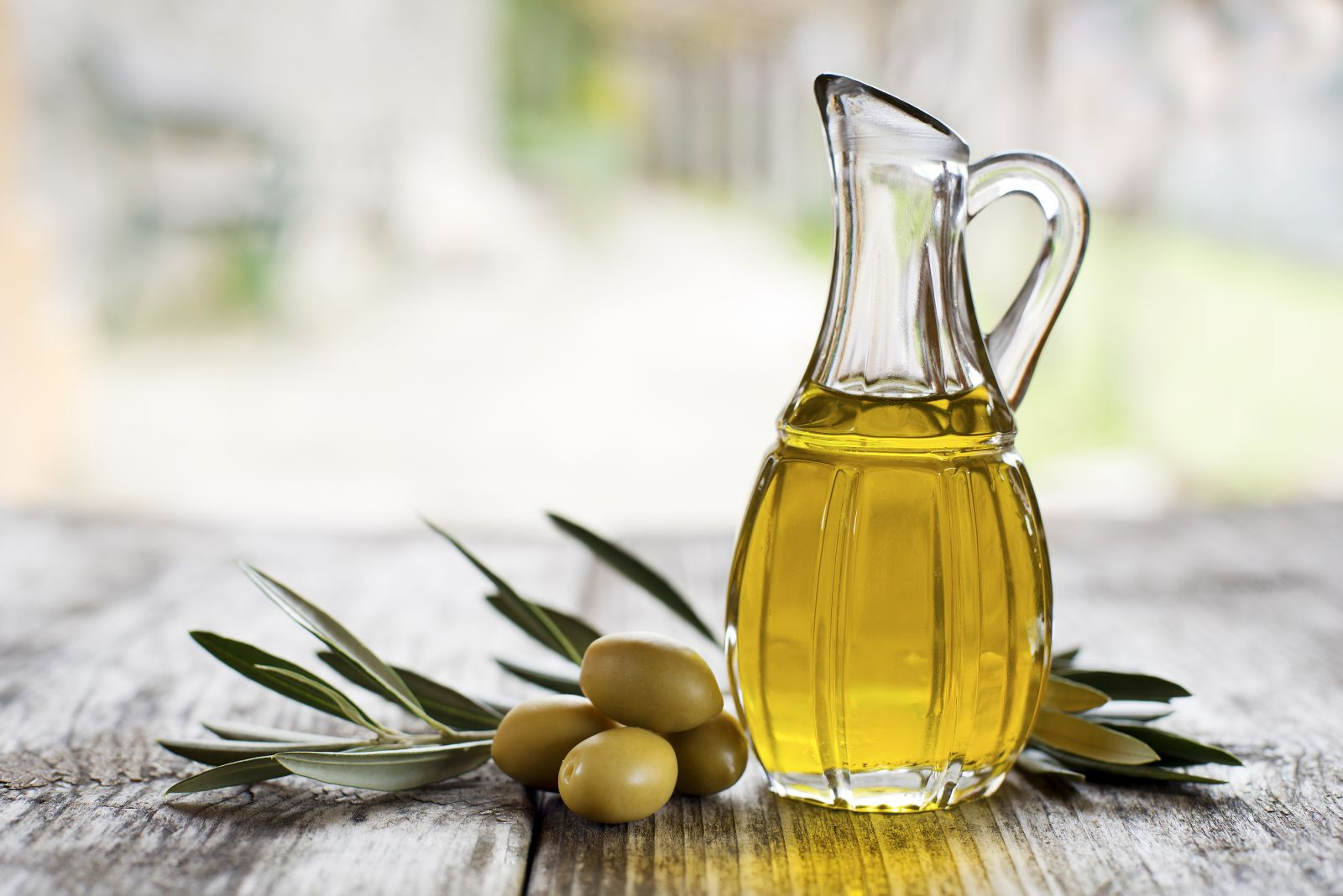
A preliminary study published Sept. 14, 2015, in JAMA Internal Medicine reported that older women in Spain who ate a traditional Mediterranean diet enhanced with extra-virgin olive oil were less likely to be diagnosed with breast cancer. The study was part of a large Spanish clinical trial, Prevención con Dieta Mediterránea (PREDIMED).
PREDIMED looked at three different groups of women. One followed the Mediterranean diet plus extra servings of olive oil. A second followed the diet plus extra servings of nuts. Those in the third group were ad-vised to reduce their fat intake. The study followed about 4,300 women ages 60 to 80 for five years.
Hip bursitis vs. arthritis: How to tell the difference
Fitness for longevity: Which type matters most?
Ministrokes linked to elevated risk of dementia
Continuous glucose monitors benefit people who don't need insulin
CoQ10: Should you take this popular supplement if you're on a statin?
Microplastics: A hidden health threat?
Oat vs. dairy milk: Nutrition, benefits, and downsides
What is tempeh? Benefits, nutrition, and how to use it
Healing after food poisoning
Whole grains may improve several heart risk factors at once
Free Healthbeat Signup
Get the latest in health news delivered to your inbox!
Sign Up
