

Hip bursitis vs. arthritis: How to tell the difference

Fitness for longevity: Which type matters most?

Ministrokes linked to elevated risk of dementia

Continuous glucose monitors benefit people who don't need insulin

CoQ10: Should you take this popular supplement if you're on a statin?

Microplastics: A hidden health threat?

Oat vs. dairy milk: Nutrition, benefits, and downsides

What is tempeh? Benefits, nutrition, and how to use it

Healing after food poisoning

Whole grains may improve several heart risk factors at once
Vitamins, minerals & supplements Archive
Articles

What you should know about antiviral drugs
Flu season still has a few months left, and it is not too late to get a flu shot if you have not done so already.
Image: Thinkstock
They may help reduce symptoms of the flu, but they're not for everyone.

Sweetened drinks and heart failure
Image: Bigstock
News briefs
Here's another reason to take sweetened drinks out of your diet: a study published online Nov. 2, 2015, by the journal Heart suggests that drinking sweetened beverages each day is linked to an increased risk for heart failure in men. Heart failure is a gradual decline in the heart's ability to pump enough blood to meet the body's needs. Researchers tracked the dietary information of 42,000 middle-aged or older men in Sweden from 1998 to 2010. They made no distinction between types of drinks or how they were sweetened, whether it was with sugar, fructose, or artificial sweetener. However, coffee, tea, and fruit juice were not included in the study. After excluding potentially influential factors, researchers noted that men who drank at least two daily servings of sweetened drinks had a 23% heightened risk of developing heart failure compared with men who didn't drink sweetened beverages. The study didn't prove that sweetened drinks caused heart failure. In fact, the researchers pointed out that drinking a lot of sweetened beverages is usually an indication of a poor diet, which is a risk factor for heart failure in itself. But they also noted that sweetened drinks are associated with obesity and type 2 diabetes, which are risk factors for heart failure, too. Best advice: avoid sweetened beverages or at least limit them to occasional consumption.

Once-a-day blood pressure medication
Ask the doctor
Q. I take my blood pressure medication twice a day. Or at least I am supposed to, but I sometimes forget the second dose because my evenings tend to be really busy. What can I do?
A. One idea is to leave a sticky note on your bathroom mirror or near your bed as a reminder. Or try using an alarm (either a traditional alarm clock or one on a smartphone) that rings close to the time when you normally go to bed. You might also consider taking the second dose with dinner, assuming your doctor or pharmacist says it is okay to take your particular medicine with food.

The Nordic diet: A northern twist to the Mediterranean diet
Image: iStock
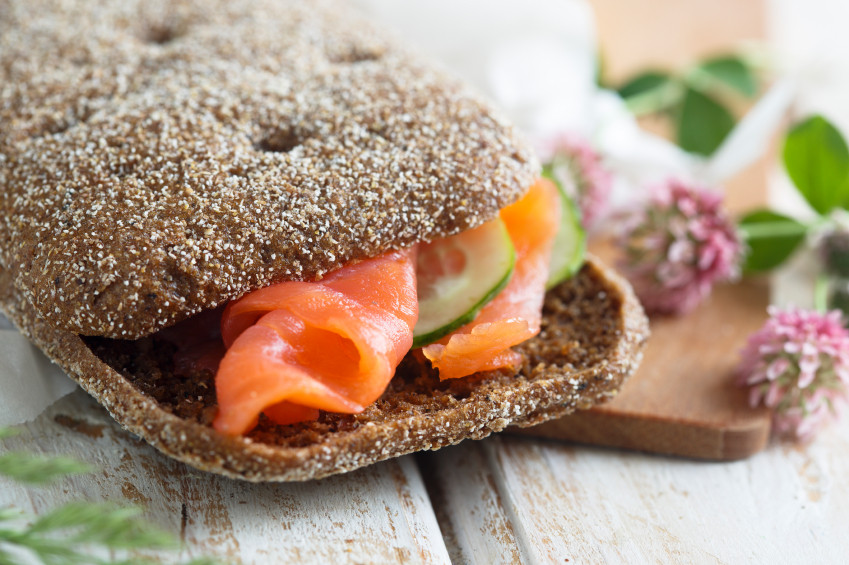
With a focus on whole grains, berries, and fish, Northern European cuisine has some heart-friendly features.
If you've never heard of the Nordic diet, you might imagine a plate of those Swedish meatballs sold at Ikea. In fact, this eating style focuses on healthier fare, including an abundance of the plant-based foods nutritionists always encourage us to eat. And while the data are limited so far, some studies suggest that following a Nordic eating pattern may foster weight loss and lower blood pressure—both of which are good for the heart.

The changing landscape of heart disease and diabetes care
Image: Thinkstock
New guidelines and a novel diabetes drug point to new treatment approaches.
When it comes to the cardiovascular dangers from diabetes, the statistics are pretty disheartening: about two-thirds of people with type 2 diabetes ultimately die from heart disease or a stroke. But there's progress afoot. Recently updated guidelines and a novel diabetes drug with proven heart benefits offer promise for making a dent in that dire statistic. And in a nod to the importance of early detection, the U.S. Preventive Services Task Force recently recommended that adults ages 40 to 70 who are overweight be screened for diabetes (see "Diabetes screening tests").
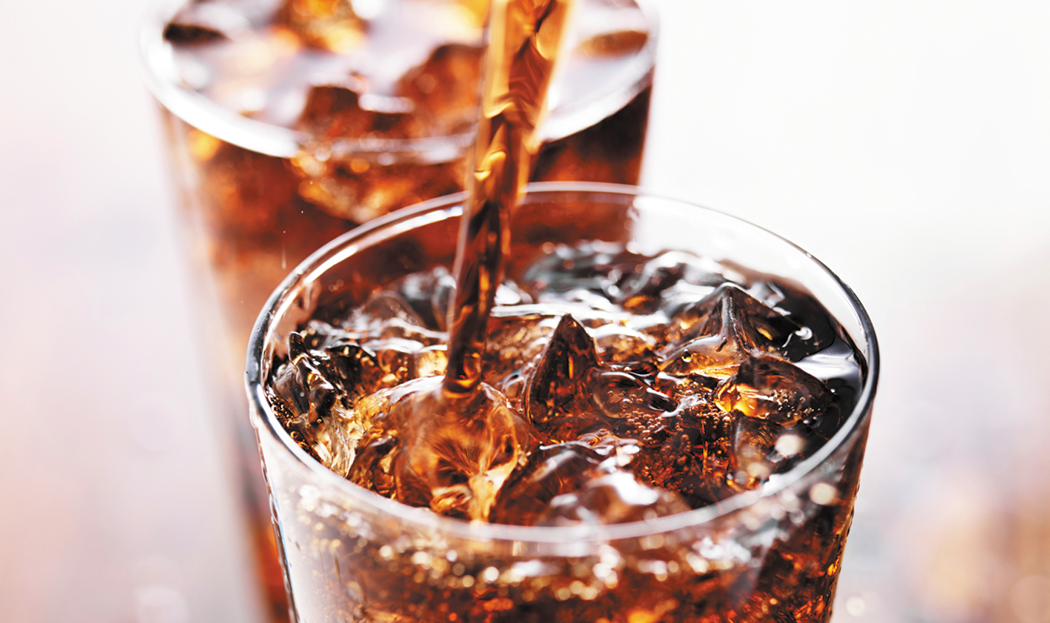
Sugary drinks seem to raise blood pressure
Image: Thinkstock
Research we're watching
Drinking as little as one sugar-sweetened beverage a day is linked to a slightly greater risk of high blood pressure, a new analysis suggests.
Researchers pooled findings from six studies that included a total of more than 240,000 people. They found a 12% higher risk of high blood pressure among people who drank one or more sugary drinks daily compared with those who drank none. Serving sizes of the beverages varied from 7 to 12 ounces among the different studies.
FDA approves antidote to anti-clotting drug
Research we're watching
For people who take anti-clotting drugs such as dabigatran (Pradaxa), one serious downside has been the rare but dangerous risk of uncontrolled bleeding in the event of an accident or urgently needed surgery. But in October, the FDA approved idarucizumab (Praxbind), a drug that quickly reverses the effects of dabigatran. Given by injection into a vein, the drug binds to dabigatran and neutralizes its effect, allowing the blood to clot normally.
Dabigatran was approved in 2010 to prevent strokes (most of which are caused by blood clots in the brain) in people with atrial fibrillation. It's also prescribed to prevent and treat venous thromboembolism. Because idarucizumab works specifically on dabigatran, it can't be used as an antidote for similar anti-clotting medications, which include rivaroxaban (Xarelto), apixaban (Eliquis), and edoxaban (Savaysa). However, an antidote that works on these drugs is under development, with approval expected within the next year or so.


3 health strategies to help you get through the holidays
Image: Thinkstock
Plan now to help prevent overeating, trips to the hospital, and depression.
The winter holidays are supposed to be a joyous time, filled with celebration. But they come with health risks, such as loneliness and depression, overeating, weight gain, falls in icy weather, foodborne illness, and heart problems. Here are ways to protect yourself while enjoying the season.
Hip bursitis vs. arthritis: How to tell the difference
Fitness for longevity: Which type matters most?
Ministrokes linked to elevated risk of dementia
Continuous glucose monitors benefit people who don't need insulin
CoQ10: Should you take this popular supplement if you're on a statin?
Microplastics: A hidden health threat?
Oat vs. dairy milk: Nutrition, benefits, and downsides
What is tempeh? Benefits, nutrition, and how to use it
Healing after food poisoning
Whole grains may improve several heart risk factors at once
Free Healthbeat Signup
Get the latest in health news delivered to your inbox!
Sign Up
