

Hip bursitis vs. arthritis: How to tell the difference

Fitness for longevity: Which type matters most?

Ministrokes linked to elevated risk of dementia

Continuous glucose monitors benefit people who don't need insulin

CoQ10: Should you take this popular supplement if you're on a statin?

Microplastics: A hidden health threat?

Oat vs. dairy milk: Nutrition, benefits, and downsides

What is tempeh? Benefits, nutrition, and how to use it

Healing after food poisoning

Whole grains may improve several heart risk factors at once
Vitamins, minerals & supplements Archive
Articles

American Heart Association issues statement on cardiovascular side effects from hormonal therapy for prostate cancer

What's causing the ringing sound in my ear?
A ringing sound in one or both ears is usually a form of an annoying condition called tinnitus. When tinnitus persists, treatment such as cognitive behavioral therapy, tinnitus retraining therapy or biofeedback, can ease symptoms.

Bleeding gums? You may need more vitamin C
In the journals
Bleeding gums are a sign of gingivitis, an early stage of periodontal disease, but they may also signal low vitamin C in your diet, suggests a study published online Feb. 1, 2021, by Nutrition Reviews. Researchers examined 15 published studies involving 1,140 healthy people as well as data on 8,210 people from the CDC's Health and Nutrition Examination Survey. They found that low vitamin C levels in the bloodstream were associated with an increased risk for gum bleeding with gentle probing. The researchers also observed that increasing vitamin C intake may help resolve the problem.
Increased bleeding in general is one of the symptoms of scurvy, a disease caused by severe vitamin C deficiency. Scurvy, which often affected 18th-century sailors without access to fruits and vegetables, is rare today. Still, this new study sheds light on a potential cause of gum bleeding related to vitamin C levels that are only slightly low — not enough to cause scurvy.
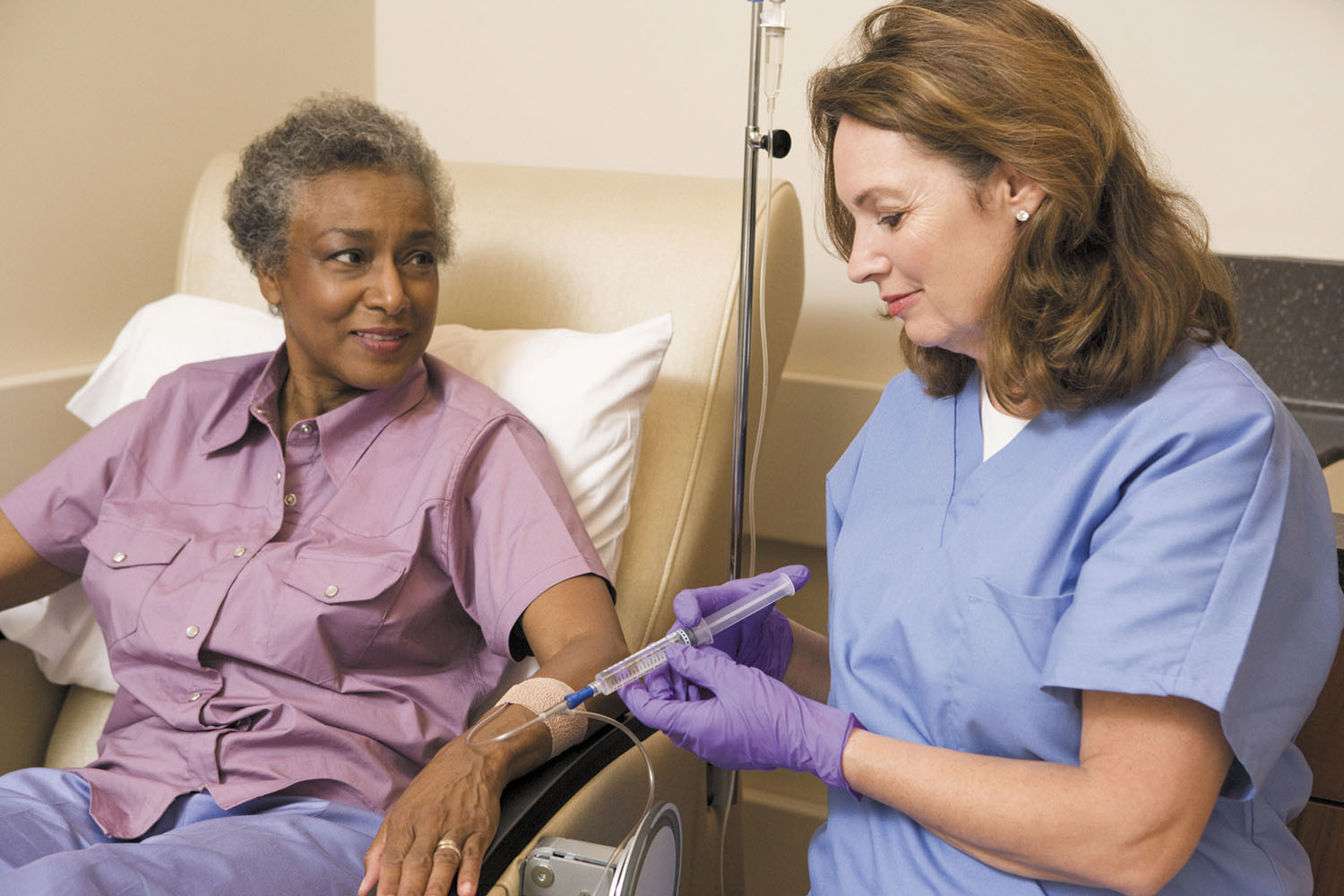
Cancer survivors: A higher risk of heart problems?
If you're among the nearly 17 million adults in this country who's had cancer, pay extra attention to your heart health.
Thanks to advances in early detection and treatment, people with cancer are living far longer than in past decades. But cancer survivors should be aware that cancer and its treatments can compromise cardiovascular health, according to a recent study from the CDC.
Researchers studied more than 840,000 adults, including about 69,000 cancer survivors, to see how much cancer "ages" the heart. They found that adult men treated for cancer had hearts that appeared to be 8.5 years older than their actual age, while the hearts of women who survived cancer appeared to be 6.5 years older.

Fruit of the month: Kiwifruit
The Chinese gooseberry — more commonly known as kiwifruit or simply kiwi — is a brown, fuzzy, egg-sized fruit with bright green flesh. You can sometimes find gold kiwis, which have yellow flesh, or kiwi berries, which are the size of a grape and have smooth, green skin. Sweet yet slightly tart, kiwi's flavor has been described as a cross between a strawberry and a banana with a hint of citrus.
One kiwi provides nearly all (about 80%) of an adult's daily vitamin C requirement. It's also a good source of fiber, potassium, and vitamin K.
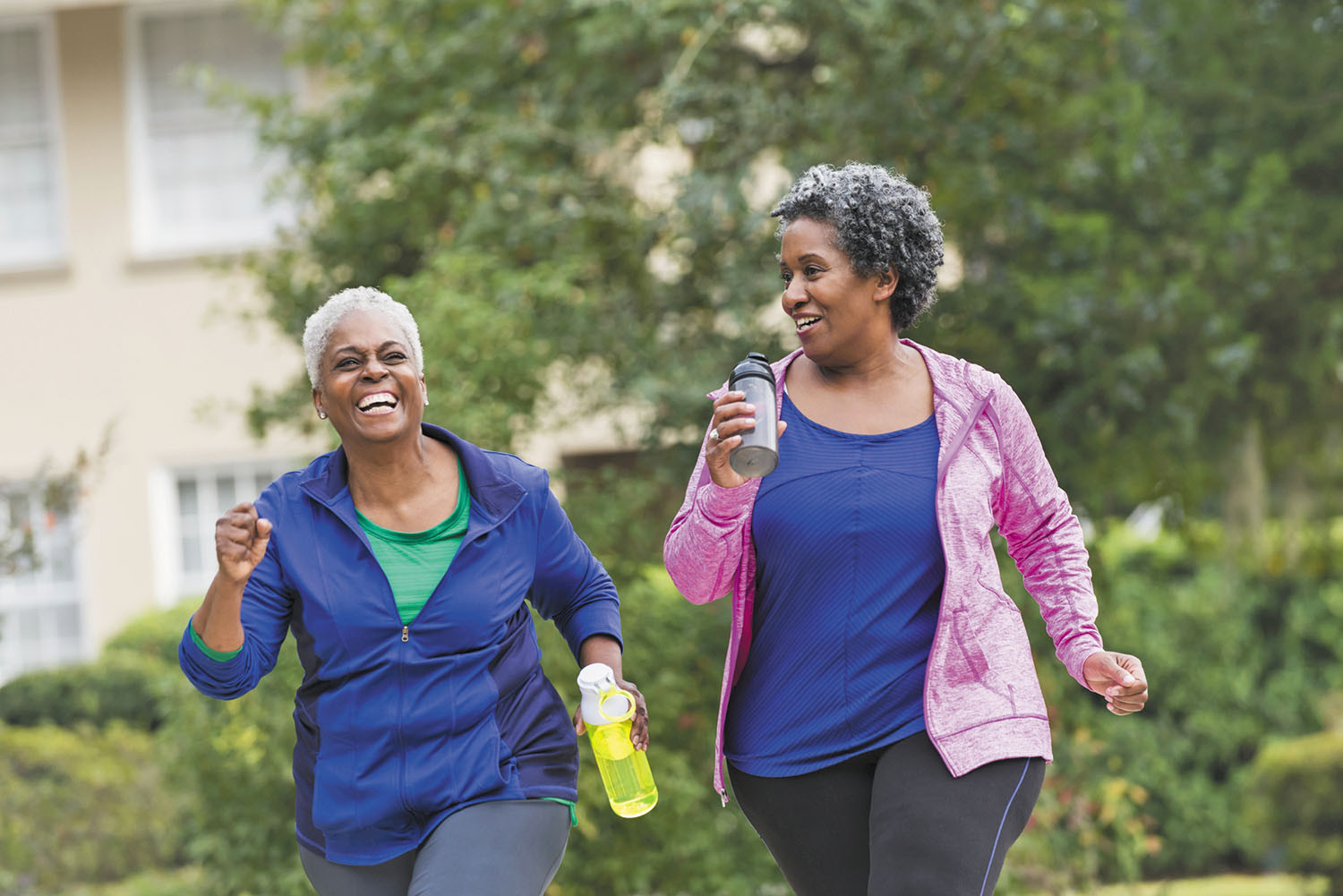
Optimize your exercise routine
Whether you're an exercise novice or a gym regular, these tips can help you get the most out of your workout.
When it comes to exercise, timing is everything — but not in the way we normally think about timing. What matters most is making the time to exercise regularly, not when it happens. That said, your personal experience and specific goals may influence what workout schedule works best for you.
"If you're just starting a physical activity routine, any time that you feel motivated and energized enough to exercise is the best time for you," says Dr. Beth Frates, clinical assistant professor of physical medicine and rehabilitation at Harvard Medical School. For some people, that's in the morning; for others, the afternoon works better. But if you can work out with a friend, choose a time that works best for both of you, she suggests. Teaming up with an exercise buddy is more enjoyable, and you can hold each other accountable.

Harvard finding: Aspirin tied to reduced colorectal cancer risk
News briefs
Regular aspirin use is associated with a reduced risk for developing colorectal cancer in older age — but you won't get the benefit if you start the therapy too late in life, according to a Harvard study published online Jan. 21, 2021, by JAMA Oncology. Researchers combined the results of two large studies involving a total of more than 94,000 people who answered health questionnaires regularly and were followed for three decades. Compared with people who didn't take aspirin, people ages 70 or older who took either 325 milligrams (mg) or 81 mg of aspirin at least twice per week had a 20% lower risk for developing colorectal cancer — but only if they had started the therapy by age 65. Starting aspirin therapy at or after age 70 was not associated with significant protection against colorectal cancer. The study was observational and does not prove whether aspirin can or cannot ward off colorectal cancer. But other observational studies have also shown an association between aspirin use and lower colorectal cancer risk. Like any medicine, aspirin isn't risk-free: regular use increases the risk for gastrointestinal bleeding. If you happen to be taking aspirin regularly for other reasons, this might be an added benefit.
Image: © Jupiterimages/Getty Images

Can you avoid macular degeneration?
You have the power to reduce certain risk factors for the disease.
We've come a long way in our understanding and treatment of age-related macular degeneration (AMD), the leading cause of vision loss for people ages 50 or older in the United States. We've learned that certain genes and lifestyle factors increase the risk for developing AMD, and discovered treatments that often slow the disease's progression.
Yet for all our advances, we still don't have a guaranteed way to prevent AMD. You are at greater risk if one of your parents had the condition. "One needs to be concerned, but it doesn't mean you're destined to get it. It's a complex disease, and it takes a combination of factors for it to develop," says Dr. Joan W. Miller, chief of ophthalmology at Harvard-affiliated Massachusetts Eye and Ear and ophthalmology chair at Harvard Medical School.

Fight chronic inflammation and cholesterol to protect your heart
It takes a one-two punch to lower these risks for heart disease, heart attack, and stroke.
High cholesterol has long been known as a bad actor in heart health. Too much LDL (bad) cholesterol in your blood can lead to fatty deposits in your arteries and the formation of artery-narrowing plaque (atherosclerosis), heart attacks, and strokes.
But LDL doesn't act alone. Chronic inflammation — a persistent activation of the immune system — also fuels heart attack and stroke risks. That means you must address both high LDL levels and chronic inflammation to protect your health.

Pills and the planet: Environmentally-friendly steps for your medicine cabinet
The key factor causing climate change is greenhouse gas emissions, and the health care industry plays a significant role, with drugs and chemicals being the biggest contributor. While the benefits of medications to the world can’t be overstated, here’s how to balance the need for them with concern for the environment.
Hip bursitis vs. arthritis: How to tell the difference
Fitness for longevity: Which type matters most?
Ministrokes linked to elevated risk of dementia
Continuous glucose monitors benefit people who don't need insulin
CoQ10: Should you take this popular supplement if you're on a statin?
Microplastics: A hidden health threat?
Oat vs. dairy milk: Nutrition, benefits, and downsides
What is tempeh? Benefits, nutrition, and how to use it
Healing after food poisoning
Whole grains may improve several heart risk factors at once
Free Healthbeat Signup
Get the latest in health news delivered to your inbox!
Sign Up
