

Vitamins, minerals & supplements Archive

Articles

Autoimmune conditions and heart disease

People with systemic inflammatory conditions such as rheumatoid arthritis, lupus, and psoriasis are more likely to have heart attacks and to die of cardiovascular disease than people in the general public. The 2019 expert guidelines for preventing heart disease says these conditions should be considered "risk enhancers" when estimating heart attack risk. But this added risk may be underrecognized and undertreated.

Fruit of the month: Stone fruits

Peaches, nectarines, apricots, peaches, plums, and cherries are considered stone fruits because they all contain large, hard seeds or pits. They’re all decent sources of fiber, vitamins A and C, and potassium.

A new way to take aspirin: Liquid-filled capsules

The FDA approved the first liquid-filled aspirin capsule, Vazalore, which will be marketed in standard and low-dose versions.

More clues about the healthiest carb choices

Diets that contain low-quality, highly refined carbohydrates (such as sugary drinks, candy, white rice, and foods made with white flour) have a high glycemic index and are linked to an increased risk of cardiovascular disease. Whole and minimally processed carbs that contain fiber and resistant starch (whole grains, legumes, nuts, and fruits and vegetables) have a lower glycemic index and are better for cardiovascular health.

COVID-19 and cardiovascular concerns: An evolving story

Physicians’ understanding of how a COVID-19 infection affects the heart is still evolving. More definitive answers require long-term, randomized clinical trials that control for different factors (including varied medical histories and medication use) to study how COVID-19—and possible therapies—affect people who have or are at risk for heart disease. Like other infectious organisms, SARS-CoV-2 (the virus that causes COVID-19) can increase the risk of blood clots and may damage the heart, but the danger is less common than initial reports suggested.

Advice about daily aspirin

The heart-protecting benefits of a daily low-dose aspirin have to be weighed against the risk of bleeding, a common side effect that is usually minor but sometimes serious. The calculation depends on age and whether a person has cardiovascular disease, diabetes, or a condition that raises risk of bleeding.

Easing summer swelling

Lower leg and foot swelling is most often the result of an abnormal buildup of fluid, which doctors refer to as edema. Fluid tends to flow downhill, making it more likely to pool in the lower parts of the body. Excess fluid retention can be triggered by many things, including eating too much salt, heat, drinking alcohol, or standing for a long period of time. To reduce it, reduce dietary sodium, elevate the feet at the end of the day and wear support stockings.

Returning to restaurants — and to healthy eating

Many of us miss dining out. Now that restaurants are offering indoor and outdoor dining again, it's tempting to cut loose and order restaurant meals without thinking about nutrition. But if you're trying to stick to a healthy diet, try these tips when you're out in a restaurant.

How can you manage anxiety during pregnancy?

During pregnancy it's completely normal to experience a certain amount of anxiety about the baby, giving birth, and becoming a new parent. But for some women this worry takes over their thoughts and becomes debilitating. There are treatments available that may or may not involve medication, depending on the individual situation.
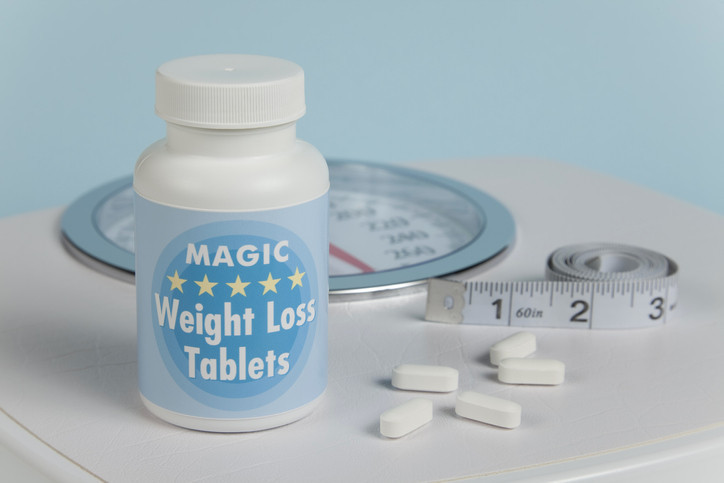
Using weight loss or sports supplements? Exercise caution

Magical claims are made in ads for dietary supplements marketed to enhance well-being and solve health problems. But the reality is that most do little or nothing to improve your health, and in some cases weight loss or sports supplements might actually harm you.

Free Healthbeat Signup

Get the latest in health news delivered to your inbox!

Sign Up

Harvard Health Publishing Logo

Thanks for visiting. Don't miss your FREE 38-page gift.

PLUS, don’t miss out on your 25% off promo code.

Sign up to get tips for living a healthy lifestyle—You’ll discover powerful, research- backed strategies for health longevity drawn from Harvard Medical School experts—ways to eat for a longer life, build strength and flexibility to stay independent, protect your bones, heart, and brain as you age, and even cultivate the habits linked with “super-agers” who stay sharp and active well into their 80s and 90s—all delivered to your email box FREE.

Harvard Health Publishing Logo

Stay on top of latest health news from Harvard Medical School.

Plus, get a FREE copy of HEALTHBEAT ESSENTIALS: 10 Keys to Living Well at Any Age!.

Harvard Health Publishing Logo

Stay on top of latest health news from Harvard Medical School.

Plus, get a FREE copy of HEALTHBEAT ESSENTIALS: 10 Keys to Living Well at Any Age.









