

Hip bursitis vs. arthritis: How to tell the difference

Fitness for longevity: Which type matters most?

Ministrokes linked to elevated risk of dementia

Continuous glucose monitors benefit people who don't need insulin

CoQ10: Should you take this popular supplement if you're on a statin?

Microplastics: A hidden health threat?

Oat vs. dairy milk: Nutrition, benefits, and downsides

What is tempeh? Benefits, nutrition, and how to use it

Healing after food poisoning

Whole grains may improve several heart risk factors at once
Vitamins, minerals & supplements Archive
Articles

Food insecurity, COVID-19, and eating disorders
The COVID-19 pandemic shone a light on disparities in health care and socioeconomic status, and drove food insecurity to an all-time high, particularly in communities most affected by the virus. Research shows links between food insecurity and eating disorders like bulimia and anorexia.


Too many pain pills after surgery: When good intentions go awry
A reasonable and well-intentioned effort to reduce and relieve pain can inadvertently lead to a potentially life-threatening addiction, but there are some surprisingly simple ways to avoid such scenarios.

Just a half-tablespoon of olive oil a day may help the heart
Research we're watching
Most of the evidence supporting olive oil as a heart-healthy fat comes from people living in Mediterranean countries, where olives are abundant. On average, Americans don't consume much olive oil. But those who swap in even a little olive oil to replace less healthful fats appear to lower their risk of heart disease, a new study finds.
Researchers relied on health and diet data from nearly 93,000 adults in two studies beginning in 1990. Over the next 24 years, there were nearly 10,000 cases of heart disease in the group. After adjusting for other dietary habits, age, and other heart-related risks, the researchers found that people who consumed at least a half-tablespoon of olive oil a day had a 14% lower risk for heart disease compared with people who used no olive oil.

Low calorie, but high risk?
Are artificial sweeteners benign or a threat to your long-term health? A recent study adds a new element to the debate.
Artificial sweeteners seem to offer a tantalizing free pass to dessert. These low- or no-calorie additives taste like sugar, but your body can't absorb them the same way it does natural sugars. You get the taste without the calories, which should mean that you can eat them guilt-free. Right?
Over the years, experts have increasingly questioned whether artificial sweeteners are too good to be true. Are they really your ticket to a low-calorie treat — or will you wind up getting your just desserts for trying to outsmart Mother Nature?

Will there be a COVID-19 vaccine?
Ask the doctor
Q. Will we have a vaccine to prevent COVID-19 and, if so, when?
A. I'm optimistic because never in human history has so much scientific time and effort been spent trying to make a vaccine. But it won't it be easy. As fast as possible, the vaccine scientists need to prove, first, that a vaccine is safe (minimal side effects) and, second, that it works to reduce a person's risk of getting the disease. Then they need to produce enough of it to immunize most of the 7.6 billion people on earth. Doing all of this within two to three years of a new virus being discovered would be an unprecedented achievement.
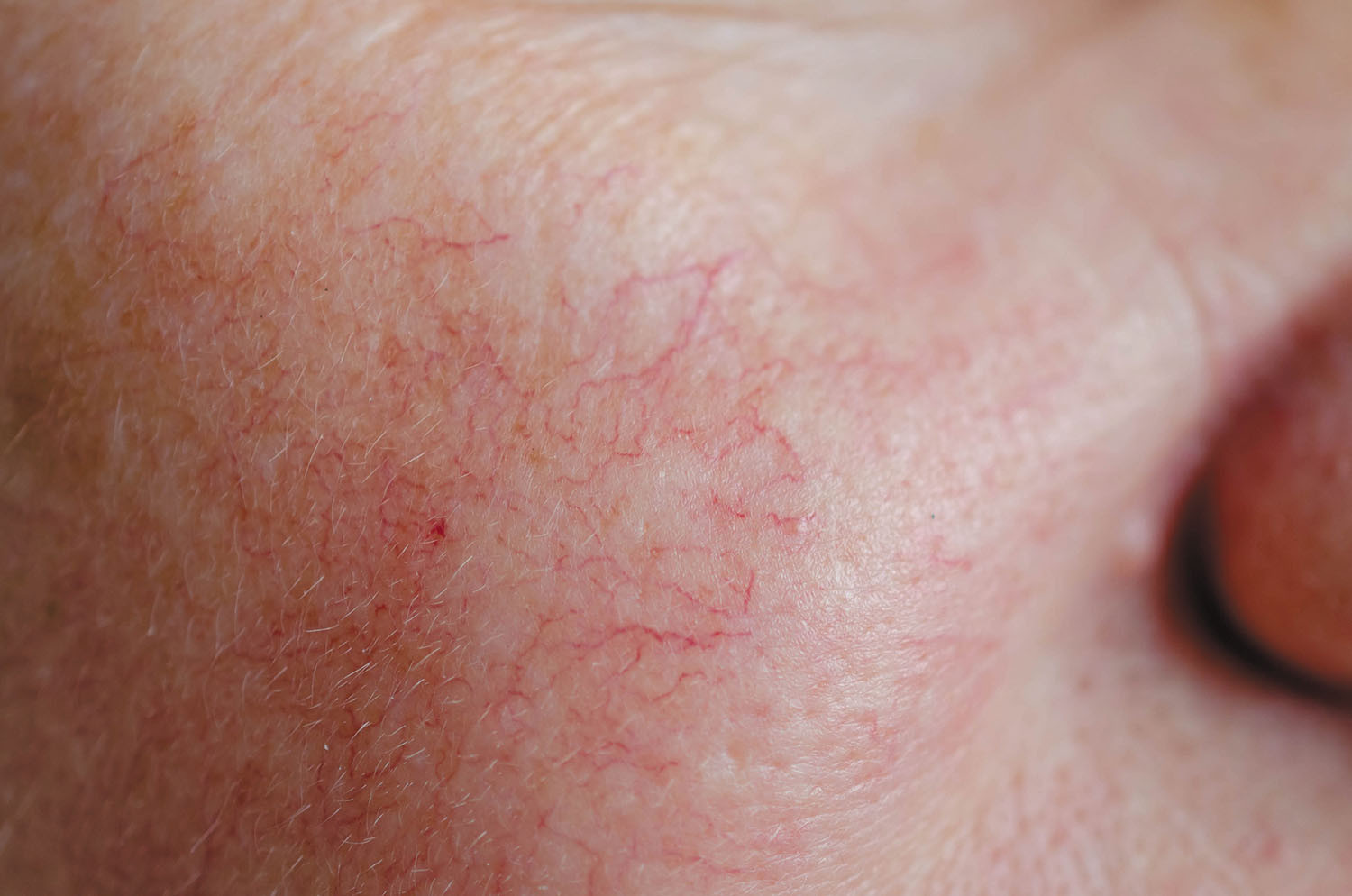
Rosacea can flare at menopause
Tips to help you treat this common skin condition.
You thought you left acne behind you in your teen years, but here you are at midlife with a breakout. But it might not be what you think. Rosacea is often mistaken for acne, and the condition, which most often begins after age 30, sometimes flares at menopause, says Dr. Suzanne Olbricht, an associate professor of dermatology at Harvard Medical School.
A common skin condition affecting some 16 million Americans, rosacea most often develops in people with fair skin who blush easily. Rosacea is sometimes mistaken for sunburn, a naturally ruddy complexion, or even an allergic reaction. It produces a number of skin problems, including

5 Internet recommendations for joint pain: Do they work?
Some ideas seem reasonable, but that doesn't mean they'll help.
People increasingly consult the Internet about medical problems. If you're looking for approaches to relieve joint pain and inflammation caused by wear and tear (osteoarthritis) or an immune system attack (such as occurs in rheumatoid arthritis), you may find methods that sound promising and even sensible. But will they work? Here's advice on five pain relief methods commonly touted on the Internet.
1. Music therapy
Listening to music can evoke powerful emotions that help people relax or heal, which is the basis of music therapy. Research has found that music therapy is associated with less anxiety before surgery or during chemotherapy, and better functioning during physical rehabilitation.

Is it time to consider using medical marijuana?
The stigma is fading, but learn the pros and cons before trying it.
Despite the hype and popularity of medical marijuana, you may not be sure if it's something to consider. You're right to be cautious; the use of marijuana to treat health problems is still being studied, and we don't have all the answers about its risks and benefits.
We do know that medical marijuana use among older adults is increasing. "Older adults tend to use it for physical ailments. No. 1 is chronic pain. Insomnia is another big one, too. Older people have a hard time sleeping, and there aren't a lot of other safe options," says Dr. Peter Grinspoon, a primary care physician with Harvard-affiliated Massachusetts General Hospital.

How to recover from post-traumatic stress disorder
Normally associated with veterans, PTSD can also affect people of all ages who have experienced any kind of trauma.
Post-traumatic stress disorder (PTSD) is a severe and potentially debilitating mental health disorder that affects people who have experienced or witnessed a traumatic event. PTSD often occurs in combat veterans, but it can also strike older adults, and especially men.
About 70% of older men have been exposed to trauma at some point in life, according to the U.S. Department of Veterans Affairs. Many of these traumatic events are accidents (or near misses), injuries, or serious health issues.
Hip bursitis vs. arthritis: How to tell the difference
Fitness for longevity: Which type matters most?
Ministrokes linked to elevated risk of dementia
Continuous glucose monitors benefit people who don't need insulin
CoQ10: Should you take this popular supplement if you're on a statin?
Microplastics: A hidden health threat?
Oat vs. dairy milk: Nutrition, benefits, and downsides
What is tempeh? Benefits, nutrition, and how to use it
Healing after food poisoning
Whole grains may improve several heart risk factors at once
Free Healthbeat Signup
Get the latest in health news delivered to your inbox!
Sign Up
