

Hip bursitis vs. arthritis: How to tell the difference

Fitness for longevity: Which type matters most?

Ministrokes linked to elevated risk of dementia

Continuous glucose monitors benefit people who don't need insulin

CoQ10: Should you take this popular supplement if you're on a statin?

Microplastics: A hidden health threat?

Oat vs. dairy milk: Nutrition, benefits, and downsides

What is tempeh? Benefits, nutrition, and how to use it

Healing after food poisoning

Whole grains may improve several heart risk factors at once
Vitamins, minerals & supplements Archive
Articles
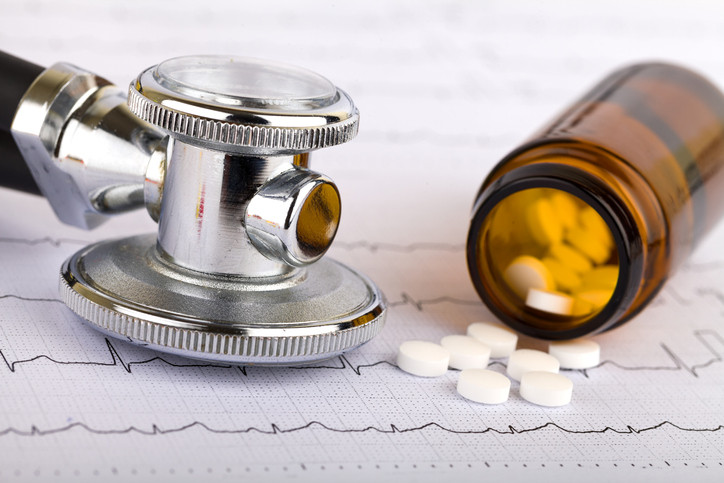
Taking heart medications? Don’t forgo healthy habits
Research we're watching
People may let healthy eating and exercise habits slide after starting prescription heart medications, according to a study in the February 18 Journal of the American Heart Association.
The study involved more than 40,000 Finnish people whose average age was 52. From 2000 to 2013, researchers surveyed them at least twice every four years about their body mass index and their exercise, smoking, and drinking habits. They used pharmacy records to track if the participants began taking blood pressure drugs or statins.

Grandparents and parents: Beware of pill dangers
Research we're watching
If you have children in your house — even for a few hours at a time — be certain to store your medications safely. A study in the January 27 issue of Pediatrics found that more than half of the time, accidental poisonings with prescription medication occurred because adults had removed the medicine from a child-resistant container before the child discovered it.
CDC researchers examined calls made between February and September 2017 to five poison control centers to determine how these accidents most often occur. Most of the time, the pills that children encountered belonged to a parent, but in more than half of cases involving particularly harmful medication, it belonged to a grandparent. These medications included drugs to treat diabetes or cardiac conditions. Child-resistant packaging can help protect children, but it's often inconvenient for adults. Study authors found that most often when poisonings occurred, it was because adults put the pills into pill organizers that were not child-safe, stored them in small plastic bags, or left them out on a surface that a child was able to reach. In other cases, a child found a pill that was dropped on the floor.

Staying healthy when you’re raising young grandchildren
This caregiver role has mental and physical health challenges.
You're not alone if you've suddenly found yourself raising your grandchildren. In the United States, three million older adults are primary caregivers to kids of all ages. Like any caregiver role, raising kids (especially young children) comes with many challenges, not the least of which is maintaining your health.
Physical challenges
The care of little kids — feeding, bathing, dressing, soothing, entertaining, lifting, carrying, and chasing after them — requires youthful energy and strength. As a grandparent you may be at a disadvantage, and not just because of age. "You may be slower from chronic conditions — like arthritis, heart problems, or diabetes — and from taking the medications needed to treat them," says Dr. Suzanne Salamon, associate chief of gerontology at Harvard-affiliated Beth Israel Deaconess Medical Center.

Can vitamin and mineral supplements protect against prostate cancer?
On call
Q. Can specific types of supplements help reduce my risk of developing prostate cancer?
A. Most studies of vitamin and mineral supplements have had disappointing results. In fact, some even appear to increase prostate cancer risk. Here's a rundown on where everything stands.

Mediterranean diet linked to lower inflammation, healthy aging
A study published Feb. 17, 2020, in the journal Gut suggests that lower rates of chronic disease among people who eat a Mediterranean diet might be due to changes in the gut microbiome.

Diet quality counts more than type of diet
In the journals
Simply following a low-carb or low-fat diet is less important than including high-quality healthy foods within those diets — and the latter may help you live longer, says a recent study published online Jan. 21, 2020, by JAMA Internal Medicine. Researchers tracked deaths from all causes among 37,233 adults over a 15-year period. The study included data on the diets of people participating in the U.S. National Health and Nutrition Examination Survey. The diets were scored based on their specific types of fat, protein, and carbohydrates, which determined if people followed a primarily low-carb diet or low-fat diet and the quality of foods they ate.
The researchers found that there was no significant difference in death rates between the people in the low-fat or low-carb group whose diets emphasized high-quality foods (such as whole grains, non-starchy vegetables, whole fruits, and nuts). They also found risk of death to be the same for low-fat and low-carb eaters that included more unhealthy foods (such as red and processed meat, butter, refined grains, and added sugar). What did differ significantly was the higher likelihood of premature death in people with low food quality scores whether their diet was low fat or low carb.

Behavioral therapy can relieve overactive bladder symptoms
In the journals
Men often rely on drugs to manage overactive bladder symptoms, such as frequent urination, urgency, incontinence, and nocturia (having to use the bathroom at night). However, a study published online Jan. 13, 2020, by JAMA Internal Medicine suggests that adding behavioral therapy may lead to better results.
Scientists recruited more than 200 men (average age 64) with overactive bladder symptoms and divided them randomly into three groups. One group received only drug therapy. One received only behavioral therapy, which consisted of learning pelvic floor exercises and relaxation techniques to help suppress urges and prevent urine loss. The third group had both behavioral and drug therapy.

Can scheduled fasting improve your health?
The practice, known as intermittent fasting, has shown numerous health benefits and is easy for most healthy individuals to adopt.
Contrary to longstanding advice (and what you may have heard from your mother), a growing body of evidence shows that skipping meals may actually be good for your health.
Intermittent fasting — the practice of going for set periods of time without eating — is increasingly gaining acceptance among experts.

Seed of the month: Sunflower
Sunflower seeds, which are harvested from the centers of large, yellow-petaled flowers, have a long and interesting history. Native American Indians cultivated sunflowers some 8,000 years ago, using the seeds to make meal for bread.
Today, farmers grow two main types of sunflowers. Those with solid black hulls have extra-oily seeds, which are pressed into sunflower oil or used in bird feeders. Those with black-and-white-striped hulls are used in food. In the late 1960s, chewing a mouthful to extract the small seeds became popular among baseball players, allegedly as a substitute for chewing tobacco. In the 1970s, hulled sunflower seeds gained a following among vegetarians and natural-food enthusiasts.
Hip bursitis vs. arthritis: How to tell the difference
Fitness for longevity: Which type matters most?
Ministrokes linked to elevated risk of dementia
Continuous glucose monitors benefit people who don't need insulin
CoQ10: Should you take this popular supplement if you're on a statin?
Microplastics: A hidden health threat?
Oat vs. dairy milk: Nutrition, benefits, and downsides
What is tempeh? Benefits, nutrition, and how to use it
Healing after food poisoning
Whole grains may improve several heart risk factors at once
Free Healthbeat Signup
Get the latest in health news delivered to your inbox!
Sign Up
