

Hip bursitis vs. arthritis: How to tell the difference

Fitness for longevity: Which type matters most?

Ministrokes linked to elevated risk of dementia

Continuous glucose monitors benefit people who don't need insulin

CoQ10: Should you take this popular supplement if you're on a statin?

Microplastics: A hidden health threat?

Oat vs. dairy milk: Nutrition, benefits, and downsides

What is tempeh? Benefits, nutrition, and how to use it

Healing after food poisoning

Whole grains may improve several heart risk factors at once
Vitamins, minerals & supplements Archive
Articles

Understanding acute and chronic inflammation
The right kind of inflammation is essential to your body's healing system. But chronic inflammation can be a problem.
The saying "too much of a good thing" applies to much of life, but especially to inflammation.
"People think inflammation needs to be stomped out at all times, but it plays an essential role in healing and injury repair to keep your body safe and healthy," says Dr. Robert H. Shmerling, medical editor of Understanding Inflammation from Harvard Health Publishing and an associate professor of medicine at Harvard Medical School. "Some inflammation is good. Too much is often bad. The goal is to recognize when inflammation is simply doing its job, and when it can potentially cause problems."

Can a slow heartbeat be dangerous?
Ask the doctor
Q. I'm in my 70s, and I get breathless when I climb stairs. Maybe that's normal at my age, but my doctor says the cause may be my slow heartbeat. Can a slow heartbeat be dangerous?
A. Yes, it could be. To explain why, let's begin with the basics. Your heart beats in order to pump blood around the body. The circulating blood brings the nutrition that every cell in your body needs, and it removes cellular waste material: blood brings the food and takes away the garbage. The effectiveness of the circulation depends on how much blood your heart pumps with each heartbeat and how many times per minute it beats. Even if each heartbeat pumps a lot of blood, if your heart doesn't pump often enough, your body won't get the blood it needs. And when you exert yourself, the body needs more blood.

Is intermittent fasting safe for older adults?
Learn the risks before diving into this experimental eating style.
Intermittent fasting is a popular eating strategy being studied in labs and practiced in kitchens across America. And it's more than a fad. Restricting your calories or mealtimes may have the potential for many benefits, such as weight loss and reduced risk of various diseases. We don't have much evidence, however, about intermittent fasting's effect on the health of older adults.
What is intermittent fasting?
Intermittent fasting restricts when or how much you eat — and sometimes both. There are several approaches.
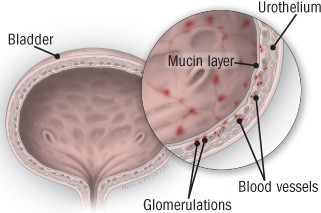
Diagnosing and treating interstitial cystitis
Also called painful bladder syndrome, this frustrating disorder disproportionately affects women.
Interstitial cystitis is a chronic bladder condition that causes recurring bouts of pain and pressure in the bladder and pelvic area, often accompanied by an urgent and frequent need to urinate — sometimes as often as 40, 50, or 60 times a day, around the clock. Discomfort associated with interstitial cystitis can be so excruciating that, according to surveys, only about half of people with the disorder work full-time. Because symptoms are so variable, experts today describe interstitial cystitis as a member of a group of disorders collectively referred to as interstitial cystitis/painful bladder syndrome. (In this article, we'll call it interstitial cystitis, or IC.)
Among the one to two million Americans with IC, women outnumber men by as much as eight to one, and most are diagnosed in their early 40s. Several other disorders are associated with IC, including allergies, migraine, irritable bowel syndrome, fibromyalgia (a condition causing muscle pain), chronic fatigue syndrome, and vulvodynia (pain or burning in the vulvar area that isn't caused by infection or skin disease).
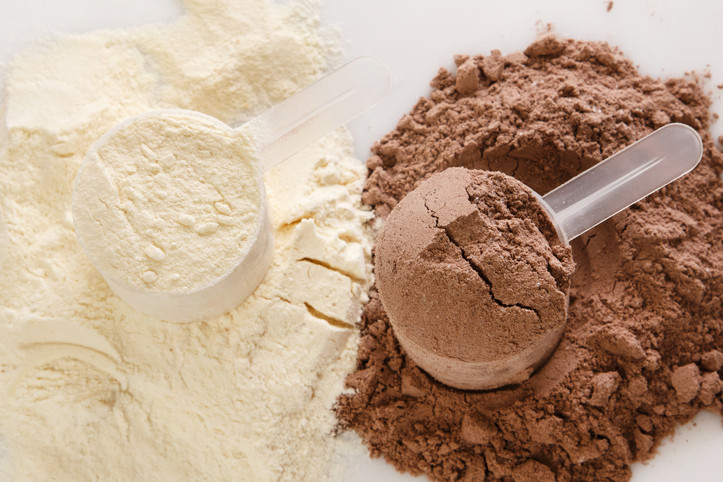
The scoop on protein powder
The amount of protein you need depends on your age, health, and the intensity of your fitness routine. For most people it’s relatively easy to get the recommended amount from food, but there are situations when someone might want to consider a protein powder supplement.

What’s the best time of day to take your medication?
Timing may improve potency and help you cope with side effects.
We all want our medicines to be as effective as possible, and that requires effort on our part. It may be necessary to avoid taking pills with certain foods or drinks, and to check that medications won't interfere with each other.
And in some cases, it may be important to take a drug at a particular time of day. This approach, known as chronotherapy, is gaining attention as research suggests a relationship between when we take medications and how well they work.

Should I take blood pressure medications at night?
Ask the doctor
Q. I've taken blood pressure medicines every morning for many years, and they keep my pressure under control. Recently, my doctor recommended taking them at bedtime, instead. Does that make sense?
A. It actually does make sense — based on recent research. For many years, there have been at least three theoretical reasons for taking blood pressure medicines before bedtime. First, a body system that strongly affects blood pressure, called the renin-angiotensin system, has its peak activity during sleep. Second, circadian rhythms cause differences in the body chemistry at night compared with daytime. Third, most heart attacks occur in the morning, before medicines taken in the morning have a chance to "kick in."

The best breads in the grocery store
Look for whole-grain breads with the fewest ingredients possible.
It takes just four ingredients to create bread: flour, yeast, water, and salt. After a little kneading and some time in the oven, they transform into a hearty dietary staple that can add texture to your breakfast or structure to your sandwich. But the type of flour, plus additional ingredients, can make or break bread's nutritional value.
What makes bread healthy?
Healthy bread starts with flour that comes from whole grains, such as whole wheat, oats, brown rice, rye, or barley.

Heavily processed foods tied to diabetes
News briefs
As we've reported before, eating or drinking heavily processed foods — like sugary drinks, chicken nuggets, frozen dinners, or sweetened cereals — is associated with an increased risk for weight gain, heart disease, and even early death. Now a large observational study published online Dec. 16, 2019, by JAMA Internal Medicine links the consumption of such "ultraprocessed" food to an increased risk for developing diabetes. Researchers evaluated the questionnaire responses of more than 100,000 diabetes-free people (average age about 43) over six years. People who ate the most ultraprocessed foods (about 22% of their diet) had a higher risk for developing diabetes compared with people who ate the least amount of ultraprocessed foods (about 11% of their diet). The risk for developing diabetes went up 15% for a 10-percentage-point increase in the amount of ultraprocessed food in the diet. The connection held up even after scientists accounted for known risk factors for diabetes, such as weight and physical activity. The takeaway: Skip processed foods in favor of whole foods, including lots of vegetables, fruits, legumes, and whole grains.
Image: Jamesmcq24/Getty Images

Giving steroid injections a shot
They can offer temporary pain relief, but are they right for you?
If you're battling with a flare-up of arthritis, bursitis, or tendinitis, you may find relief from an injection of cortisone (a type of steroid).
"People turn to injections when conservative treatments like over-the-counter and prescription pain medication or physical therapy no longer work, and their pain begins to interfere with quality of life," says Dr. Rob Shmerling, clinical chief of rheumatology at Harvard-affiliated Beth Israel Deaconess Medical Center.
Hip bursitis vs. arthritis: How to tell the difference
Fitness for longevity: Which type matters most?
Ministrokes linked to elevated risk of dementia
Continuous glucose monitors benefit people who don't need insulin
CoQ10: Should you take this popular supplement if you're on a statin?
Microplastics: A hidden health threat?
Oat vs. dairy milk: Nutrition, benefits, and downsides
What is tempeh? Benefits, nutrition, and how to use it
Healing after food poisoning
Whole grains may improve several heart risk factors at once
Free Healthbeat Signup
Get the latest in health news delivered to your inbox!
Sign Up
