








Do you need a DEXA scan earlier than you thought?
A bone density test may be on your radar later in life, but some women may have reason to ask about it sooner.
- Reviewed by Harold Rosen, MD, Contributor
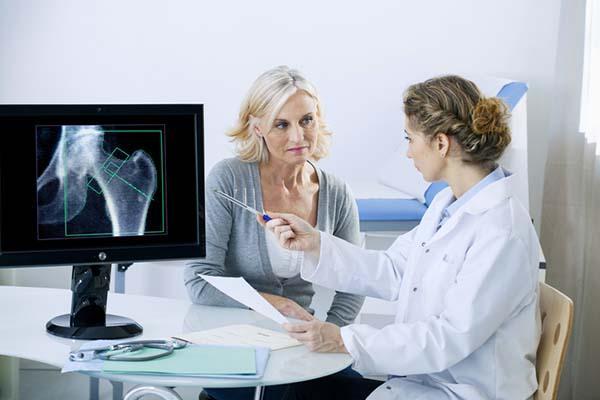
For more than a quarter-century, major medical organizations have told women to begin routine osteoporosis screening with a DEXA scan at age 65 if they’re at average risk for this bone-thinning condition.
But it may be a mistake to wait until 65 to test for osteoporosis, which causes half of women to break a bone in their lifetime, since by then some of the most consequential bone changes for women have been happening for years, a Harvard expert says.
Many women have enough risk factors to warrant a DEXA (dual-energy x-ray absorptiometry) scan well before 65, and scientists now suggest that treating postmenopausal women for bone loss could avert a significant part of the problem.
“It’s foolish to wait. After 50, so many people are losing bone density,” says Dr. Howard Rosen, director of the Osteoporosis Prevention and Treatment Center at Harvard-affiliated Beth Israel Deaconess Medical Center. “If they wait to get osteoporosis, they’ve missed the opportunity to prevent so much bone loss.”
What do osteopenia and osteoporosis mean?
Menopause isn’t just a reproductive milestone — it’s also a bone health crossroads. Throughout life, bone is constantly being broken down and rebuilt, and estrogen helps to keep the remodeling process in balance. As estrogen levels fall during the menopause transition, however, bone breakdown speeds up.
About 10 million Americans have osteoporosis, a disease that thins and weakens bones, making them more likely to break. Another 44 million have low bone density (known as osteopenia), placing them at higher risk of developing osteoporosis, according to the National Osteoporosis Foundation.
Who should get a DEXA scan earlier?
While medical guidelines generally recommend routine bone density tests for women starting at 65, some younger women should have a DEXA scan, which measures how much calcium and other minerals are present in the spine and hip bones.
The need for earlier testing hinges on someone’s individual risk, not just reaching menopause, Dr. Rosen says. It’s warranted for women with risk factors such as
- fracture resulting from relatively minor trauma
- low body weight or significant weight loss
- family history of osteoporosis
- long-term use of medications that can weaken bones, such as corticosteroids
- various medical conditions associated with bone loss or impaired calcium and vitamin D absorption
- early menopause
- smoking
- heavy alcohol use.
“If you have one of those risk factors, you have a hard indication for bone density screening at menopause,” he says. While most women between 50 and 65 won’t have osteoporosis, a fair number will already have osteopenia. Identifying osteopenia earlier in life provides an opportunity to slow or even halt bone loss that surely will accelerate after menopause.
Hormone therapy and other bone protection medications
Dr. Rosen urges women to talk with their doctor about bone density testing at menopause. Commercial health insurance will likely cover most of the cost for this screening for postmenopausal women under 65 if they are at higher risk of osteoporosis. Even if the DEXA scan just shows osteopenia, your doctor may consider treatment with medications that hinder bone breakdown.
Hormone therapy may factor heavily into this approach. Systemic forms that work throughout the body slow bone loss associated with menopause, help maintain bone density, and reduce the risk of osteoporosis (for as long as it’s being used). These treatments typically include estrogen combined with progesterone for women with a uterus.
That doesn’t mean, however, that women should start hormone therapy only to protect their bones, he says. But if you’re already considering it for other menopausal symptoms, your bone health can be part of the discussion about risks and benefits.
“Estrogen is a very good treatment to prevent bone loss,” Dr. Rosen says. “It doesn’t build back bone, but it slows the rate at which bone is being resorbed.”
Other medications may be appropriate even when osteopenia is present if other factors substantially increase fracture risk — for example, a previous low-impact fracture, a strong family history of hip fracture, certain medical conditions, or long-term corticosteroid use, guidelines say. The drugs most often considered are bisphosphonates such as alendronate (Fosamax) or zoledronic acid (Reclast).
“Even if we uncover only osteopenia at menopause, we could intervene with medications to reduce the rapid bone loss anticipated in the next five years to prevent osteoporosis rather than treat it once it has already developed,” Dr. Rosen says. “It would be like fluoride for cavities — there would be much less osteoporosis occurring later.”
How are DEXA scan results read?DEXA scan results produce a standardized measure called a T-score that compares your bone density with that of a healthy young adult population. Here’s what the scores mean:
|
Image: © BSIP/UIG/Getty Images
About the Author

Maureen Salamon, Executive Editor, Harvard Women's Health Watch
About the Reviewer

Harold Rosen, MD, Contributor
Disclaimer:
As a service to our readers, Harvard Health Publishing provides access to our library of archived content. Please note the date of last review or update on all articles.
No content on this site, regardless of date, should ever be used as a substitute for direct medical advice from your doctor or other qualified clinician.