

Hip bursitis vs. arthritis: How to tell the difference

Fitness for longevity: Which type matters most?

Ministrokes linked to elevated risk of dementia

Continuous glucose monitors benefit people who don't need insulin

CoQ10: Should you take this popular supplement if you're on a statin?

Microplastics: A hidden health threat?

Oat vs. dairy milk: Nutrition, benefits, and downsides

What is tempeh? Benefits, nutrition, and how to use it

Healing after food poisoning

Whole grains may improve several heart risk factors at once
Diet and nutrition Archive
Articles
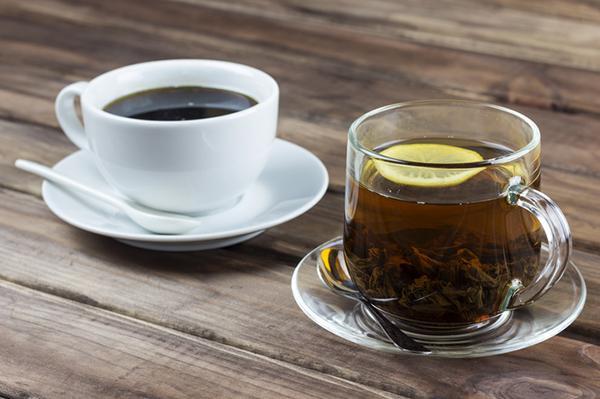
Harvard study: A couple of daily cups of coffee or tea linked to lower dementia risk
A 2026 study found that drinking two to three daily cups of caffeinated coffee, or one to two daily cups of caffeinated tea, was linked to better cognitive health and lower risks of dementia.

Resistant starch: Can you make the carbs you eat a little healthier?
Resistant starch causes smaller blood sugar spikes than regular starches, and feeds beneficial gut bacteria. You can increase the resistant starch content of starchy foods by cooking and chilling them, though overall diet quality matters more to blood sugar control than this trick alone.

Beyond protein: 6 other nutrients that help prevent muscle loss
While protein is essential to help prevent muscle loss as you age, other nutrients matter, too. Carbohydrates, magnesium, iron, omega-3 fats, and vitamin D work together to support muscle function and prevent muscle breakdown. Getting enough water is also essential for muscle performance and function.

Are certain fruits healthier than others?
Most people have heard the nutritional recommendation to eat five servings of fruit per day. But are some fruits better for you than others? Is it okay to eat dried or frozen fruit, or to drink fruit juice? Does it have to be organic?

Vitamin B12 deficiency can be sneaky and harmful
Like most vitamins, B12 can't be made by the body and must be gotten from food or supplements. A B12 deficiency -- which might stem from a vegan or vegetarian diet, or problems with absorption due to weight loss surgery or aging -- can seriously harm nerves, mood, thinking, energy, and more.
People who stop weight-loss drugs may gain back weight and lose heart benefits
A 2026 study suggested that people who stop taking weight-loss medications rapidly regain weight and lose heart health benefits associated with the drugs.
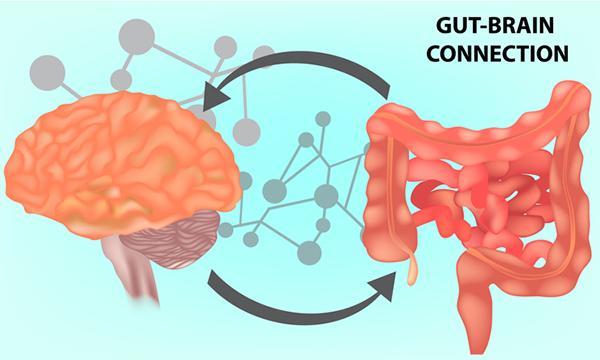
How the gut-brain connection influences mood
The brain communicates with the gastrointestinal tract through a connection scientists call the gut-brain axis. Evidence suggests that when the gut is irritated by triggers such as infection, stress, food, allergies, alcohol, or heredity, the resulting inflammation could influence mood.


5 simple ways to improve gut health
Gut health plays a bigger role in overall well-being than many people realize, affecting digestion, mood, and immunity. Simple daily choices around food, movement, sleep, stress, and hydration can support a healthier, more resilient gut.
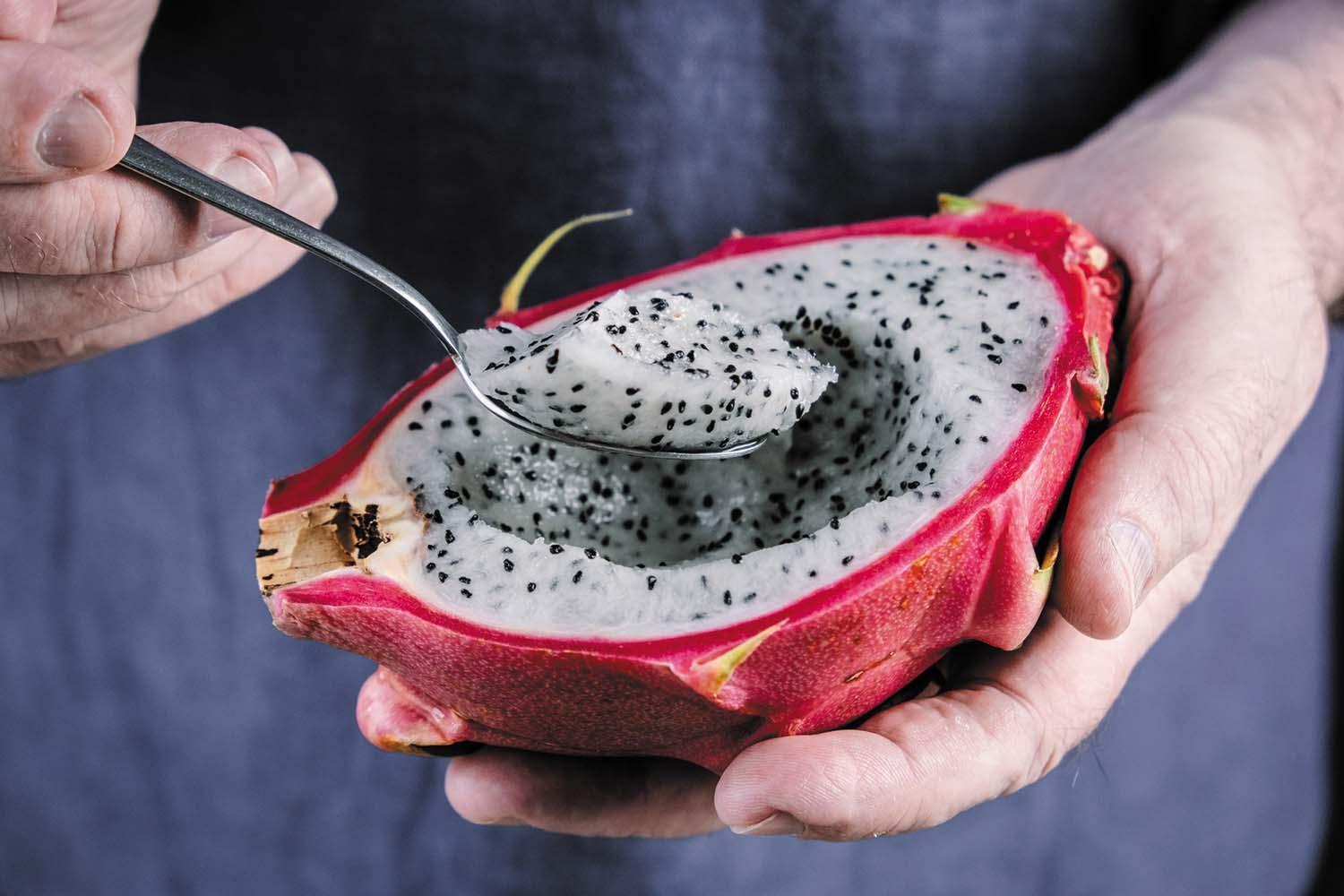
Dragon fruit: How to enjoy this antioxidant-rich fruit
Dragon fruit stands out for its striking look, mild sweetness, and a mix of fiber, minerals, and antioxidant compounds. It isn't a magic "superfood," but it's a healthy, colorful way to help people eat more fruit in fun new ways.
Hip bursitis vs. arthritis: How to tell the difference
Fitness for longevity: Which type matters most?
Ministrokes linked to elevated risk of dementia
Continuous glucose monitors benefit people who don't need insulin
CoQ10: Should you take this popular supplement if you're on a statin?
Microplastics: A hidden health threat?
Oat vs. dairy milk: Nutrition, benefits, and downsides
What is tempeh? Benefits, nutrition, and how to use it
Healing after food poisoning
Whole grains may improve several heart risk factors at once
Free Healthbeat Signup
Get the latest in health news delivered to your inbox!
Sign Up
