

Hip bursitis vs. arthritis: How to tell the difference

Fitness for longevity: Which type matters most?

Ministrokes linked to elevated risk of dementia

Continuous glucose monitors benefit people who don't need insulin

CoQ10: Should you take this popular supplement if you're on a statin?

Microplastics: A hidden health threat?

Oat vs. dairy milk: Nutrition, benefits, and downsides

What is tempeh? Benefits, nutrition, and how to use it

Healing after food poisoning

Whole grains may improve several heart risk factors at once
Healthy aging and longevity Archive
Articles

Navigating a doctor shortage
A 2026 study indicates a precipitous decline in the number of primary care providers in the United States accepting new patients. Without a primary care doctor, people are more vulnerable to serious medical problems and may have trouble getting regular tests and prescriptions.

When your brain takes revenge at bedtime
Revenge bedtime procrastination involves sacrificing sleep to prioritize personal time for activities unrelated to the demands of work or caregiving. Short-term effects of insufficient quality sleep time include next-day fatigue and negative mood. Persistent sleep deprivation can increase risks of conditions such as cardiovascular disease and dementia.

Do multivitamins make you healthier?
Taking a multivitamin does not reduce the chance of heart disease or mental decline, but it does reduce the risk of being diagnosed with cancer or developing cataracts.
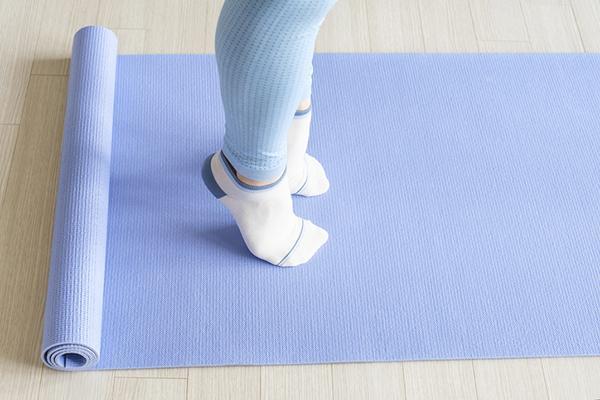
Stay strong at any age with 4 basic exercises
Muscles naturally weaken over time. But people can preserve strength and retain function with regular physical activity, including exercises to build lower-body strength. Four daily exercises are sit‑to‑stands, glute sets, heel raises, and single‑leg stands.

Resistance training works — and it may be easier than you think
Regular resistance training, with either home-based or gym exercises, improves strength, muscle size, power, endurance, and daily function. New guidelines recommend resistance training with high effort that works all major muscle groups at least twice a week.

Try this: Progressive muscle relaxation for sleep
People with insomnia can quiet a racing mind or relax a tense body with progressive muscle relaxation, which involves gradually tensing and relaxing muscles, beginning with the toes and working up the body.

Video: Incorporating Meditation Into Your Life
Meditation can be a natural part of everyday life, similar to maintaining a healthy diet or exercise routine. In this video, learn how meditation can be simple, flexible, and can be practiced almost anywhere.

What is considered a healthy body fat percentage as you age?
While there is no agreed-upon normal range for body fat, most men ages 60 to 79 should aim for 13% to 24% body fat. Measuring waist and hip size can provide an estimate of how much dangerous belly fat a person carries.

What is a normal heart rate?
Exercise can lower resting heart rate and raise maximum heart rate to reduce the risk of heart attack and death.

Ask the Doc: How can I stop snoring?
Snoring is common, but factors like alcohol, medications, weight, smoking, and sleep position can all make it worse. In this Ask the Doc video, Harvard Medical School Dean Dr. David Roberts shares tips that can help reduce snoring and improve your breathing at night.
Hip bursitis vs. arthritis: How to tell the difference
Fitness for longevity: Which type matters most?
Ministrokes linked to elevated risk of dementia
Continuous glucose monitors benefit people who don't need insulin
CoQ10: Should you take this popular supplement if you're on a statin?
Microplastics: A hidden health threat?
Oat vs. dairy milk: Nutrition, benefits, and downsides
What is tempeh? Benefits, nutrition, and how to use it
Healing after food poisoning
Whole grains may improve several heart risk factors at once
Free Healthbeat Signup
Get the latest in health news delivered to your inbox!
Sign Up
