

Hip bursitis vs. arthritis: How to tell the difference

Fitness for longevity: Which type matters most?

Ministrokes linked to elevated risk of dementia

Continuous glucose monitors benefit people who don't need insulin

CoQ10: Should you take this popular supplement if you're on a statin?

Microplastics: A hidden health threat?

Oat vs. dairy milk: Nutrition, benefits, and downsides

What is tempeh? Benefits, nutrition, and how to use it

Healing after food poisoning

Whole grains may improve several heart risk factors at once
Healthy eating for diabetes Archive
Articles
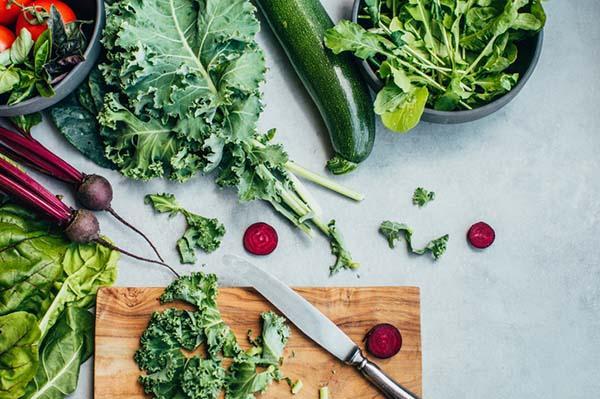
Nitrates in food and medicine: What's the story?
Nitrates are found in both leafy greens and processed meats. But it’s unclear how much these molecules matter compared with other components of those foods, as dietary nitrate levels have no proven link to heart disease risk.
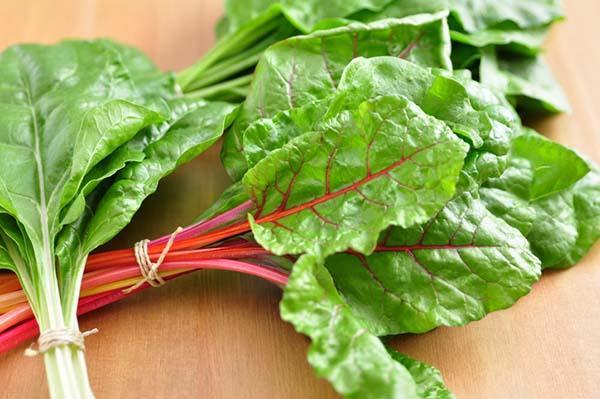
Oxalates, lectins, and phytates: Do these plant compounds sabotage your health?
“Anti-nutrients” like oxalates, lectins, and phytates are found in leafy greens, beans, and grains. They can slightly reduce absorption of some minerals, but aren’t reasons for most people to avoid these healthy foods. Food preparation and meal planning can help minimize such effects.
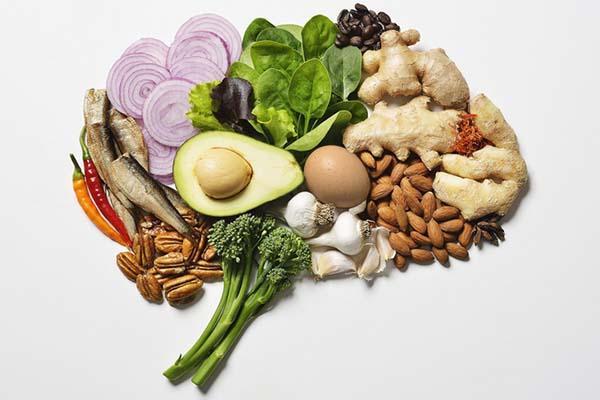
MIND diet: Eating for better brain health
The MIND diet combines Mediterranean and DASH diet principles with an added emphasis on brain-healthy foods like leafy greens, whole grains, and fish. Linked in some studies with slower cognitive decline and lower dementia risk, it’s a flexible eating pattern with benefits at any age.

What to eat on the DASH diet
The DASH plan is one of the world’s leading heart-healthy diets. While it limits salt, sugar, saturated fat, and alcohol, it doesn’t have to be bland. With some flavor creativity and changes in shopping and meal planning, it can soon become second nature.

What is hyperparathyroidism and how does it affect the body?
Hyperparathyroidism involves excess hormone production from tiny neck glands and can disrupt calcium balance, bone health and overall well-being.
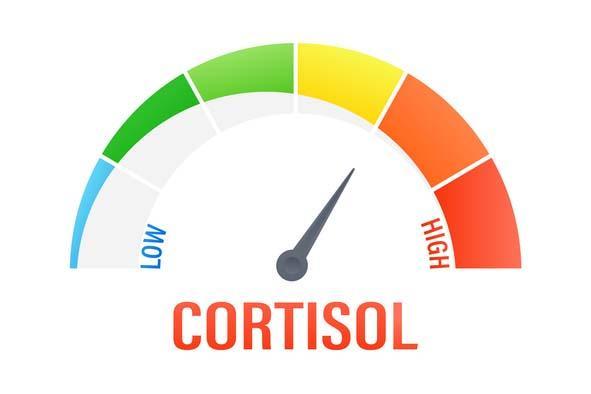
Do you really have high cortisol?
Social media influencers blame “high cortisol” for an array of problems, from stubborn belly fat to poor sleep. But true cortisol disorders are rare and most people have no evidence that abnormal cortisol levels are driving such problems.
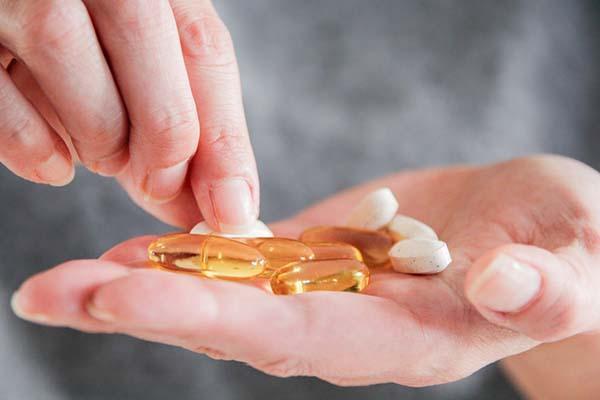
Could having both low vitamin B12 and vitamin D indicate a specific health problem?
Having low vitamin B12 and vitamin D may have several explanations, from diet and sun exposure to conditions that affect nutrient absorption.
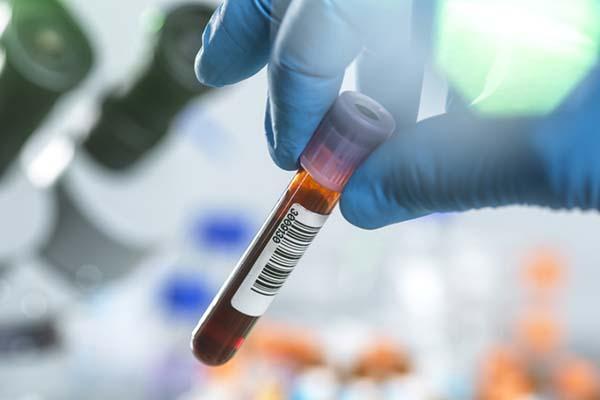
What can cause enlarged red blood cells?
Enlarged red blood cells on a routine blood test can have several explanations. Find out what your results may mean and when follow-up is needed.

Can ingesting or being exposed to aluminum pose health risks?
Aluminum is common in foods, cookware, and personal-care products, but questions remain about how much exposure or ingestion matters.
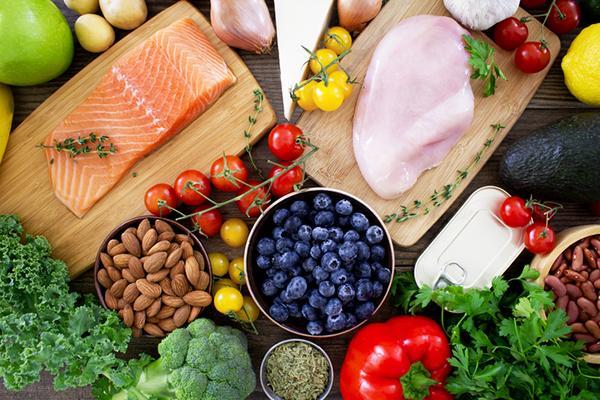
Anti-inflammatory diet: Foods that help reduce chronic inflammation
An anti-inflammatory diet may help rein in chronic inflammation. The eating plan is rich in vegetables, fruit, healthy oils, nuts and seeds, and other foods with anti-inflammatory benefits. What’s not included: refined carbohydrates, red and processed meats, deep-fried foods, and other inflammation-promoting foods.
Hip bursitis vs. arthritis: How to tell the difference
Fitness for longevity: Which type matters most?
Ministrokes linked to elevated risk of dementia
Continuous glucose monitors benefit people who don't need insulin
CoQ10: Should you take this popular supplement if you're on a statin?
Microplastics: A hidden health threat?
Oat vs. dairy milk: Nutrition, benefits, and downsides
What is tempeh? Benefits, nutrition, and how to use it
Healing after food poisoning
Whole grains may improve several heart risk factors at once
Free Healthbeat Signup
Get the latest in health news delivered to your inbox!
Sign Up
