

Hip bursitis vs. arthritis: How to tell the difference

Fitness for longevity: Which type matters most?

Ministrokes linked to elevated risk of dementia

Continuous glucose monitors benefit people who don't need insulin

CoQ10: Should you take this popular supplement if you're on a statin?

Microplastics: A hidden health threat?

Oat vs. dairy milk: Nutrition, benefits, and downsides

What is tempeh? Benefits, nutrition, and how to use it

Healing after food poisoning

Whole grains may improve several heart risk factors at once
Healthy eating for older adults Archive
Articles

Olive oil consumption linked with slightly lower diabetes risk for women
| Image: Thinkstock |
Using olive oil, especially in place of trans fats and saturated fats, has been shown to reduce the risk of heart disease. Recently, scientists from two universities in Spain collaborated with Harvard researchers to examine whether olive oil had a protective effect against developing diabetes as an adult.
The team analyzed data from 145,000 women enrolled in the Nurses' Health Studies I and II. The women answered very detailed questionnaires about their diets every four years, including questions about how much olive oil they consumed daily. Over 22 years, about 9,650 of those women had developed diabetes. When the researchers analyzed the data, they determined that consuming at least a tablespoon of olive oil a day was associated with a 10% lower risk of developing diabetes. The study was published online July 8, 2015, by The American Journal of Clinical Nutrition.

Improve your health by starting with one simple change
Increase your fruit and vegetable intake by sneaking a few servings into omelets, snacks, and sandwiches. You can also add a side salad at lunch or dinner. Image: Bigstock |
Resolving to try something for a week, such as walking or eating more vegetables, may soon turn into a lifestyle change you can sustain.
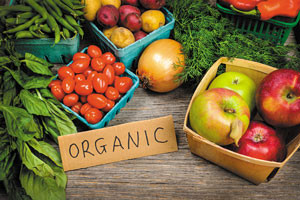
Should you go organic?
Organic produce may have fewer pesticide residues than conventionally grown produce. But the amounts for both are within the levels for safe consumption. Image: Thinkstock |
These foods are grown without fertilizers, pesticides, and other synthetic additives. But are they better for you?
Walk through any grocery store today, and you'll likely see more shelf space devoted to organics—foods that are grown without most synthetic fertilizers and pesticides, and animal products that are free of antibiotics and hormones. Demand for organic food is up, with sales reaching $35.9 billion in 2014. "I think people believe these foods are better for them, but we really don't know that they are," says registered dietitian Kathy McManus, director of the Department of Nutrition at Harvard-affiliated Brigham and Women's Hospital.

Tips for evaluating hospitals
Hospital rankings from magazines and websites base their evaluations on performance measures such as patient safety, survival, technology, and readmission rates. Image: Thinkstock |
Your doctor will make the call, but you can stay informed about the hospital you're admitted to through patient reviews, independent rankings, and satisfaction surveys.
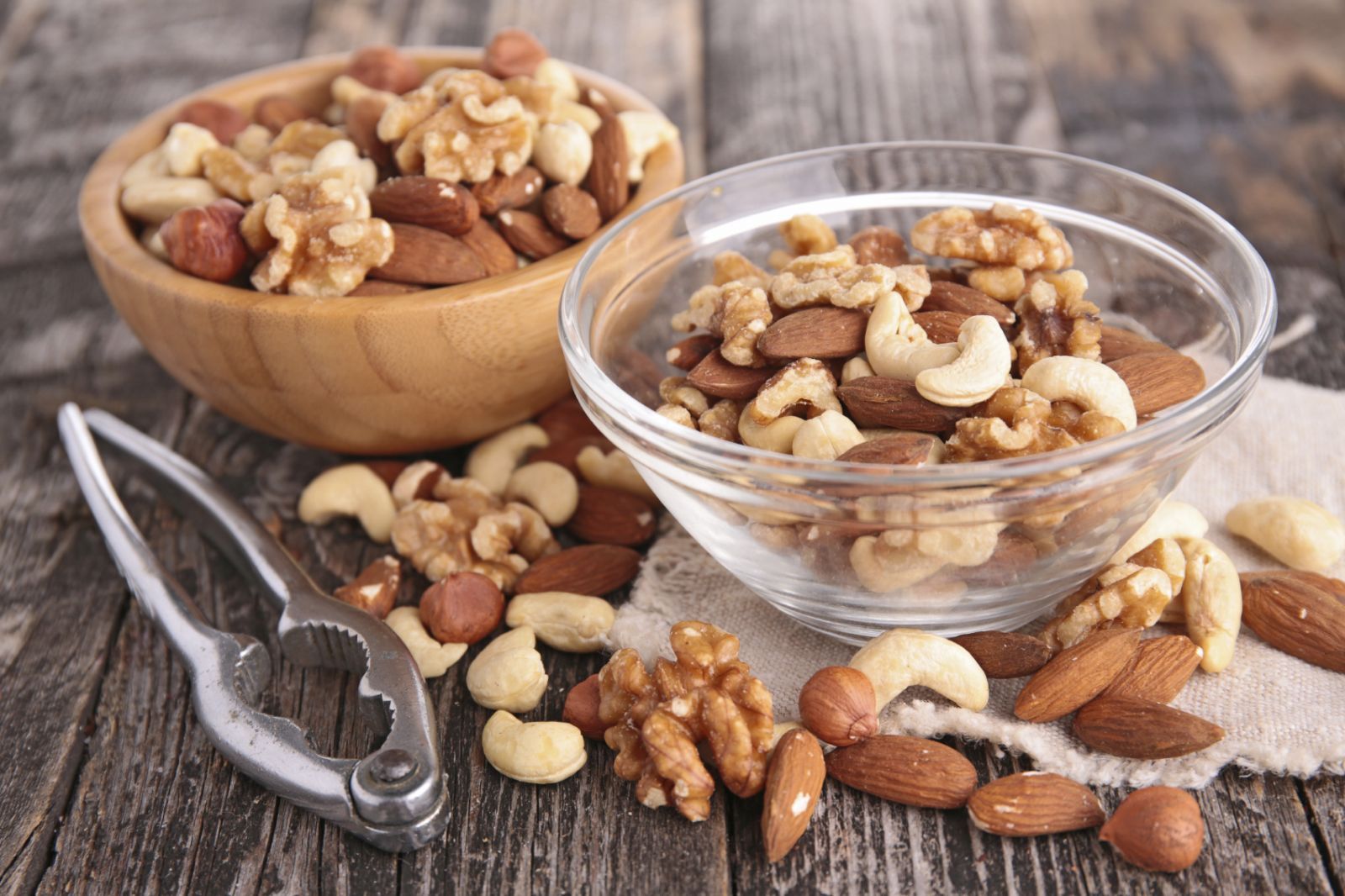
Ask the doctor: Healthy nuts: How much should I eat?
Ask the doctor
Image: iStock |
Q: I've read a lot lately about nuts and how they prevent heart disease. How much should I eat, and are some nuts healthier than others?
A: Nuts contain high amounts of polyunsaturated fat and are a staple in the popular Mediterranean diet. Commonly studied nuts include walnuts and almonds, which have been shown in short-term studies to lower cholesterol. In the PREDIMED trial, a Mediterranean diet supplemented with 30 grams of nuts daily reduced the risk of heart disease. Thirty grams of nuts is equal to about 20 almonds or 10 walnuts. In other studies that showed health benefits from nuts, the frequency of consumption was recorded, not the amount. Daily consumption appeared to be best.
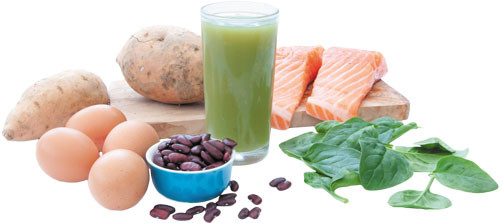
Do you eat enough protein?
Obtain the moderate amount of protein you need from a variety of nutritious foods—not just meat.
To meet your daily protein needs, combine small to medium portions of meat, dairy, and nuts with protein-rich whole grains, legumes, and vegetables.
Protein is essential to good health. You need it to make the bricks and mortar of the body, including muscle, bone, and blood. But how much protein does the average man need in order to stay healthy?

Savor the gifts of the aging mind
| Images: Thinkstock |
With aging, the body and mind change—but it's not all bad.
Aging brings physical changes and a greater risk of health problems—no one needs to tell you that. The mind changes too, and we grumble about things like increased forgetfulness. But the aging mind bestows some gifts, too.

Breakfast-skippers: Don't forget your fruits and grains
| Image: Thinkstock |
Skipping breakfast can reduce the overall number of healthy fruits and whole grains that you eat, according to a study in The American Journal of Clinical Nutrition. To study the impact of breakfast skipping, researchers drew on data collected from 2005 to 2010 in a national survey. Here are the key findings:
Breakfast skippers were apparently hungrier at lunch, since they tended to eat a half-hour earlier than usual and ate more calories—about 200 extra for men.

Having a dog can help your heart — literally
Dog lovers know how much warmth and comfort their canine companions add to their lives. But they might not know that a growing body of evidence suggests that having a dog may help improve heart health.
Pet ownership, especially having a dog, is probably associated with a decreased risk of cardiovascular disease. This does not mean that there is a clear cause and effect relationship between the two. But it does mean that pet ownership can be a reasonable part of an overall strategy to lower the risk of heart disease.
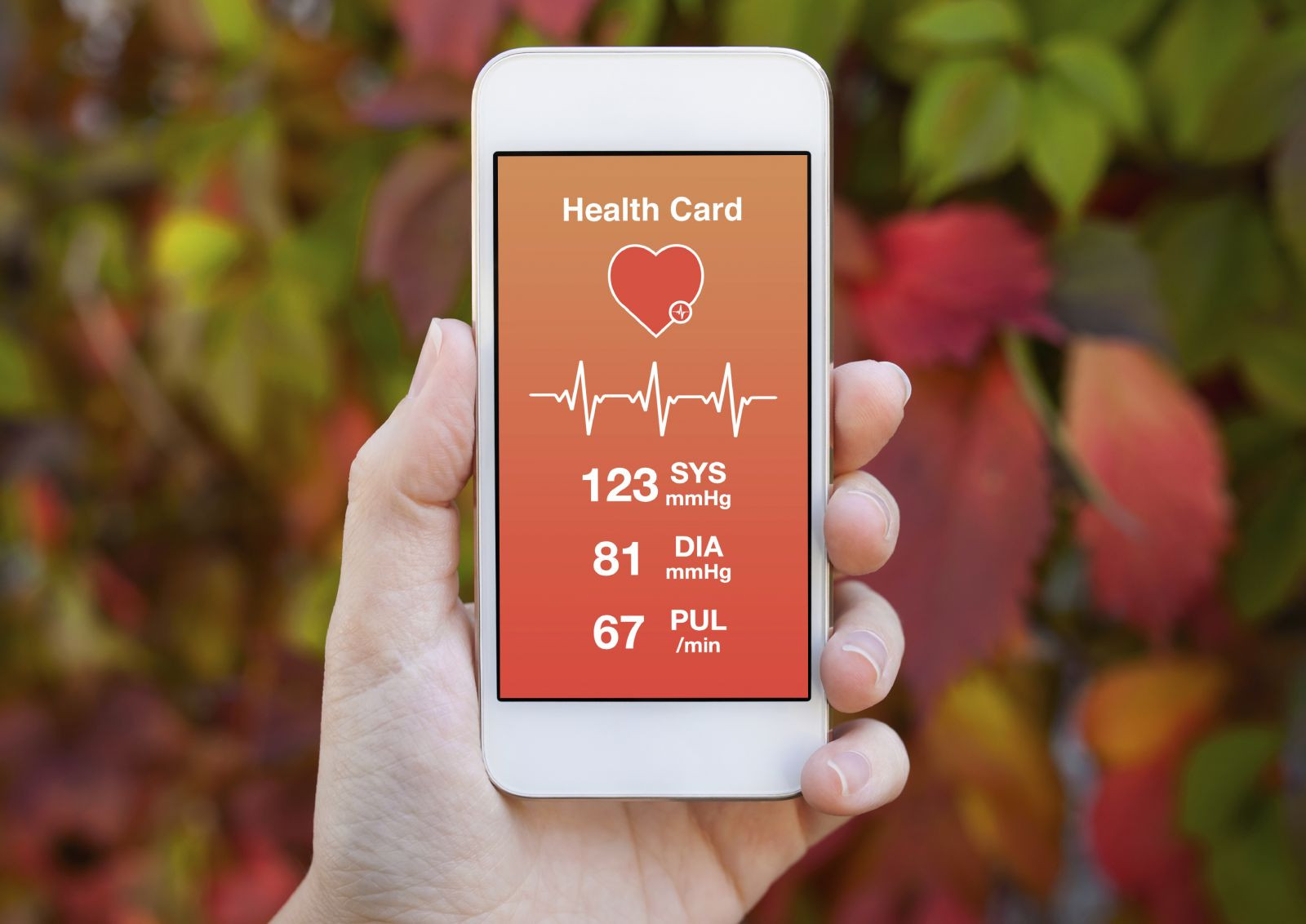
Must-have high-tech tools for caregivers
|
When you are caring for someone who is ill, elderly, or disabled, it's important to consider how you'll handle those times when you can't be with your loved one in person. Thankfully, today's technology offers options that can help you keep track of your loved one's safety and well-being.
Most people are familiar with the emergency response system known as Lifeline. Experts call devices and systems like Lifeline "telecare." But there's much more to telecare than emergency assistance. Today, there are a multitude of telecare devices that can help you stay informed of your loved one's activities and needs in real time.
Hip bursitis vs. arthritis: How to tell the difference
Fitness for longevity: Which type matters most?
Ministrokes linked to elevated risk of dementia
Continuous glucose monitors benefit people who don't need insulin
CoQ10: Should you take this popular supplement if you're on a statin?
Microplastics: A hidden health threat?
Oat vs. dairy milk: Nutrition, benefits, and downsides
What is tempeh? Benefits, nutrition, and how to use it
Healing after food poisoning
Whole grains may improve several heart risk factors at once
Free Healthbeat Signup
Get the latest in health news delivered to your inbox!
Sign Up
