

Hip bursitis vs. arthritis: How to tell the difference

Fitness for longevity: Which type matters most?

Ministrokes linked to elevated risk of dementia

Continuous glucose monitors benefit people who don't need insulin

CoQ10: Should you take this popular supplement if you're on a statin?

Microplastics: A hidden health threat?

Oat vs. dairy milk: Nutrition, benefits, and downsides

What is tempeh? Benefits, nutrition, and how to use it

Healing after food poisoning

Whole grains may improve several heart risk factors at once
Healthy eating for older adults Archive
Articles

5 ways to care for yourself while caring for a loved one
Image: iStock |
Caring for an aging parent or a loved one who is ill or disabled is often deeply rewarding. But it can also consume a lot of time, as well as physical and emotional energy. You may feel overwhelmed by myriad responsibilities — home, work, other family needs, and caregiving. But it's just as important to care for yourself before you burn out. Try our five tips below to help rejuvenate yourself.
1. Recruit help: You don't have to "do it all" yourself. In fact, it's best to have more than one person involved in caregiving. Whether it's accompanying your loved one to appointments, helping with housework, or cooking dinner one night a week, ask other family members to lend a hand. And if someone asks if he or she can pitch in, don't be afraid to say yes!

8 ways to eat more fruits and vegetables
| Image: iStock |
They're full of the nutrients you need for a healthy heart.
That familiar refrain "Eat your vegetables!" still hasn't sunk in. Only about one in 10 adults in the United States eats the amount recommended by the current federal dietary guidelines. And we're not doing much better when it comes to fruit, according to a recent report from the CDC (see "How much should you be eating?" below).

Exercise linked to lower atrial fibrillation risk for older women
Atrial fibrillation (AF)—in which the upper chambers of the heart contract weakly and rapidly—is associated with an increased risk of stroke and heart failure. Although exercise has been suggested as a preventive strategy, there aren't enough data to indicate whether it prevents AF in women.
To shed more light on the topic, Swedish researchers in 1997 asked about 40,000 women over 50 how much time they had spent exercising throughout their lives. The researchers then tracked the women for 12 years and noted that 2,915 (about 7%) had developed AF. They found that the risk of AF fell steadily with increasing activity. The women who exercised the most—more than four hours a week—were 15% less likely to have developed AF than those who exercised the least (less than one hour a week). Those who walked or biked 40 minutes or more a day had a 20% lower risk than those who rarely did either. The results were reported online by the British journal Heart on May 27, 2015.

Water and health: Follow your thirst
| Image: Thinkstock |
Most men can get the water they need from their usual diet and by drinking when they are thirsty.
Especially in hot weather, we are urged to drink adequate fluids and be on guard for dehydration. That may be why you see people toting bottled water everywhere, propelled by the myth that you need to drink eight glasses of water a day to be healthy.
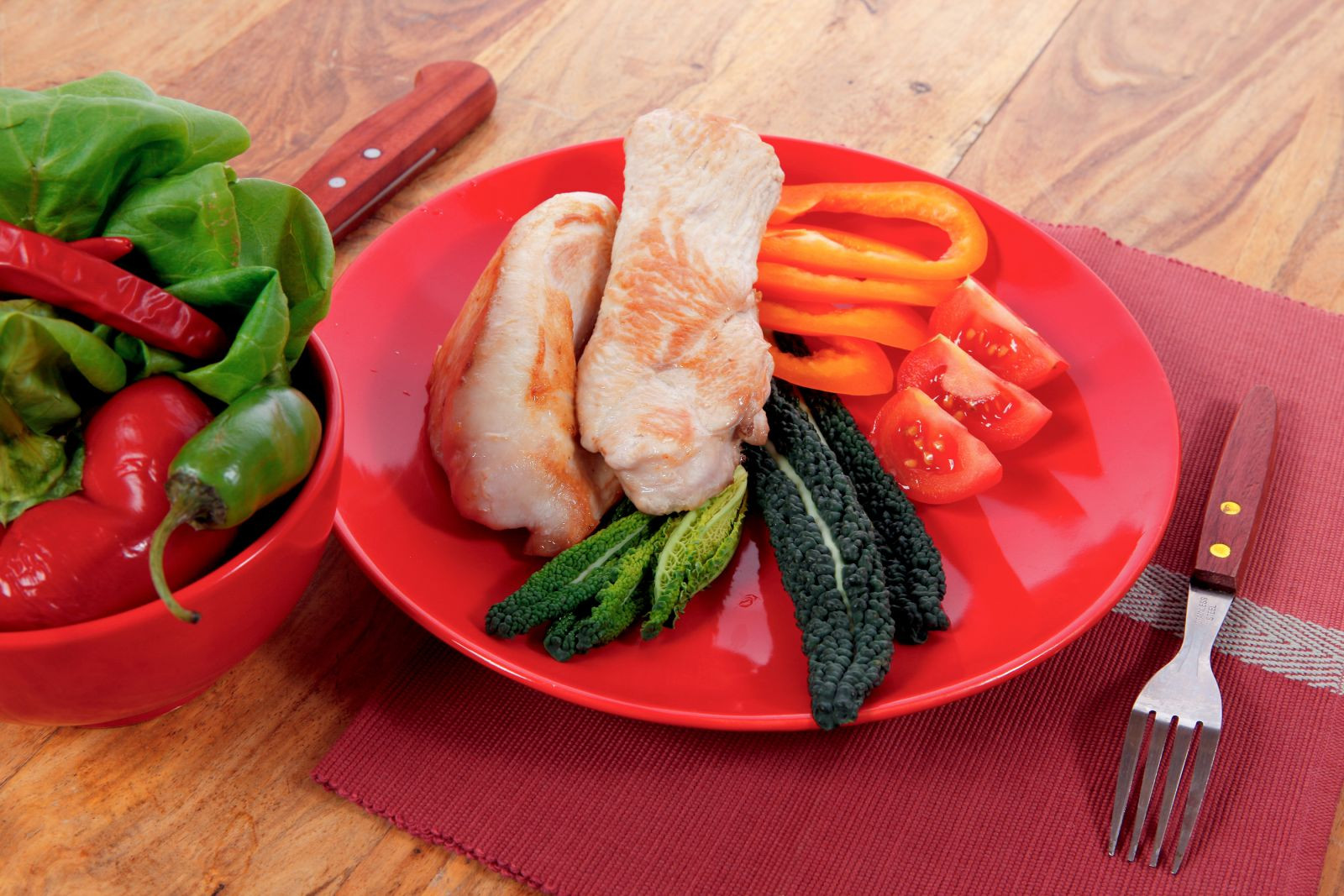
DASH or Mediterranean: Which diet is better for you?
Both eating plans have proven health benefits. Deciding which to follow depends on your goals and preferences.
The DASH diet has been named the best diet in the United States by U.S. News and World Report. However, the U.S. government panel writing the 2015 Dietary Guidelines for Americans cited the Mediterranean diet as an example of how we should eat. If you're trying to choose the best eating plan to lower your health risks, which one should it be?

5 ways to ward off cancer
Being overweight raises the risk of developing cancer. You can reduce that risk if you maintain a normal body mass index. Image: Thinkstock |
There's no guarantee you can prevent cancer, but you can reduce the risk of developing it by making lifestyle changes.

The benefits of vitamin supplements
Most people do not need to take vitamin supplements, but in some situations, taking the pills may provide health benefits. |
Ask the doctor
Q. Are vitamin supplements (like vitamin D) good for your health, and can you tell me who might benefit from taking the pills?

The benefits and risks of rediscovering your favorite sport
Playing a sport in our older years is great exercise. But before stepping onto a playing eld, make sure to address physical limitations. |
Competition is great for older adults, but don't skip training camp before your season starts.

Stop the carb confusion
Some carbohydrates are healthier than others, and eating too many processed carbs can harm your health.
Carbohydrates—or "carbs" for short—play a starring role in many healthy diets. For example, carb-rich whole grains, fruits, and vegetables are at the core of the heart-healthy Mediterranean and DASH diets.

Snacks: Quality vs. frequency
When it comes to snacking, is what you eat more important than how often you snack? A study published in the July 2015 Journal of the Academy of Nutrition and Dietetics tracked the snacking habits and foods of more than 200 people (average age 42). After two-and-a-half years, researchers observed that people who snacked on fruits and vegetables had, on average, a lower body mass index (BMI) than people who snacked on desserts and sweets. BMI is a measure of body fat based on a person's height and weight. Calories, frequency of snacking, and the time of day snacks were eaten didn't seem to affect BMI.
The study didn't show that the quality of snacks people ate was responsible for the lower BMI. However, researchers say the findings support the idea that wise snack choices can contribute to a healthy diet, and that snacking isn't necessarily unhealthy unless you choose empty calories such as chips, desserts, and sugar-sweetened drinks. Kathy McManus, director of the Department of Nutrition at Harvard-affiliated Brigham and Women's Hospital, underscores the importance of that approach: "Timing or frequency is not as important, as long as healthy snacks are selected." She recommends nuts such as almonds, peanuts, pistachios, or hazelnuts; hummus with baby carrots; peanut butter with celery or an apple; part-skim string cheese with a small bunch of grapes; or plain nonfat Greek yogurt with blueberries.
Hip bursitis vs. arthritis: How to tell the difference
Fitness for longevity: Which type matters most?
Ministrokes linked to elevated risk of dementia
Continuous glucose monitors benefit people who don't need insulin
CoQ10: Should you take this popular supplement if you're on a statin?
Microplastics: A hidden health threat?
Oat vs. dairy milk: Nutrition, benefits, and downsides
What is tempeh? Benefits, nutrition, and how to use it
Healing after food poisoning
Whole grains may improve several heart risk factors at once
Free Healthbeat Signup
Get the latest in health news delivered to your inbox!
Sign Up
